
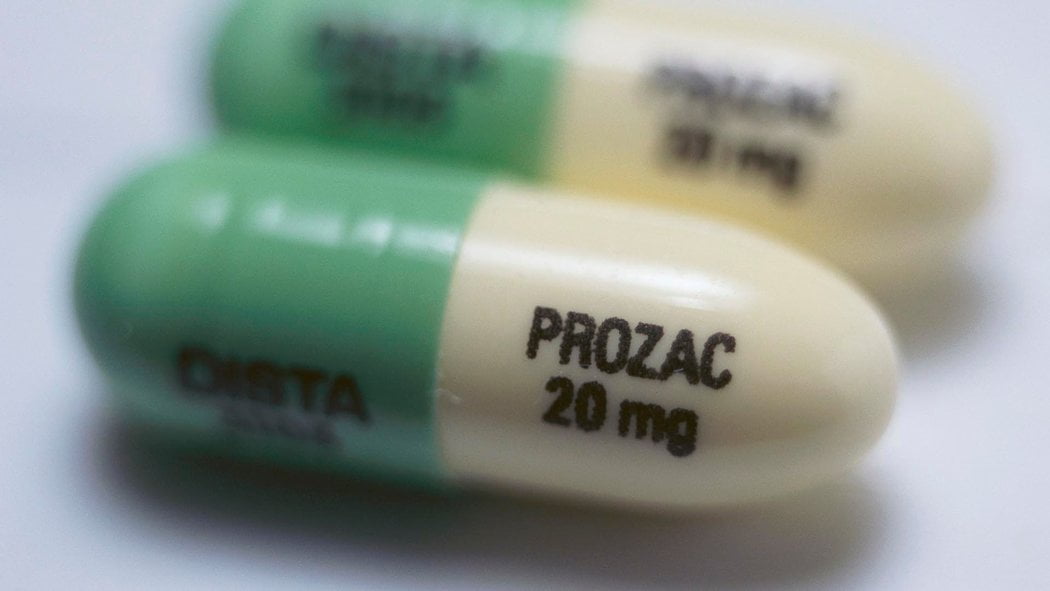
When people look up Celexa vs Prozac: Differences, Side Effects, and Uses, they are usually comparing two SSRIs that can both treat depression but differ in approved uses, interaction risk, side-effect patterns, and how long they stay in the body. Celexa is the brand name for citalopram. Prozac is the brand name for fluoxetine. Fluoxetine has a broader set of FDA-approved uses, while citalopram has a narrower label and a more specific heart-rhythm caution. Neither medicine is universally better. The real question is which one fits the diagnosis, your other medications, and the side effects that matter most.
Key Takeaways
- Celexa and Prozac are both selective serotonin reuptake inhibitors, or SSRIs.
- Fluoxetine has more FDA-approved uses than citalopram.
- Common side effects overlap, but sleep and energy effects may differ.
- Citalopram has a notable QT interval caution, while fluoxetine has more interaction concerns.
- Missed doses, withdrawal, and switching plans are not the same for both medicines.
Celexa vs Prozac at a glance
Celexa and Prozac belong to the same drug class: selective serotonin reuptake inhibitors, or SSRIs. Both work by increasing serotonin signaling in the brain, which can help improve mood and reduce some anxiety symptoms. If you want label-style product context, see Celexa and Fluoxetine. For broader condition education, the Mental Health Hub covers related topics.
Where they differ is often more important than where they match. Fluoxetine stays in the body much longer, which may matter for missed doses, switching plans, and interaction checks. Citalopram has a shorter half-life, meaning it leaves the body faster, but that can make discontinuation symptoms more noticeable if it is stopped suddenly. If you are browsing the class rather than one medicine, the Mental Health Products hub shows how these treatments fit into a wider category.
| Topic | Celexa | Prozac |
|---|---|---|
| Generic name | Citalopram | Fluoxetine |
| Drug class | SSRI antidepressant | SSRI antidepressant |
| FDA-approved U.S. uses | Major depressive disorder | Depression plus several other approved uses |
| Common day-to-day pattern | May feel more calming or tiring for some people | May feel more activating for some people |
| Key caution that stands out | QT interval risk in certain situations | More interaction concerns and longer persistence |
This is why a comparison works best as a set of tradeoffs, not a winner-take-all contest. Two medicines can share a class and still differ in how often they disturb sleep, how much interaction checking they need, and what happens if a dose is missed. Those practical issues often matter more than broad claims that one drug is simply stronger.
BorderFreeHealth works with licensed Canadian partner pharmacies for eligible U.S. patients.
Uses: where the labels differ
The clearest label difference is that fluoxetine is approved for more conditions. In the U.S., citalopram is primarily approved for major depressive disorder. Fluoxetine is approved for major depressive disorder and several other conditions, including obsessive-compulsive disorder, panic disorder, and bulimia nervosa, with some uses depending on age or combination therapy. That broader label does not automatically make Prozac a better antidepressant. It simply means more diagnoses have formal FDA approval behind them.
For depression, both medicines are established SSRI options. The difference becomes more meaningful when the diagnosis is not straightforward or when symptoms point toward another condition, such as obsessive thoughts, panic attacks, or binge-purge behaviors. In those cases, the label-supported uses of fluoxetine may shape the starting conversation even if another medicine is ultimately chosen.
Depression is not the only question
People often compare Celexa vs Prozac for anxiety, but approval status and real-world use are not the same thing. Both medicines may be prescribed for anxiety-related conditions, yet the strength of label support differs by diagnosis. If anxiety is the main issue, clinicians also may compare fluoxetine or citalopram with other SSRIs such as Escitalopram and Sertraline.
That wider comparison matters because symptom patterns differ. Someone with low energy and oversleeping may react differently than someone whose main problem is panic, insomnia, or gastrointestinal tension. Other SSRIs, including Paxil and Luvox, sit in the same family but bring their own tradeoffs in sedation, interactions, and approved uses.
Off-label prescribing can be appropriate, but it works best when the reason is clear and the benefit is being tracked. That is especially important when an antidepressant is being used for symptoms that can overlap with other conditions.
Why it matters: Approved uses show where label-backed evidence is strongest.
Side effects people often notice first
Most Celexa vs Prozac side effects overlap because both raise serotonin. Early effects can include nausea, headache, dry mouth, sweating, stomach upset, sleep changes, and sexual side effects. Many of these symptoms are most noticeable in the first few weeks, then may ease as the body adjusts. Still, some people need a different plan if side effects remain disruptive.
The daily-life difference many people notice is activation versus sedation. Fluoxetine can feel more activating for some people, with more insomnia, jitteriness, or a wired feeling. Citalopram may feel more neutral or somewhat calming, but it can also cause fatigue or daytime sleepiness in some people. These are patterns, not rules. The same medicine that causes restlessness in one person may feel steady in another.
Sexual side effects deserve their own mention because they are common reasons people stop SSRIs early. Either medicine can affect libido, arousal, or orgasm. Appetite changes can also cut both ways. Some people eat less when nausea or activation is prominent. Others eat more once depression improves. That is why short-term online anecdotes rarely predict what will happen over months.
- Nausea early on: common with both medicines.
- Sleep changes: insomnia may stand out more with fluoxetine.
- Fatigue or drowsiness: some people notice this more with citalopram.
- Sexual side effects: possible with either option.
- Appetite and weight: changes vary over time.
Weight is one of the most searched comparison points, but there is no predictable winner. Some people notice reduced appetite early with fluoxetine. Others notice little difference, or they see weight changes later that are tied to mood recovery, sleep, appetite, and time on treatment. If that issue matters to you, our page on Antidepressants And Weight offers more context without promising a simple ranking.
Some prescriptions require the pharmacy to confirm details with the original prescriber before dispensing.
Safety issues that matter more than minor side effects
The biggest clinical differences are citalopram’s QT interval prolongation, a heart-rhythm change seen on an ECG, and fluoxetine’s broader interaction footprint. Both medicines also share important class warnings, including a boxed warning about suicidal thoughts and behaviors in children, adolescents, and young adults. That does not mean everyone will feel worse, but it does mean mood changes, agitation, or new self-harm thoughts deserve prompt attention.
Interaction and heart-rhythm concerns
Citalopram may need extra caution in people with certain heart-rhythm risks or in those taking other medicines that can affect the QT interval. Low potassium or magnesium can also matter. Fluoxetine, by contrast, often raises more interaction questions because it affects liver enzymes that process many other medicines. Its long half-life can keep those interaction effects in play even after it is stopped.
Shared SSRI risks matter too. Both can contribute to serotonin syndrome, a potentially dangerous buildup of serotonin, especially when combined with other serotonergic medicines or supplements. Both can increase bleeding risk when taken with drugs such as NSAIDs, aspirin, or anticoagulants. Both can also worsen mania in people with bipolar disorder and can rarely contribute to hyponatremia, or low sodium, especially in older adults.
Celexa vs Prozac safety also depends on the full health picture. Older age, a history of fainting, bipolar symptoms, alcohol use, or multiple prescriptions can change the balance. Even common over-the-counter products matter. Cough medicines, migraine drugs, and herbal supplements like St. John’s wort can all affect serotonin or interaction risk.
If a new antidepressant causes severe agitation, fainting, confusion, fever, muscle rigidity, rapidly worsening depression, or suicidal thinking, do not wait it out. Those are reasons to seek urgent medical help.
Withdrawal, missed doses, and switching questions
One of the most practical citalopram vs fluoxetine differences is how long the drug remains in the body. Fluoxetine has a long half-life and active metabolites, so blood levels fall slowly. Because of that, some people notice fewer abrupt discontinuation symptoms after a missed dose or after stopping, though symptoms can still occur. Citalopram clears faster, so stopping suddenly may be more likely to bring on discontinuation syndrome, or withdrawal-like symptoms after stopping, such as dizziness, irritability, sleep disturbance, or flu-like feelings.
That same long persistence makes fluoxetine distinct when a switch is being planned. Even after the last dose, it can stay in the system long enough to affect the timing of another antidepressant or interacting medicine. This is one reason switching between SSRIs or to another class is not a do-it-yourself decision.
People sometimes see Prozac’s long half-life as an automatic advantage. It can help with abrupt stopping symptoms, but it is not a free pass. A medicine that lasts longer can also take longer to fully clear if side effects or interactions become a problem. In other words, persistence can help in one situation and complicate another.
For some people, the real question is not Celexa vs Prozac but SSRI vs another antidepressant class. In that setting, a clinician may also compare options such as Wellbutrin XL when side-effect priorities differ.
Cash-pay cross-border options may exist for some eligible people without insurance.
How to compare them in real life
The best choice usually comes down to three things: the diagnosis, the side effects you can tolerate, and the rest of your medication list. A person with depression alone may weigh the options differently from someone who also has OCD, panic disorder, or a complicated interaction profile. A person who already struggles with insomnia may view fluoxetine differently than someone who fights daytime fatigue.
Past experience matters more than internet rankings. If you have previously responded well or poorly to a certain SSRI, or if close relatives have had marked side effects with one, that history can inform a future discussion. It does not decide the answer on its own, but it is more useful than crowd-sourced claims that one medicine always gives more energy or always causes less weight change.
Quick tip: Bring a full medication and supplement list to any antidepressant review.
If you are sorting through Celexa vs Prozac differences before an appointment, these are practical questions to bring up:
- Main diagnosis and goal: what symptom are we treating first?
- Past response: have you or close family members done well or poorly on a similar drug?
- Sleep and energy pattern: would a more activating or more calming medicine be harder to tolerate?
- Interaction check: do current prescriptions, over-the-counter drugs, or supplements raise safety concerns?
- Heart-rhythm history: is QT risk part of the decision?
- Stopping plan: what happens if a dose is missed or a switch becomes necessary?
What to do next is simple: use the comparison to sharpen the conversation, not to self-select a winner. Celexa and Prozac overlap in many ways, but their labels, interaction burden, and stopping profiles are not identical. That is why two people with the same diagnosis may land on different choices.
Authoritative Sources
- Drug details from MedlinePlus on citalopram.
- Drug details from MedlinePlus on fluoxetine.
- Medication safety context from NIMH mental health medications.
Further reading: if you are still comparing SSRIs, focus on approved use, sleep effects, interaction risk, and how easy the medicine is to stop or switch. Those details usually matter more than broad claims that one drug is simply better than the other.
This content is for informational purposes only and is not a substitute for professional medical advice.


