

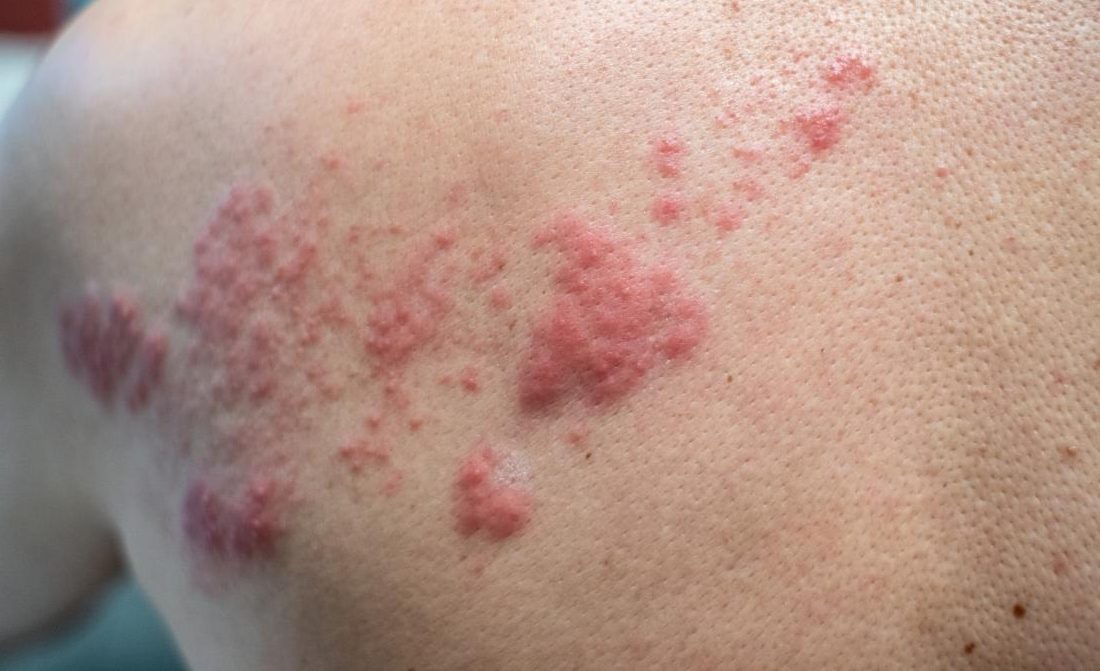
It can be stressful to notice a tingling spot, a painful blister, or skin irritation in a sensitive area and wonder if it might be herpes. Herpes symptoms often begin with itching, burning, tingling, or tenderness before any sore appears. Small blisters, shallow ulcers, crusting, pain with urination, and flu-like symptoms may follow, especially during a first outbreak. This overview of Signs and Symptoms of Herpes: Early Clues and Triggers explains what people often notice first, how oral and genital symptoms differ, and when a pattern deserves medical evaluation.
Key Takeaways
- Early herpes symptoms may start with tingling, burning, itching, or tenderness before visible sores.
- Some people have mild symptoms or no clear blisters, which can make herpes easy to miss.
- First outbreaks are often more intense and may include fever, body aches, or swollen lymph nodes.
- Stress, illness, friction, and sun exposure may trigger recurrences, but food triggers are less predictable.
- Eye symptoms, severe pain, trouble urinating, pregnancy, or immune suppression call for prompt medical care.
Early Herpes Symptoms Often Start Before Sores
One of the most overlooked herpes warning signs is the prodrome, or warning stage, that happens before visible lesions appear. People may notice tingling, itching, burning, stabbing nerve pain, or unusual sensitivity in one small area. The skin can look normal at first, which is why early herpes symptoms are often confused with chafing, razor burn, folliculitis, hemorrhoids, a yeast infection, or an ingrown hair.
Herpes symptoms without sores are also possible. Some outbreaks stay very mild. Others never form the classic cluster of blisters people expect. When sores do appear, they often begin as red or tender bumps, then turn into vesicles, meaning small fluid-filled blisters. Those blisters can break open into shallow ulcers before healing. On dry skin they may crust. On moist tissues they may stay raw instead of forming a clear scab.
People often ask what herpes looks like. There is no single look every time, but a common pattern is grouped blisters on a red base, followed by open, painful sores and then healing skin. There is also no official seven-sign checklist, yet common early clues include tingling, itching, burning, tenderness, redness, small blisters, and skin pain. A repeated pattern in the same spot often matters more than any one symptom alone.
Some people feel symptoms hours before a sore appears. Others notice only a patch of irritated skin, or one sore that heals and later comes back in a similar location. That is why herpes can be missed during the first episode and recognized only after a recurrence.
Why it matters: The warning stage is easy to dismiss, but it may be the clearest clue.
BorderFreeHealth works with licensed Canadian partner pharmacies.
How Herpes Can Look and Feel in Different Areas
Herpes simplex virus, or HSV, has two main types: HSV-1 and HSV-2. HSV-1 is often linked with oral herpes and cold sores. HSV-2 is more often linked with genital herpes. But either type can affect the mouth or the genitals, so the outbreak location often matters more than the type alone when you think about symptoms.
Oral herpes symptoms usually begin with lip tingling, itching, or burning, followed by grouped blisters around the lips, nose, or nearby skin. Many people call these cold sores. A first oral infection can feel different from a simple lip blister. It may cause swollen gums, mouth pain, painful swallowing, bad breath, or a sore throat, especially when sores appear inside the mouth rather than only on the lip border.
Genital herpes symptoms may involve the vulva, vagina, cervix, penis, scrotum, buttocks, upper thighs, or the skin around the anus. People often notice itching and burning first. Later, they may see small blisters or shallow sores. Urination can sting if urine touches irritated skin. Herpes symptoms in women can be hard to see when lesions are internal, so pain, burning, or soreness may stand out more than visible bumps. Herpes symptoms in men may be easier to spot on outer skin, yet they are still often mistaken for shaving irritation or ingrown hairs.
HSV-1 can also cause genital symptoms after oral-genital contact. That means HSV-1 symptoms in females or males may show up in the genital area rather than around the mouth. HSV-2 symptoms can do the reverse less often, but oral infection is possible. What matters most is the symptom pattern, the body area involved, and whether symptoms keep returning.
Anal herpes symptoms can include itching, burning, soreness, rectal pain, or painful bowel movements. This is one reason herpes can be confused with hemorrhoids or fissures. Some people also feel pain that radiates into the buttocks or thighs before sores appear.
| Area | Common symptoms | Often mistaken for |
|---|---|---|
| Mouth and lips | Tingling, burning, grouped blisters, crusting, mouth tenderness | Chapped lips, acne, canker sores |
| Genitals | Itching, burning, tender blisters or ulcers, pain with urination | Razor burn, yeast irritation, ingrown hairs |
| Around the anus | Burning, itching, sores, rectal pain, painful bowel movements | Hemorrhoids, fissures, contact rash |
Why Herpes Is Easy to Mistake for Something Else
Many common skin and genital conditions can resemble herpes, especially early on. Razor burn can cause red bumps after shaving. Folliculitis can create tender pustules around hair follicles. Yeast irritation can cause burning and raw skin without blisters. Hemorrhoids and fissures can cause anal pain. Aphthous ulcers, or canker sores, can cause mouth pain but usually occur inside the mouth rather than on the lip border.
Timing helps. Herpes often returns to a similar area and may be preceded by tingling or burning. The sores are usually painful rather than simply itchy, and they tend to evolve from redness to blisters to open sores. Still, there is overlap. Contact dermatitis from soap, lubricant, condoms, or pads can also burn or sting, and bacterial infections can look raw or crusted.
This is why photos alone are not enough. What looks typical in one person may look subtle in another. Skin tone, body site, friction, and how early or late the lesion is all change the appearance. If a rash keeps recurring, an in-person exam or testing is more useful than trying to match images online.
First Outbreaks and Recurrent Outbreaks Can Feel Very Different
A first herpes outbreak is often the most noticeable because the immune system has not seen the virus before. In addition to sores, people may develop fever, body aches, headache, fatigue, and swollen lymph nodes in the groin, neck, or under the jaw, depending on where the outbreak happens. Some describe the skin pain as sharp, raw, or almost nerve-like before blisters show up.
First herpes outbreak symptoms may also cover a wider area. Instead of one or two lesions, a person may have multiple painful spots, more swelling, and more trouble sitting, walking, or urinating comfortably. That intensity is one reason a first episode is often mistaken for a severe rash, the flu, or a urinary problem before herpes is considered.
Recurrent herpes symptoms are usually milder. A person may have tingling before herpes outbreak symptoms, then only one or two lesions, and little or no fever. Recurrent episodes also tend to settle faster than a first outbreak, although the exact timing varies. Sometimes the only clue is a familiar burning patch on the lip or genitals that heals and returns under similar conditions.
How long herpes symptoms last depends on the site, immune status, and whether treatment starts early. A first outbreak often lingers longer and can feel exhausting. Recurrent outbreaks more often follow a smaller pattern: prodrome, one or a few lesions, then healing skin that may itch or feel tight as it closes.
It is also possible to have HSV-1 symptoms or HSV-2 symptoms so mild that testing happens only after a partner develops symptoms or a clinician spots a suspicious lesion. That is one reason self-diagnosis is tricky. A photo search may help you compare patterns, but it cannot confirm what a sore is.
When required, prescription details are confirmed with the original prescriber before dispensing.
What Usually Triggers Herpes Flare-Ups
Herpes flare-ups happen because the virus can stay dormant in nearby nerve cells and reactivate later. Stress may be one trigger for some people, but it does not create herpes on its own. The virus has to be present first. Many people notice recurrences during times of physical or emotional strain, illness, lack of sleep, or fever.
Other common triggers include friction in the affected area, sexual activity during irritation, menstruation for some people, dental work or lip trauma, and sun exposure with oral herpes. That helps explain why cold sores often reappear on the lip border after a beach day or after another infection.
Food triggers are less clear. There is no single list of foods that trigger herpes outbreaks in everyone. Some people suspect a pattern with certain foods, but repeatable triggers vary from person to person and can be mixed up with stress, poor sleep, alcohol, sun exposure, or another illness happening at the same time. If food seems relevant, it helps to look for a pattern across several episodes instead of blaming one meal.
Triggers can change over time. One person may flare mainly after sun exposure, while another notices outbreaks after a cold, a sleepless week, or local skin friction. Not every recurrence has an obvious cause. That can be frustrating, but it is common.
It also helps not to blame yourself for every recurrence. Stress is common and life events happen. The goal is not to control every variable. It is to recognize your own patterns, reduce avoidable irritation when possible, and know when symptoms have changed enough to justify medical advice.
Quick tip: A short symptom journal can separate a real trigger from a coincidence.
What to Note, What Testing Can Show, and When to Seek Care
If symptoms seem consistent with herpes, a clinician usually combines the story, the exam, and testing. A swab or PCR test from a fresh sore is often the most useful way to confirm the diagnosis during an active outbreak. If lesions are already healing, testing can be harder because there may be less virus on the surface to detect. Blood tests may show past exposure to HSV, but they cannot always tell whether a current rash is caused by herpes or exactly where the infection is located.
There is no instant home cure for an outbreak. Treatment often involves antiviral medication prescribed by a clinician, especially for a first episode, frequent recurrences, or severe symptoms. Supportive care often focuses on reducing irritation and keeping the area as comfortable as possible while lesions heal. Many clinicians also advise avoiding direct sexual contact during a prodrome or active sores because viral shedding can occur before lesions are fully obvious.
Useful details to track before an appointment
- When symptoms started and changed
- Whether tingling came before sores
- Where the rash, pain, or burning appears
- Fever, swollen nodes, or body aches
- Any eye symptoms or trouble urinating
- Whether pregnancy or immune problems apply
These details can help separate herpes from look-alike conditions such as bacterial folliculitis, contact dermatitis, yeast irritation, aphthous ulcers, or hemorrhoids. They also help a clinician decide whether a swab, blood test, or another workup makes the most sense.
If herpes is confirmed, common discussion points include whether the outbreak seems oral or genital, whether symptoms suggest a first infection or a recurrence, and what follow-up makes sense if sores keep returning. These are practical questions. They are not a sign that you did anything wrong.
Until you are evaluated, gentle skin care matters. Harsh scrubs, fragranced products, and repeated rubbing can make any inflamed rash feel worse, whether it is herpes or not. That is another reason early, clear diagnosis helps.
Some patients use cash-pay cross-border options when eligible and without insurance.
Get medical help sooner if these signs appear
- Eye pain, redness, or vision changes
- New genital sores during pregnancy
- Severe pain or inability to urinate
- High fever, dehydration, or widespread sores
- A weakened immune system with new lesions
Eye involvement needs prompt attention because herpes near the eye can threaten vision. Pregnancy matters because a first genital outbreak late in pregnancy can affect delivery planning. Very painful or widespread lesions also deserve faster evaluation, especially in people with HIV, those taking immune-suppressing medicines, or anyone who is unable to keep fluids down.
If you are comparing symptoms and are unsure what is going on, broader education can help before or after an appointment. For related topics, the Sexual Health Hub offers additional reading on common concerns.
Authoritative Sources
- CDC genital herpes symptoms and testing overview
- WHO herpes simplex virus fact sheet
- ACOG genital herpes questions and answers
Herpes symptoms can be obvious, mild, or easy to mistake for something else. Early tingling, burning, and repeated sores in the same area are common clues, but only an evaluation and appropriate testing can confirm the cause.
This content is for informational purposes only and is not a substitute for professional medical advice.


