
Please note: a valid prescription is required for all prescription medication.
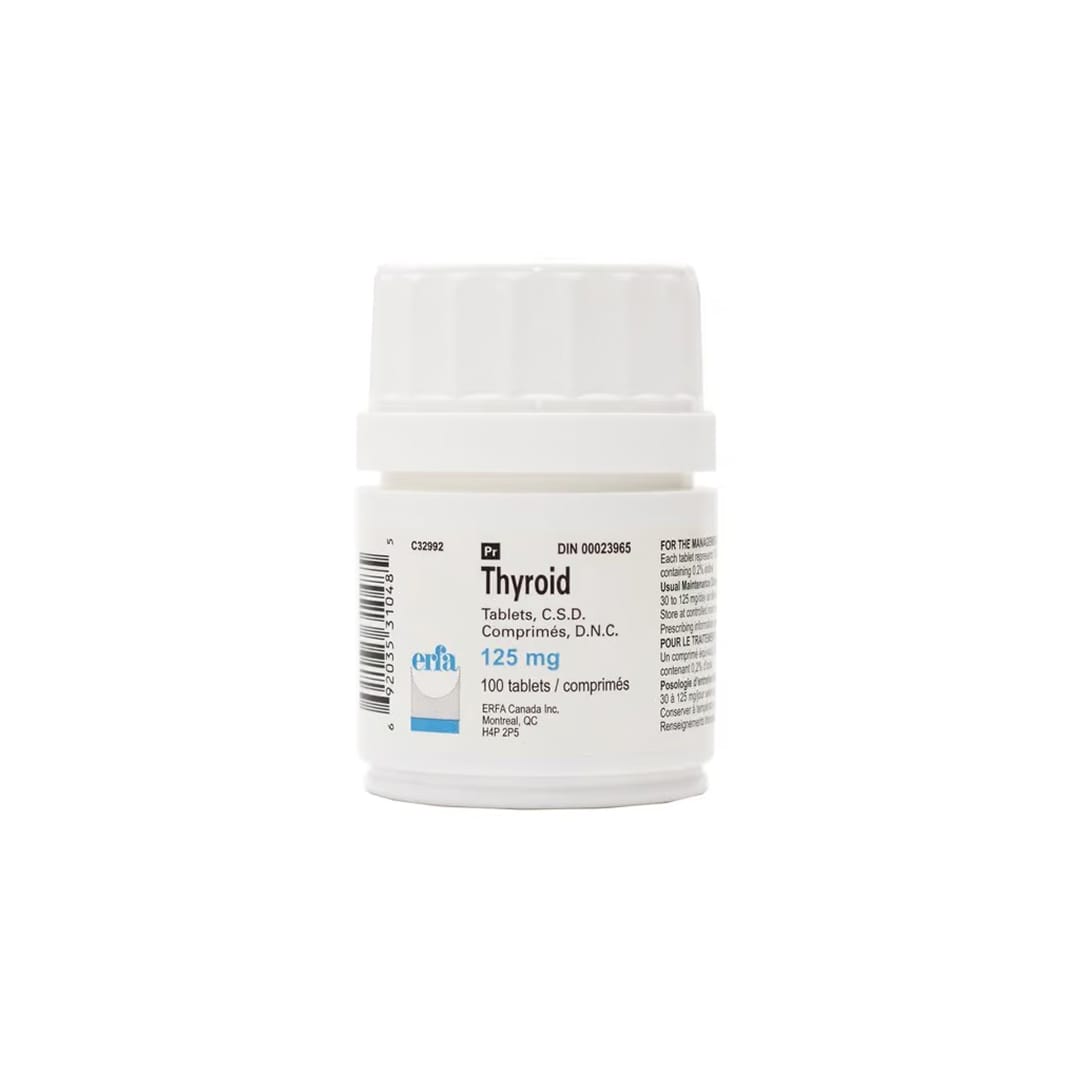
Thyroid Tablets
Buy Thyroid Tablets Online
Secure Encrypted Payments
Thyroid Tablets are oral thyroid hormone medicines used when a clinician recommends hormone replacement or supplementation for low thyroid function. They can be ordered online through BorderFreeHealth, with current pricing shown during ordering and dose or strength choices matched to the directions from your clinician. For U.S. customers, the service can support US delivery from Canada through licensed pharmacies.
Price, Strength Selection, and Ordering
Thyroid Tablets pricing depends on the medicine, strength, quantity, and manufacturer supplied for the order. During ordering, choose the dose or strength displayed for the product and make sure it matches the directions from your clinician. Small differences in thyroid hormone strength can matter, so the label on the bottle should agree with the treatment plan you were given.
People paying cash can use the online order flow to see the current cost before completing a request. This is especially helpful if you are managing ongoing thyroid treatment without insurance, because thyroid therapy is often taken long term and refills need to be planned. If your dose changes after lab work, update the strength before reordering rather than continuing an older routine.
Some thyroid medicines are identified by microgram strengths, such as levothyroxine tablets, while other thyroid hormone products use different naming or strength conventions. Search terms like levothyroxine 25 mcg tablets, levothyroxine 50 micrograms tablets, 100 mcg of levothyroxine, or liothyronine 5 mcg tablet describe common thyroid medicine strengths, but the right choice depends on the exact product and clinician directions. If the name, tablet imprint, or strength does not look familiar, ask a pharmacist or clinician before taking it.
Quick tip: Keep a photo or written record of your current thyroid medicine name, strength, and daily timing to reduce refill mix-ups.
What Thyroid Tablets Treat
Thyroid hormone treatment is most often used for hypothyroidism, also called an underactive thyroid. In hypothyroidism, the thyroid gland does not make enough hormone for the body’s needs. Thyroid hormones help regulate metabolism, body temperature, heart rate, digestion, skin and hair growth, mood, and concentration.
Low thyroid function can develop from autoimmune thyroiditis, thyroid surgery, certain thyroid treatments, or other medical causes. Symptoms may include fatigue, constipation, dry skin, feeling cold, slowed thinking, hair changes, and weight changes. A clinician usually considers both symptoms and blood tests before choosing a treatment plan. You can browse the condition collection for hypothyroidism for related thyroid care topics.
Thyroid hormone therapy may also be part of care for selected people with goiter or after treatment for certain thyroid conditions. The goal is not simply to feel more energetic; the goal is to bring thyroid hormone activity into an appropriate range while avoiding levels that are too high. Related condition collections include goiter and thyroid cancer.
How Thyroid Hormone Tablets Work
Thyroid Tablets replace or supplement hormones that the thyroid gland normally produces. Common thyroid hormone approaches include T4-only medicines, T3-containing medicines, and combination products in selected situations. T4 is a storage-like thyroid hormone that the body can convert into T3, the more active hormone in many tissues.
Levothyroxine tablets contain synthetic T4 and are widely used for hypothyroidism. Liothyronine tablets contain synthetic T3 and may be used in more specific clinical situations. Some thyroid tablets contain both T4 and T3, including desiccated thyroid products. These categories are not automatically interchangeable, even when they are all used in thyroid care.
The best thyroid tablet is the one that fits your diagnosis, lab results, symptoms, age, heart health, pregnancy status, other medicines, and follow-up plan. A person doing well on one thyroid medicine should not switch brands, strengths, or hormone types casually. Changes can shift thyroid-stimulating hormone, known as TSH, and may require new lab monitoring.
| Medicine type | Common role | Practical buying point |
|---|---|---|
| T4-only tablet | Often used for underactive thyroid | Strength consistency is important |
| T3 tablet | Selected thyroid treatment plans | Effects may change more quickly |
| T4/T3 combination | Individualized use in some patients | Do not substitute without clinical guidance |
How to Take Thyroid Tablets Consistently
Most thyroid hormone tablets are taken on a steady daily schedule. Consistency matters because absorption can change with food, coffee, supplements, and other medicines. Many thyroid hormone products are taken with water on an empty stomach, followed by a consistent wait before breakfast or coffee, but your exact routine should follow the product label and clinician instructions.
Calcium, iron, magnesium- or aluminum-containing antacids, sucralfate, bile-acid sequestrants, and some fiber products can reduce absorption when taken too close to thyroid hormone. Soy-based products and coffee can also affect consistency for some people. If your morning routine changes, or if you start a new supplement, mention it at your next thyroid follow-up so lab results can be interpreted accurately.
If a dose is missed, follow the label instructions or ask a healthcare professional. Avoid doubling doses unless you were specifically told to do so. For practical timing ideas that often apply across thyroid hormone tablets, see endocrine and thyroid articles for related education.
Why it matters: A stable routine helps your clinician understand whether a lab change reflects the medicine or a change in absorption.
Monitoring and Dose Changes
Thyroid therapy is usually monitored with blood tests. TSH is commonly used, and free T4 or free T3 may be added depending on the medicine and clinical situation. Testing is often repeated after starting treatment, after a strength change, or after adding medicines that can alter thyroid hormone levels.
It can take time for symptoms and labs to align. Feeling better does not always mean the dose is ideal, and persistent fatigue does not always mean the dose should be raised. Sleep, anemia, vitamin levels, depression, heart conditions, menopause, diabetes, and other health issues can overlap with thyroid symptoms.
Pregnancy and pregnancy planning need special attention because thyroid hormone requirements can change. Older adults and people with heart disease may also need more cautious dose adjustments. If you notice new palpitations, chest discomfort, severe anxiety, fainting, or shortness of breath, seek medical help promptly.
Storage, Travel, and Shipping Basics
Store Thyroid Tablets at controlled room temperature in a dry place unless the package instructions say otherwise. Keep the container closed and away from moisture, heat, and direct light. Bathrooms and humid kitchen areas are not ideal storage spots because moisture can affect tablet quality over time.
When traveling, keep tablets in the original labeled container. This helps with identification and reduces the chance of mixing thyroid medicine with other tablets. If you cross time zones, ask a healthcare professional whether to keep the same interval between doses or align with your usual morning routine at the destination.
BorderFreeHealth may offer prompt, express shipping for eligible orders. Because thyroid therapy is often continuous, reorder before your supply runs low and allow time for any order-detail questions. The endocrine thyroid category can help you browse related thyroid products and supplies.
Side Effects, Warnings, and Interactions
Side effects can occur if thyroid hormone levels move above or below the intended range. Too much thyroid hormone may cause shakiness, sweating, heat intolerance, trouble sleeping, diarrhea, increased appetite, anxiety, tremor, or a fast heartbeat. Too little thyroid hormone may leave symptoms such as fatigue, constipation, dry skin, feeling cold, slowed thinking, or weight changes.
More serious symptoms need urgent attention. Seek medical care for chest pain, severe palpitations, fainting, shortness of breath, or signs of a severe allergic reaction such as hives, facial swelling, or trouble breathing. Long-term overtreatment can increase the risk of bone loss in some people and may strain the heart, especially in those with existing cardiac disease.
Thyroid hormone therapy is generally avoided in untreated overactive thyroid states and used carefully when adrenal problems have not been addressed. People with heart disease, older adults, and those who are pregnant or planning pregnancy need close clinical oversight. Do not use thyroid hormone tablets for weight loss in someone with normal thyroid function; high thyroid hormone levels can be dangerous.
Several medicines can interact with thyroid hormone. Blood thinners such as warfarin may need closer monitoring when thyroid therapy changes. Diabetes medicines, certain seizure medicines, antidepressants, estrogen-containing therapies, acid reducers, antacids, calcium, iron, and cholesterol-binding resins may also affect treatment response or absorption. Bring a current medicine and supplement list to each thyroid follow-up.
Thyroid Tablets From Canada and Product Consistency
Thyroid Tablets from Canada may differ in packaging, manufacturer appearance, or labeling style from products seen in U.S. pharmacies. Tablet color, imprint, or shape can vary by manufacturer and market. The important checks are the medicine name, strength, directions, and whether any substitution was made.
Brand and generic naming can also vary by country. For example, levothyroxine sodium may be sold under different brand names, and T3 products may be labeled differently from combination thyroid tablets. These naming differences do not mean the product should be used differently. Follow the label you receive and the treatment plan from your clinician.
If you are sensitive to manufacturer changes, document the product you receive with each refill. Some people notice lab changes after switching between thyroid hormone products, even when the labeled strength appears similar. A pharmacist can help identify tablets and explain whether a refill came from the same manufacturer.
| What to verify | Where to look | Why it helps |
|---|---|---|
| Medicine name | Bottle label and packaging | Reduces mix-ups between T4, T3, and combination tablets |
| Strength | Order record and label | Helps match the clinician’s directions |
| Manufacturer | Pharmacy label or package | Supports consistency between refills |
| Directions | Label instructions | Confirms timing and daily routine |
Related Thyroid Care Choices
Thyroid treatment is individualized, and nearby choices can look similar online. Levothyroxine tablets, liothyronine tablets, and desiccated thyroid tablets all affect thyroid hormone activity, but they are not the same medicine. Switching from a levothyroxine pill to a T3 pill, or from a T4-only plan to a combination tablet, should be planned with lab monitoring.
People with enlarged thyroid tissue, nodules, or a history of thyroid cancer may have different treatment goals than someone with uncomplicated hypothyroidism. TSH targets can vary by diagnosis and risk level. Use condition-specific follow-up rather than assuming every thyroid tablet has the same goal.
For broader browsing, the Canada country-of-origin collection may help identify products supplied from Canada. The main thyroid category remains the most relevant place to find thyroid-related medicines and compare therapy categories by name and form.
Authoritative Sources
For patient-friendly medical background on thyroid hormone replacement, the American Thyroid Association explains how thyroid hormone treatment is used and monitored: American Thyroid Association thyroid hormone treatment. For a broader medical summary of hypothyroidism, causes, symptoms, and testing, see the National Institute of Diabetes and Digestive and Kidney Diseases: NIDDK hypothyroidism information.
Use these sources for general education, then follow the label on your medicine and the plan from your healthcare professional. Thyroid hormone treatment is highly dose-sensitive, and individual monitoring is part of safe long-term use.
This content is for informational purposes only and is not a substitute for professional medical advice.
Express Shipping - from $29.99
Shipping with this method takes 3-5 days
Prices:
- Dry-Packed Products $29.99
- Cold-Packed Products $39.99
Shipping Countries:
- United States (all contiguous states**)
- Worldwide (excludes some countries***)
Standard Shipping - $19.99
Shipping with this method takes 5-10 days
Prices:
- Dry-Packed Products $19.99
- Not available for Cold-Packed products
Shipping Countries:
- United States (all contiguous states**)
- Worldwide (excludes some countries***)
Which thyroid tablet is best?
The best thyroid tablet depends on the diagnosis, lab results, symptoms, age, heart health, pregnancy status, other medicines, and prior response. Levothyroxine, liothyronine, and T4/T3 combination tablets are different treatment approaches and should not be substituted casually.
What are common side effects of thyroid tablets?
Side effects may reflect thyroid hormone levels becoming too high or remaining too low. Possible high-level symptoms include tremor, sweating, trouble sleeping, diarrhea, anxiety, heat intolerance, and a fast heartbeat. Persistent fatigue, constipation, dry skin, and feeling cold may suggest thyroid levels are still low.
Can I drink coffee with thyroid tablets?
Coffee can affect absorption for some thyroid hormone tablets when taken too close to the dose. Many people are told to take thyroid medicine with water and wait before coffee or breakfast, but the exact timing should follow the label and clinician directions.
How do I get my thyroid levels back to normal?
Thyroid levels are usually managed with the right medicine, consistent timing, and follow-up blood tests such as TSH and sometimes free T4 or free T3. Do not change the dose on your own; lab results and symptoms should guide adjustments.
Can thyroid tablets help with weight loss?
Thyroid hormone may help correct weight changes caused by true hypothyroidism, but it should not be used for weight loss in someone with normal thyroid function. Too much thyroid hormone can cause serious heart, bone, and nervous-system risks.
Rewards Program
Earn points on birthdays, product orders, reviews, friend referrals, and more! Enjoy your medication at unparalleled discounts while reaping rewards for every step you take with us.
You can read more about rewards here.
POINT VALUE
How to earn points
- 1Create an account and start earning.
- 2Earn points every time you shop or perform certain actions.
- 3Redeem points for exclusive discounts.
You Might Also Like
Select options
This product has multiple variants. The options may be chosen on the product page
Select options
This product has multiple variants. The options may be chosen on the product page
Select options
This product has multiple variants. The options may be chosen on the product page
Select options
This product has multiple variants. The options may be chosen on the product page