If you’re sorting out mealtime doses or correcting highs, you may wonder what is fast acting insulin and how it fits your day. This guide explains how rapid mealtime insulin works, how it differs from other types, and where timing matters most. You’ll find plain‑language notes alongside clinical terms, so you can speak confidently with your care team.
We also outline names you might hear at the pharmacy, common side effects, and practical device tips. Understanding the basics helps you reduce swings, plan meals, and manage routines with fewer surprises.
Key Takeaways
- Fast-acting insulin covers meals and quick corrections.
- Timing, dose forms, and names vary across brands.
- Basal options cover 24 hours to steady glucose.
- Know signs of lows and how to respond.
- Use pens and cartridges to simplify daily dosing.
What Is Fast Acting Insulin?
Fast-acting insulin is a bolus insulin (mealtime dose) designed to reduce the blood sugar rise from food and correct unexpected spikes. It starts working quickly after injection and is commonly paired with a background basal insulin (long‑duration) to mimic a healthy pancreas. Many people with type 1 diabetes rely on both, while some with type 2 add bolus doses when oral medicines are not enough.
Onset, Peak, and Duration
Rapid analogs typically begin working within minutes, reach a peak effect, and taper off over a few hours. Actual timing varies by product, injection site, and individual factors like activity or gastroparesis (slowed stomach emptying). Clinical summaries from national organizations describe the typical pattern for rapid analogs as fast onset and several hours of coverage. For a neutral overview of action profiles, see the NIDDK’s guidance on insulin types (NIDDK insulin information).
Some newer formulations adjust absorption to work a bit sooner around meals. The goal is the same: match insulin action to the meal curve without leaving long tails that can cause late lows. For onset differences and practical handling tips, see Rapid Acting Insulin for a deeper dive on onset nuances.
Comparing Types and How They Work
Insulin products are grouped by how quickly they start and how long they last. Understanding these categories helps you match dosing to food, sleep, and activity. In clinics, educators often show a simple chart that compares rapid mealtime doses, short acting regular formulations, intermediate NPH, and the basal group that works through the day and night.
Because people often ask for a single list, we’ll anchor this section around types of insulin with examples. Then you can discuss with your clinician which option aligns with your meals, hypoglycemia risk, and routine. Formulations differ in concentration, device format, and flexibility for dose adjustments.
| Type | Typical Use | Common Examples |
|---|---|---|
| Rapid (mealtime) | Meals, corrections | Lispro, Aspart, Glulisine |
| Short Acting (regular) | Meals (older option) | Regular human insulin |
| Intermediate Acting (NPH) | Basal, mixes | NPH human insulin |
| Long Acting (basal) | 24‑hour coverage | Glargine, Detemir |
| Ultra Long Acting | 36+ hour coverage | Degludec |
If you prefer a visual overview and more practical scenarios, see Types Of Insulin for a big‑picture comparison chart and clinical context.
Intermediate-Acting Options: NPH and Mixing
Many patients still use NPH as part of a cost‑sensitive or legacy regimen. NPH can provide background coverage, but it has a noticeable peak, which may require planned snacks or adjusted mealtime dosing. Fixed combinations that include NPH plus a rapid component can simplify routines, yet they reduce day‑to‑day flexibility for varying meals.
When discussing intermediate-acting insulin nph with your clinician, ask about timing relative to bedtime snacks, typical peak times, and how to reduce nocturnal lows. It may help to track readings during the first week of any adjustment. For a structured overview of all categories, you can also scan Five Types Of Insulin to see where NPH fits among current options.
Timing Around Meals, Bedtime, and Activity
Matching insulin action to daily rhythms prevents hassles and improves confidence. Mealtime doses typically go before eating, but the exact timing depends on the formulation and your glucose level. Activity, stress, and illness also shift needs. Planning ahead for workouts or late meals can smooth out peaks and reduce corrective dosing later on.
People often ask when to take night time insulin to balance fasting numbers without overnight lows. Your clinician may consider dose timing, bedtime snacks, and whether dawn phenomenon (early‑morning rise) is present. If you train in the evening, ask how to adjust food timing and correction strategies. For insight on mealtime peaks that can overlap with exercise, see Lispro Insulin Peak for timing patterns that athletes discuss with their teams.
Pens, Cartridges, and Delivery Tips
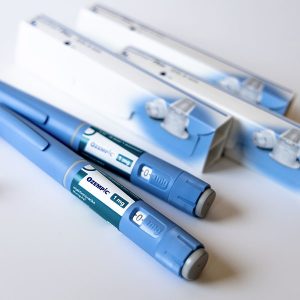
Devices matter because they shape ease, accuracy, and adherence. Many prefer pens for discreet, quick dosing and dial‑in precision. Cartridges and smart pens can also help with memory and comfort. Needle length, rotation of sites, and storage practices all play essential roles in predictable absorption and fewer site problems.
If you’re choosing a short-acting insulin pen, consider dose increment size, tactile feedback, and whether you want a connected cap. For a ready‑to‑use option that supports mealtime dosing, see Apidra Solostar Pen for device format details. If your routine favors refillable cartridges, review Novorapid Cartridge for flexibility with mealtime dose adjustments and storage notes.
Names and Generics You Might See
Brand and generic names can feel confusing at first. Clinicians will often use both names to prevent mix‑ups. For example, lispro is the generic name for a rapid analog often sold as Humalog; aspart is the generic for a product branded as Novolog or NovoRapid; glulisine is sold as Apidra. Regular human insulin usually appears as Humulin R or Novolin R.
To reduce pharmacy surprises, keep a simple wallet list of short-acting insulin generic names and the matching brands. This becomes essential if you travel, switch pharmacies, or get a substitute during shortages. If you are deciding between popular mealtime options, see Humalog Vs Novolog for a side‑by‑side brand comparison and practical user considerations.
Safety and Side Effects to Watch
Dosing mealtime insulin safely takes practice. Learn how your body responds to doses, meals, and activity, and keep fast carbohydrates nearby. Rotating injection sites reduces lipodystrophy (fat tissue changes), which can otherwise alter absorption. Using consistent device technique day to day improves predictability and confidence.
The most common concern is short-acting insulin side effects like low blood sugar, shakiness, or confusion. Other effects can include mild weight changes, injection‑site reactions, or rare allergic responses. If lows occur often, your clinician may reassess timing, dose, or meal composition. For balanced safety information on insulin therapies, the ADA’s treatment standards provide neutral context (ADA treatment overview).
Basal Insulin Durations and Overnight Coverage
Background basal insulin helps steady glucose between meals and overnight. Different products aim for smooth coverage with minimal peaks, but real‑world duration can vary. Matching your basal profile to your routine reduces nocturnal lows and early‑morning highs. Track morning readings for several days when any change is made.
When discussing long-acting insulin duration, ask about day‑to‑day variability and how missed doses are handled. Product labels offer time‑action ranges rather than guarantees because individual response differs. For a manufacturer’s reference on a commonly used basal option, see the Lantus prescribing information for neutral details about duration and safety. For patient‑oriented insights into a widely used basal, review Lantus Insulin to understand how glargine is used in real‑world regimens.
Recap
Fast mealtime insulin helps cover food and correct highs, while basal insulin steadies the rest of the day. Knowing action profiles, names, and device options can make everyday decisions simpler. Use this knowledge to ask clear questions, fine‑tune routines, and reduce glucose swings.
For next steps, scan our broader insulin resources to orient your choices and discuss them with your care team. You can start with Short Acting Insulin to contrast regular formulations with modern rapid analogs and strengthen your understanding of timing.
This content is for informational purposes only and is not a substitute for professional medical advice.