
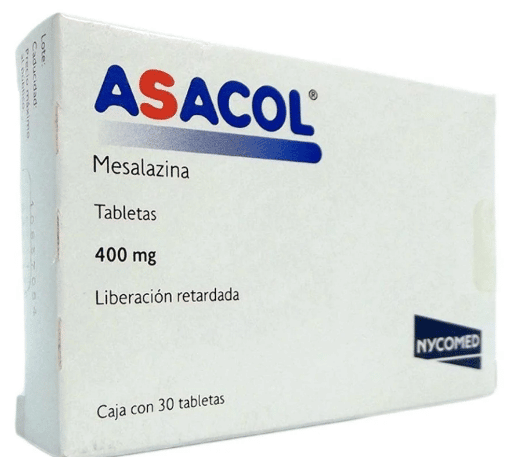
Asacol vs Lialda mainly comes down to how each mesalamine product releases medicine in the bowel and how often it fits into your day. Both are 5-ASA medications for ulcerative colitis, but their coatings, tablet design, dosing routines, and product status differ. That matters because convenience, tolerability, and symptom location can influence adherence and follow-up decisions.
This comparison is not a substitute for your clinician’s plan. It can help you ask clearer questions about oral mesalamine, switching, side effects, generics, and when rectal or steroid options may enter the conversation.
Key Takeaways
- Same active class: Both use mesalamine, a 5-ASA anti-inflammatory.
- Main difference: Release design affects tablet routine and delivery pattern.
- Dosing is label-specific: Do not convert milligrams one-to-one.
- Monitoring matters: Kidney, liver, and serious reaction checks may be needed.
- Alternatives exist: Other mesalamine brands, rectal therapy, or steroids may fit some flares.
Asacol vs Lialda: The Differences That Matter First
The simplest difference is formulation. Asacol products use delayed-release coating technology, while Lialda uses a delayed-release multi-matrix system designed for once-daily use in many treatment plans. Both aim to deliver mesalamine to the colon, where ulcerative colitis inflammation occurs.
Why this matters: two tablets can contain the same active ingredient but behave differently in the digestive tract. Coatings and matrices influence where release begins, how long delivery continues, and how many tablets or doses a person may need. That is why a switch should be guided by the prescriber, not by matching total daily milligrams alone.
| Factor | Asacol or Asacol HD lineage | Lialda |
|---|---|---|
| Active ingredient | Mesalamine, also called 5-ASA | Mesalamine, also called 5-ASA |
| Drug class | Aminosalicylate gut anti-inflammatory | Aminosalicylate gut anti-inflammatory |
| Release approach | Delayed-release coating | Delayed-release multi-matrix design |
| Routine impact | Often involves more than one daily dose, depending on product and plan | Often used once daily when prescribed that way |
| Tablet handling | Swallow intact unless the product label says otherwise | Swallow intact; do not crush or chew |
| Clinical use | Used in ulcerative colitis care through specific product versions | Used for induction and maintenance of remission in ulcerative colitis |
People also ask about the difference between Asacol and mesalamine. Mesalamine is the active drug. Asacol is a brand lineage that used mesalamine in a specific delayed-release formulation. Lialda, Delzicol, Pentasa, Apriso, and some generics also contain or deliver mesalamine in different ways.
For a closer comparison with another delayed-release mesalamine option, see Delzicol vs Asacol. If you are comparing release patterns across the class, Asacol vs Pentasa adds helpful context.
How Mesalamine Fits Into Ulcerative Colitis Treatment
Mesalamine for ulcerative colitis is usually considered for mild to moderate disease, depending on the person’s history, disease extent, and current symptoms. It works locally in the bowel lining to reduce inflammatory activity. It is not a corticosteroid and is not usually described as a systemic immunosuppressant.
Ulcerative colitis affects the colon and rectum. Oral mesalamine can help reach colonic inflammation, but rectal symptoms may need rectal treatment for better local coverage. Persistent urgency, bleeding, or rectal pain should not be dismissed as a routine inconvenience.
There is no single “safest drug for ulcerative colitis” for everyone. Safety depends on disease severity, other medical conditions, pregnancy status, kidney and liver function, past reactions, and which medicines have already failed or caused problems. For some people, 5-ASA therapy is a reasonable foundation. For others, clinicians may need steroids, immunomodulators, biologics, or other advanced therapies.
Why it matters: The best medication is the one that fits the diagnosis, disease extent, risk profile, and monitoring plan.
If oral mesalamine options are being reviewed, product pages such as Mesalamine 400 mg and Mesacol OD 1200 mg can help you recognize formulation differences to discuss with a clinician or pharmacist. Product pages should not replace label review or medical advice.
Dosing Routines, Timing, and Switching Questions
Asacol vs Lialda dosage questions should start with the exact product label and the reason it was prescribed. Asacol HD dosing, older Asacol dosing, Delzicol dosing, and Lialda dosing are not automatically interchangeable. Strength, release system, and indication all matter.
Lialda is commonly associated with a once-daily routine when prescribed that way. That can help people who struggle with midday or evening doses. Asacol HD and related delayed-release products may involve different schedules. A more frequent schedule is not automatically worse, but it can be harder to maintain during work, travel, or school.
Do not split, crush, or chew delayed-release tablets unless a healthcare professional confirms the specific product allows it. Damaging the coating can change where the drug releases. That may reduce the intended colonic delivery or increase stomach irritation.
When a Once-Daily Routine Helps
A once-daily plan may support adherence if you already anchor medications to breakfast or another reliable habit. Some labels specify taking the medicine with food. Others differ. Check your current label and ask your pharmacist if the instructions are unclear.
Missed doses are common during chronic treatment. If that happens repeatedly, tell your care team. They may suggest reminders, blister packaging, a different release product, or a simpler routine. Do not stop mesalamine during maintenance without discussing the relapse risk and your alternatives.
Why Conversion Is Not One-to-One
Mesalamine medication comparison is more complicated than total milligrams. Different products release in different parts of the gut and over different timeframes. A clinician may consider symptom pattern, colonoscopy findings, prior response, kidney function, tablet burden, and insurance or cash-pay access before recommending a change.
If you switch, keep a short symptom log for two to four weeks. Note stool frequency, urgency, bleeding, pain, missed doses, food changes, and any new symptoms. This record can make follow-up more precise without encouraging self-directed dose changes.
Side Effects, Warnings, and Monitoring
Asacol vs Lialda side effects overlap because both contain mesalamine. Commonly reported issues may include headache, nausea, abdominal discomfort, gas, diarrhea, or indigestion. These symptoms can also overlap with ulcerative colitis itself, so timing and pattern matter.
Less common but more serious concerns include kidney problems, pancreatitis (inflammation of the pancreas), liver issues, heart inflammation such as myocarditis or pericarditis, and allergic-type reactions. Seek urgent medical help for chest pain, trouble breathing, facial swelling, severe abdominal pain, fainting, or a widespread rash. Report dark urine, unusual fatigue, reduced urination, fever, or worsening bloody diarrhea promptly.
Kidney monitoring is especially important with mesalamine side effects because kidney injury can be silent at first. Clinicians may check kidney function before treatment and periodically during use. People with known kidney disease, liver disease, or previous reactions to salicylates need a more careful risk discussion.
Some people ask whether Asacol side effects or Lialda side effects are “safer” overall. The more practical question is which product fits your body, bowel pattern, and monitoring plan. A past reaction to one mesalamine product does not always predict the same experience with another, but it must be discussed before switching.
Quick tip: Bring your full medication and supplement list to every ulcerative colitis visit.
Interactions and tolerance concerns can involve nonsteroidal anti-inflammatory drugs, kidney-affecting medicines, azathioprine or 6-mercaptopurine, and other therapies. Your clinician or pharmacist can check whether your current regimen increases risk.
Food, Formulation, and Daily-Life Fit
Food instructions depend on the product. Some mesalamine labels advise taking tablets with a meal, while others provide different directions. If nausea occurs, meal timing may help, but label guidance and clinician advice should lead.
There is no universal list of foods to avoid with mesalamine. During a flare, high-fat meals, alcohol, spicy foods, caffeine, or high-fiber foods may worsen symptoms for some people. Others tolerate them without a clear pattern. A short food and symptom diary can help identify personal triggers without over-restricting your diet.
Tablet size also matters. Lialda tablets may feel large for some people. Multi-tablet schedules can feel burdensome for others. These practical details are not trivial. Chronic treatment works best when the plan is realistic enough to follow.
Inactive ingredients can also influence tolerance. If you notice a new reaction after a manufacturer change, ask the pharmacist whether the formulation changed. Do not assume all generic or branded versions will feel identical, even when they contain the same active medicine.
Alternatives: Other 5-ASA Options and Add-On Treatments
Alternatives to Asacol and Lialda often stay within the same 5-ASA family before moving to other drug classes. Pentasa, Delzicol, Apriso, balsalazide, sulfasalazine, and rectal mesalamine may be discussed depending on disease location, tolerance, and prior response. No option is universally better.
Pentasa vs Asacol often centers on release characteristics and which parts of the bowel need coverage. Lialda vs Apriso raises similar questions about formulation, schedule, and maintenance fit. Balsalazide vs mesalamine comparisons usually involve pill burden, tolerance, and how the drug is activated in the colon.
For more background on one mesalamine formulation, Pentasa Medication explains how release design affects use. People browsing digestive-health treatment categories can also review the Gastrointestinal Articles collection for related education.
Rectal symptoms can require local therapy. Rectal foam or enemas may be considered when inflammation involves the rectum or lower colon. Examples include Uceris Rectal Foam or Entocort Enema, depending on the clinician’s plan and the inflamed segment.
When disease is moderate to severe, keeps relapsing, or does not respond to 5-ASA therapy, clinicians may discuss advanced treatments. Biologic and targeted options are a different category than mesalamine. For context on advanced therapy naming and access issues, see the Humira Biosimilar List.
Why Asacol Was Discontinued and What It Means
People often search why was Asacol discontinued because they remember doing well on an older product. In the United States, the original Asacol product was discontinued after formulation and market changes. Later mesalamine products used updated delivery systems or different coatings.
This does not mean mesalamine disappeared from ulcerative colitis care. It means the brand landscape changed. Many people were transitioned to related products such as Asacol HD, Delzicol, Lialda, or generic mesalamine options. The right substitute depends on the specific product, dose plan, and clinical reason for treatment.
If you took Asacol years ago, tell your clinician which version it was, how you responded, and why it was stopped. Old pharmacy records, bottle photos, or insurance medication histories can help. Small details, such as tablet strength and dosing schedule, may clarify which current option is closest.
Cost, Generics, and Access Conversations
Cost varies widely across mesalamine products because release technology, generic status, insurance rules, and pharmacy sourcing differ. Lialda generic options may reduce out-of-pocket costs for some people, but coverage and availability change. Asacol HD and Delzicol alternatives may sit on different insurance tiers.
When affordability becomes a barrier, the safest next step is a structured conversation. Ask whether the medication is clinically interchangeable, whether a generic is acceptable, whether prior authorization is needed, and what monitoring would remain the same after a switch. Stopping maintenance therapy because of cost can raise flare risk, so involve your care team early.
BorderFreeHealth connects U.S. patients with licensed Canadian partner pharmacies for eligible prescription options. Where required, prescription details are verified with the prescriber before dispensing by the pharmacy. This access context may be relevant for people comparing cash-pay options without insurance, but it does not replace clinical review.
You can also browse the Gastrointestinal Products category to understand which digestive-health products are listed for navigation. Use product listings as a discussion aid, not as proof that a medication suits your diagnosis.
Questions to Bring to Your Clinician
A focused list can make an appointment more useful. Bring your current medication bottle, recent lab results if available, and a short symptom log. Then ask questions that connect the medicine to your actual disease pattern.
- Release fit: Which colon areas need medication coverage?
- Dosing routine: Would once daily improve adherence?
- Safety checks: How often should kidney function be monitored?
- Switching plan: Is this a true equivalent or a formulation change?
- Rectal symptoms: Would local therapy help urgency or bleeding?
- Cost barrier: Are generic or alternative formulations reasonable?
Example: someone with busy workdays may miss afternoon tablets, even with good intentions. A simpler schedule might help, if clinically appropriate. Another person may prefer smaller tablets more often because large tablets are hard to swallow. Both concerns deserve attention.
Authoritative Sources
For official label details on Lialda, review the DailyMed Lialda prescribing information. It lists approved uses, administration instructions, warnings, and adverse reactions.
For official label details on Asacol HD, see the DailyMed Asacol HD prescribing information. Product-specific labels are important because mesalamine formulations are not identical.
For a plain-language medication safety summary, MedlinePlus provides mesalamine information for patients, including precautions and side effect guidance.
Bottom Line
Asacol vs Lialda is less about one product being universally better and more about fit. Both are mesalamine-based 5-ASA medicines used in ulcerative colitis care. Their release systems, routines, tablet factors, and access pathways can differ enough to affect daily use.
If you are considering a switch, ask about formulation, symptom location, monitoring, missed doses, and cost before changing anything. A careful plan can protect continuity while addressing the real-world problems that often disrupt long-term treatment.
This content is for informational purposes only and is not a substitute for professional medical advice.


