
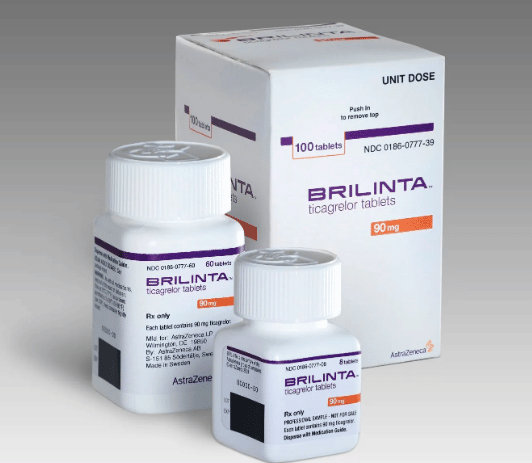
Yes, Brilinta is commonly called a blood thinner, but it is more precisely an antiplatelet medicine. That means it helps stop platelets from sticking together and forming clots. The distinction matters because antiplatelets and anticoagulants have different uses, bleeding risks, and drug interactions. If you have had a heart attack, stroke-related event, or stent procedure, understanding this difference can help you ask clearer questions and notice warning signs sooner.
Key Takeaways
- Plain answer: Brilinta is an antiplatelet blood thinner.
- How it works: It reduces platelet clumping, not blood thickness.
- Main safety issue: Bleeding and bruising can occur.
- Common pairing: Low-dose aspirin is often used with it.
- Stopping matters: Do not stop suddenly without medical guidance.
Is Brilinta a Blood Thinner or an Antiplatelet?
Brilinta belongs to a group called antiplatelet medicines, which many people loosely call blood thinners. Its generic name is ticagrelor. Platelets are tiny blood cell fragments that help form clots after an injury. After plaque rupture or stent placement, platelets can also form dangerous clots inside an artery.
So, is brilinta a blood thinner in everyday language? Yes. In clinical language, it is an antiplatelet, not an anticoagulant. Anticoagulants, such as apixaban, rivaroxaban, or warfarin, work on clotting proteins. Brilinta works on platelet signaling instead.
Ticagrelor blocks a platelet receptor called P2Y12. This reduces platelet activation and makes platelets less likely to clump. Your blood does not become watery or thinner in texture. It simply becomes less able to form certain platelet-driven clots.
Why it matters: Knowing the drug class helps you understand bleeding risk and interaction questions.
For naming context and product navigation, the Ticagrelor page can help you recognize the generic name. If your care team compares antiplatelet choices, you may also see related medicines such as Clopidogrel or Prasugrel.
Why It Is Prescribed After Heart Events or Stents
Clinicians prescribe ticagrelor to lower the chance of clot-related heart and vascular events in selected patients. It is often used after an acute coronary syndrome, such as a heart attack or unstable angina, and after certain stent procedures. A stent is a tiny tube that helps keep an artery open.
After a stent, the artery lining needs time to heal. During that period, platelets may stick to the stent surface and form a clot. That can block blood flow. Brilinta helps reduce this platelet clumping risk while your clinician balances the possible benefit against bleeding risk.
You may hear about Brilinta 90 mg twice a day early after some heart events. Dosing depends on the condition, timing, other medicines, bleeding history, and your prescriber’s plan. Do not adjust the schedule based on general information online. If instructions are unclear, contact the prescribing clinic or pharmacist.
For a broader explanation of treatment goals, see What Brilinta Is Used For. For related heart medication topics, the Cardiovascular category collects additional educational resources.
Side Effects and Bleeding Warnings to Watch For
The most important Brilinta side effects relate to bleeding. Because platelets help stop bleeding, an antiplatelet can make bleeding easier to start and slower to stop. Easy bruising, nosebleeds, and bleeding from small cuts may happen. Some people also report shortness of breath, called dyspnea.
Ticagrelor side effects can feel different from person to person. Mild bruising may be manageable, while black stools or coughing up blood need prompt medical attention. Shortness of breath may appear early for some patients. It can be mild, but it should still be discussed with a clinician, especially if it is new, worsening, or occurs at rest.
Seek urgent care for heavy bleeding that will not stop, vomiting blood, black or tarry stools, sudden weakness on one side, fainting, severe chest pain, or intense shortness of breath. These symptoms may signal a medical emergency. Tell emergency staff that you take an antiplatelet medicine.
Common versus serious symptoms
- Bruising: Often visible on arms or legs.
- Nosebleeds: Report frequent or hard-to-stop episodes.
- Breathlessness: Ask about new or worsening symptoms.
- Dark stools: Treat as a possible bleeding warning.
- Severe headache: Seek prompt evaluation if sudden or unusual.
For a deeper symptom-focused review, see the Brilinta Side Effects resource. Keep a current medication and allergy list on your phone or in your wallet. That simple habit can help clinicians make safer decisions during urgent care.
Aspirin, Statins, Alcohol, and Other Medicines
Brilinta is commonly used with low-dose aspirin in dual antiplatelet therapy. Dual antiplatelet therapy means two platelet-blocking medicines are used together for a period of time. This approach is common after many stent procedures, but the timing and duration depend on personal risk factors.
People often ask whether they can take Brilinta without aspirin. That decision should come from the prescriber, not from symptoms alone. Stopping aspirin too early may raise clot risk for some patients. Continuing it may raise bleeding risk for others. Your clinician weighs both risks using your heart history, stent details, bleeding history, age, and other conditions.
Statins, including atorvastatin, are often prescribed alongside antiplatelets to support cholesterol and artery-health goals. If you wonder whether you can take Brilinta and atorvastatin together, bring a complete medication list to each visit. Include prescription drugs, over-the-counter pain relievers, supplements, and herbal products.
Alcohol deserves caution because it can irritate the stomach and may increase bleeding concerns. Avoid heavy drinking while taking an antiplatelet. If you drink, ask your clinician what limit fits your history, especially if you have ulcers, liver disease, frequent falls, or prior bleeding.
Quick tip: Ask before using NSAID pain relievers like ibuprofen or naproxen.
Some combinations require special review. Brilinta and Eliquis dual therapy, for example, may be considered only in selected situations because layered clot-prevention medicines can raise bleeding risk. For a plain-language comparison of these drug classes, see Brilinta and Eliquis.
How Long It Stays in Your System and Missed Doses
Ticagrelor leaves the body over time, but its effect on platelet function can last beyond the last tablet. This is why procedures, dental work, and surgeries need advance planning. Your care team may give specific instructions about when to hold or restart therapy. Follow that plan exactly.
If you missed 2 doses of Brilinta, do not double up unless your prescriber has given that instruction. Contact the clinic or pharmacist for advice on resuming safely. Missed doses matter because protection against platelet clumping can drop when therapy is interrupted.
How long you take it after a stent varies. Many patients are reassessed around 6 to 12 months, but some stop earlier and others continue longer. The decision depends on bleeding risk, stent history, heart attack risk, and other medical issues. Searches such as stopping Brilinta after 1 year or stopping Brilinta after 2 years reflect real decision points, but the safest answer is individualized.
Before any planned procedure, tell the surgeon, dentist, or procedural team that you take ticagrelor. Also ask who will coordinate the plan: the cardiologist, surgeon, dentist, or primary care clinician. Clear ownership reduces mixed messages.
How It Compares With Other Blood Thinners
Brilinta is not the same type of blood thinner as Eliquis or Xarelto. Brilinta affects platelets. Eliquis and Xarelto affect clotting factors. Both categories can reduce clot risk in the right setting, but they are used for different reasons and carry different interaction concerns.
Plavix, whose generic name is clopidogrel, is more similar to Brilinta because both are P2Y12 antiplatelets. They still differ in how they are processed in the body, how they are prescribed, and which patients may be better suited to each. There is no universal “best” blood thinner. The better choice depends on the reason for treatment, bleeding risk, other medicines, and prior procedures.
For a focused antiplatelet comparison, read Brilinta vs Plavix. If your care team is discussing a change, the Brilinta Alternatives page can help you understand the kinds of options that may come up in conversation.
Questions to ask before switching
- Reason for change: Is bleeding, cost, or effectiveness the concern?
- Stent history: Does my procedure affect timing?
- Other medicines: Which combinations raise bleeding risk?
- Stop date: When will therapy be reassessed?
- Warning signs: Which symptoms should prompt urgent care?
Food, Lifestyle, and Daily Safety Habits
There is no single food that everyone must avoid while taking ticagrelor. The practical goal is to reduce avoidable bleeding risks and support heart health. Limit heavy alcohol use, avoid starting supplements without review, and ask before using over-the-counter anti-inflammatory pain medicines.
Good daily habits can prevent confusion later. Use one medication list, carry it to appointments, and update it after every change. Tell dentists and procedural teams about Brilinta before cleanings, extractions, injections, or surgery. If you fall or hit your head, seek medical advice promptly, even if you feel okay at first.
Heart-healthy eating also supports the larger treatment plan. Emphasize balanced meals, label awareness, and sodium moderation if your clinician recommends it. If you have kidney disease, diabetes, or heart failure, ask whether you need individualized nutrition guidance.
If you are reviewing access options, BorderFreeHealth connects U.S. patients with licensed Canadian partner pharmacies. When prescription verification is required, details are checked with the prescriber before the pharmacy dispenses. These service details do not replace clinical review, but they may help you understand the role of documentation when comparing cash-pay options without insurance.
Authoritative Sources
For official medication details, the DailyMed ticagrelor label listings provide regulator-submitted prescribing information and safety language.
For patient-focused drug precautions, MedlinePlus information on ticagrelor summarizes warnings, side effects, and interaction considerations.
For professional context on dual antiplatelet duration, the ACC/AHA focused update on dual antiplatelet therapy discusses clinician decision factors after coronary stenting.
Recap
Is brilinta a blood thinner? In everyday terms, yes. More precisely, it is an antiplatelet medicine that helps stop platelets from clumping. That action can reduce certain clot-related risks, especially after heart events or stent procedures, but it can also increase bleeding risk.
The most useful next step is not to memorize every drug comparison. Instead, know your reason for taking it, your planned reassessment date, your warning signs, and which medicines or procedures require a call to your care team. Bring those questions to visits so decisions stay connected to your personal risk profile.
This content is for informational purposes only and is not a substitute for professional medical advice.


