
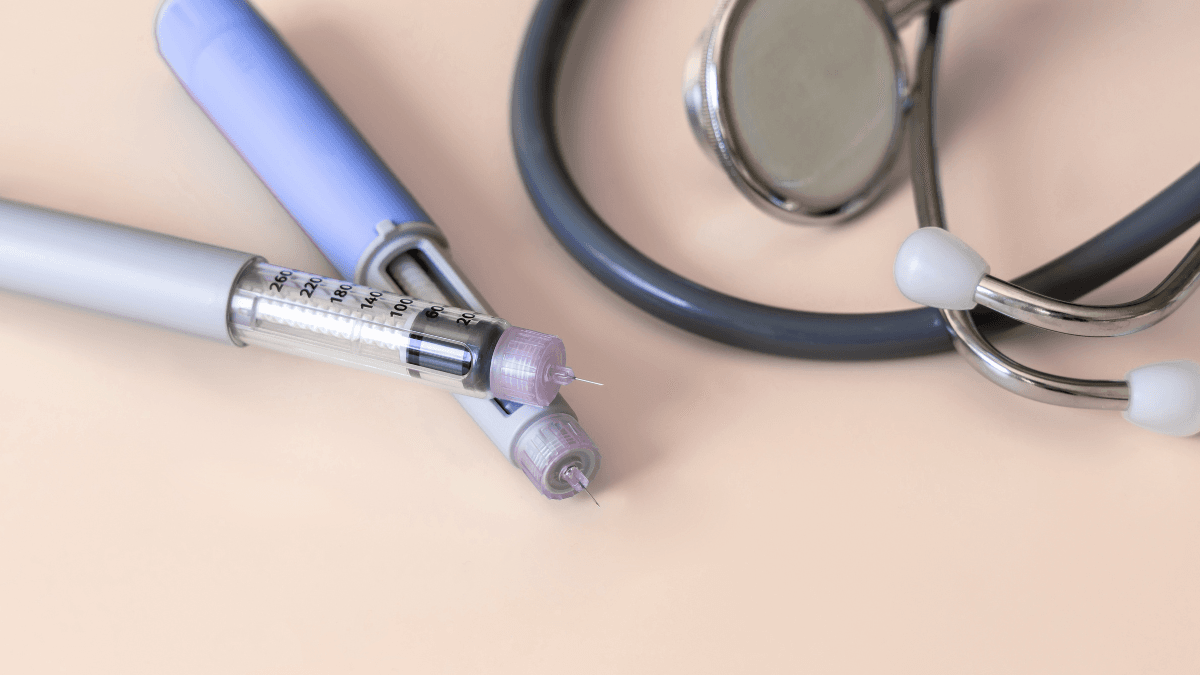
Levemir vs Lantus comes down to the same basic job with different practical details. Both are long-acting basal insulins used to provide background insulin, but Lantus often lasts closer to a full day while Levemir can wear off sooner and may be used once or twice daily. That difference can affect fasting glucose, overnight lows, injection timing, and how a clinician plans a safe switch.
This article can help you prepare better questions for your prescriber. It does not replace individualized dosing advice, especially if you use mealtime insulin, have frequent hypoglycemia, are pregnant, have kidney disease, or are changing from another insulin type.
Key Takeaways
- Same role: Both medicines are basal insulin analogs for background glucose control.
- Different duration: Glargine often provides steadier 24-hour coverage; detemir may be shorter.
- Dosing may differ: Lantus is commonly once daily, while Levemir may be once or twice daily.
- Switching needs oversight: Conversion plans should consider glucose logs, hypoglycemia risk, and other insulin use.
- Access can change: Glargine follow-ons and ultra-long options may be discussed when Levemir access is limited.
How These Basal Insulins Compare
Levemir and Lantus are not identical, even though both cover basal insulin needs. Lantus is insulin glargine U-100. Levemir is insulin detemir U-100. They are designed to reduce the sharp peaks seen with older insulins and help keep glucose more stable between meals and overnight.
The main clinical difference is how long the effect lasts in day-to-day use. Many adults use glargine once daily. Detemir may last up to 24 hours at some doses, but its duration is more dose-dependent. In practice, many people need split dosing with detemir to avoid late-day or overnight gaps.
| Feature | Lantus | Levemir |
|---|---|---|
| Generic name | Insulin glargine U-100 | Insulin detemir U-100 |
| Main role | Basal background insulin | Basal background insulin |
| Usual onset | About 1 to 2 hours | About 1 to 2 hours |
| Peak pattern | No pronounced peak | No pronounced peak |
| Duration pattern | Often close to 24 hours | About 12 to 24 hours, dose-dependent |
| Common schedule | Often once daily | Once or twice daily |
For a broader explanation of basal, bolus, and premixed insulin, see Types of Insulin. If your current plan includes glargine, Lantus Insulin Uses provides more brand-specific context.
Why it matters: A longer or shorter basal effect can change fasting readings without changing meals.
Dosing Patterns and Safe Conversion Questions
Levemir vs Lantus dosing is usually about timing, total daily basal insulin, and safety monitoring. Many clinicians start by reviewing recent fasting readings, overnight lows, A1C, meal patterns, kidney function, and other glucose-lowering medicines. That review matters because two people on the same number of units can respond very differently.
Some switching plans use a similar total daily basal dose as a starting reference, but that is not a universal rule. A clinician may lower the starting dose if hypoglycemia risk is high, if glucose readings have been trending low, or if other medications increase insulin sensitivity. They may also adjust timing when moving from twice-daily detemir to once-daily glargine.
People often search for an insulin conversion calculator because they want a clean number. A calculator can support basic math, but it cannot judge clinical risk. It does not know whether you skipped meals, had recent lows, changed activity, started steroids, or developed kidney changes. Use any calculation only as a discussion aid with your care team.
If you track glucose in different units, this converter can help you compare readings in mg/dL and mmol/L. It is a unit-conversion tool only, not a dosing tool.
Blood Glucose Unit Converter
Convert glucose readings between mg/dL and mmol/L without changing the clinical value.
These calculations are for education only and do not replace clinical advice, diagnosis, or treatment. Always confirm medical decisions with a qualified healthcare professional.
Common conversion questions include moving from Levemir to Lantus, glargine to a follow-on glargine, or basal insulin to a premixed product. Premixed insulin is especially different because it combines basal and meal-related coverage. It should not be treated as a direct one-for-one basal substitute without clinician guidance.
Questions to ask before switching
- Starting dose: Ask how the first dose was chosen.
- Timing plan: Clarify morning, evening, or split timing.
- Low-glucose plan: Review when to treat and when to call.
- Follow-up window: Ask when to share logs.
- Other medicines: Confirm if mealtime insulin or tablets change.
People also ask whether they can take Levemir and Lantus together. In routine care, two long-acting basal insulins are not usually combined because their actions overlap. If both appear on a medication list, confirm whether one is being stopped, replaced, or used during a supervised transition.
Duration, Fasting Glucose, and Daily Timing
Levemir vs Lantus duration of action can explain why glucose patterns change after a switch. If basal insulin fades before the next dose, fasting or late-day readings may rise. If basal insulin coverage is too strong overnight, morning lows may occur. These patterns are more useful than one isolated reading.
Glargine U-100 is often described as having a relatively flat profile over about 24 hours. Detemir also has a flatter basal profile than older intermediate-acting insulin, but its duration can vary more by dose and person. Lower detemir doses may not last as long, which is one reason twice-daily dosing is common in some adults.
Timing consistency matters with both medicines. A dose taken at very different times each day can make readings harder to interpret. Illness, alcohol, missed meals, unusual exercise, and changes in weight can also shift insulin needs. If you use a continuous glucose monitor, overnight trend arrows and time-in-range can help your clinician see whether a timing issue is present.
Quick tip: Keep seven days of fasting, bedtime, and low-glucose notes after any planned basal change.
If you are comparing pen devices as part of timing and routine, Types of Insulin Pen explains common handling differences. Device comfort cannot replace clinical fit, but it can affect consistency.
Side Effects, Weight, and Hypoglycemia Risk
Lantus vs Levemir side effects overlap because both are insulin products. The most important risk is hypoglycemia, or low blood glucose. Symptoms may include shakiness, sweating, confusion, hunger, fast heartbeat, or weakness. Severe low glucose can be dangerous and needs urgent help if a person cannot swallow safely, has a seizure, or loses consciousness.
Injection-site reactions can also occur. These may include redness, itching, swelling, or small lumps under the skin. Rotating injection sites helps reduce lipodystrophy, a change in fatty tissue that can make insulin absorption less predictable. Avoid injecting into hardened or pitted areas unless your clinician gives specific guidance.
Weight change is another common concern. Some studies and reviews have suggested detemir may be associated with slightly less weight gain than glargine in certain groups, though results vary. Weight changes also depend on glucose improvement, calories, activity, hypoglycemia treatment, and other medicines. A registered dietitian can help if insulin changes lead to repeated lows, compensatory snacking, or unwanted weight shifts.
Seek medical advice promptly for repeated unexplained lows, allergic symptoms, severe injection-site reactions, or major changes in glucose after a switch. Do not stop basal insulin suddenly unless a clinician tells you to, because very high glucose and ketoacidosis can occur, especially in type 1 diabetes.
Interchangeability, Access, and Related Options
Levemir and Lantus are different molecules, so they are not automatically interchangeable in the way that term is used for certain biosimilars. A pharmacist generally needs prescriber direction to change from detemir to glargine or to another basal insulin. Even when the switch is clinically common, the plan should include dosing, timing, and monitoring details.
Access has become a bigger issue for many people who used detemir. If Levemir is unavailable or no longer preferred by a plan, clinicians may consider glargine products, biosimilar or follow-on glargine options, or ultra-long basal insulin. The right alternative depends on the person’s diagnosis, glucose pattern, prior lows, device needs, coverage, and prescriber judgment.
Basaglar is a glargine product, so its action profile is generally closer to Lantus than to detemir. If you are comparing glargine formats, the Lantus SoloStar page and Basaglar Cartridge page can help you review device formats. Use product pages for identification and handling context, not as dosing instructions.
Ultra-long insulin may also come up during access discussions. Degludec has a longer duration than detemir or glargine U-100, which can affect timing flexibility and conversion planning. For a focused comparison, see Levemir vs Tresiba.
BorderFreeHealth connects U.S. patients with licensed Canadian partner pharmacies. Where required, prescription details are verified with the prescriber before the pharmacy dispenses. For people without insurance, cash-pay cross-border prescription options may be available, subject to eligibility and jurisdiction.
When Other Insulin Types Enter the Conversation
Other insulin types are not direct substitutes for basal insulin. Intermediate-acting insulin, such as NPH, has a more noticeable peak and a shorter duration than many basal analogs. That peak can be useful in some plans, but it can also change hypoglycemia risk and meal timing needs.
If NPH is being discussed because of access or cost, ask how its peak should be managed. You may need a different monitoring schedule than with glargine or detemir. For background on this older insulin category, see Intermediate-Acting Insulin.
Premixed insulin, such as 70/30 products, is another separate category. It combines an intermediate component with a shorter-acting component. That means it can cover both background needs and meal-related glucose in a fixed ratio. Because the ratio is fixed, it offers less flexibility than separate basal and bolus dosing for some people.
People searching for a Lantus to 70/30 conversion calculator or an NPH to Lantus conversion calculator should be cautious. These switches change more than the number of units. They can change meal timing, low-glucose risk, and how corrections are handled. A clinician should write the conversion plan and explain what readings to report.
Practical Monitoring After a Basal Insulin Change
The first week after a planned basal switch is about pattern recognition, not chasing every single reading. Your care team may ask for fasting values, bedtime readings, overnight lows, and notes about unusual meals or activity. If you use mealtime insulin, they may also want pre-meal readings.
Example: A person moving from twice-daily detemir to once-daily glargine may notice better late-day coverage, but also a different overnight pattern. Another person may feel the morning dose timing no longer fits work or meal schedules. These situations do not mean the switch failed. They mean the plan may need careful adjustment.
Do not change doses on your own based only on one high or low value unless your clinician has given a written adjustment plan. Instead, document the pattern and share it. Include missed doses, alcohol, illness, steroids, exercise, menstrual-cycle changes, and changes in appetite. These details can explain readings that look random.
For condition-level browsing, the Diabetes collection groups related educational topics. You can also browse condition pages for Type 1 Diabetes and Type 2 Diabetes to see related medication categories and navigation options.
Authoritative Sources
For label-backed details on glargine indications, warnings, and administration, review DailyMed information for Lantus.
For detemir labeling, including dosing and safety information, see DailyMed information for Levemir.
For broader diabetes medication standards and insulin safety context, consult the American Diabetes Association Standards of Care.
Levemir vs Lantus is best understood as a practical comparison of duration, dosing schedule, safety monitoring, and access. Bring glucose logs and a clear medication list to your next visit, especially if a formulary change or supply issue is forcing a switch.
This content is for informational purposes only and is not a substitute for professional medical advice.


