

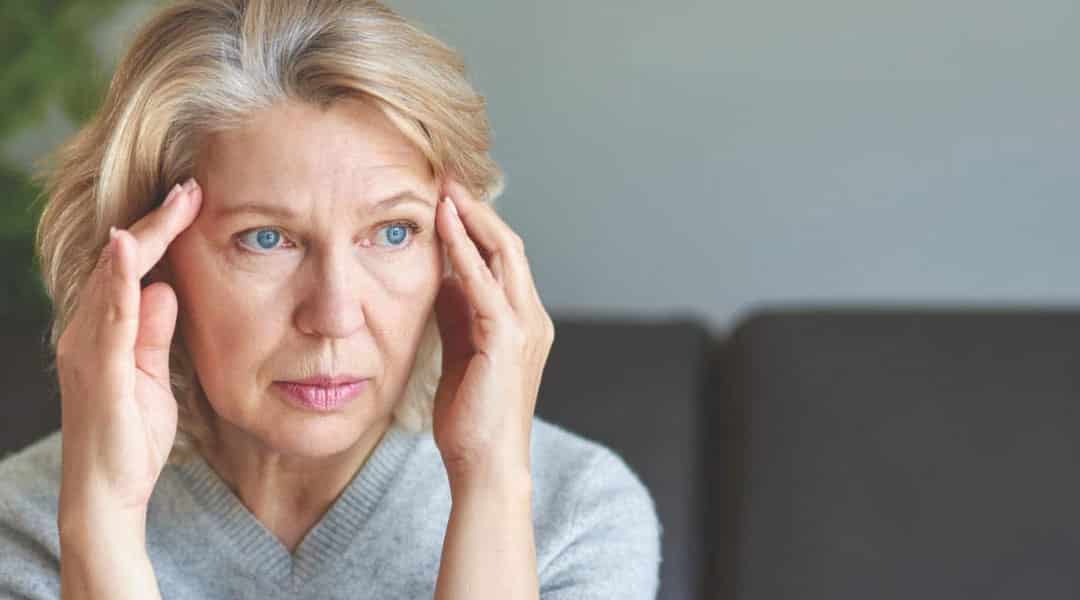
Stress and aging are linked because prolonged stress can keep the body in a high-alert state, raising inflammation, disrupting sleep, and adding wear across several systems. This does not mean every hard season permanently ages you. It does mean recovery time, support, and safer daily routines matter for long-term health.
Researchers now study biological aging with tools such as epigenetic clocks, which estimate age-related DNA methylation patterns. These tools are imperfect, but they help show how life events may leave measurable marks. For background on the science of gene regulation, the National Human Genome Research Institute offers a clear overview of epigenomics and human health.
Key Takeaways
- Chronic strain adds load: Long-lasting stress can affect hormones, immunity, sleep, and metabolism.
- Symptoms vary widely: Warning signs can be physical, emotional, cognitive, or behavioural.
- Recovery is possible: Some stress-related biological changes may improve when stressors ease.
- Small habits matter: Sleep, movement, therapy, and social support can reduce allostatic load.
- Context matters too: Unsafe housing, discrimination, caregiving strain, and poverty need more than individual coping tips.
How Stress and Aging Connect Biologically
Stress affects aging when short-term survival responses stay switched on too often. The hypothalamic-pituitary-adrenal axis, often called the HPA axis, releases cortisol to help you respond to a threat. In brief bursts, this response can be useful. When pressure lasts for weeks or months, the same system can disturb sleep, blood sugar control, immune balance, and tissue repair.
Scientists often describe this burden as allostatic load, meaning cumulative wear from repeated adaptation. A person may look functional on the outside while their body keeps paying the cost. That cost can show up as fatigue, higher blood pressure, poorer concentration, more pain flares, or slower recovery after illness.
At the cell level, researchers study several overlapping markers. Telomeres are protective endcaps on chromosomes, and shorter telomeres are associated with aging in many studies. Inflammation, DNA damage responses, cellular senescence, and mitochondrial function also matter. Epigenetic clocks add another lens by estimating biological age from DNA methylation patterns.
Why this matters: biological aging is not one number or one destiny. It reflects many inputs, including sleep, movement, trauma history, diet quality, pollution exposure, infection, relationships, and access to care. For a broader primer on stress pathways, see our deeper discussion of The Science Of Stress.
What Is Chronic Stress?
Chronic stress is ongoing pressure that continues without enough recovery. It differs from acute stress, which is short-lived and usually resolves after the challenge passes. A difficult conversation, a near-miss in traffic, or a deadline can trigger acute stress. Chronic stress is more like living under a demand that keeps returning.
Common examples include caregiving strain, job insecurity, debt, unsafe housing, discrimination, long-term conflict, chronic illness, or repeated exposure to trauma reminders. Some people face several of these at once. The nervous system may then adapt to a high-alert baseline, making calm feel unfamiliar or short-lived.
Chronic stress is not always a formal diagnosis by itself. It can overlap with anxiety disorders, depression, post-traumatic stress disorder, substance use concerns, insomnia, or burnout. It can also develop around medical conditions that require constant planning and vigilance.
If you are trying to name what is happening, focus on duration, intensity, and recovery. Stress becomes more concerning when it lasts for weeks, affects daily functioning, changes sleep or appetite, or makes you feel trapped. Our Mental Health collection gathers related topics in one browseable place: Mental Health.
Five Warning Signs of Chronic Stress
Chronic stress symptoms often appear in clusters, not as one clear signal. Many people first notice irritability or poor sleep, then realize their body has been tense for months. Others notice digestive changes, headaches, or repeated illness before they connect the dots.
- Sleep disruption: Trouble falling asleep, early waking, or unrefreshing rest.
- Body tension: Headaches, jaw clenching, neck tightness, or unexplained aches.
- Mood changes: Irritability, sadness, numbness, worry, or feeling easily overwhelmed.
- Thinking problems: Poor focus, forgetfulness, racing thoughts, or decision fatigue.
- Behaviour shifts: More alcohol, nicotine, emotional eating, withdrawal, or constant scrolling.
These signs do not prove that stress is the only cause. Thyroid disease, anemia, sleep apnea, medication effects, chronic pain, and other conditions can look similar. If symptoms are new, severe, or worsening, a clinician can help rule out medical causes.
Stress can also affect the gut-brain axis, the two-way communication between the digestive tract and nervous system. Some people notice bloating, cramps, urgency, or appetite changes during prolonged strain. For more on that pattern, read Stress And IBS Symptoms.
Can Stress Aging Be Reversed?
Some stress-related aging signals may improve, especially when major stressors ease and recovery becomes consistent. That is the hopeful part. The cautious part is that no routine test can promise a personal reversal timeline, and biological aging is shaped by many factors beyond stress alone.
Research on epigenetic age suggests that biological age can be more flexible than once assumed. Short-term changes have been reported after major stressors and after recovery periods. Still, different epigenetic clocks can give different estimates, and the field is still refining what each result means for everyday health decisions.
It is also important to separate visible changes from deeper biology. A stress aging face may reflect sleep loss, dehydration, inflammation, skin barrier disruption, sun exposure, smoking, or alcohol use. Better sleep, sun protection, hydration, and less alcohol can improve appearance for some people. That does not mean a cream or supplement can erase chronic adversity.
Brain-related recovery deserves the same balanced approach. Chronic stress may affect memory, attention, emotional regulation, and hippocampal function, but the brain remains adaptable. Therapy, exercise, social connection, sleep treatment, and safer routines may support recovery. If trauma, depression, or anxiety are present, professional support often matters more than willpower.
Quick tip: Track two habits for two weeks, such as bedtime and daily movement.
For practical coping ideas, our stepwise article on Manage Anxiety Tips can help you build a simpler starting plan.
Recovery Steps That Reduce the Load
The most useful plan targets recovery capacity, not perfection. If stress and aging are connected through repeated wear, then the goal is to reduce the number of daily stress activations and improve how well the body returns to baseline.
Protect sleep first
Sleep is one of the strongest recovery signals you can influence. A consistent wake time, morning light, a wind-down routine, and a cooler bedroom can help. If snoring, gasping, restless legs, nightmares, or severe insomnia are present, ask a clinician about evaluation rather than forcing more sleep hygiene.
Move in small, repeatable ways
Movement helps regulate stress hormones, mood, blood pressure, glucose handling, and sleep. You do not need an intense routine to start. Short walks, gentle cycling, stretching, resistance bands, or stair breaks can be useful. Choose activities that feel safe for your body and circumstances.
Use support, not isolation
Stress becomes more harmful when people carry it alone. Support may include therapy, peer groups, trusted friends, faith communities, legal aid, financial counselling, or workplace accommodations. When stress comes from unsafe systems, individual breathing exercises are not enough. Practical protection and advocacy matter.
Reduce avoidable strain
Some stressors cannot be removed quickly, but small reductions still count. You might simplify decisions, automate one bill, prepare a basic meal plan, mute hostile notifications, or schedule one protected rest block. These actions lower friction, which can make healthier choices easier.
Brain health also benefits from steady, long-term habits rather than dramatic resets. Our article on Lifelong Brain Care covers daily protective routines across adulthood.
How Long Does Chronic Stress Recovery Take?
Recovery time depends on how long the stress lasted, how intense it was, and whether the source is still present. A person recovering from a short workplace crunch may rebound faster than someone facing years of caregiving, trauma, housing instability, or chronic illness.
Some symptoms can improve within days or weeks when sleep and safety improve. Other patterns, such as burnout, trauma responses, depressed mood, or persistent insomnia, may need longer support. Recovery is often uneven. You may feel better for several days, then flare after a reminder, conflict, or poor night of sleep.
A helpful question is not only “How long will this take?” but “What is still keeping my body on alert?” Ongoing threats, untreated pain, financial insecurity, isolation, and unresolved trauma can keep the stress response active. Addressing those drivers is part of health care, not a personal failure.
Seek prompt support if stress comes with thoughts of self-harm, chest pain, fainting, severe shortness of breath, confusion, new neurological symptoms, or feeling unable to stay safe. If symptoms interfere with work, caregiving, sleep, or relationships, a mental health professional or primary care clinician can help you sort the next step.
Research Limits and What to Watch Next
Stress biology research is moving quickly, but it still has limits. Many studies show associations, meaning stress and aging markers move together. That does not always prove that stress alone caused every change. Genetics, income, childhood adversity, sleep, infection, nutrition, and environmental exposures can all influence results.
Epigenetic clocks are useful research tools, but they are not simple scorecards for daily choices. Different clocks were built for different outcomes. One may estimate chronological age closely, while another may relate more to disease risk or mortality patterns. A single test result should not be treated as a diagnosis.
That said, the broad pattern is consistent enough to take seriously. Chronic strain can affect immune aging, inflammation, metabolic health, mood, cognition, and recovery. Reducing stress load is not cosmetic self-improvement. It is preventive care, especially for people who have carried pressure for years.
For updates on emerging studies and methods, browse the Research category. For a seasonal reminder to check in on mental well-being, see National Stress Awareness Month.
Authoritative Sources
The National Human Genome Research Institute explains how epigenomic changes influence gene activity in its overview of epigenomics and human health.
MedlinePlus summarizes common stress effects, symptoms, and coping basics in its plain-language resource on stress and overall health.
A peer-reviewed review in the National Library of Medicine discusses biological pathways linking chronic stress with accelerated aging in chronic stress and aging research.
Recap
Stress and aging connect through hormones, inflammation, sleep, immunity, and cellular repair. Chronic stress can increase biological wear, but many recovery pathways remain changeable. The best next step is not a dramatic anti-aging plan. It is a realistic reduction in load, paired with rest, support, movement, and care when symptoms persist.
This content is for informational purposes only and is not a substitute for professional medical advice.


