
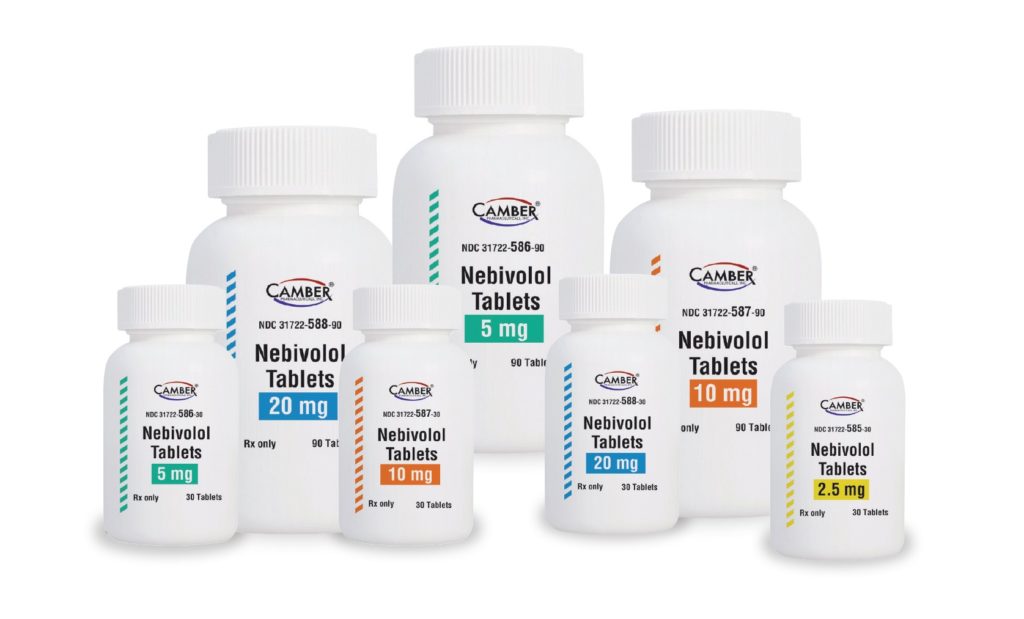
Nebivolol vs Bystolic is mainly a brand-versus-generic question, not a comparison between two unrelated medicines. Bystolic is the brand name, and nebivolol is the active ingredient. Both refer to a beta blocker used for high blood pressure. The practical differences usually involve the label, manufacturer, inactive ingredients, insurance or pharmacy substitution, and how your body responds after a refill change.
That distinction matters because many people worry they received a weaker or stronger drug when the bottle changes. In most cases, the active medicine is the same. The safer next step is to compare the generic name, strength, tablet appearance, and refill history before assuming the treatment plan changed.
Key Takeaways
- Bystolic is the brand name for nebivolol.
- Generic nebivolol and Bystolic contain the same active ingredient.
- Side effects and major warnings are broadly similar.
- Tablet appearance and inactive ingredients can differ between manufacturers.
- Beta blockers should not usually be stopped suddenly without prescriber guidance.
Is Nebivolol the Same as Bystolic?
Yes, nebivolol is the generic name for the active ingredient in Bystolic. If your prescription bottle says nebivolol after previously saying Bystolic, the pharmacy may have dispensed the generic version of the same medication. This can feel surprising, especially if the pill looks different from your last refill.
Generic medicines approved by regulators are expected to contain the same active ingredient and meet standards for quality, strength, and performance. That does not mean every tablet is visually identical. Color, shape, markings, fillers, dyes, and the company making the tablet may vary.
For most people, those differences do not change the expected treatment effect. For some, inactive ingredients or a change in tablet appearance can still matter. A person may notice new symptoms, worry about a different-looking pill, or have allergies or sensitivities to certain excipients (inactive ingredients). If that happens, the refill label and manufacturer name can help a pharmacist or clinician review the change.
Why it matters: A different-looking tablet may still contain the same active medicine.
Brand, Generic, and Refill Differences at a Glance
The difference between nebivolol and Bystolic is easiest to understand by separating active-drug issues from pharmacy-label issues. The active ingredient is the same. The surrounding details may differ.
| Comparison Point | Nebivolol | Bystolic | What It Means |
|---|---|---|---|
| Name on label | Generic name | Brand name | The label may change even when the active medicine does not |
| Active ingredient | Nebivolol | Nebivolol | Same drug substance |
| Drug class | Beta blocker | Beta blocker | Both reduce beta-receptor stimulation |
| Common use | High blood pressure | High blood pressure | Same general role in hypertension care |
| What may vary | Manufacturer, tablet look, inactive ingredients | Brand formulation and labeling | These details can affect recognition or tolerability |
So, which is better, Bystolic or nebivolol? The name alone usually does not decide that. A better question is whether the same active ingredient and strength were dispensed, whether you tolerated one manufacturer better, and whether your prescriber requested a specific version for a documented reason.
For readers who want a brand-focused backgrounder, our What Is Bystolic page explains the brand name in more detail. If you are comparing refill options, the Nebivolol and Bystolic pages can help you recognize how product listings separate generic and brand names.
BorderFreeHealth connects U.S. patients with licensed Canadian partner pharmacies, which can be relevant when people are comparing how a prescription is listed or dispensed.
How Nebivolol Works in Blood Pressure Care
Nebivolol is a beta blocker, a medicine class that reduces the effect of adrenaline-like signals on the heart. It is often described as beta-1 selective, meaning it mainly targets beta-1 receptors in the heart at usual therapeutic use. This can slow heart rate and reduce how hard the heart has to pump.
Nebivolol may also help blood vessels relax through effects related to nitric oxide, a signaling molecule involved in vessel widening. The practical goal is lower blood pressure and less strain on the cardiovascular system. That said, blood pressure care is rarely about one medicine in isolation.
A clinician may choose a beta blocker when slowing the heart rate is part of the treatment goal. In other situations, another blood pressure medicine class may be preferred first, depending on age, kidney health, other conditions, and the wider cardiovascular plan. That is one reason people sometimes hear that nebivolol is less preferred for uncomplicated hypertension. It is not necessarily a judgment that the drug is poor. It may reflect guideline priorities, the reason for treatment, or the evidence base for other beta blockers in certain heart conditions.
Home blood pressure readings can make follow-up discussions more concrete. This calculator can help average multiple readings for a general trend, but it does not diagnose a condition or replace clinical judgment.
Blood Pressure Average Calculator
Average home blood pressure readings and show a simple screening range.
These calculations are for education only and do not replace clinical advice, diagnosis, or treatment. Always confirm medical decisions with a qualified healthcare professional.
Where This Medicine Fits
Nebivolol for high blood pressure may be used alone or with other medicines, depending on the treatment plan. Some people take a beta blocker because of heart rate concerns, prior cardiovascular history, or intolerance to other options. Others may be better served by a different class.
If the main question is Nebivolol vs Bystolic, the first answer is about naming. If the deeper question is whether a beta blocker is the right medication, the answer depends on your diagnosis, pulse, blood pressure pattern, other prescriptions, and health history.
Side Effects and Safety Questions
Nebivolol vs Bystolic side effects are expected to be similar because the active ingredient is the same. Commonly discussed effects include fatigue, dizziness, headache, nausea, diarrhea, lightheadedness, cold hands or feet, and a slower-than-usual pulse. Some people also report sleep changes or sexual side effects, though individual experiences vary.
More serious symptoms need prompt attention. Fainting, chest pain, severe shortness of breath, new wheezing, sudden swelling, or symptoms of a very slow heartbeat should not be treated as a routine refill concern. People with diabetes should also know that beta blockers can mask some warning signs of low blood sugar, such as a racing heartbeat.
There is no single safest beta blocker for everyone. Safety depends on the condition being treated, baseline heart rate, blood pressure, lung disease, diabetes, circulation problems, liver function, and the rest of the medication list. A medication that fits one person well may be a poor fit for another.
For a deeper look at brand-specific tolerability questions, see Bystolic Side Effects. If alcohol is part of your routine, Bystolic and Alcohol explains why dizziness and blood pressure effects can become harder to interpret.
Warnings That Deserve Extra Caution
Nebivolol warnings commonly focus on heart rate, blood pressure, breathing symptoms, diabetes monitoring, and abrupt discontinuation. Beta blockers should not usually be stopped suddenly unless a clinician directs the change. Sudden withdrawal can worsen heart-related symptoms in some people.
Extra caution may be needed with asthma or chronic obstructive pulmonary disease, certain heart conduction problems, severe circulation issues, diabetes, liver disease, or a history of very slow pulse. These conditions do not automatically rule out nebivolol, but they do change the monitoring conversation.
Quick tip: Keep a dated list of refills, manufacturers, symptoms, and home readings.
Interactions, Contraindications, and Refill Checks
Nebivolol can interact with other medicines that lower blood pressure, slow heart rate, or affect how the body processes the drug. Examples may include certain calcium channel blockers, heart-rhythm medicines, and some antidepressants. Over-the-counter cold remedies, stimulant-like products, and alcohol may also complicate dizziness or blood pressure symptoms.
Contraindications (situations where a drug should not be used) and precautions depend on the official label and a person’s medical history. This is why a complete medication review matters. A prescriber or pharmacist needs to know about prescription medicines, supplements, nonprescription products, and recent changes.
When prescription details require clarification, partner pharmacies may verify information with the prescriber before dispensing. That verification step is about accuracy, not choosing a medication for you.
- Label check: compare generic name and strength.
- Manufacturer check: note the company on the bottle.
- Pulse pattern: record unusually slow readings.
- Symptom timing: note when dizziness appears.
- Medication list: include supplements and cold remedies.
- Breathing history: mention asthma, COPD, or wheezing.
If a refill feels different, timing matters. New symptoms may relate to the refill, but they may also reflect dehydration, illness, missed doses, new medicines, alcohol use, or changing blood pressure patterns. Documenting the timeline helps your care team sort out the likely cause.
How It Compares With Other Heart and Blood Pressure Medicines
Nebivolol and Bystolic should not be grouped with every cardiovascular medicine as if they all do the same job. Beta blockers affect heart rate and the heart’s response to stress hormones. Anticoagulants and antiplatelet medicines, by contrast, focus on clot-related risk. Cholesterol medicines target lipids. Each class has a different purpose.
Other beta blockers can also differ from nebivolol. For example, metoprolol, bisoprolol, atenolol, and carvedilol have different selectivity profiles, approved uses, and evidence histories for particular heart conditions. That does not make one universally stronger or safer. It means the best comparison depends on why the medicine was prescribed.
If you are comparing beta blocker options, Bystolic vs Metoprolol explains a common same-class comparison. For a broader discussion of possible substitutes or different classes, Bystolic Alternatives may help you frame questions for a clinician.
Why Nebivolol May Seem Less Preferred
Nebivolol may seem less preferred because beta blockers are not always the first medication class chosen for uncomplicated high blood pressure. Many treatment plans start with other classes, depending on patient factors and guideline priorities. In some heart conditions, clinicians may also choose beta blockers with more established evidence for that specific use.
This does not mean nebivolol is ineffective. It means medication choice depends on the diagnosis, heart rate goals, side effect concerns, other illnesses, and what outcomes the clinician is targeting. Nebivolol generic vs Bystolic is a naming and access question; nebivolol vs another beta blocker is a clinical-fit question.
Practical Questions Before a Switch
A switch from Bystolic to nebivolol often happens because a generic version is available, a plan or pharmacy substitutes it, or the prescriber allows generic dispensing. If the switch is unexpected, start with the label. Confirm the active ingredient, strength, prescriber name, and directions.
Then look at your own pattern. Did symptoms start after the refill, or were they present before? Did another medicine change? Were there missed doses, dehydration, illness, or alcohol use? Did blood pressure readings trend lower or higher? These details make the conversation safer and more useful.
People without insurance may also ask about cash-pay, cross-border prescription options, subject to eligibility and jurisdiction. That access question is separate from whether brand or generic nebivolol is clinically appropriate.
If you use category pages for navigation, the Cardiovascular Hub collects related educational content. The Cardiovascular Products category can help you browse medication listings by class or condition area without treating those listings as personal recommendations.
The clearest takeaway is simple: Bystolic is branded nebivolol, and generic nebivolol contains the same active ingredient. The decision that matters most is whether nebivolol itself fits your treatment goal, safety profile, and medication plan.
Authoritative Sources
- For official prescribing details, see the FDA Bystolic prescribing information.
- For patient-level medication safety basics, review the Mayo Clinic nebivolol monograph.
- For class-level blood pressure context, read the American Heart Association medication overview.
This content is for informational purposes only and is not a substitute for professional medical advice.


