
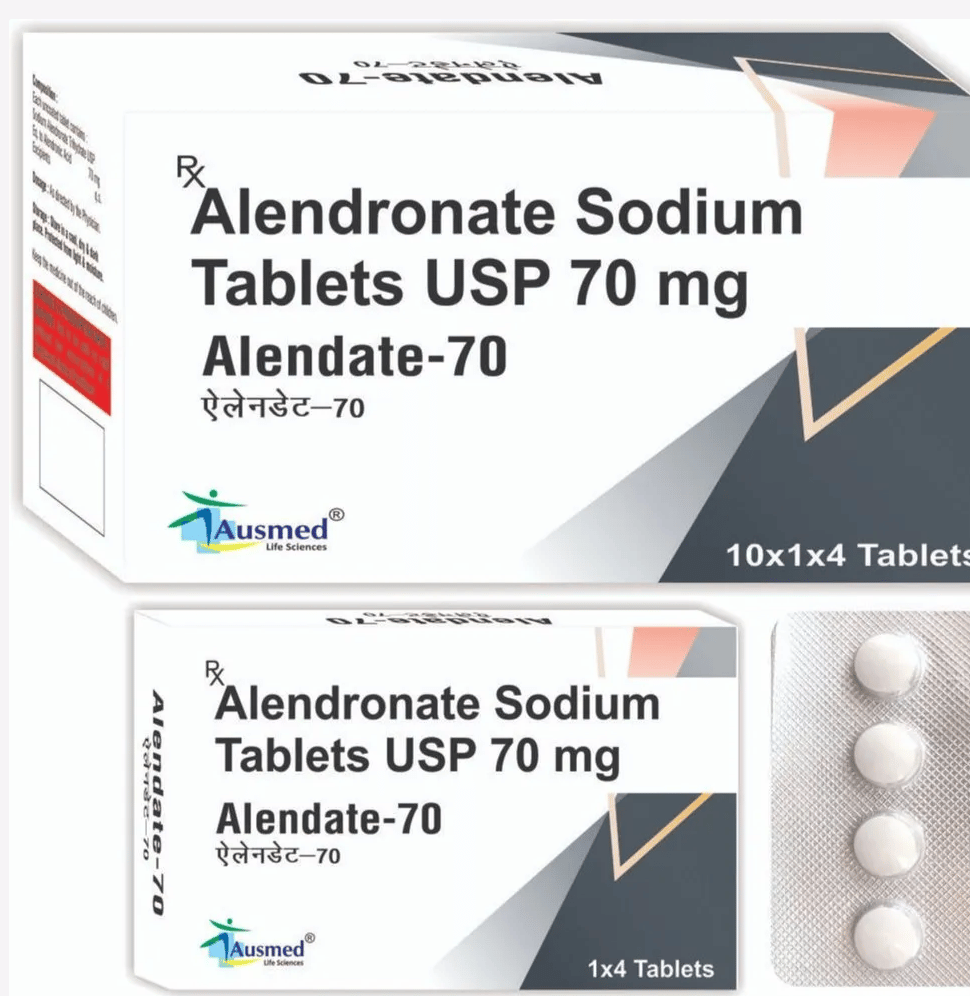
Alendronate is used mainly to treat or prevent osteoporosis, a condition that makes bones thinner and easier to break. If you are asking what is alendronate used for, the short answer is fracture prevention: it helps slow bone breakdown so the spine, hip, and other bones may stay stronger over time. It is also used for some people with glucocorticoid-related bone loss and for Paget’s disease of bone.
That goal matters because osteoporosis often stays quiet until a fracture happens. A medicine plan should fit your fracture risk, medical history, routine, and comfort with possible side effects. This article explains where alendronate fits, how to take it safely, what to watch for, and how to discuss alternatives with your clinician.
Key Takeaways
- Primary use: Alendronate helps lower fracture risk in osteoporosis.
- Drug class: It is a bisphosphonate, which slows bone breakdown.
- Weekly routine: Many people take it once weekly because it binds to bone.
- Technique matters: Take it with plain water and stay upright.
- Safety signals: Report swallowing pain, severe heartburn, jaw problems, or new thigh pain.
Where Alendronate Fits in Bone Health Care
Alendronate is a bisphosphonate, a medicine class that reduces bone resorption, meaning the breakdown and removal of old bone. Clinicians commonly prescribe it for postmenopausal osteoporosis and osteoporosis in men. They may also use it to prevent or treat bone loss linked with long-term glucocorticoid medicines, such as prednisone, when fracture risk is a concern.
Alendronate does not work like a calcium supplement. Calcium and vitamin D provide building blocks for bone health, while alendronate changes the activity of osteoclasts, the cells that break down bone. For a deeper look at the drug class, see Bisphosphonate Drugs. For a more focused mechanism discussion, Alendronate Mechanism of Action explains the cell-level process in plain terms.
Osteoporosis treatment decisions usually start with fracture risk. A clinician may consider bone mineral density results, age, prior fractures, family history, falls risk, smoking, alcohol intake, steroid use, and other medical conditions. Some people start medication after a low-trauma fracture. Others start after a scan shows low bone density plus enough clinical risk to justify treatment.
Why it matters: The best osteoporosis plan is not the same for every person.
Why Alendronate Is Often Taken Once a Week
Alendronate is often taken once weekly because it attaches strongly to bone and stays active at bone surfaces between doses. This is why many prescriptions use a weekly schedule, although some situations use other label-supported regimens. The weekly format may be easier than a daily pill for people who can follow the strict morning instructions.
The phrase what is alendronate used for often leads to another practical question: why such specific timing? Alendronate has very low absorption, and food, coffee, juice, mineral water, calcium, iron, magnesium, and many other medicines can reduce how much reaches the bloodstream. Taking it on an empty stomach with plain water gives the medicine the best chance to be absorbed.
Many people recognize alendronate by the brand name Fosamax. Generic and brand forms contain the same active ingredient when approved as equivalent products. If your pharmacy switches products or packaging, confirm the instructions before your next dose. You can also review Fosamax Generic for general background on brand-to-generic considerations.
Morning Timing, Coffee, and Other Medicines
Most labels instruct people to take alendronate first thing in the morning, before food, drink, or other medicines. Use a full glass of plain water. After swallowing the tablet, stay sitting or standing for at least 30 minutes and until after your first food of the day. Do not chew, crush, or suck the tablet.
Coffee is a common sticking point. If you wonder how long after taking Fosamax you can drink coffee, many medication guides state to wait at least 30 minutes before any beverage other than plain water. Some clinicians advise a longer gap for calcium, iron, or antacids because these can bind minerals or interfere with absorption. Ask your prescriber or pharmacist how to space your full morning routine.
What to Avoid While Taking Alendronate
The main things to avoid around your dose are food, non-water drinks, lying down, and close-timed supplements or medicines that interfere with absorption. These restrictions are not meant to make treatment difficult. They help reduce esophageal irritation and support consistent absorption.
- Food too soon: Wait until the label-directed fasting period ends.
- Coffee or juice: Use plain water only with the tablet.
- Calcium too close: Separate calcium, iron, magnesium, and antacids as instructed.
- Lying down: Stay upright to protect the esophagus.
- Double dosing: Do not take two tablets in one day unless your clinician says so.
Can you take Fosamax in the afternoon? For most people, morning dosing is preferred because the stomach is empty and upright time is easier to guarantee. Afternoon dosing can be unreliable if you have already eaten or may lie down soon after. If mornings are not realistic, ask about a different osteoporosis medicine or formulation rather than improvising.
Exercise also raises practical questions. Gentle walking after the dose is usually compatible with staying upright. Strenuous bending, floor exercises, or high-impact activity during the first 30 minutes may worsen reflux for some people. After the waiting period and breakfast, most people can return to their usual activity plan if their clinician has cleared it. For non-drug bone support ideas, see Exercise and Bone Health.
Side Effects and Warning Signs to Take Seriously
Alendronate side effects can range from mild stomach symptoms to rare but serious bone, jaw, or esophageal problems. Many people tolerate the medicine, but side effects deserve attention because technique, other conditions, and treatment duration can affect risk.
Commonly reported effects include heartburn, stomach pain, nausea, constipation, diarrhea, gas, headache, and muscle or joint aches. If you searched for Fosamax side effects, you will see similar warnings because Fosamax is a brand name for alendronate. Mild symptoms may improve, but persistent or severe symptoms should be discussed promptly.
Serious warning signs include chest pain, new or worsening trouble swallowing, pain when swallowing, black or bloody stools, severe heartburn, swelling or exposed bone in the jaw, and new thigh, groin, or hip pain. New thigh or groin pain can rarely signal an atypical femur fracture, a stress-type break that needs evaluation. Jaw pain, poor healing, or exposed jaw bone may suggest osteonecrosis of the jaw, which is uncommon but important.
Dental Work and Jaw Concerns
Dental side effects are uncommon with osteoporosis-dose bisphosphonates, but planning matters. Tell your dentist and prescriber that you take alendronate before extractions, implants, or other invasive dental procedures. Routine cleanings, good brushing, and treating dental infections early may lower overall risk.
People with cancer-related high-dose bone medicines have a higher jaw-risk context than most people taking osteoporosis doses. Still, anyone with jaw pain, swelling, loose teeth, numbness, drainage, or exposed bone should seek dental or medical evaluation. Do not stop alendronate on your own before dental work; ask your clinician how to balance fracture risk and procedure planning.
Quick tip: Keep an updated medicine list for both medical and dental visits.
How Long Treatment May Continue
How long to take alendronate depends on fracture risk, response, side effects, and updated bone density information. Some people remain on therapy for several years before a formal reassessment. Others need a different plan sooner because of side effects, kidney function concerns, new fractures, or changes in medical history.
Clinicians may discuss a supervised “drug holiday” for some lower-risk people after a period of stability. This does not mean everyone should stop at the same time. People at higher fracture risk may need continued treatment or another therapy. Because alendronate can remain in bone after stopping, the decision should be planned rather than abrupt.
People also ask how long alendronate stays in the system. A small amount is cleared through the kidneys, while the portion bound to bone can remain for a long time. That bone-binding property is part of why weekly dosing can work and why stopping decisions should include a clinician’s review of current fracture risk.
Missed Doses and Routine Problems
If you miss a weekly dose, follow the medication guide that came with your prescription or ask a pharmacist for instructions. Many weekly alendronate guides advise taking the missed tablet the next morning after you remember, then returning to the original weekly schedule. They also warn not to take two tablets on the same day.
Missed doses often reflect a routine problem, not a motivation problem. Travel, early work shifts, caregiving, fasting instructions, and reflux can all interfere. If you miss doses repeatedly, write down what gets in the way. Bring that list to your appointment so your clinician can adjust the plan or discuss another option.
For people comparing access and product options, BorderFreeHealth can connect eligible U.S. patients with licensed Canadian partner pharmacies, where prescription details are verified when required before dispensing. This access context does not replace a clinical decision about whether alendronate is appropriate for you.
Alternatives and Shared Decisions
Alendronate is one osteoporosis option, not the only one. Other bisphosphonates, hormone-related therapies, bone-building medicines, and injection-based options may be considered depending on fracture risk, kidney function, prior fractures, tolerance, and personal preferences. The safest choice is the one that matches your risk profile and that you can use correctly.
Some people say, “I don’t want to take osteoporosis drugs,” because they fear rare side effects. That concern deserves a respectful conversation. Untreated osteoporosis also carries risks, especially after a prior fracture. A balanced visit should compare the likelihood and consequences of fracture against the likely benefits and risks of each treatment path.
Natural strategies can support bone health, but they usually do not replace medication for people at high fracture risk. Weight-bearing activity, resistance training, fall prevention, enough protein, adequate calcium and vitamin D, smoking cessation, and limiting excess alcohol can all matter. Early detection also helps. If you are still sorting out risk, Early Signs of Osteoporosis may help you prepare better questions.
When comparing medicines, ask about dosing rules, kidney considerations, dental planning, expected monitoring, possible side effects, and what happens if treatment stops. Risedronate is one oral bisphosphonate alternative; Actonel is a related product page that can help you recognize one brand name used in this class. Product pages are useful for orientation, but your prescriber should guide treatment selection.
Questions to Bring to Your Clinician
A short question list can make the appointment more useful. It also helps you avoid deciding based only on fear, habit, or a single search result.
- My fracture risk: What makes treatment worth considering now?
- My dose plan: Which schedule matches my diagnosis and routine?
- My other medicines: What should I separate from alendronate?
- My dental care: Should any dental work happen before starting?
- My monitoring: When should bone density or labs be reviewed?
- My exit plan: When will we reassess duration or alternatives?
If swallowing problems, severe reflux, kidney disease, low calcium, pregnancy planning, or major dental procedures apply to you, raise those issues before starting. They may change the risk-benefit discussion or point toward another approach.
Authoritative Sources
For official patient medication instructions, see the FDA Medication Guide for Fosamax. It outlines approved uses, dosing instructions, and serious warnings in patient-facing language.
For a plain-language drug summary, MedlinePlus information on alendronate reviews common uses, precautions, side effects, and missed-dose guidance.
For treatment adherence and duration context, the Bone Health and Osteoporosis Foundation explains why staying with a workable plan matters and when to revisit concerns.
Recap
So, what is alendronate used for in everyday care? It is used to help reduce fracture risk in osteoporosis and selected bone-loss conditions by slowing bone breakdown. Its benefits depend on correct use, realistic routines, and regular reassessment.
If alendronate does not fit your life, that does not mean you are out of options. Bring your concerns, side effects, dental plans, and missed-dose patterns to your care team. A safer plan starts with honest details and shared decisions.
This content is for informational purposes only and is not a substitute for professional medical advice.


