
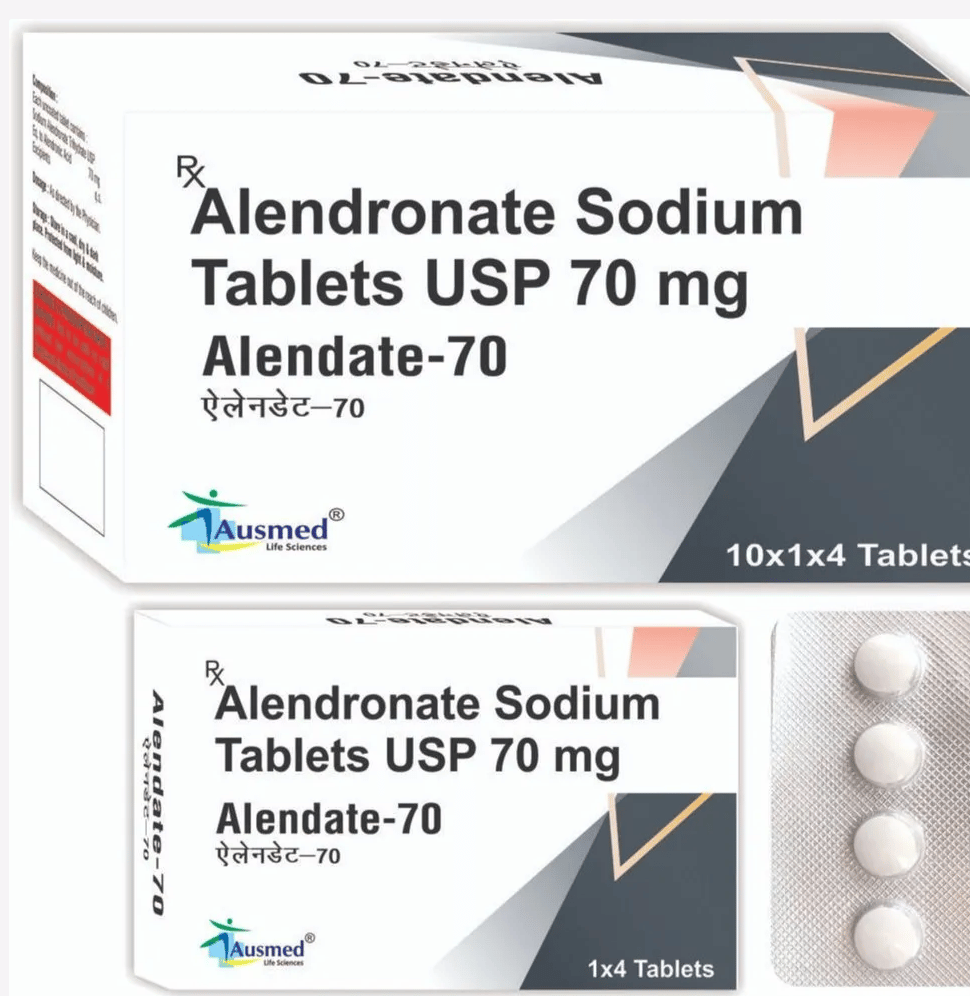
Alendronate mechanism of action is the process by which the drug slows bone breakdown. It is a bisphosphonate that attaches to bone and reduces the activity of osteoclasts, the cells that remove old bone. That helps limit ongoing bone loss and gives bone-forming cells more room to keep up. For patients, this matters because the way alendronate works also explains the strict dosing steps, the main precautions, and why timing matters.
Why it matters: The same medicine that can help protect bone can also be harder to use correctly than a typical tablet.
Key Takeaways
- Alendronate is a bisphosphonate used in osteoporosis care.
- It slows osteoclast-driven bone resorption, or bone breakdown.
- Food, calcium, and other medicines can reduce absorption.
- Staying upright after a dose helps lower esophagus irritation risk.
- Safety and fit depend on your history, other medicines, and whether you can follow the instructions closely.
Alendronate Mechanism of Action in Plain Language
At a basic level, bone is always being remodeled. Osteoclasts (cells that break down old bone) clear away worn bone, and osteoblasts (cells that build bone) help replace it. In osteoporosis, that balance can tilt toward more breakdown than rebuilding. Alendronate belongs to the Bisphosphonate Drugs class, which is designed to slow that excess breakdown.
Unlike calcium or vitamin D, alendronate does not act as raw material for bone. It changes the pace of bone turnover. That distinction matters because people sometimes expect it to directly replace lost bone, when its main role is to reduce how quickly bone is being removed.
What Happens At The Bone Surface
The alendronate mechanism of action starts with the drug binding tightly to mineralized bone. When osteoclasts attach to the bone surface and begin resorption, they take up some of the medicine. That means the drug acts where bone loss is happening, not just floating through the bloodstream without a target.
Inside the osteoclast, alendronate interferes with the mevalonate pathway, a pathway the cell uses to maintain normal structure and signaling. This disrupts key cell functions and can lead to apoptosis (programmed cell death). In plain terms, the bone-breaking cell becomes less active and may not survive as long.
What That Means For Bone Strength
When osteoclast activity falls, bone resorption slows. That does not mean alendronate instantly rebuilds damaged bone or acts like a pain reliever. It means the body loses less bone over time, which can help preserve or improve bone density and lower fracture risk in the right setting. If you want a broader overview of its role, What Is Alendronate Used For adds more context.
Bone remodeling is a long-term process. Even when treatment is working as intended, the change usually shows up through follow-up, monitoring, and bone density discussions rather than after a few doses. That is why expectations need to be realistic from the start.
People also sometimes assume that a stronger mechanism automatically means a better fit. In reality, the science is only one part of the decision. The best choice depends on whether the medicine matches the person’s risks, routine, and ability to take it safely.
Why The Instructions Are So Specific
The short answer is that oral alendronate can be difficult to absorb, and it can irritate the esophagus if it does not move into the stomach properly. Understanding alendronate mechanism of action is helpful, but good results also depend on correct administration. A mistimed dose may mean too little drug gets absorbed, while a poorly taken dose may increase irritation.
The common question about waiting 30 minutes after taking alendronate comes back to absorption and safety. Food, coffee, juice, calcium, iron, antacids, and many other medicines can interfere when taken too soon. Remaining upright also helps the tablet move downward rather than lingering in the esophagus, where it can cause discomfort or injury.
Because alendronate uses an oral route, swallowing and stomach timing matter more than they would with an injectable therapy. That is one reason oral bisphosphonates often come with more detailed administration instructions than people expect from a once-daily or once-weekly medicine.
- Empty stomach first – take it before food or other medicines.
- Plain water only – avoid coffee, juice, or mineral water.
- Swallow whole – do not crush or chew the tablet.
- Stay upright – sit or stand after the dose.
- Wait 30 minutes – before food, drinks, or other medicines.
- Check product directions – some formulations have added steps.
These rules can feel fussy, but they are not arbitrary. They are meant to help the medicine reach the right place and lower irritation risk. If bone-supportive habits are also part of your plan, articles on Strong And Healthy Bones and Bolstering Bone Health can help you think beyond the pill itself.
Quick tip: Bring a list of your morning supplements and medicines to any medication review.
Where It Fits In Osteoporosis Care
Alendronate is most often discussed as a treatment option for osteoporosis, especially when the goal is to reduce ongoing bone loss. It may also be used in other bone-loss settings, depending on the condition and the prescriber’s judgment. The key point is that it fits into a larger fracture-prevention strategy, not a stand-alone fix.
A clinician usually weighs several factors before suggesting an oral bisphosphonate. Those can include bone density results, age, fracture history, family history, how likely someone is to fall, and whether they can comfortably follow the dosing rules attached to the product prescribed. People who already have swallowing problems or significant upper digestive symptoms may need a different discussion.
Some people are poor candidates for alendronate even before side effects come up. A history of certain esophageal problems, an inability to stay upright after taking the tablet, untreated low calcium, or significant kidney concerns can all change the conversation. Those issues do not mean treatment is impossible, but they may point toward a different plan.
This is also why early recognition matters. If you are still learning about bone loss itself, Early Signs Of Osteoporosis and the Bone And Joint Health hub give a broader picture of symptoms, risk factors, and related treatment topics.
Patient teaching usually centers on a few practical questions: Can you take the tablet exactly as directed? Are calcium, iron, or antacids part of your morning routine? Has a clinician checked whether low calcium could be an issue first? Are major dental procedures coming up? Those details do not change the drug class, but they may change whether this is a sensible option for you.
Alendronate is also only one part of care. Fall prevention, weight-bearing activity when appropriate, nutrition, and follow-up matter too. Medication can slow bone loss, but it does not replace the rest of a bone health plan.
Some patients without insurance explore cash-pay prescriptions through licensed Canadian partner pharmacies.
Side Effects, Warnings, And Interaction Questions
Most alendronate side effect discussions start with the digestive tract. Heartburn, stomach upset, nausea, abdominal pain, and irritation with swallowing can occur. Some people also report muscle, joint, or bone pain. Many patients tolerate the medicine reasonably well, but the experience can vary widely.
When Caution Matters More
Certain warnings deserve extra attention. New trouble swallowing, chest pain after taking the tablet, severe or worsening heartburn, or signs of bleeding in the digestive tract deserve prompt medical review. Rare but serious problems, such as jaw problems after dental work or unusual thigh or groin pain that may suggest an atypical femur issue, are also part of the risk discussion. Low calcium can matter too, because alendronate is not appropriate if that has not been addressed.
Dental history matters because jaw complications, while uncommon, are part of long-term safety discussions for bisphosphonates. It is sensible to tell both your dentist and your prescribing clinician that alendronate is on your medication list, especially before invasive dental work.
Interaction questions are often less dramatic but very important. Calcium supplements, iron, antacids, and some other oral medicines can reduce absorption if taken too close together. That is one reason a complete medication list matters, including vitamins, protein powders, and over-the-counter products. If you are also thinking about recovery nutrition after injury or surgery, Nutrition For Orthopedic Surgery offers related background on bone healing support.
None of this means alendronate is a bad option. It means the fit depends on your broader health picture. For many readers, the most useful next step is not guessing whether the medicine is right or wrong, but understanding which cautions apply before the first dose.
Comparing Alendronate With Other Options
The question of whether Fosamax or Prolia is safer does not have one universal answer. Fosamax is a brand name for alendronate, while Prolia is denosumab, a different medicine with a different mechanism and a different way of being given. The better fit depends on the person’s fracture risk, kidney function, calcium status, digestive history, dental issues, and ability to follow a strict oral routine.
In day-to-day care, oral alendronate is often appealing because it is familiar and widely used. Its downside is the administration burden and upper digestive cautions. Denosumab avoids the swallowing issue, but it brings its own monitoring questions and transition planning concerns if treatment changes. If brand and generic naming are confusing, Fosamax Generic and Alendronate Product Details are simple reference points.
No table can decide a treatment plan, but a quick comparison can show why the answer depends on the person. In real life, the tradeoff is often oral routine versus injection visits, digestive tolerance versus follow-up needs, and how steady the long-term plan is likely to be.
| Decision Factor | Alendronate | Denosumab (Prolia) |
|---|---|---|
| Drug type | Bisphosphonate | Monoclonal antibody |
| How it is given | Oral tablet | Injection |
| Practical challenge | Strict timing and upright dosing | Ongoing follow-up and transition planning |
| Common discussion points | Swallowing history, stomach and esophagus issues | Calcium status, follow-up, and monitoring |
That is also why the alendronate mechanism of action should not be the only factor in a treatment decision. Mechanism explains how a medicine works. It does not, by itself, decide whether it is the safest or simplest option for a given person. Access questions can matter too, especially for long-term therapy.
Where required, prescription details are verified with the prescriber before dispensing.
The main point of alendronate mechanism of action is simple: it slows the cells that break bone down. Everything else on the label, from waiting 30 minutes to watching for certain symptoms, flows from trying to use that effect safely and effectively within real life.
Authoritative Sources
- For a concise clinical summary, see NIH StatPearls on alendronate.
- For practical patient instructions, see MedlinePlus drug information for alendronate.
- For broader class background and mechanism, see Mayo Clinic Proceedings review of bisphosphonates.
Further reading can help you connect the science, the instructions, and the safety questions before your next appointment.
This content is for informational purposes only and is not a substitute for professional medical advice.


