
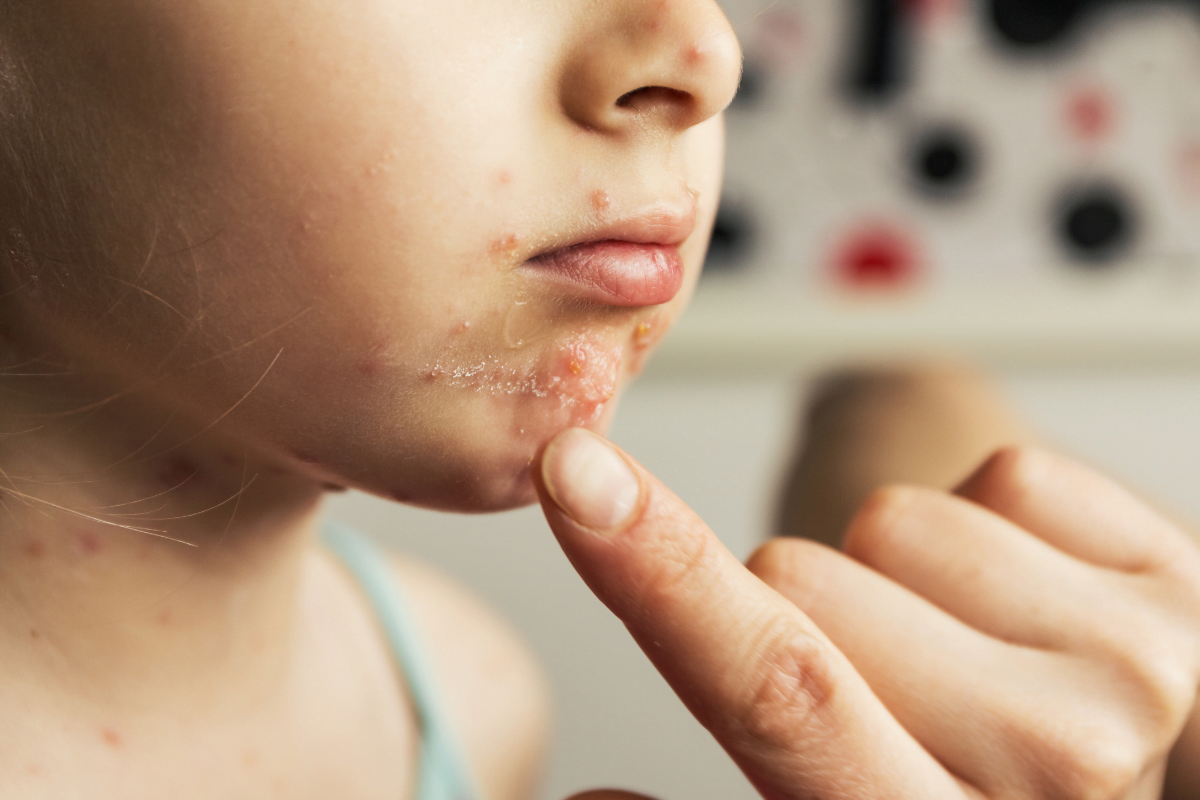
Chickenpox vs shingles comes down to timing, rash pattern, and how the virus spreads. Chickenpox is usually the first infection with varicella-zoster virus. Shingles, also called herpes zoster, happens when that same virus reactivates later. Chickenpox often causes an itchy, widespread rash. Shingles more often causes pain, burning, or tingling followed by a one-sided band or cluster of blisters. That difference matters because exposure risk, isolation needs, vaccine history, and urgency of care can vary.
Key Takeaways
- Same virus: Both conditions involve varicella-zoster virus.
- Different timing: Chickenpox is usually first infection; shingles is reactivation.
- Rash clues: Chickenpox spreads widely; shingles often stays one-sided.
- Contagion differs: Shingles can expose non-immune people to chickenpox.
- Seek care quickly: Eye symptoms, pregnancy, newborn exposure, and weak immunity matter.
Chickenpox vs Shingles: The Core Difference
The key difference is that chickenpox usually starts the infection, while shingles is the virus waking up later. After chickenpox, varicella-zoster virus can stay inactive in nerve tissue for years. It may reactivate when immune defenses change with age, illness, stress, or immune-suppressing treatment.
This explains a common point of confusion. A person does not usually “catch shingles” from someone else in the same way they catch a cold. Shingles is usually caused by a virus already inside the body. However, fluid from shingles blisters can spread varicella-zoster virus to someone without immunity. That exposed person may develop chickenpox, not shingles, because it would be their first infection.
The medical names can also confuse people. Varicella usually refers to chickenpox. Herpes zoster refers to shingles. The word “herpes” here does not mean herpes simplex virus, which causes cold sores and genital herpes. If you want broader context on herpes simplex symptoms, see Herpes Symptoms.
| Comparison point | Chickenpox | Shingles |
|---|---|---|
| Usual cause | First varicella-zoster virus infection | Reactivation of varicella-zoster virus |
| Typical rash | Widespread itchy spots and blisters | Painful cluster or band, often one-sided |
| Early symptoms | Fever, tiredness, appetite loss, then rash | Burning, tingling, pain, then rash |
| Contagion | Spreads easily to susceptible people | Spreads mainly through blister fluid contact |
| Prevention focus | Varicella vaccination | Shingles vaccination for eligible adults |
Why it matters: Similar blisters can mean different risks for nearby people.
How the Rash and Early Symptoms Usually Differ
Symptoms often provide the first clue before the rash fully appears. Chickenpox tends to act like a whole-body viral illness. Shingles often starts with nerve-type symptoms in one limited area.
Early chickenpox symptoms
Chickenpox may begin with fever, tiredness, headache, appetite loss, or a general unwell feeling. The rash often starts as red spots that become fluid-filled blisters. New spots may appear in waves, so some lesions can be new while others are crusting.
The itch can be intense. Scratching may break the skin and raise the chance of bacterial infection. Children often have milder illness than adults, but severity can vary. Adults, newborns, pregnant people, and people with weakened immune systems may face higher risk from chickenpox.
First signs of shingles
Shingles may start with pain, burning, tingling, itching, or unusual skin sensitivity. This early warning phase is called a prodrome, which means symptoms before the main illness becomes obvious. The discomfort may feel sharp, electric, deep, or tender to touch.
The rash usually appears in a localized strip, patch, or cluster. It often stays on one side of the body and follows a nerve pathway. A classic example is a band of blisters wrapping around one side of the torso. Shingles can also affect the face, scalp, mouth, or eye area.
A rash near the eye, ear, or face deserves prompt medical attention. Shingles in these areas can involve sensitive structures, and early evaluation may help reduce complications.
Can Shingles Cause Chickenpox or Spread to Others?
Yes, shingles can expose a susceptible person to varicella-zoster virus. If that person never had chickenpox, never received varicella vaccination, and has no immunity, they may develop chickenpox after exposure. They would not simply develop shingles from casual contact.
Chickenpox is usually more contagious than localized shingles. It can spread through respiratory droplets and direct contact with lesions, especially before every spot has crusted. Shingles spreads mainly through direct contact with fluid from open blisters. Covered, crusted lesions carry less practical contact risk, though individual circumstances still matter.
Questions about kissing, hugging, or sharing a bed depend on rash location and immunity status. If shingles blisters are on the face or near the mouth, kissing may create direct contact with blister fluid. If the rash is covered and away from contact areas, risk may be lower, but vulnerable contacts still need caution.
Avoid touching the rash. Keep it covered when possible. Do not share towels, bedding, or clothing that may contact blister fluid. People with active shingles should be especially cautious around newborns, pregnant people without known immunity, and people who are immunocompromised, meaning their immune system is weakened.
Quick tip: If exposure is possible, write down the rash date and contact date.
Can You Get Shingles If You Never Had Chickenpox?
Shingles usually requires prior varicella-zoster infection or prior exposure through vaccination. If someone truly never had chickenpox, never had varicella vaccination, and never had an unnoticed infection, they would not be expected to develop shingles from reactivation. In real life, many people do not remember childhood infections accurately.
A clinician may review vaccine records, exposure history, or blood testing when immunity is unclear. This can matter for pregnancy, healthcare work, immune-suppressing treatment, or close contact with high-risk people. It also helps explain why “I never had chickenpox” does not always settle the question.
Chickenpox vs shingles can be especially confusing in adults. Adults may have more severe chickenpox than children. Shingles becomes more common with age, but it can occur in younger adults too. A painful one-sided rash should not be dismissed just because someone is not elderly.
Treatment, Comfort Care, and Vaccine Context
Treatment depends on the person, timing, symptoms, and complication risk. Chickenpox care is often supportive. That may include fluids, rest, fever comfort measures, and itch control. Clinicians generally caution against aspirin in children with viral illnesses because of Reye’s syndrome risk.
Shingles care may include prescription antiviral medicine for some people, along with pain control and skin care. Early assessment matters because antiviral treatment can be time-sensitive in higher-risk cases. Do not start, stop, or change prescription treatment without professional guidance.
Practical comfort measures may include:
- Skin protection: Keep fingernails short.
- Rash hygiene: Keep lesions clean and dry.
- Contact control: Cover shingles blisters when possible.
- Symptom notes: Track fever, pain, and rash spread.
- Medication review: Ask what is safe for your age and history.
Antibiotics do not treat chickenpox or shingles because both involve a virus. A clinician may consider antibiotics only if a bacterial skin infection develops. That decision requires an exam and clinical judgment.
Vaccination is another major difference. Varicella vaccination is used to help prevent chickenpox. Shingles vaccination is aimed at reducing the risk of shingles and related complications in eligible adults. Recommendations can depend on age, immune status, prior infection, and local public health guidance.
For readers comparing skin infections, the Dermatology collection and Infectious Disease collection can support broader reading. These pages are for navigation and education, not self-diagnosis.
When a prescription is required, licensed pharmacy partners may verify prescription details with the prescriber before dispensing. Some eligible patients also explore cash-pay cross-border prescription options without insurance, subject to local rules and clinical requirements.
When Chickenpox or Shingles Is More Concerning
Neither condition should be treated as “just a rash” in higher-risk situations. Most healthy children recover from chickenpox without major problems, but complications can occur. Adults with chickenpox may have more severe illness than children. Infants, pregnant people, and people with weakened immune systems need careful assessment.
Shingles can also become complicated. Some people develop postherpetic neuralgia, which is nerve pain that persists after the rash heals. Shingles near the eye can threaten vision. Widespread shingles, severe pain, fever, confusion, or a rash in someone with a weakened immune system may need urgent evaluation.
So, which is worse: chickenpox or shingles? The safer answer is that it depends. Chickenpox can be more concerning for adults, pregnancy, newborn exposure, and people without immunity. Shingles can be especially concerning when pain is severe, the face or eye is involved, or immune defenses are reduced.
Vitamin deficiency is sometimes discussed online in relation to shingles. Low nutrition status can affect general immune health, but shingles is not diagnosed as a simple vitamin-lack problem. If fatigue, poor intake, or repeated infections are concerns, a clinician can assess the broader picture.
Look-Alike Rashes: Herpes, Measles, and Other Causes
Several infections and skin conditions can mimic parts of chickenpox or shingles. Herpes simplex can cause painful blisters, often around the mouth or genitals, but it is caused by a different virus. A localized painful blistering rash may need testing or clinical review when the cause is unclear.
Measles can cause fever and a widespread rash, yet it usually has additional respiratory symptoms and a different illness pattern. Allergic reactions, insect bites, contact dermatitis, impetigo, and drug reactions can also create confusing rashes. Appearance alone is not always enough.
Recurrent chickenpox is uncommon. When someone thinks chickenpox has returned, shingles, herpes simplex, allergic reactions, or other rashes may be part of the differential diagnosis. For related viral-rash reading, Herpes Treatment discusses herpes simplex management concepts separately from varicella-zoster illness.
Do not rely on photos alone if the rash is painful, near the eye, spreading quickly, or affecting someone at higher risk. Photos can document changes, but they cannot replace a medical exam when warning signs are present.
A Practical Checklist Before You Call a Clinician
A clear history can make the visit more useful. Before calling or attending an appointment, gather details that help separate first infection, reactivation, and look-alike rashes.
- Rash timing: Note when pain, itch, or spots began.
- Rash location: Record whether it is one-sided or widespread.
- Exposure history: List known chickenpox or shingles contact.
- Vaccine record: Check varicella and shingles vaccine history.
- Risk factors: Mention pregnancy or immune conditions.
- Eye symptoms: Report redness, pain, or vision changes.
- Medication list: Include prescriptions, supplements, and allergies.
This information does not diagnose the rash by itself. It helps your healthcare professional decide what questions, tests, or precautions may be appropriate.
Authoritative Sources
- CDC chickenpox symptoms and transmission guidance
- CDC shingles signs, risks, and complications guidance
- WHO shingles and varicella-zoster overview
Putting the Difference Into Practice
Chickenpox vs shingles is easiest to understand by asking four questions. Is this the first infection or a reactivation? Is the rash widespread or one-sided? Is itching or pain the main symptom? Could someone nearby be vulnerable because of pregnancy, newborn age, or weakened immunity?
A widespread itchy rash points more toward chickenpox. A painful one-sided cluster points more toward shingles. If symptoms involve the eye, pregnancy, a newborn, severe pain, fever, or a weakened immune system, seek medical guidance promptly.
This content is for informational purposes only and is not a substitute for professional medical advice.


