

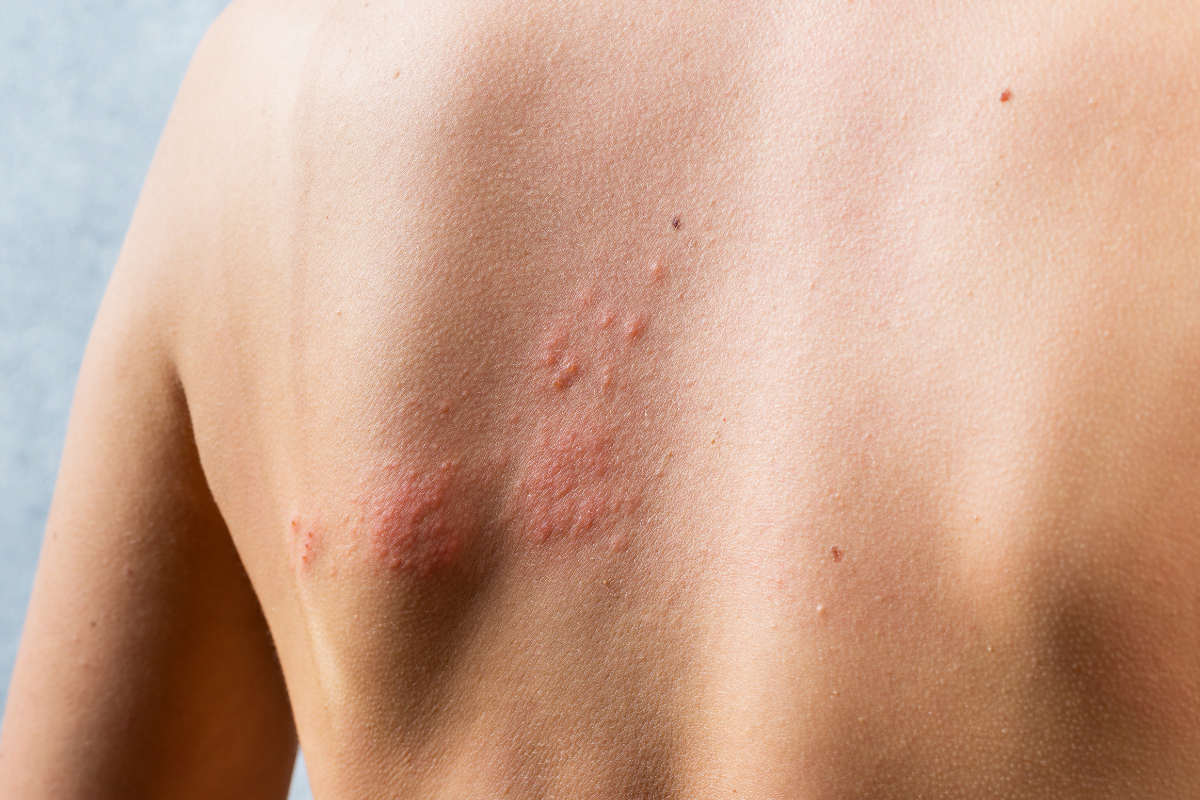
Porphyria cutanea tarda treatment usually focuses on lowering excess porphyrins, reducing iron burden when it contributes, and removing triggers that keep the condition active. The main medical options are therapeutic phlebotomy or carefully supervised low-dose hydroxychloroquine or chloroquine. Skin protection, liver evaluation, and follow-up are also part of care because PCT can recur if its drivers are not controlled.
This matters because PCT can keep causing fragile skin, blisters, slow healing, scarring, and pigment changes on sun-exposed areas. Treatment is most effective when the plan addresses both the skin findings and the liver-related process behind them.
Key Takeaways
- Main goal: Lower porphyrins and reduce triggers that keep PCT active.
- Common options: Therapeutic phlebotomy or low-dose hydroxychloroquine or chloroquine.
- Decision factors: Iron studies, hemoglobin, liver health, medications, and recurrence history.
- Daily care: Sun protection and gentle wound care help prevent new skin injury.
- Follow-up: Remission is common, but recurrence can happen.
What PCT Is and Why Treatment Works
Porphyria cutanea tarda, often shortened to PCT, is the most common porphyria that mainly affects the skin. It occurs when uroporphyrinogen decarboxylase, an enzyme involved in heme production, does not work well enough. Porphyrins then build up, mostly in the liver, and make the skin unusually sensitive to sunlight.
People often notice fragile skin on the backs of the hands, blisters after sun exposure, slow-healing erosions, crusting, milia, darker or lighter patches, or increased facial hair. PCT often appears in adulthood, even when a person also has a genetic tendency in the background. The skin changes are visible, but the process driving them is biochemical and often tied to iron and liver stress.
Porphyria cutanea tarda treatment works because the condition often quiets when the main drivers are addressed. Removing excess iron can reduce pressure on the blocked pathway. Low-dose antimalarial medicines may help the body clear stored porphyrins. Trigger control lowers the chance that the cycle continues.
Because these symptoms can overlap with other blistering disorders, treatment should follow proper testing rather than guesswork. Diagnosis often involves urine or plasma porphyrin studies, iron tests such as ferritin, liver tests, and a review of risk factors. For broader skin-condition context, the Dermatology collection can help you compare related topics. The Dermatology Products collection is better for browsing medication categories.
Why it matters: Skin healing usually follows after porphyrin levels begin to fall.
How Porphyria Cutanea Tarda Treatment Is Chosen
The best plan depends on the full clinical picture, not one symptom or one lab result. Clinicians usually look at confirmed porphyrin testing, ferritin and other iron studies, hemoglobin, liver status, alcohol use, estrogen exposure, smoking, viral hepatitis risk, and whether repeat blood removal is practical and safe.
That review helps clarify the main management paths. If excess iron appears to be part of the problem and blood counts allow it, therapeutic phlebotomy is often considered. If phlebotomy is not a good fit, some people may be considered for carefully supervised low-dose hydroxychloroquine or chloroquine. Medication review matters because liver disease, other drugs, and individual tolerance can change the plan.
Before starting treatment, the care team may also look at how active the blistering is, whether this is a first episode or recurrence, and whether there are reasons to avoid blood removal. Practical details count too. Venous access, transportation, work schedule, and the ability to return for repeat labs can all shape what is realistic.
A durable plan is medically appropriate and possible to follow. That is one reason management of porphyria cutanea tarda is more personal than a one-size-fits-all checklist.
| Approach | When it may be considered | Main aim | What is monitored |
|---|---|---|---|
| Therapeutic phlebotomy | When iron overload appears contributory and blood counts support blood removal | Lower iron stores that can drive porphyrin buildup | Hemoglobin, ferritin, symptoms, and skin response |
| Low-dose hydroxychloroquine or chloroquine | When phlebotomy is not ideal or a medication approach fits better | Help mobilize stored porphyrins so the body can clear them | Liver status, other medicines, tolerance, and response |
| Trigger control and sun protection | For nearly everyone with PCT | Reduce ongoing skin injury and lower reactivation risk | Alcohol, estrogen exposure, smoking, liver issues, and healing |
The Two Main Treatment Paths
The established treatment paths are not competing trends. They are two different ways to reduce the biochemical burden that drives the skin findings. One removes blood to reduce iron stores. The other uses a low-dose antimalarial medicine to help clear excess porphyrins.
Therapeutic phlebotomy
Therapeutic phlebotomy is planned blood removal done for medical reasons. In PCT, the goal is to bring down iron stores because excess iron can worsen the enzyme block behind the condition. Ferritin is often followed over time because it gives a useful signal about iron burden, though targets and pacing are individualized.
Improvement is usually gradual rather than immediate. New blistering may settle before older skin changes fully fade. This is also not the same as routine blood donation, even if the procedure can look similar. The schedule is shaped by labs, symptoms, and tolerance, not by a fixed public donation pattern.
Phlebotomy is not right for everyone. Anemia risk, poor venous access, frailty, and other health issues can change the balance. Some people also find repeated in-person visits hard to sustain. The decision belongs in a clinician-guided plan rather than a generic online rule.
Low-dose antimalarial medicines
Hydroxychloroquine and chloroquine are older antimalarial drugs, but in PCT they may be used for a different reason. At carefully selected low doses, they can help move excess porphyrins out of the liver so they can be cleared. Because that effect can be strong, PCT regimens are typically more cautious than the way these medicines are used for some other conditions.
This option may be considered when repeated phlebotomy is hard to tolerate or not practical. It also needs thoughtful review. Liver disease, other medicines, eye-related history, and individual risk factors can all matter. In some cases, the medication route may look simpler on paper but still requires lab monitoring and follow-up.
If hydroxychloroquine is part of the conversation, neutral product pages such as Plaquenil and HCQS 200mg can show the kind of medicine involved. They do not replace clinician guidance on fit, monitoring, or dosing. BorderFreeHealth connects U.S. patients with licensed Canadian partner pharmacies, and prescription details are checked when required before dispensing.
Whichever path is used, the goal is the same: stop new blistering, let the skin recover, and reduce the risk that active disease keeps damaging the skin and liver. Some people respond well to one strategy after another has been ruled out. Others need the plan adjusted as labs, tolerance, and trigger control change.
Triggers, Liver Health, and Skin Protection
Even effective porphyria cutanea tarda treatment can stall if the main triggers stay active. Alcohol use, estrogen exposure, smoking, excess iron, hepatitis C, and other liver stressors are common themes in PCT care. Some people also have inherited tendencies that affect iron handling.
Sun protection matters from day one. PCT skin is fragile, and light exposure can worsen blistering on areas such as the backs of the hands and forearms. Protective clothing, shade, and careful daily skin protection can reduce fresh damage while the underlying disease is being treated. This is often where people start to feel more in control.
Skin care in PCT is practical, not cosmetic. Lightweight sleeves or gloves for driving and outdoor chores may help protect fragile areas. Gentle cleansing, non-adhesive dressings when needed, and avoiding friction or picking can lower the chance of scarring and infection while healing is underway.
Because porphyrin buildup is closely tied to the liver, many treatment plans include liver-focused follow-up. That may involve reviewing alcohol intake, checking liver tests, evaluating hepatitis risk when relevant, and discussing whether iron supplements or hormone exposures need a closer look. These are not side issues. They are part of the main treatment logic.
PCT is also a reminder that blistering skin problems are not all treated the same way. If pigment changes remain after active blistering settles, Cosmetic Camouflage may offer general context on covering hyperpigmentation while skin continues to recover.
Quick tip: Photograph new blisters before they heal so follow-up visits have a clearer baseline.
Testing, Remission, and Recurrence
Follow-up shows whether treatment is addressing the cause, not just calming the skin. Clinicians may track blistering frequency, skin fragility, ferritin or other iron measures, porphyrin trends, liver tests, and whether major triggers have been reduced.
Many people can reach remission, meaning new blistering settles and porphyrin levels come down. PCT is often one of the more manageable porphyrias because the disease process can quiet when its drivers are addressed. Older pigment changes, milia, or scarring may improve more slowly than the active disease itself.
Recurrence is still possible. PCT can reactivate if iron burden rises again or if triggers such as alcohol, estrogen exposure, smoking, hepatitis C, or other liver disease return to the forefront. That does not always mean treatment failed. It often means the underlying drivers need to be reviewed again.
If you are preparing for a visit about management of porphyria cutanea tarda, these questions can help organize the discussion:
- Diagnosis: Which porphyrin tests confirmed PCT?
- Iron status: Is ferritin part of my treatment target?
- Liver review: Which liver risks need evaluation?
- Treatment fit: Why phlebotomy, medicine, or both?
- Monitoring: Which symptoms need earlier review?
Practical issues count too. People without insurance may need to ask about cash-pay options, transportation for repeat visits, and whether clinic-based phlebotomy or medicine-based management is easier to sustain. Those concerns do not replace medical decision-making, but they can shape follow-up in real life.
When to Seek Prompt Medical Review
PCT itself is usually managed over weeks to months, but some situations need earlier attention. Contact a clinician promptly if blistering spreads quickly, wounds show signs of infection, pain is worsening, or new symptoms appear after starting a medicine. Seek urgent care for severe allergic symptoms, breathing trouble, fainting, or rapidly worsening illness.
People with known liver disease, hepatitis C, significant anemia, pregnancy, or complex medication lists should be especially cautious about self-directing care. These factors can affect both treatment choice and monitoring. Do not start, stop, or change prescription medicines for PCT without professional guidance.
If you take hydroxychloroquine for another condition, timing and consistency may already be part of your routine. For general medication-taking context, Best Time to Take Plaquenil discusses practical considerations, but PCT-specific dosing and monitoring should come from your clinician.
Authoritative Sources
- For a liver-focused overview, see the NIDDK page on porphyria.
- For clinical background on PCT, review NCBI Bookshelf on porphyria cutanea tarda.
- For a recent clinical review, see the PubMed summary on PCT management.
Good porphyria cutanea tarda treatment does not end when a blister dries up. It includes confirming the diagnosis, tracking the labs that match the cause, protecting the skin while healing happens, and reducing the drivers that could bring the condition back.
This content is for informational purposes only and is not a substitute for professional medical advice.


