
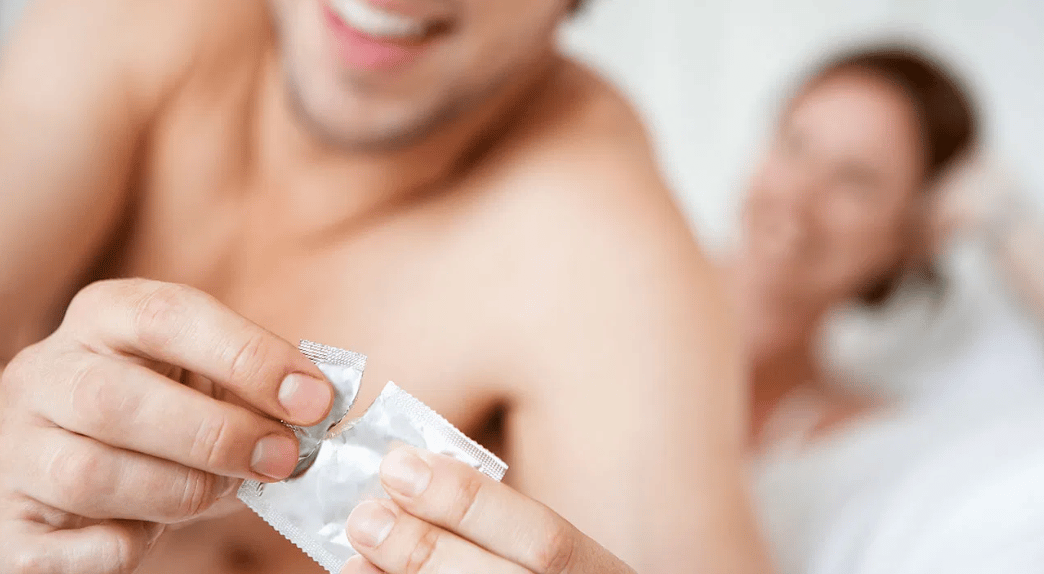
HIV is transmitted when certain body fluids from a person with HIV enter another person’s bloodstream or mucous membranes. If you are asking how can you get hiv, the main routes are anal or vaginal sex without protection, sharing injection equipment, and pregnancy, birth, or breastfeeding when HIV is not treated. HIV does not spread through air, casual touch, shared dishes, toilet seats, sweat, tears, or everyday saliva contact.
This distinction matters. Fear often grows around situations that do not transmit HIV, while real risks may be missed. Clear information helps you focus on testing, condoms, PrEP, post-exposure care, and treatment support instead of stigma or panic.
Key Takeaways
- Specific fluids matter: blood, semen, pre-seminal fluid, rectal fluids, vaginal fluids, and breast milk can carry HIV.
- Most common routes: condomless anal or vaginal sex and shared needles or syringes account for most transmissions.
- Casual contact is safe: hugging, sharing drinks, kissing without blood, and using the same bathroom do not spread HIV.
- Oral sex is lower risk: risk is much lower than anal or vaginal sex, but blood, sores, or ejaculation may increase concern.
- Prevention works: testing, condoms, PrEP, PEP, and effective HIV treatment all reduce transmission risk.
How Can You Get HIV? The Core Transmission Rules
You can get HIV only when an infectious fluid has a route into the body. The fluid must come from a person with HIV who has enough virus present, often described as a detectable viral load. It also needs access through a mucous membrane, an open wound, or direct injection into the bloodstream.
Mucous membranes are moist tissue surfaces. They include the rectum, vagina, opening of the penis, mouth, and parts of the eyes. Intact skin is different. Healthy unbroken skin is a strong barrier and does not let HIV pass through during normal contact.
The body fluids that can transmit HIV are blood, semen, pre-seminal fluid, rectal fluids, vaginal fluids, and breast milk. Saliva, sweat, tears, urine, and feces do not transmit HIV in everyday situations unless they are visibly mixed with blood and there is a direct pathway into the body.
For a deeper route-by-route breakdown, see How Is HIV Transmitted. You can also review How Does HIV Spread if you want a shorter overview of fluids, contact types, and common myths.
The Main Ways HIV Is Transmitted
The five most recognized ways HIV can be transmitted are sex, shared injection equipment, pregnancy or birth, breastfeeding, and certain blood exposures. In many countries, sexual contact and shared needles are the most common current routes.
Anal or vaginal sex without protection
Anal and vaginal sex can transmit HIV when condoms, PrEP, or effective HIV treatment are not in place. Anal sex carries higher biological risk because rectal tissue can tear more easily. Vaginal sex can also transmit HIV, especially when there are untreated sexually transmitted infections, bleeding, or genital inflammation.
Transmission can occur from male to female, female to male, male to male, or between women when infectious fluids reach susceptible tissue. Questions such as how do you get aids male, how do you get aids female, or can women get aids from men often reflect the same basic issue: HIV transmission depends on fluids, exposure route, and viral load, not gender alone.
Sharing needles, syringes, or injection equipment
Needle sharing is a high-risk route because blood can be injected directly into the bloodstream. This includes syringes and other injection equipment that may hold blood. Using sterile equipment every time prevents this route.
Pregnancy, birth, and breastfeeding
HIV can pass from a parent to a baby during pregnancy, delivery, or breastfeeding. Medical care and antiretroviral therapy greatly reduce this risk. Anyone who is pregnant or planning pregnancy should discuss HIV testing and prevention with a clinician.
Blood exposure and needlestick injuries
HIV can be transmitted through blood, but the situation has to involve direct access to the bloodstream or mucous tissue. Occupational needlestick injuries are a recognized risk. Modern blood screening has made transfusion-related HIV transmission extremely rare in places with strong blood safety systems.
Why it matters: Knowing the real routes helps you act quickly after a true exposure and ignore no-risk contact.
Sexual Risk: What Raises or Lowers the Chance
Sexual transmission risk is not the same in every situation. It depends on the type of sex, the partner’s viral load, condom use, PrEP use, other infections, and whether blood is present. Asking what are the chances of getting HIV sexually is understandable, but no single number fits every encounter.
Anal sex without a condom or PrEP is generally higher risk than vaginal sex. Vaginal sex still matters, especially if either partner has genital sores, bleeding, or untreated sexually transmitted infections. Oral sex is much lower risk, but it is not always zero in every possible situation.
If your partner is HIV-negative and recently tested after the appropriate window period, that lowers concern. Still, “safe” depends on whether both partners know their current status, whether either has other partners, and whether prevention tools are being used. People in mutually monogamous relationships can still benefit from shared testing and honest conversations.
PrEP, or pre-exposure prophylaxis, is medication used before possible exposure to help prevent HIV. Condoms also reduce contact with infectious fluids and help prevent other sexually transmitted infections. For readers comparing prevention options, Infectious Disease Products is a browseable product category, while treatment choices should always be discussed with a qualified clinician.
Post-exposure prophylaxis, or PEP, is a short course of HIV medicines used after a possible high-risk exposure. It is time-sensitive. If you believe you had a recent significant exposure, contact urgent care, a sexual health clinic, or another healthcare professional as soon as possible.
Oral Sex, Kissing, Saliva, and Everyday Contact
Oral sex can transmit HIV in unusual circumstances, but the risk is much lower than anal or vaginal sex. The concern rises when there is blood, mouth sores, bleeding gums, recent dental work, genital sores, or ejaculation in the mouth. Barriers such as condoms or dental dams reduce contact with fluids.
Many people search can you get hiv from oral after a specific encounter. The practical answer is that most oral sex exposures are low risk, especially when no blood is present. If the situation involved visible blood, sores, or another sexually transmitted infection, testing advice from a clinician or sexual health clinic can help you decide what to do next. For more detail, see HIV From Oral Sex.
Kissing does not transmit HIV in everyday life. Closed-mouth kissing is not a risk. Open-mouth kissing, including kissing with tongue, is also not considered a route unless both people have significant blood in the mouth. Chapped lips alone are usually not the same as a fresh, bleeding wound.
Saliva is a common source of anxiety, but it does not spread HIV through shared drinks, utensils, or casual contact. It contains factors that make HIV transmission through ordinary saliva exposure extremely unlikely. Questions about how much saliva is needed to transmit HIV miss the key point: saliva itself is not considered a transmission fluid in daily life. For focused myth-busting, read HIV From Saliva or HIV From Kissing.
Blood, Small Cuts, Bites, and Open Wounds
Blood can transmit HIV, but contact with blood does not automatically mean infection. The exposure must involve blood from a person with HIV reaching your bloodstream or a vulnerable mucous membrane. Intact skin blocks HIV, even if blood touches it briefly.
A small cut becomes more relevant if it is fresh, open, bleeding, or has exposed tissue. A healed scratch, dry scab, or irritated skin without an open break is much less concerning. The phrase hiv transmission blood to skin small cut usually needs context: Was there visible blood? Was the skin actively open? Did blood remain in contact with the wound?
Human bites rarely transmit HIV. A bite would generally need severe tissue injury and blood exposure from the person biting or the person bitten. Casual biting without blood is not a typical route. Still, deep bites can carry other infection risks, so medical evaluation may be appropriate for wound care, tetanus review, and general infection prevention.
Urine does not transmit HIV in everyday situations. Sweat and tears also do not. Feces is not an HIV transmission fluid unless visibly bloody and introduced into a mucous membrane or open wound, which is not a normal daily contact scenario.
Quick tip: If an exposure involved fresh blood, mucous membranes, or a deep wound, seek timely clinical advice.
How Quickly Transmission Happens and When Testing Helps
HIV exposure risk begins at the moment infectious fluid reaches susceptible tissue. That does not mean HIV can be confirmed immediately after the event. Tests detect infection only after markers become measurable, and that timing varies by test type.
Modern laboratory antigen/antibody tests can usually detect HIV earlier than antibody-only tests. Nucleic acid tests can detect viral genetic material even earlier in selected situations, but they are not used for every routine screen. Home tests may have different detection windows, so the instructions and follow-up guidance matter.
If you had a recent high-risk exposure, do not wait for symptoms. Early HIV symptoms, when they happen, can look like flu or another viral illness. Possible early signs include fever, sore throat, swollen lymph nodes, rash, fatigue, muscle aches, or night sweats. These symptoms do not prove HIV, and many people have no clear symptoms at first.
Testing is the only way to know your status. A healthcare professional or sexual health clinic can help you choose the right test and timing. If exposure may have happened very recently, ask about PEP quickly. If exposure risk is ongoing, ask whether PrEP, condoms, or more frequent testing fit your situation.
Prevention Tools That Change the Risk
HIV prevention works best when several tools support each other. You do not need a perfect plan to reduce risk. You need a realistic plan you can use consistently.
- Know your status: test regularly based on your exposure pattern.
- Use condoms: reduce contact with semen, vaginal fluids, rectal fluids, and blood.
- Consider PrEP: discuss preventive medication if exposure risk is ongoing.
- Ask about PEP: seek prompt care after a recent high-risk exposure.
- Treat HIV early: antiretroviral therapy lowers viral load and protects health.
- Treat other STIs: infections and inflammation can increase vulnerability.
Effective HIV treatment can reduce viral load to undetectable levels. When a person maintains an undetectable viral load through treatment, sexual transmission does not occur based on current public health consensus. This is often called U=U, meaning undetectable equals untransmittable.
Some readers also ask can hiv be cured. At this time, there is no widely available cure for HIV. Modern treatment can suppress the virus, protect the immune system, and help people live long lives with ongoing care. Treatment decisions, including whether a medicine is appropriate, should be made with a clinician.
BorderFreeHealth may be relevant for people comparing prescription access options, including some cash-pay pathways without insurance, but HIV prevention and treatment choices should be guided by medical evaluation. Prescription details, when required, are verified with the prescriber before a partner pharmacy dispenses medication.
Authoritative Sources
For current public health guidance on causes and transmission, the CDC explains how HIV spreads using evidence-based prevention language.
For a federal overview of body fluids and exposure routes, HIV.gov outlines HIV transmission basics in plain terms.
For testing, treatment, and prevention education, NIH HIVinfo summarizes transmission facts and related care concepts.
Recap
HIV spreads through specific fluids and specific exposure routes. The main risks are condomless anal or vaginal sex, shared injection equipment, untreated pregnancy or breastfeeding exposure, and certain blood exposures. It does not spread through casual contact, shared drinks, toilet seats, sweat, tears, or ordinary saliva contact.
If you are still wondering how can you get hiv after a specific event, focus on three questions: Was an HIV-transmitting fluid present? Did it reach a mucous membrane, open wound, or bloodstream? Was protection, PrEP, or an undetectable viral load part of the situation? Those answers help determine whether testing, PEP, or reassurance is the right next step.
For related prevention and testing topics, you can browse the Sexual Health collection or the Infectious Disease collection.
This content is for informational purposes only and is not a substitute for professional medical advice.


