
Please note: a valid prescription is required for all prescription medication.
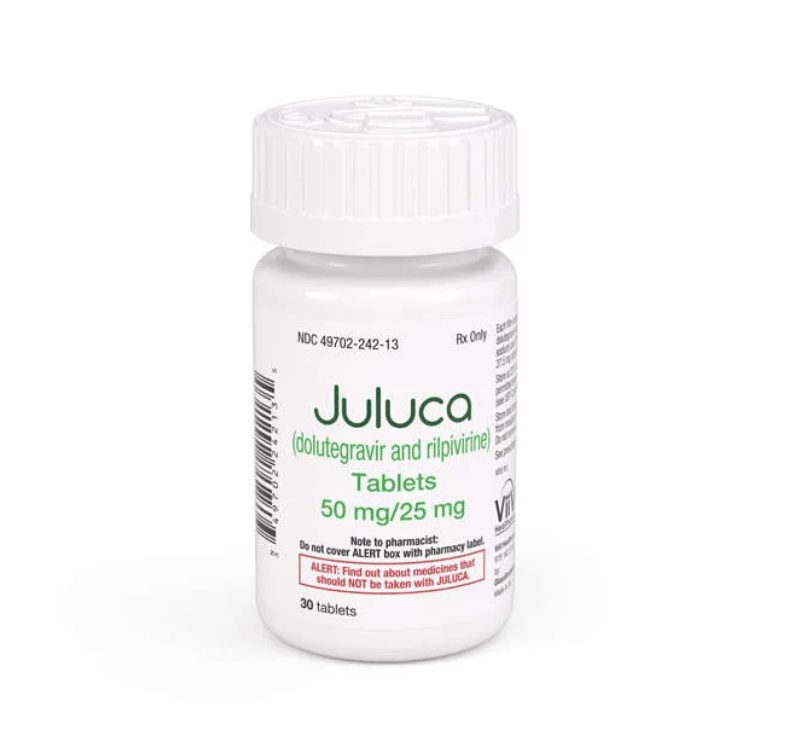
Juluca
Buy Juluca Online
Secure Encrypted Payments
Juluca is a once-daily HIV-1 maintenance medication that combines dolutegravir and rilpivirine in one tablet. You can buy Juluca online, view current pricing, and choose the available supply that matches the directions from your clinician. Border Free Health offers US delivery from Canada for customers who need a regulated pharmacy route for this HIV medicine.
Juluca is used as a complete regimen for adults with HIV-1 who are already virologically suppressed on a stable antiretroviral regimen. It is not a starting treatment for everyone with HIV, so your treatment history, resistance results, and current medicines matter before switching.
Juluca Price, Cost, and Strength Selection
The Juluca price shown during ordering lets you assess the out-of-pocket cost before you proceed. Many people look at Juluca Canadian pricing when insurance coverage is limited, a deductible is high, or cash-pay options need to be planned in advance. The final cost can depend on quantity, sourcing, and the supply available at the time of purchase.
Juluca 50 mg/25 mg tablets contain dolutegravir 50 mg and rilpivirine 25 mg. This fixed-dose strength is intended to be taken as one complete HIV-1 regimen, not combined casually with other antiretroviral medicines. Select the quantity shown during checkout that aligns with your clinician’s written directions and your refill schedule.
Cost questions are common with long-term HIV therapy because uninterrupted treatment matters. If you are budgeting for Juluca without insurance, consider how many tablets you need, how soon you must refill, and whether a longer supply is appropriate for your care plan. Reorder early enough to avoid gaps in daily dosing.
How to Order Juluca Online
Order Juluca online by choosing the listed tablet supply and completing the required order steps. We may review order information for accuracy before the medicine is released through licensed pharmacies. Use your labeled medication directions as the source of truth for timing, meals, and refills.
Customers often search for Juluca ships to US or Juluca from Canada because they want a clear cross-border process. Border Free Health can arrange prompt, express shipping, and your package should be tracked according to the carrier process used for your order. Keep your contact information current so any order questions can be handled quickly.
Quick tip: Place your refill reminder when you open a new bottle, not when the bottle is nearly empty.
What Juluca Treats
Juluca is a two-drug complete regimen for HIV-1 maintenance treatment in adults who meet specific clinical criteria. It is used to replace a current antiretroviral regimen in people who have maintained viral suppression and have no known or suspected resistance to dolutegravir or rilpivirine.
HIV-1 is the most common type of human immunodeficiency virus. Viral suppression means the amount of virus in the blood is below the level measured by standard tests. Staying suppressed helps protect immune health and reduces the risk of HIV-related complications, but treatment must be taken consistently.
This medication does not treat hepatitis B virus. If you have current or past hepatitis B and switch away from a regimen that was active against HBV, your clinician may need to add or continue separate HBV treatment. Liver monitoring may also be more important for people with hepatitis B or C.
How Dolutegravir and Rilpivirine Work
Juluca combines dolutegravir with rilpivirine. Dolutegravir is an integrase strand transfer inhibitor, often shortened to INSTI. It blocks an HIV enzyme needed for the virus to insert its genetic material into human cells.
Rilpivirine is a non-nucleoside reverse transcriptase inhibitor, or NNRTI. It blocks another HIV enzyme used earlier in the viral life cycle. Together, these medicines help maintain suppression with fewer active ingredients than many three-drug regimens.
Because Juluca is a complete regimen, adding extra HIV medicines is generally not recommended unless a clinician specifically directs it. Extra antiretrovirals can increase interaction risk, side effects, and treatment complexity without improving the plan for most people.
Who May Be a Candidate
Juluca may be considered for adults who are already undetectable on a stable HIV regimen and want a simpler once-daily option. The key clinical questions are whether viral suppression has been stable, whether prior treatment failure occurred, and whether resistance testing raises concern about either ingredient.
It is not usually chosen for people starting therapy with a new HIV diagnosis, unknown resistance history, or an unsuppressed viral load. It also may not fit people taking medicines that strongly reduce Juluca levels. Your clinician can decide whether the regimen matches your history and current lab results.
Breastfeeding is not recommended for people with HIV under current U.S. guidance because HIV can be passed to an infant. If you are pregnant, planning pregnancy, or could become pregnant, discuss regimen choice carefully because drug exposure and monitoring needs can change during pregnancy.
When and How to Take the Tablet
The usual schedule is one Juluca tablet once daily with a meal. Food is important because rilpivirine absorption depends on taking the dose with a meal. Taking the tablet at the same time each day also helps keep drug levels steady.
Swallow the tablet whole with water unless your clinician gives different instructions. Do not stop, split doses across the day, or change timing on your own. Even short interruptions can create risk for viral rebound or resistance in HIV treatment.
If you miss a dose and remember within about 12 hours, take it with a meal as soon as you remember. If more than 12 hours have passed, skip the missed dose and take the next dose at the regular time. Do not take two tablets together to make up for a missed dose.
Food, Antacids, and Timing Rules
Acid-reducing medicines and mineral products can interfere with Juluca. Proton pump inhibitors such as omeprazole and esomeprazole should not be used with this medication because they can lower rilpivirine exposure. This interaction can make treatment less reliable.
H2-receptor antagonists, such as famotidine, require careful separation from Juluca. The tablet is generally taken at least 4 hours before or 12 hours after an H2 blocker. Follow the exact schedule your clinician provides if you use these medicines.
Antacids containing aluminum, magnesium, or calcium should be separated from Juluca by several hours. Iron and calcium supplements may be taken together with Juluca only when the dose is taken with a meal; otherwise, separation is needed. Bring a full list of vitamins, minerals, and stomach medicines to each HIV care visit.
Side Effects, Warnings, and Monitoring
Common Juluca side effects include headache, nausea, diarrhea, dizziness, trouble sleeping, and fatigue. Some people also report abnormal dreams, anxiety, depressed mood, or rash. Many effects are manageable, but persistent or worsening symptoms should be discussed promptly.
Serious reactions can include severe skin reactions, hypersensitivity, liver problems, and mood changes including depression or suicidal thoughts. Rilpivirine can also contribute to heart rhythm concerns when combined with certain medicines that affect the QT interval. Seek urgent medical help for severe rash, swelling, breathing trouble, fainting, yellowing skin or eyes, dark urine, or thoughts of self-harm.
Your clinician will usually monitor HIV viral load and may monitor CD4 count, liver tests, kidney-related labs, and other values depending on your history. People with hepatitis B or C, liver disease, pregnancy considerations, or complex medication lists may need closer follow-up. Keeping lab appointments is part of using any HIV regimen safely.
Drug Interactions and Contraindications
Juluca should not be used with dofetilide because of the potential for serious adverse effects. Strong enzyme inducers can lower dolutegravir or rilpivirine levels and may risk loss of virologic control. Examples include rifampin, rifapentine, carbamazepine, oxcarbazepine, phenobarbital, phenytoin, systemic dexamethasone except a single dose, and St. John’s wort.
Metformin levels can increase when taken with dolutegravir. If you use metformin, your clinician may adjust the dose or monitor tolerability more closely. Other medicines that prolong the QT interval may also require extra caution because rilpivirine can add to that risk.
Do not assume an over-the-counter medicine, supplement, or herbal product is harmless with HIV therapy. Interaction checks are especially important for stomach acid medicines, seizure medicines, tuberculosis medicines, heart rhythm medicines, and mineral supplements.
Storage and Travel
Store Juluca at room temperature in the original bottle with the cap tightly closed. Keep the desiccant in the bottle to protect the tablets from moisture. Store the medicine away from children, pets, bathrooms, and damp travel bags.
When traveling, carry Juluca in hand luggage rather than checked baggage. Keep the labeled container with you, and bring enough tablets for the full trip plus extra days in case plans change. If you cross time zones, keep doses roughly 24 hours apart and continue pairing each dose with a meal.
For broader condition information, the HIV condition section can help you organize questions about monitoring, testing, and treatment continuity. Product-specific decisions should still come from your HIV care team.
Is Juluca Better Than Biktarvy or Other Regimens?
Juluca is not automatically better than Biktarvy or another complete regimen. It is different. Juluca is a two-drug regimen for adults who are already suppressed and meet resistance and interaction criteria. Biktarvy is a three-drug regimen used in different clinical situations, including many initial-treatment plans.
The best regimen depends on viral load, resistance history, kidney and liver factors, pregnancy plans, hepatitis B status, side effects, and interactions. Some people value fewer active ingredients, while others need a regimen with HBV activity or a different resistance profile. Your clinician can explain why one option fits your labs and history better than another.
Other HIV treatment choices may appear in the broader antivirals category. Use that category for general browsing only; antiretroviral switching should be individualized and guided by lab results.
Availability, Sourcing, and Country Details
Juluca is supplied as film-coated tablets for oral use. Packaging can differ by market, manufacturer lot, and pharmacy supply chain. The active ingredients and strength should be matched to the directions from your clinician before each order is used.
Country-of-origin information can help customers understand sourcing. When available, Canada-related sourcing details are organized under Canada country-of-origin products. Always use the medication label on the bottle you receive for storage, expiry, and administration instructions.
Some people ask whether they can buy Dolutegravir/Rilpivirine instead of the brand name. Brand names, generic naming, and market availability can differ by country. Any substitution should preserve the same active ingredients, strength, and clinical intent, and should be acceptable to the clinician managing your HIV regimen.
Questions to Discuss Before Switching
Juluca is a long-term maintenance therapy, so it helps to prepare questions before a regimen change. Bring your past HIV medication list, resistance results if available, and a complete list of current medicines and supplements. Include antacids, acid reducers, vitamins, minerals, and herbal products.
- Have I been virologically suppressed long enough for this switch?
- Do my resistance results support dolutegravir and rilpivirine?
- Do I need hepatitis B treatment in addition to HIV therapy?
- How should I time acid reducers, antacids, iron, or calcium?
- Which lab tests should be repeated after switching?
- What symptoms should prompt urgent contact?
Why it matters: A simple once-daily tablet still requires careful interaction screening and consistent monitoring.
Authoritative Sources
Use official medical references for detailed safety and administration information. The official prescribing information provides labeled indications, contraindications, interactions, and adverse reactions. The NIH patient drug record for dolutegravir and rilpivirine summarizes patient-facing use and safety points.
This content is for informational purposes only and is not a substitute for professional medical advice.
Express Shipping - from $29.99
Shipping with this method takes 3-5 days
Prices:
- Dry-Packed Products $29.99
- Cold-Packed Products $39.99
Shipping Countries:
- United States (all contiguous states**)
- Worldwide (excludes some countries***)
Standard Shipping - $19.99
Shipping with this method takes 5-10 days
Prices:
- Dry-Packed Products $19.99
- Not available for Cold-Packed products
Shipping Countries:
- United States (all contiguous states**)
- Worldwide (excludes some countries***)
What is Juluca used for?
Juluca is used as a complete HIV-1 maintenance regimen for adults who are already virologically suppressed on a stable antiretroviral regimen and have no known or suspected resistance to dolutegravir or rilpivirine.
When is the best time to take Juluca?
Juluca is usually taken once daily with a meal, at about the same time each day. Food is important because rilpivirine needs a meal for reliable absorption.
Is Juluca expensive?
Juluca can be costly as a long-term HIV medication. The amount you pay depends on the listed supply, current sourcing, and your payment situation, so review the current price before ordering.
Can Juluca be taken with omeprazole?
No. Proton pump inhibitors such as omeprazole and esomeprazole should not be used with Juluca because they can lower rilpivirine levels and reduce treatment reliability.
Is Juluca better than Biktarvy?
Neither medicine is universally better. Juluca is a two-drug switch regimen for certain suppressed adults, while Biktarvy is a three-drug regimen used in different clinical situations. Your clinician should compare them using your viral load, resistance history, hepatitis B status, and interactions.
What are common Juluca side effects?
Common side effects include headache, nausea, diarrhea, dizziness, sleep problems, and fatigue. Mood changes, rash, liver problems, or signs of severe allergy need prompt medical attention.
Rewards Program
Earn points on birthdays, product orders, reviews, friend referrals, and more! Enjoy your medication at unparalleled discounts while reaping rewards for every step you take with us.
You can read more about rewards here.
POINT VALUE
How to earn points
- 1Create an account and start earning.
- 2Earn points every time you shop or perform certain actions.
- 3Redeem points for exclusive discounts.
You Might Also Like
Select options
This product has multiple variants. The options may be chosen on the product page
Select options
This product has multiple variants. The options may be chosen on the product page
Select options
This product has multiple variants. The options may be chosen on the product page
Select options
This product has multiple variants. The options may be chosen on the product page