
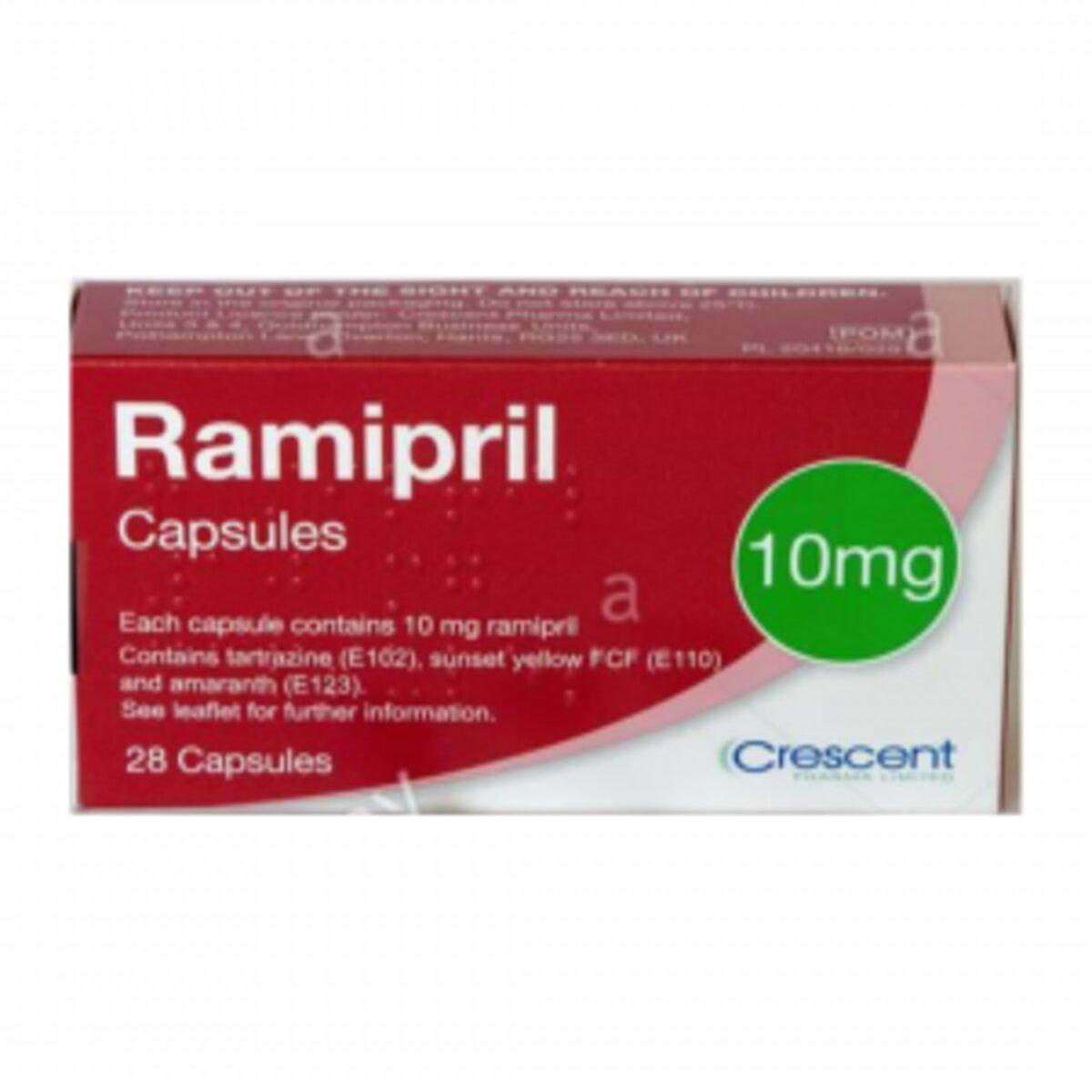
Ramipril is an ACE inhibitor, a blood pressure medicine that relaxes blood vessels and reduces strain on the heart. If you are asking what is ramipril, the practical answer is this: it is commonly used for high blood pressure, heart failure care, and risk reduction after certain heart attacks. It can also help protect the kidneys in some people, but it requires careful monitoring.
Why this matters: blood pressure medicines work best when you understand their purpose, limits, and warning signs. This guide explains ramipril in plain language so you can discuss your plan with your prescriber or pharmacist more confidently.
Key Takeaways
- Drug class: Ramipril is an ACE inhibitor, not a beta blocker, statin, or blood thinner.
- Main uses: It may treat high blood pressure, support heart failure care, and reduce cardiovascular risk in selected adults.
- Dosing varies: Prescribers often start low, then adjust based on blood pressure, labs, and side effects.
- Safety checks matter: Kidney function and potassium usually need baseline and follow-up testing.
- Urgent symptoms: Face, lip, tongue, or throat swelling needs emergency care.
What Ramipril Does in the Body
Ramipril helps lower blood pressure by interrupting the renin-angiotensin system, a hormone pathway that narrows blood vessels and affects salt and fluid balance. It blocks angiotensin-converting enzyme, which reduces angiotensin II, a vessel-tightening chemical. With less angiotensin II, blood vessels can relax and pressure may fall.
This action can also reduce the workload on the heart. In some people, especially those with heart disease or heart failure, easing that workload is part of long-term cardiovascular care. In certain kidney conditions, ACE inhibitors may lower pressure inside the kidney’s filtering units, which can reduce protein leakage in urine.
Ramipril is sometimes known by older brand names, including Altace. If you want more background on the branded version, see Altace Medication. For broader class context, ACE Inhibitors explains how medicines in this group compare with other cardiovascular treatments.
What Is Ramipril Used For?
Ramipril is used for several cardiovascular and kidney-related reasons, depending on the person’s diagnosis and risk profile. The most common use is hypertension, or high blood pressure. Lowering blood pressure can reduce the risk of stroke, heart attack, kidney damage, and other complications over time.
Clinicians may also prescribe ramipril after certain heart attacks, especially when the heart’s pumping function needs support. It can be part of a heart failure plan, often alongside other medicines that work through different pathways. Some people with diabetes or kidney disease may receive an ACE inhibitor when kidney-protective effects are clinically appropriate.
These uses do not mean ramipril is the right medicine for everyone. Pregnancy, a history of angioedema (deep swelling under the skin), certain kidney artery problems, high potassium, and some drug combinations can change the risk-benefit balance. Your prescriber should consider your diagnoses, lab results, blood pressure pattern, and current medicine list before choosing or changing therapy.
For a wider view of treatment options, Blood Pressure Medications compares common medicine classes without treating one option as best for every person.
Ramipril Dosage Basics and Why Monitoring Guides Changes
Ramipril dosage is individualized. Many adults start with a low dose, then increase gradually if blood pressure remains above target and side effects are manageable. Starting lower is especially common for people taking diuretics, older adults, or those with kidney concerns.
You may hear about ramipril 5mg, 10 mg, or other strengths during routine care. A 5 mg dose may be a middle step for some people, but it is not automatically “standard” or right for everyone. Some labels list higher total daily doses, but the appropriate upper limit depends on the indication, kidney function, potassium, other medicines, and tolerability.
Do not change the dose on your own. Instead, bring home blood pressure readings, symptoms, missed-dose patterns, and lab results to your care team. That information helps them judge whether the medicine is working, whether another drug class should be added, or whether side effects are limiting treatment.
Quick tip: Use the same validated cuff and seated technique for clearer trends.
If your clinician has asked you to track readings, averaging several home measurements can be more useful than reacting to one high number. This calculator can help organize a simple average for discussion; it does not replace clinical judgment.
Blood Pressure Average Calculator
Average home blood pressure readings and show a simple screening range.
These calculations are for education only and do not replace clinical advice, diagnosis, or treatment. Always confirm medical decisions with a qualified healthcare professional.
When Blood Pressure Stays High
Blood pressure still high on ramipril does not always mean the medicine has failed. Measurement errors, excess sodium, missed doses, decongestants, NSAIDs, pain, poor sleep, and stress can all raise readings. A cuff that is too small may also give falsely high results.
Your clinician may adjust the dose, add a complementary medicine, or check for secondary causes of hypertension. Common add-on classes include diuretics and calcium channel blockers, depending on other health factors. If you want to understand a common ACE inhibitor comparison, Ramipril vs Lisinopril covers key differences to discuss with a clinician.
Side Effects: Common, Serious, and Easy to Miss
Ramipril side effects range from mild and temporary to rare but serious. Common effects include dizziness, lightheadedness, fatigue, headache, and a dry cough. Dizziness may appear when starting therapy, increasing the dose, standing quickly, or becoming dehydrated.
A dry cough is a known ACE inhibitor effect. It can be irritating and may persist while the medicine is continued. Tell your clinician if a cough is ongoing, severe, or interfering with sleep, because other causes also need consideration.
Serious reactions need faster attention. Angioedema can cause swelling of the face, lips, tongue, throat, or airway. This can become dangerous quickly and warrants emergency care. Severe fainting, chest pain, very low urine output, or shortness of breath also need urgent medical review.
Ramipril can raise potassium and affect kidney function, especially in people with kidney disease, dehydration, heart failure, or interacting medicines. This is why baseline and follow-up blood tests often include creatinine, estimated glomerular filtration rate (eGFR), and potassium.
Side Effects in Older Adults
Ramipril side effects in elderly adults can be subtle. Dizziness, weakness, appetite changes, confusion, or falls may signal low blood pressure, dehydration, or electrolyte shifts. Older adults are also more likely to take several medicines, which can increase interaction risk.
Care teams often move slowly with dose changes in older adults. They may ask about standing symptoms, fluid intake, kidney function, and recent illness. A home log can help show whether symptoms occur after dosing, after meals, or when getting out of bed.
Does Ramipril Cause Weight Gain?
Weight gain is not usually considered a typical ramipril side effect. However, sudden weight gain can matter in people with heart failure because it may reflect fluid retention. Report rapid weight changes, new swelling in the legs, or worsening shortness of breath to a clinician promptly.
What to Avoid or Review Before Taking Ramipril
Several medicines, supplements, and health situations can make ramipril riskier. NSAIDs such as ibuprofen or naproxen may reduce the blood pressure-lowering effect and increase kidney stress, especially when combined with dehydration or diuretics. Occasional use may still be appropriate for some people, but it should be discussed if you use them often.
Potassium is another key issue. Salt substitutes often contain potassium chloride, and potassium supplements can raise levels too much when combined with ACE inhibitors. Ramipril and bananas are a common concern because bananas contain potassium. Most people do not need to avoid bananas automatically, but those with high potassium, kidney disease, or strict dietary limits should ask for individualized guidance.
Ramipril and coffee can usually be discussed in terms of blood pressure response. Caffeine may briefly raise blood pressure in sensitive people. If readings vary widely, note caffeine timing in your log so your clinician can interpret patterns more accurately.
Ramipril may be unsafe during pregnancy and should be reviewed urgently if pregnancy occurs or is planned. It may also be inappropriate after prior ACE inhibitor-related angioedema, with certain kidney artery conditions, or alongside some medicines that affect the same hormone pathway. Always share prescriptions, over-the-counter products, supplements, and herbal products before starting therapy.
For readers comparing broader cardiovascular topics, the Cardiovascular collection may help you find related educational resources. If kidney monitoring is central to your care, the Nephrology collection offers related kidney-health reading.
What Ramipril Is Not
Ramipril is not a beta blocker. Beta blockers mainly reduce heart rate and the effect of stress hormones on the heart. ACE inhibitors work through the angiotensin pathway and do not primarily slow the heart rate.
Ramipril is also not a statin. Statins lower cholesterol by reducing cholesterol production in the liver. Some people take ramipril and statins together when both blood pressure and cholesterol risk need treatment, but the specific combination should be checked by a prescriber or pharmacist.
Ramipril is not a blood thinner. It does not prevent clotting in the way anticoagulants or antiplatelet medicines do. It is also not a calcium channel blocker, another blood pressure medicine class that relaxes blood vessels through a different mechanism.
These distinctions matter because each class has different monitoring needs. For example, ACE inhibitors often require kidney and potassium checks, while other classes may require different symptom tracking. If long-term medicine concerns are on your mind, Long-Term Side Effects discusses how to frame safety questions over time.
Practical Questions to Bring to Your Care Team
Ramipril works best as part of a monitored plan, not as a stand-alone fix. Lifestyle measures, home readings, lab results, and other medicines all influence the plan. Your care team can help decide whether the dose, timing, or combination therapy needs adjustment.
- Blood pressure goal: Ask what range applies to you.
- Lab schedule: Confirm when potassium and kidney tests are due.
- Dizziness plan: Ask what symptoms should prompt contact.
- Interaction review: Bring NSAIDs, supplements, and salt substitutes.
- Sick-day advice: Ask what to do with vomiting, diarrhea, or poor intake.
- Pregnancy planning: Discuss safer alternatives before conception.
Example: A person who feels lightheaded after morning dosing may benefit from documenting timing, meals, fluid intake, and standing symptoms. That record helps the clinician decide whether timing, dose, or another factor needs review.
If you are reviewing prescription access options, product pages such as Ramipril HCL can help you confirm names and formulations to discuss with a clinician. BorderFreeHealth connects U.S. patients with licensed Canadian partner pharmacies, and prescription details may be verified with the prescriber when required before dispensing.
Authoritative Sources
For official consumer drug information, review the MedlinePlus ramipril drug monograph. It summarizes uses, precautions, and safety issues in patient-friendly language.
For practical dosing and missed-dose context, the NHS ramipril dosing information offers clear public guidance.
For a clinician-facing overview of ACE inhibitors, the NCBI Bookshelf ACE inhibitor review describes class effects, contraindications, and monitoring considerations.
Recap
So, what is ramipril in everyday terms? It is an ACE inhibitor used to lower blood pressure and reduce strain on the heart and blood vessels. It may also support kidney protection in selected people, but it requires attention to side effects, interactions, potassium, and kidney function.
The safest next step is not self-adjusting the dose. Track readings, symptoms, and medicine changes, then bring that information to your prescriber or pharmacist. Clear records make shared decisions easier and safer.
This content is for informational purposes only and is not a substitute for professional medical advice.


