

Please note: a valid prescription is required for all prescription medication.
Beovu Pre-filled Syringe
Buy Beovu Pre-filled Syringe Online
Secure Encrypted Payments
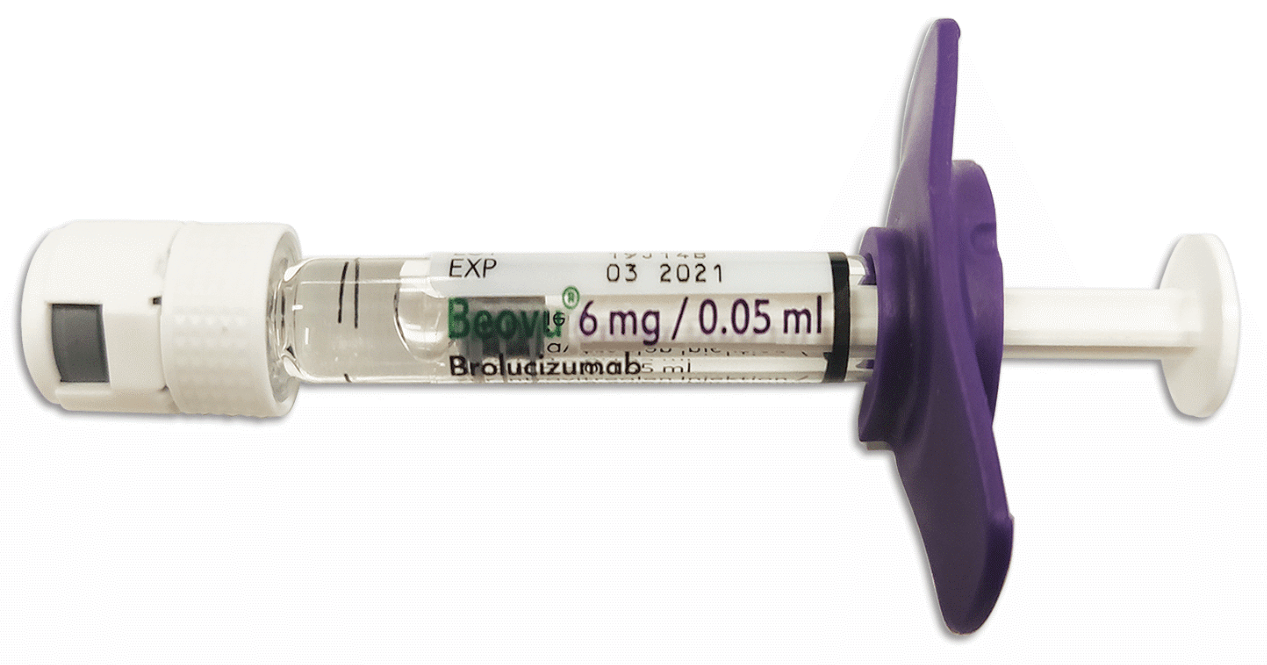
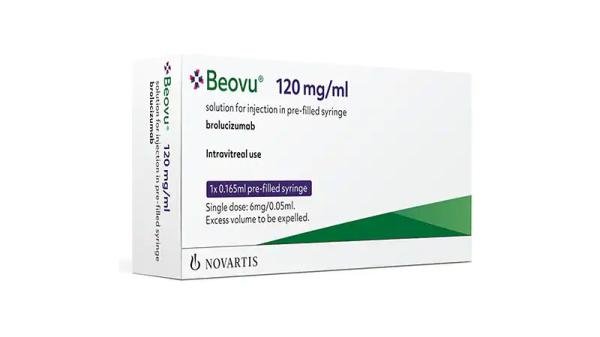
Beovu Pre-filled Syringe is a single-dose intravitreal medicine containing brolucizumab, an anti-VEGF treatment administered by an ophthalmology professional. You can buy Beovu Pre-filled Syringe online, view current cost information during ordering, and match the available strength to the directions from your eye specialist. The commonly referenced presentation is Beovu 6 mg/0.05 mL Pre-filled Syringe for injection into the eye in a clinic setting.
This medicine is not self-injected at home. It is prepared using sterile technique and given into the vitreous gel of the eye during a retina visit. Follow-up eye checks matter because the same visit plan helps track retinal fluid, vision changes, eye pressure, inflammation, and rare but urgent complications.
Price, Strength, and Ordering Basics
Beovu Prefilled Syringe Price can vary by sourcing route, temperature-controlled handling, and the clinic workflow used for administration. During ordering, choose the strength shown for the product and make sure it matches the treatment plan provided by the ophthalmology team. If you are paying out of pocket, it can help to review the medication cost separately from the injection visit fee charged by the clinic.
The product is supplied as a single-dose prefilled syringe intended for intravitreal use. Beovu 6 mg/0.05 mL is the commonly referenced dose delivered into the eye, and any remaining solution is discarded after the procedure. Because this is a biologic medicine and not a routine retail item, clinic coordination is often part of practical planning.
US delivery from Canada may be used for cross-border service when the order is arranged through licensed pharmacy channels. For browsing related eye-care medicines, the ophthalmology medication category can help place Beovu alongside other prescription eye products used in specialist care.
What This Anti-VEGF Injection Treats
Brolucizumab is an anti-VEGF medicine. VEGF means vascular endothelial growth factor, a body signal involved in abnormal blood vessel growth and fluid leakage. Blocking VEGF activity can help reduce leakage in retinal diseases where fragile blood vessels affect the macula, the central part of the retina used for detailed vision.
Beovu is used by retina specialists for neovascular, or wet, age-related macular degeneration. This condition can cause central vision distortion, blurry spots, or vision loss when abnormal vessels leak under or near the retina. Diagnosis usually depends on an eye exam and imaging such as optical coherence tomography, often called OCT. More background is available in the neovascular age-related macular degeneration condition section.
Some regulatory labels also discuss diabetic macular edema in certain markets. The exact reason for treatment, injection interval, and monitoring plan should come from the treating eye specialist, because retinal imaging and prior response guide decisions. Beovu should not be viewed as a general eye drop, pain medicine, or home vision supplement.
How Clinic Administration Usually Works
Beovu Pre-filled Syringe is administered as an intravitreal injection, meaning the medicine is injected into the vitreous gel inside the eye. The clinic typically cleans the eye area, uses sterile equipment, applies numbing medicine, and follows a controlled injection process. The prefilled syringe format helps standardize preparation by providing a measured single-dose presentation.
Many label-based schedules begin with injections about four weeks apart, then move to longer maintenance intervals when the retina remains stable. Some patients may stay on shorter intervals if fluid returns or vision findings change. The important point is that the schedule is individualized by the retina specialist, not adjusted by the patient between visits.
Why it matters: Clinic-only administration supports sterile technique and fast evaluation if new symptoms appear after injection.
Retina visits may include vision testing, eye pressure measurement, dilated examination, and OCT imaging. These checks help the clinician decide whether the medicine is controlling leakage and whether safety concerns need attention. For general ophthalmology topics, the ophthalmology article category offers broader eye-care reading.
Storage, Handling, and Transport to the Clinic
Beovu is a biologic medicine that is typically stored refrigerated and protected from light according to labeling. It should not be frozen, and it should not be shaken. Rough handling can affect sensitive biologic medicines, so the carton and inserts should remain available for clinic staff.
Clinics may allow the carton to warm to room temperature before preparation, but timing and handling should follow the official instructions for the specific product. Patients should not open the sterile syringe packaging or attempt to prepare the injection. If a shipment is sent to a clinic address, the office should know in advance that refrigerated handling may be needed.
Quick tip: Bring or keep the carton information with the medicine so the clinic can verify product handling before use.
Side Effects, Warnings, and Monitoring
Intravitreal anti-VEGF injections can cause short-lived effects related to the injection procedure. Commonly discussed reactions include eye discomfort, redness, small surface bleeding, floaters, and temporary increases in eye pressure. Mild irritation can occur after an injection, but symptoms should be interpreted through the clinic’s post-injection instructions.
Serious risks are uncommon but important. They can include endophthalmitis, which is a serious eye infection, retinal tear or detachment, significant intraocular inflammation, retinal vasculitis, and retinal vascular occlusion. These complications can threaten vision and need urgent assessment. Eye specialists also monitor for arterial thromboembolic events, such as stroke, because anti-VEGF medicines can have systemic effects even when injected into the eye.
Do not use this medicine in an eye with active ocular or periocular infection, or active intraocular inflammation. A clinician will also consider prior allergic reactions, recent eye surgery, other intravitreal therapies, and a history of certain cardiovascular or cerebrovascular events. Pregnancy and breastfeeding should be discussed with the treating clinician because systemic exposure is low but not zero.
- Severe eye pain needs urgent clinical evaluation.
- Sudden vision loss should be treated as an emergency.
- Increasing redness, discharge, or swelling may signal infection.
- New flashes, many floaters, or a curtain-like shadow may suggest retinal detachment.
- Marked light sensitivity can be a sign of inflammation.
Keep a written record of new symptoms, when they started, and whether vision changed. That information helps the clinic decide how quickly you need to be seen. Do not wait for a routine appointment if the clinic’s warning signs occur.
Drug Interactions and Practical Cautions
Because brolucizumab is injected into the eye, classic interactions with tablets or capsules are less common than with many oral medicines. Even so, the full medication list still matters. Steroids, immunosuppressive medicines, recent antibiotic use, blood thinners, or other eye treatments can influence the safety discussion around repeated injections.
Tell the ophthalmology team about recent eye infections, eye surgery, inflammation, glaucoma concerns, or prior reactions after intravitreal injections. The clinic may also ask about stroke, transient ischemic attack, heart attack, and vascular disease history. These factors do not automatically determine treatment, but they can affect monitoring and risk-benefit decisions.
Beovu should be administered by a trained eye-care professional using aseptic technique. It is not a medicine to split, reuse, transfer into another container, or save after the injection. Single-dose products are discarded after use to reduce contamination risk.
Is Beovu Still Used, and What About the Safety Controversy?
Beovu remains a marketed anti-VEGF option in settings where clinicians decide it is appropriate. The main controversy has involved reports of intraocular inflammation, retinal vasculitis, and retinal vascular occlusion after use. These risks are part of the safety conversation and are one reason careful symptom screening and follow-up are so important.
A recall question can arise because safety communications and labeling updates have occurred in relation to these inflammatory events. A recall is different from updated warnings, post-marketing surveillance, or a clinician choosing a different therapy for a patient. If you have concerns about a specific lot, device, or recent notice, ask the clinic or pharmacy to verify current product information before the injection appointment.
Do not assume that Beovu is better than Eylea, Lucentis, or another anti-VEGF medicine for every person. Retina specialists compare the retinal diagnosis, OCT response, injection history, visit burden, inflammation risk, and medical history. The right choice depends on clinical findings rather than brand preference alone.
How It Compares With Other Retina Treatments
Beovu, aflibercept, ranibizumab, and other anti-VEGF therapies aim to reduce VEGF-driven leakage in the retina. Differences may involve molecule design, approved indications by country, dosing interval flexibility, syringe or vial format, and safety profile. The practical goal is to protect central vision while balancing injection frequency and risk.
Some patients switch anti-VEGF medicines when retinal fluid persists, injection intervals are difficult, or a safety concern appears. Others stay with a therapy that controls leakage and is well tolerated. These decisions are usually based on repeated imaging, visual acuity trends, and the treating specialist’s judgment.
| Decision point | What the clinic may consider |
|---|---|
| Disease activity | OCT fluid, bleeding, and vision changes |
| Visit interval | How long the retina stays stable between injections |
| Safety history | Inflammation, infection risk, or vascular events |
| Handling format | Prefilled syringe workflow versus other presentations |
The broader ophthalmology medicines collection can be useful when discussing adjacent products with a clinician, but treatment selection should remain tied to the eye exam and imaging results.
Cash-Pay and Cross-Border Cost Planning
People often look for Beovu cost per syringe, brolucizumab price, or Canadian pricing when insurance coverage is limited or unavailable. The amount paid can depend on the product source, cold-chain handling, and the clinic’s administration charge. Separating the medication price from the clinical visit cost gives a clearer picture of total out-of-pocket spending.
If the medicine is being delivered to a clinic, confirm the receiving address, appointment timing, and storage expectations before the shipment is arranged. prompt, express shipping may be relevant for temperature-sensitive specialty medicines, but the clinic should still verify the carton and handling details on arrival.
Country-of-origin information may also matter to some customers when reviewing pharmacy-supplied products. BorderFreeHealth includes a Canada country-of-origin section for browsing products associated with Canadian sourcing.
Authoritative Sources
Official labeling and regulator-reviewed product information are the best sources for indications, preparation steps, contraindications, warnings, and adverse reactions. Clinic instructions should also be followed because the treating specialist applies those details to the eye being treated and the monitoring plan.
- Official Beovu prescribing information
- National Eye Institute age-related macular degeneration overview
- Peer-reviewed discussion of prefilled syringes with intravitreal anti-VEGF drugs
This content is for informational purposes only and is not a substitute for professional medical advice.
Express Shipping - from $29.99
Shipping with this method takes 3-5 days
Prices:
- Dry-Packed Products $29.99
- Cold-Packed Products $39.99
Shipping Countries:
- United States (all contiguous states**)
- Worldwide (excludes some countries***)
Standard Shipping - $19.99
Shipping with this method takes 5-10 days
Prices:
- Dry-Packed Products $19.99
- Not available for Cold-Packed products
Shipping Countries:
- United States (all contiguous states**)
- Worldwide (excludes some countries***)
What is Beovu Pre-filled Syringe used for?
Beovu Pre-filled Syringe contains brolucizumab, an anti-VEGF medicine used by retina specialists for neovascular, or wet, age-related macular degeneration. Some labels also discuss diabetic macular edema in certain markets. The treating ophthalmology team determines whether it fits the diagnosis and imaging findings.
Can Beovu be self-injected at home?
No. Beovu is given as an intravitreal injection into the eye by a trained ophthalmology professional using sterile technique. Patients should not open, prepare, reuse, or inject the syringe themselves.
Is Beovu still on the market?
Beovu remains a marketed anti-VEGF medicine in settings where clinicians consider it appropriate. Safety concerns about intraocular inflammation, retinal vasculitis, and retinal vascular occlusion are part of current monitoring and patient counseling.
Is Beovu better than Eylea?
Beovu is not automatically better than Eylea or other anti-VEGF options. Retina specialists compare diagnosis, OCT response, treatment interval, prior reactions, inflammation risk, and medical history before choosing or switching therapy.
What side effects need urgent attention after Beovu?
Urgent symptoms include severe eye pain, sudden vision loss, increasing redness or discharge, new flashes, many new floaters, a curtain-like shadow, or marked light sensitivity. These symptoms can signal infection, inflammation, or retinal detachment and should be assessed promptly.
Rewards Program
Earn points on birthdays, product orders, reviews, friend referrals, and more! Enjoy your medication at unparalleled discounts while reaping rewards for every step you take with us.
You can read more about rewards here.
POINT VALUE
How to earn points
- 1Create an account and start earning.
- 2Earn points every time you shop or perform certain actions.
- 3Redeem points for exclusive discounts.
You Might Also Like
Select options
This product has multiple variants. The options may be chosen on the product page
Select options
This product has multiple variants. The options may be chosen on the product page
Select options
This product has multiple variants. The options may be chosen on the product page
Select options
This product has multiple variants. The options may be chosen on the product page