
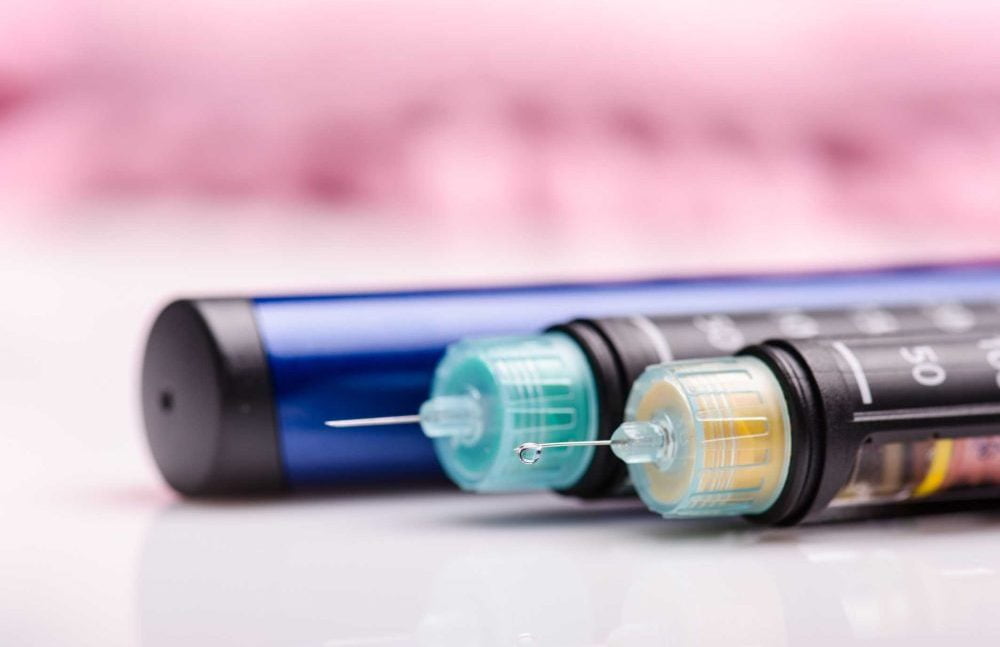
Insulin pens are handheld devices that store insulin and let you dial a measured dose for a subcutaneous (under-the-skin) injection. The main types of insulin pens are disposable prefilled pens, reusable cartridge pens, and smart pens that add dose tracking. Knowing the differences matters because setup, cartridge fit, storage rules, and safety steps are not identical. A pen can feel simpler than a vial and syringe, but it still needs careful handling.
Not every pen system works the same way, and not every insulin comes in every device. If you are newly sorting through diabetes treatment choices, the Diabetes Hub and Type 2 Diabetes Articles can help with the bigger picture before you compare specific devices.
Why it matters: Small technique errors can change how much insulin is delivered.
Key Takeaways
- Insulin pens usually fall into disposable, reusable, or smart categories.
- The pen body, needle, priming step, and storage rules may differ by device.
- Pens should never be shared, even if the needle is changed.
- Not every cartridge works with every reusable pen.
- Label checks, site rotation, and correct storage are core safety habits.
BorderFreeHealth connects U.S. patients with licensed Canadian partner pharmacies.
Types of Insulin Pens at a Glance
Most insulin pens fit into three practical groups. The first two are the standard device types used in everyday care. The third adds digital features that may help some people track dosing. When people compare pen options, the biggest differences are how the insulin is supplied, how much setup the device needs, and whether the pen can be reused.
Disposable prefilled pens come with insulin already inside the device. Once the insulin is used up, the whole pen is discarded. Many people like them because they involve fewer parts and less assembly. They can feel easier to learn at first, especially if you are new to insulin or want a straightforward routine.
Reusable pens keep the outer pen body and use replaceable insulin cartridges. This design can mean less device waste, but it also requires more attention to cartridge compatibility. Not every cartridge fits every pen. A reusable device only works safely if the insulin cartridge, pen body, and instructions all match.
Smart pens or connected pen systems add memory or app-based tracking. Depending on the device, they may record dose timing, dose amount, or reminders. Some people find that useful, especially when they take more than one insulin dose each day. Others may prefer a simpler device with fewer steps. Either way, the digital features do not replace the need to confirm the right insulin and follow the instructions for that specific pen.
| Pen Type | How It Is Supplied | Why Some People Choose It | Main Watchout |
|---|---|---|---|
| Disposable prefilled | Insulin is already inside the pen | Less setup and fewer parts | The whole pen is discarded when empty |
| Reusable cartridge | A new insulin cartridge is inserted into the pen body | Reusable device body and flexible setup | Cartridge and pen must be compatible |
| Smart or connected | Standard pen delivery with memory or app features | Dose tracking and reminders for some users | Features vary by device and may add setup steps |
The best match depends on the insulin prescribed, your comfort with device setup, your vision or hand strength, and whether tracking features would actually help day to day. The pen itself is only one part of the decision. The insulin product and your training matter just as much.
How an Insulin Pen Works
An insulin pen works by holding insulin in a cartridge or pen reservoir, then using a dial or button to deliver a measured dose through a small pen needle. In simple terms, it is a more contained way to inject insulin than drawing a dose from a vial with a syringe. The goal is the same: reliable delivery of the prescribed amount into fatty tissue under the skin.
The Basic Parts
Most pens have a cap, a dose window, a dial or button, and a place to attach a pen needle. Reusable models also have a chamber for the insulin cartridge. Smart versions may add a screen, memory function, or app connection. The pen needle is usually attached just before use and removed afterward. That matters because leaving a needle on the pen can allow leaking, air entry, or contamination.
Common injection areas include the abdomen, thigh, upper arm, or buttocks when those sites are part of your training plan. Rotating sites helps lower the risk of lipohypertrophy (fatty lumps under the skin), which can affect how insulin is absorbed. This is one reason site choice is not just about comfort. It can affect consistency too.
Why Priming Matters
Many devices require a priming step, sometimes called an air shot, after a new needle is attached. Priming helps confirm that insulin can flow through the needle and that the pen is ready to deliver a dose. The amount, method, and wording vary by product, so the device instructions matter. If you skip a required priming step, you may not get the dose you expected.
It is also important to look at the insulin before use. Some insulin should look clear, while other products are meant to appear cloudy after proper mixing steps. If the appearance seems off, the label does not match, or the insulin has been exposed to extreme temperatures, it is safer to pause and confirm the instructions than to guess.
Using an Insulin Pen for the First Time
Using an insulin pen for the first time is usually manageable once you learn the sequence. The safest approach is to slow down, confirm the product label every time, and follow the instructions that came with the exact device you have. Even pens that look similar can have different priming steps, displays, or hold times after the dose is delivered.
- Wash your hands and gather the pen, a new pen needle, and disposal supplies.
- Check the pen label carefully to confirm the right insulin and the right person.
- Inspect the insulin appearance and the expiration date before attaching the needle.
- Attach a new pen needle the way the device instructions describe.
- Prime the pen if that step is required for your device.
- Dial the prescribed dose, then choose the instructed injection site.
- Inject as trained and hold the pen in place for the time listed in the instructions.
- Remove the needle after the injection and place it in an appropriate sharps container.
A first injection often feels harder than the later ones, mostly because the order of steps is unfamiliar. That is normal. What helps is keeping the routine consistent: label check, inspect, attach, prime if needed, dial, inject, remove the needle, store the pen correctly. If your insulin needs any special mixing or rolling step, use the product instructions rather than assuming all pens work the same way.
If you have limited hand strength, arthritis, tremor, or vision changes, device choice matters. Some people do better with larger dose windows, stronger clicks, easier grips, or fewer assembly steps. A pharmacist or diabetes educator can usually show the differences between devices without changing your treatment plan.
Safety Tips and Common Mistakes
Most insulin pen errors are preventable. The usual problems are not dramatic device failures. They are everyday mistakes like choosing the wrong pen, skipping a required step, reusing parts, or storing the pen incorrectly. Safe use depends on routine, not speed.
- Sharing a pen: A pen should be for one person only, even if the needle is changed.
- Skipping the label check: Pens can look alike, especially if more than one insulin is stored together.
- Forgetting a new needle: Reused needles can dull, bend, or clog more easily.
- Skipping priming: If the device requires it, missing that step can affect delivery.
- Leaving the needle on: That can allow leaking, air entry, or contamination between doses.
- Forcing the wrong cartridge: Reusable systems are not universally interchangeable.
- Using the same spot repeatedly: That can increase the chance of lipohypertrophy.
- Ignoring storage instructions: Heat, freezing, and direct light can damage insulin.
One pen, one person is a core rule. Sharing is not made safe by changing the needle because contamination can still occur inside the device. If several people in a home use insulin, separate storage and large, clear labeling can reduce mix-ups. That is especially important when pens have similar colors or caps.
It also helps to build small checkpoints into the routine. Read the label out loud. Look at the dose window before injecting. Remove the needle right after use. Rotate to a different site. These steps are simple, but they protect against the most common problems.
When prescriptions are required, pharmacies verify details with the prescriber before dispensing.
Insulin Pens vs Syringes: Differences That Matter
Insulin pens and syringes can both deliver insulin safely when used correctly. The real difference is how the dose is prepared and how the device fits into daily life. Pens keep the insulin in a contained device and use a dial or button. Syringes draw insulin from a vial before each injection. That means the best option is often the one you can read, grip, and use correctly on a consistent basis.
Some people prefer pens because they are portable, discreet, and easier to carry to work, school, or travel. Others may prefer syringes in situations where a specific product is not available in a compatible pen or where they are already comfortable with that method. Neither tool is automatically better for everyone. Training, confidence, and product availability all shape the choice.
- Ease of setup: Pens may reduce preparation steps, but each device still has a learning curve.
- Visibility and grip: Dose windows, clicks, and button pressure can matter more than people expect.
- Compatibility: Reusable pens only work with the right cartridges and parts.
- Tracking features: Smart pens may help some users remember timing and dose history.
If you are comparing devices, ask practical questions instead of assuming all pens are simpler. Can you read the numbers clearly? Can you press the button fully? Do you need a reusable setup or fewer parts? Would app tracking help, or would it just add one more step? Those questions often matter more than the device category alone.
Storage, Travel, and Troubleshooting
Storage and travel habits can affect whether a pen works as expected. Unopened pens and pens already in use may have different storage instructions, so the label and package insert matter. In general, insulin should be protected from extreme heat, freezing, and direct sunlight. Leaving a pen in a hot car, near a heater, or in checked luggage can create avoidable problems.
Travel adds a few extra steps, but planning usually makes it easier:
- Pack backup supplies: Bring extra needles and a backup pen when possible.
- Keep labels visible: Original packaging can help confirm the product during travel.
- Protect from temperature swings: Use a travel case that helps shield the pen from extremes.
- Carry supplies with you: If you fly, keeping them nearby lowers the risk of loss.
- Plan disposal: Know how you will store used needles until you can dispose of them safely.
When a Pen Seems Off
A pen may need attention if the dial is hard to turn, insulin leaks after the injection, the needle seems blocked, the dose window is hard to read, or the pen was dropped or exposed to extreme temperatures. Unexplained blood glucose changes after a new pen, new cartridge, or technique change also deserve a closer look. The issue may be the device, the needle, the storage conditions, or the injection routine.
Quick tip: Keep the pen instructions, or a photo of them, in your travel kit.
If you are ever unsure whether a dose was fully delivered, do not rely on guesswork. Follow the instructions you were given for uncertain or missed doses, and contact your diabetes care team or pharmacist if the device keeps acting unusually. Repeated problems are a sign that the pen, needle, or technique needs review.
Where Insulin Pens Fit in Diabetes Care
Insulin pens are a delivery format, not a separate type of diabetes treatment. People with type 1 diabetes often use pens for both basal (background) and mealtime insulin. People with type 2 diabetes may use a pen for long-acting insulin alone, mealtime insulin, or a more complex plan, depending on the situation. The pen choice matters, but it sits inside a larger care plan that may also involve monitoring, food planning, activity, and other medicines.
Some people without insurance consider cash-pay cross-border prescription options when eligible.
For broader context, the Type 2 Diabetes Hub is a helpful place to browse related treatment topics. If you are comparing insulin with other diabetes therapies, you may also want deeper reading on non-insulin medicines such as Jardiance Uses, Jardiance and Farxiga, Dapagliflozin Uses, and Dapagliflozin Overview.
Diabetes care often overlaps with heart and kidney health as well. That wider picture is why related reading like Metformin and Heart Failure and Diabetes and Heart Attacks can be useful alongside device education. The pen is important, but it is still only one part of managing diabetes well.
Authoritative Sources
- American Diabetes Association overview of insulin pens
- Cleveland Clinic overview of insulin pen injections
- ISMP safe subcutaneous insulin guidance
Insulin pens can make insulin delivery feel more organized, but safer use depends on understanding your exact device. Once you know the pen type, confirm compatibility, and follow the storage and injection steps, you can reduce many common mistakes. Further reading through the hubs above can help place pen use in the broader picture of diabetes care.
This content is for informational purposes only and is not a substitute for professional medical advice.


