
Please note: a valid prescription is required for all prescription medication.
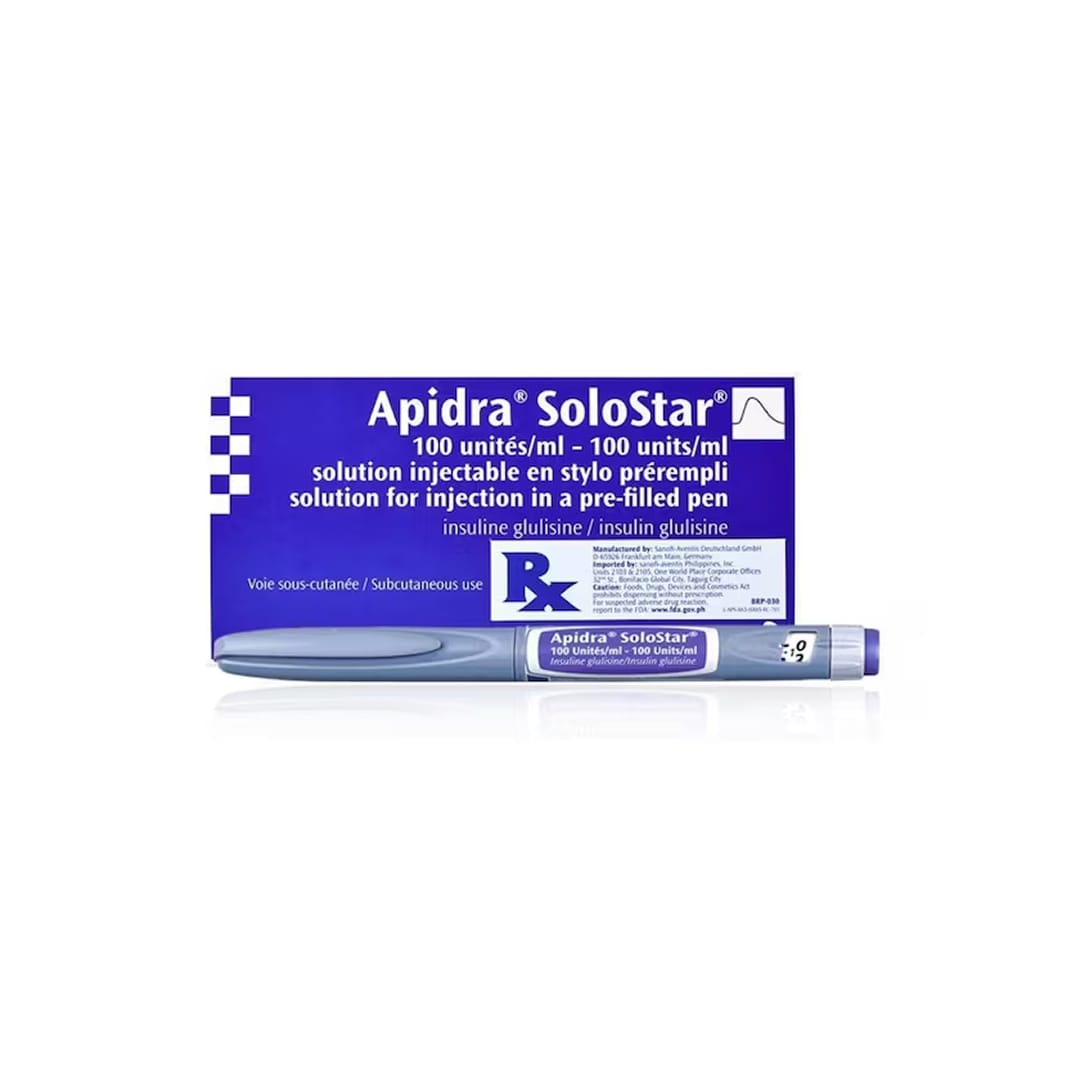
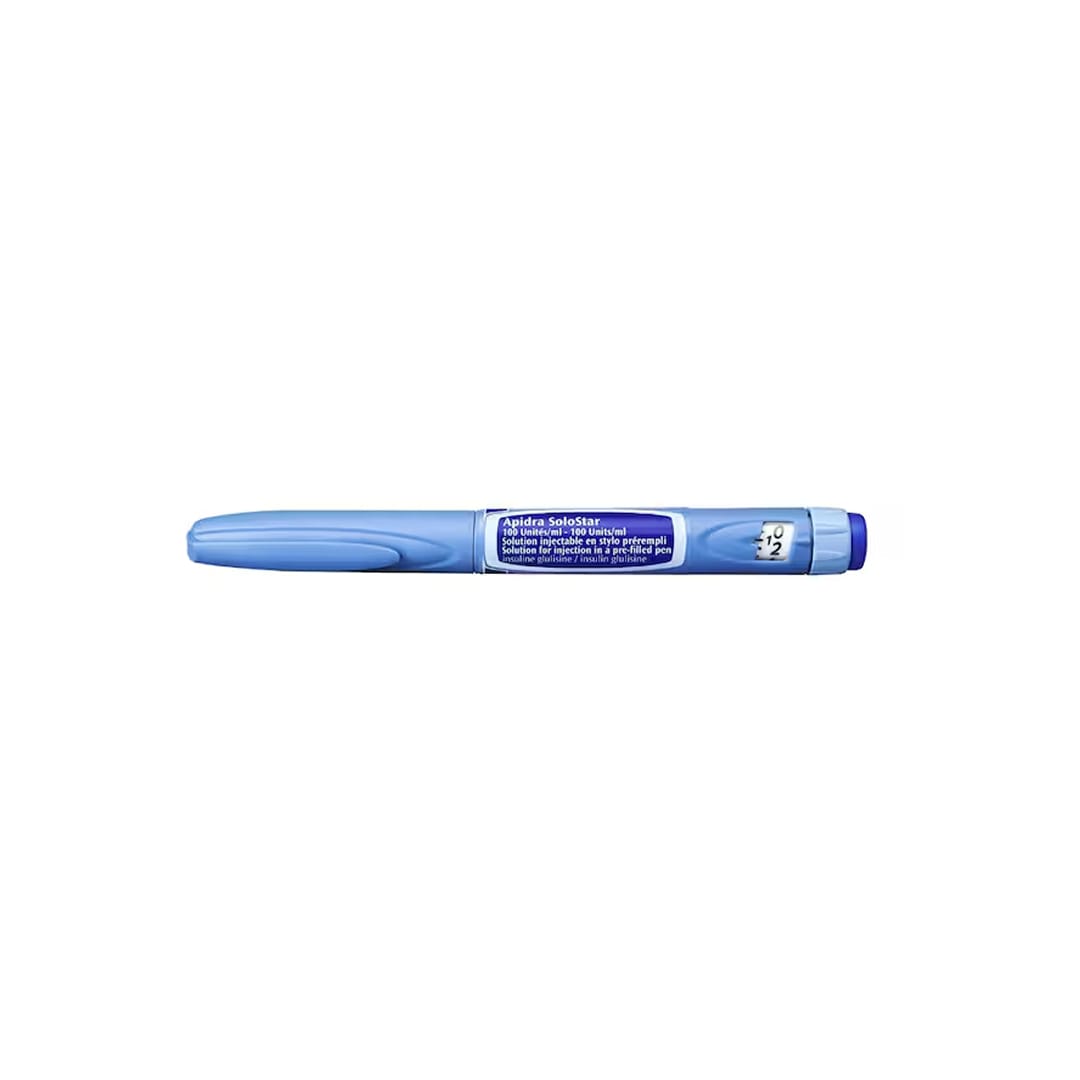
Apidra Solostar Pens
Buy Apidra Solostar Pens Online
Secure Encrypted Payments
Apidra Solostar Pens contain insulin glulisine, a rapid-acting mealtime insulin used to help control blood sugar rises around food. Apidra SoloStar Pens can be bought online, with current price information shown during ordering and the 100 Units/mL 3 mL pen format matched to your clinician’s directions. This disposable prefilled pen is designed for single-patient use and should be used with compatible pen needles, which are not included in the carton.
The SoloStar format matters because it is a delivery device as well as an insulin medicine. Apidra is the insulin glulisine medication, while SoloStar identifies the prefilled pen used to inject it. Choosing the correct form helps prevent mix-ups with vials, cartridges, reusable devices, or long-acting insulin products used for different parts of a diabetes plan.
Price, Pen Format, and Ordering Basics
Apidra Solostar Pens are supplied as prefilled disposable insulin pens at 100 Units/mL. Each 3 mL pen contains 300 units of insulin glulisine, and a typical carton contains 5 pens. During ordering, choose the available Apidra SoloStar 100 Units/mL pen quantity that matches your written treatment directions and refill needs.
The Apidra SoloStar pen price can vary by quantity, pharmacy sourcing, and whether separate supplies are needed. Pen needles are not packed inside the Apidra SoloStar carton, so plan for compatible needles, glucose monitoring supplies, and safe sharps disposal. Products are supplied through licensed pharmacies, and order details may be checked when needed for safe processing.
Some customers use US delivery from Canada for cash-pay insulin refills. If shipping applies to your order, logistics may include prompt, express shipping. Keep insulin temperature needs in mind when planning travel, refills, or timing around your current supply.
Quick tip: Make sure the pen format, concentration, and quantity match your current diabetes plan before you reorder.
What Kind of Insulin Is Apidra SoloStar?
Apidra SoloStar is a rapid-acting insulin glulisine pen. Rapid-acting insulin starts working quickly and is commonly used with meals or correction dosing as directed by a clinician. It helps move glucose from the bloodstream into cells, which can lower blood sugar after eating.
Apidra is used in diabetes care for people who need mealtime insulin support, including many people with type 1 diabetes and some people with type 2 diabetes. It is not the same as a long-acting basal insulin. Many insulin plans combine a rapid-acting mealtime insulin with a separate background insulin, but the roles are different.
For broader condition information, the store also organizes diabetes information by type 1 diabetes and type 2 diabetes. Those sections can help frame why a clinician may choose mealtime insulin, but your Apidra SoloStar dose and timing should come from your own care plan.
Apidra SoloStar Pen Details
The Apidra SoloStar insulin pen is a disposable, single-patient-use device. It is not a reusable pen and it is not refilled after the insulin is gone. This distinction is important if you have previously used cartridges, vials, syringes, or another pen system.
| Feature | Apidra SoloStar detail |
|---|---|
| Active ingredient | Insulin glulisine |
| Insulin type | Rapid-acting mealtime insulin |
| Concentration | 100 Units/mL |
| Pen volume | 3 mL prefilled pen |
| Total insulin per pen | 300 units |
| Device type | Disposable single-patient-use pen |
| Typical carton | 5 pens per carton |
| Needles | Compatible pen needles are required and are not included |
The solution should look clear and colorless before use. Do not use a pen if the insulin looks cloudy, colored, or contains particles. The pen label should be read before every injection, especially if more than one insulin is stored at home.
How Apidra SoloStar Is Used Around Meals
When used as a mealtime insulin, Apidra is generally taken within 15 minutes before a meal or within 20 minutes after starting a meal, according to official labeling and manufacturer instructions. Timing matters because insulin glulisine works quickly. Using it without food when food is expected, or delaying a meal after dosing, may increase the risk of low blood sugar.
Apidra SoloStar dosing is individualized. The amount may depend on glucose readings, carbohydrate intake, meal timing, activity, illness, other diabetes medicines, and whether a separate basal insulin is used. Do not change your dose, timing, or insulin type without clinical guidance, because small insulin changes can have meaningful effects.
High-level pen steps include attaching a new compatible needle, priming the pen as instructed, dialing the directed dose, injecting into an appropriate site, and holding the pen in place for the required time. Rotate injection areas to help reduce skin thickening, pits, or irritation. Remove the needle after use and store the capped pen as directed.
Why it matters: Confusing rapid-acting insulin with long-acting insulin can cause serious blood sugar problems.
Regular Insulin, Apidra, and Other Rapid-Acting Options
Apidra differs from regular human insulin mainly in how quickly it works. Regular insulin usually has a slower onset and is often taken farther ahead of meals. Apidra is a rapid-acting insulin analog, so it is designed for closer timing around food when used as directed.
Other rapid-acting insulin analogs include insulin lispro and insulin aspart. They may be used for similar mealtime goals, but they are not automatically interchangeable. The insulin name, device instructions, timing, and individual glucose response all matter.
Apidra SoloStar is also different from Lantus SoloStar, even though both use the SoloStar pen platform. Lantus is a long-acting basal insulin used for background control between meals and overnight. Apidra is used for mealtime coverage. If your care plan uses both, storage routines and label checks are essential.
Storage, Travel, and Needle Handling
Insulin can lose reliability if it freezes, overheats, or sits in direct heat. Unopened Apidra SoloStar pens are generally stored in a refrigerator until first use and protected from freezing. Once a pen is in use, follow the labeled in-use storage period and room-temperature instructions.
Keep the pen cap on when the device is not being used. Do not store a pen with the needle attached, because this can allow leakage, air entry, needle blockage, or contamination. Used needles should go into an appropriate sharps container, not loose household trash.
Travel requires extra planning. Carry insulin, pen needles, glucose supplies, and a medication list in carry-on baggage when flying, because checked luggage can experience temperature extremes. If a trip will last longer than the in-use period of an opened pen, plan replacement supply before leaving.
Diabetes supplies and related products can be browsed through the diabetes care category. Country-of-origin browsing is also available for products associated with Canada.
Side Effects, Warnings, Interactions, and Monitoring
The most important safety risk with Apidra SoloStar is hypoglycemia, which means blood sugar drops too low. Symptoms may include shaking, sweating, hunger, headache, dizziness, irritability, confusion, fast heartbeat, or weakness. Severe low blood sugar can cause seizure, loss of consciousness, or an inability to swallow, and it requires urgent help.
Injection-site reactions can also occur. Redness, itching, swelling, pain, or skin changes may appear where insulin is injected. Rotating injection areas helps reduce the chance of lipodystrophy, a skin and fat-tissue change that can affect how insulin absorbs.
- Do not use Apidra during an active low blood sugar episode.
- Never share an Apidra SoloStar pen, even if the needle is changed.
- Use a new compatible pen needle for each injection.
- Monitor glucose as directed, especially when meals, activity, or illness changes.
- Seek urgent help for severe allergy symptoms, fainting, seizure, or breathing trouble.
Some medicines can change insulin needs or make low blood sugar harder to recognize. Other diabetes medicines may increase hypoglycemia risk. Corticosteroids, certain diuretics, and some antipsychotic medicines can raise blood sugar. Beta-blockers may mask warning signs such as a fast heartbeat. Alcohol can make glucose patterns less predictable, especially when meals are delayed or smaller than usual.
Kidney or liver problems may affect insulin handling. Illness, vomiting, infection, fever, skipped meals, or major activity changes can also shift glucose needs. People using thiazolidinediones such as pioglitazone or rosiglitazone with insulin may need monitoring for fluid retention and heart failure symptoms, including swelling, rapid weight gain, or shortness of breath.
Refills and Practical Supply Planning
Apidra SoloStar supply planning should account for the pen, needles, glucose testing supplies, and safe disposal. Because each pen is disposable, it should be replaced when empty or when the in-use period has passed, even if insulin remains. Do not try to refill the pen or transfer insulin into another device.
People paying cash may focus on the Apidra insulin pen price, but the full treatment supply often includes more than the carton itself. Needles, alcohol swabs if used, glucose strips or sensors, ketone supplies when recommended, and emergency low-glucose treatment can all affect monthly planning.
For educational reading beyond product selection, diabetes articles are organized under type 1 diabetes topics and type 2 diabetes topics. These internal resources are not a substitute for your clinician’s insulin instructions, but they can help you prepare questions about meals, monitoring, and refill routines.
Authoritative Sources
For official labeled details on insulin glulisine injection, see DailyMed prescribing information for Apidra.
For manufacturer pen-use and timing information, see manufacturer instructions for using the Apidra SoloStar pen.
For an independent consumer summary of Apidra as an insulin option, see the American Diabetes Association consumer insulin guide.
This content is for informational purposes only and is not a substitute for professional medical advice.
Blood Glucose Unit Converter
Convert glucose readings between mg/dL and mmol/L without changing the clinical value.
mg/dL
-
US reporting unit
mmol/L
-
International reporting unit
These calculations are for education only and do not replace clinical advice, diagnosis, or treatment. Always confirm medical decisions with a qualified healthcare professional.
HbA1c & eAG Calculator
Convert between HbA1c percentage and estimated average glucose using the ADAG relationship.
HbA1c
-
percentage
eAG mg/dL
-
estimated average glucose
eAG mmol/L
-
estimated average glucose
These calculations are for education only and do not replace clinical advice, diagnosis, or treatment. Always confirm medical decisions with a qualified healthcare professional.
Carb Serving Calculator
Convert total carbohydrate grams into carb choices for meal planning and diabetes education.
Carb choices
-
total carbs divided by choice size
Rounded choices
-
nearest half choice
Carb calories
-
4 kcal per gram
These calculations are for education only and do not replace clinical advice, diagnosis, or treatment. Always confirm medical decisions with a qualified healthcare professional.
CGM Time-in-Range Summary
Summarise CGM percentages across very low, low, in-range, high, and very high glucose bands.
Entered total
-
should equal 100%
Below range
-
very low plus low
Above range
-
high plus very high
Summary
-
common adult CGM targets vary by patient
These calculations are for education only and do not replace clinical advice, diagnosis, or treatment. Always confirm medical decisions with a qualified healthcare professional.
Corrected Sodium Calculator
Estimate sodium corrected for hyperglycemia using common 1.6 and 2.4 correction factors.
Corrected sodium
-
1.6 factor
Corrected sodium
-
2.4 factor
These calculations are for education only and do not replace clinical advice, diagnosis, or treatment. Always confirm medical decisions with a qualified healthcare professional.
Express Shipping - from $29.99
Shipping with this method takes 3-5 days
Prices:
- Dry-Packed Products $29.99
- Cold-Packed Products $39.99
Shipping Countries:
- United States (all contiguous states**)
- Worldwide (excludes some countries***)
Standard Shipping - $19.99
Shipping with this method takes 5-10 days
Prices:
- Dry-Packed Products $19.99
- Not available for Cold-Packed products
Shipping Countries:
- United States (all contiguous states**)
- Worldwide (excludes some countries***)
What kind of insulin is Apidra SoloStar?
Apidra SoloStar is a rapid-acting insulin glulisine pen used for mealtime blood sugar control. It starts working quickly and is generally used around meals according to clinician directions.
How is Apidra different from regular insulin?
Apidra is a rapid-acting insulin analog, while regular human insulin usually works more slowly and is often timed farther ahead of meals. Do not switch between insulin types without clinical guidance.
Do Apidra SoloStar pens come with needles?
No. Apidra SoloStar pen cartons do not include pen needles. Compatible needles are required, and a new needle should be used for each injection.
Can Apidra SoloStar be refilled like a reusable pen?
No. Apidra SoloStar is a disposable prefilled pen. It is for single-patient use and should not be refilled or shared with another person.
When is Apidra usually taken with meals?
When used as mealtime insulin, Apidra is generally taken within 15 minutes before a meal or within 20 minutes after starting a meal. Follow your own treatment directions for timing and dose.
What is the main safety risk with Apidra SoloStar?
Low blood sugar is the most important risk. Symptoms can include shaking, sweating, hunger, dizziness, confusion, or a fast heartbeat. Severe symptoms require urgent medical help.
Rewards Program
Earn points on birthdays, product orders, reviews, friend referrals, and more! Enjoy your medication at unparalleled discounts while reaping rewards for every step you take with us.
You can read more about rewards here.
POINT VALUE
How to earn points
- 1Create an account and start earning.
- 2Earn points every time you shop or perform certain actions.
- 3Redeem points for exclusive discounts.
You Might Also Like
Select options
This product has multiple variants. The options may be chosen on the product page
Select options
This product has multiple variants. The options may be chosen on the product page
Select options
This product has multiple variants. The options may be chosen on the product page
Select options
This product has multiple variants. The options may be chosen on the product page