
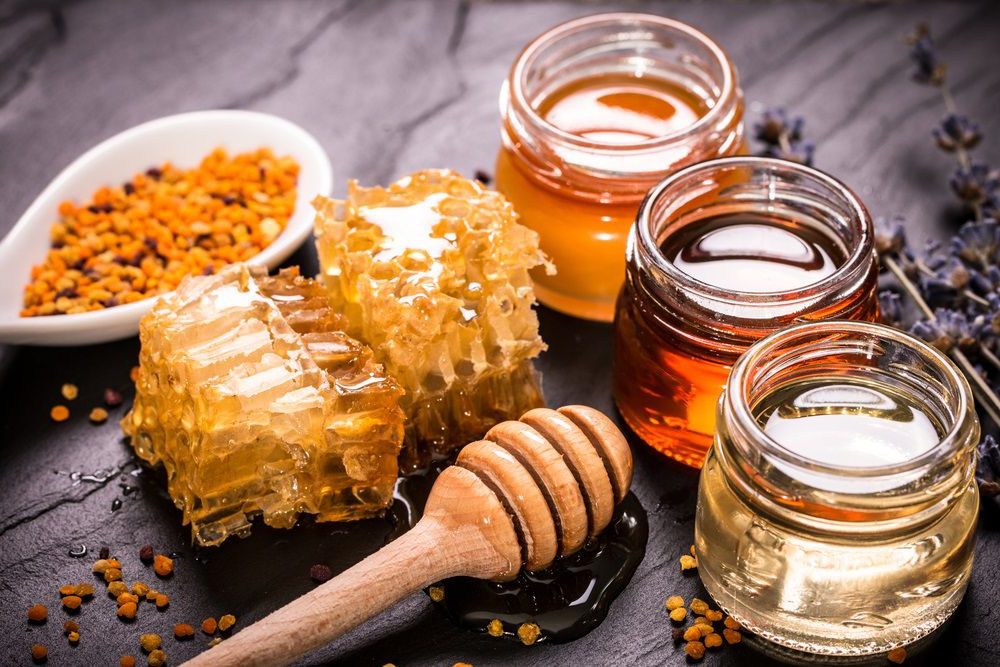
If your question is ‘is honey good for diabetics,’ the practical answer is cautious: honey can fit only in small, counted amounts, and it still raises blood sugar. It is not a treatment for diabetes, a free food, or a reliable way to lower glucose. Why this matters: honey feels more natural than table sugar, but your body still sees it as a source of carbohydrate.
Key Takeaways
- Honey counts as added sugar and carbohydrate.
- It can raise blood glucose, even when raw or organic.
- No universal safe amount fits every diabetes plan.
- Honey may be sweeter than sugar, but it is not risk-free.
- Safer swaps focus on portions, labels, and glucose response.
Is Honey Good for Diabetics? The Short Answer
For most people, the question ‘is honey good for diabetics’ is better framed as: can a small amount fit my carbohydrate plan? Sometimes it can, but only if the serving is counted like other sugars. Honey contains glucose and fructose, which are simple carbohydrates. These carbohydrates can increase blood glucose after eating.
Honey also carries a health halo. It may contain small amounts of plant compounds, depending on the floral source and processing. Those trace compounds do not cancel the carbohydrate load. A spoonful of honey is still a concentrated sweetener, not a diabetes remedy.
This distinction matters because people often compare honey with white sugar as if one is clearly safe and the other is clearly harmful. In real meals, portion size, total carbohydrate, medication use, activity, sleep, stress, and baseline glucose all influence the response. If you are working on broader patterns, the Insulin Resistance resource covers daily habits that can affect glucose control.
Example: A small drizzle of honey in plain yogurt may affect glucose differently from the same drizzle added to sweet cereal, fruit juice, or a large bowl of oatmeal. The honey matters, but the whole meal matters too.
Why Honey Raises Blood Sugar
Honey raises blood sugar because it delivers rapidly digestible carbohydrate. Your digestive system breaks these sugars down and absorbs them into the bloodstream. In people with diabetes, insulin production, insulin action, or both may not keep glucose within the intended range after carbohydrate intake.
The glycemic index of honey is not one fixed number. It can vary by honey type, testing method, and serving context. A lower glycemic index than table sugar does not mean a food is low in carbohydrate. Glycemic load adds another layer because it considers both the carbohydrate quality and the serving size.
A glycemic-load estimate can help compare sweeteners by portion. It does not predict your personal glucose response or replace glucose monitoring.
Glycaemic Load Calculator
Calculate glycaemic load from glycaemic index and available carbohydrate in a serving.
These calculations are for education only and do not replace clinical advice, diagnosis, or treatment. Always confirm medical decisions with a qualified healthcare professional.
Some people notice a quick rise after honey. Others see a smaller rise when honey is part of a higher-fiber meal. Neither pattern proves honey is protective. It only shows that blood sugar response is individual and context-dependent.
If you often see high readings after sweet foods, review the pattern rather than blaming one ingredient. The Signs and Symptoms of Hyperglycemia page explains common warning signs of high blood glucose.
Honey vs Sugar for Diabetics: Differences That Matter
Honey and table sugar both affect blood glucose. Honey is often sweeter by taste, so some people may use less. That can reduce total sugar only if the portion truly gets smaller. A heavy pour from a squeeze bottle can easily erase that advantage.
Table sugar is usually sucrose, which breaks down into glucose and fructose. Honey contains a mixture of sugars, water, and small amounts of other compounds. These differences may change texture, sweetness, and digestion slightly. They do not make honey a low-carbohydrate food.
| Sweet option | Main glucose issue | Practical takeaway |
|---|---|---|
| Honey | Contains simple carbohydrates | Count the serving and measure it. |
| Table sugar | Also raises blood glucose | Do not treat it as meaningfully safer or worse by default. |
| Agave or syrups | May still add concentrated sugar | Check total carbohydrate, not marketing terms. |
| Low or no-calorie sweeteners | Usually add little digestible carbohydrate in typical amounts | Read labels and consider taste, tolerance, and meal goals. |
So, is honey better than sugar for diabetics? Not in a way that makes it a free swap. The more useful comparison is whether the sweetener helps you use a smaller, measured portion while still enjoying the food.
Raw Honey, A1C, and the Honey Trick
Raw honey is still honey. It may be less processed than some commercial honey, but it still contains sugars that can raise blood glucose. Terms such as raw, local, organic, wildflower, or manuka do not prove a honey is safer for diabetes.
Can Honey Raise A1C?
Honey can contribute to a higher A1C if it regularly increases total carbohydrate intake beyond your plan. A1C reflects average blood glucose over roughly the past few months. One occasional small serving is not the same as a daily pattern of extra sweeteners.
If your A1C is rising, look at the whole pattern. Sweet drinks, snacks, portion sizes, missed medications, illness, stress, and activity changes can all play a role. A registered dietitian or diabetes educator can help you identify the biggest levers without turning meals into guesswork.
What Is the Honey Trick for Type 2 Diabetes?
The so-called honey trick for type 2 diabetes usually refers to claims that honey can lower blood sugar, burn fat, or work better at a special time of day. These claims are not a substitute for evidence-based diabetes care. Honey should not replace prescribed medication, glucose monitoring, nutrition therapy, or follow-up appointments.
Why it matters: A natural product can still cause harm when it delays real care.
If you have symptoms of diabetes but have not been evaluated, start with clear basics. The Type 2 Diabetes Symptoms page explains signs that deserve medical follow-up.
How Much Honey Can Fit in a Diabetes Eating Plan?
The safest answer to ‘is honey good for diabetics’ depends on your glucose pattern, carbohydrate target, medications, and health history. There is no universal daily amount that is safe for every person with diabetes. A small measured serving may fit one person and cause unwanted highs for another.
If you use carbohydrate counting, honey belongs in the same mental category as sugar, syrup, jam, and sweet drinks. Check the nutrition label when available. Use a measuring spoon instead of pouring by eye. Then consider what else is in the meal.
Quick tip: A squeeze bottle can hide larger portions, so measure before you drizzle.
Glucose monitoring can help you learn your own response. Some people compare readings before and after a meal when their care team has advised them how to monitor. Continuous glucose monitors and finger-stick meters can show patterns, but they do not turn honey into a safe food for everyone.
Ask a clinician or registered dietitian before making major changes if you are pregnant, have kidney disease, have gastroparesis, have a history of disordered eating, or take medicines that can cause hypoglycemia (low blood sugar). This is also important if you see repeated highs or lows after changing your carbohydrate intake.
Safer Swaps When You Want Sweetness
Safer swaps are not about finding a magic sweetener. They are about reducing total added sugar while keeping meals satisfying. A realistic swap is easier to maintain than a strict rule you resent.
- Use aroma first: vanilla, cinnamon, nutmeg, or citrus zest can add sweetness cues.
- Choose smaller portions: measure honey, syrup, and sugar before mixing.
- Try fruit carefully: berries or sliced fruit add fiber, but still contain carbohydrate.
- Check sweetener blends: some contain dextrose, maltodextrin, or sugar alcohols.
- Watch drinks: sweet tea, lemonade, and smoothies can add sugar quickly.
- Read serving sizes: a label may list less sugar because the serving is small.
Low glycemic sweeteners for diabetics can sound appealing, but the phrase can mislead. Low glycemic does not always mean low calorie, low carbohydrate, or better for your glucose pattern. Sugar alcohols may also cause gas or diarrhea for some people, especially in larger portions.
Non-nutritive sweeteners can be useful for some people who want sweetness without much digestible carbohydrate. They are not required, and they are not the right fit for everyone. Taste, digestive tolerance, food preferences, and overall diet quality still matter.
If you take a GLP-1 medicine or another diabetes medicine that changes appetite, meal timing can feel different. The Ozempic Diet resource discusses practical food choices in that context.
When Honey Deserves Extra Caution
Honey deserves extra caution when blood glucose is already running high, when you are sick, or when you are adjusting medication. It also matters when a sweet food replaces a balanced meal. Skipping food and then adding concentrated sugar later can make glucose patterns harder to interpret.
Seek urgent medical help for severe symptoms such as confusion, trouble breathing, persistent vomiting, signs of dehydration, or very high glucose with ketones when you have been told to check ketones. Diabetic ketoacidosis is a medical emergency. The Diabetic Ketoacidosis page explains how this serious condition can start.
Children, older adults, pregnant people, and people with multiple health conditions may need more individualized guidance. The same is true for anyone using insulin or medicines that can cause low blood sugar. Do not stop, start, or change diabetes medication because of a sweetener choice without professional guidance.
How to Compare Sweeteners Without Getting Stuck
A simple comparison can lower stress. Instead of asking whether one sweetener is good or bad, ask four practical questions. How much carbohydrate does it add? How often do you use it? Does it replace another carbohydrate? What happens to your glucose pattern when you eat it?
This approach leaves room for culture, taste, and real life. Honey may be part of a family recipe, a holiday food, or a comfort drink. Diabetes care should not erase those meanings. It should help you make the portion and timing safer when possible.
For many readers, is honey good for diabetics has no single yes-or-no answer. Honey is usually best treated as an occasional, measured added sugar. If it leads to repeated glucose spikes or makes portions harder to control, a different sweetening strategy may work better.
Authoritative Sources
- American Diabetes Association carbohydrate guidance explains how carbohydrates relate to blood glucose.
- USDA FoodData Central nutrient database provides nutrient details for foods, including sweeteners.
- FDA high-intensity sweetener information reviews permitted low and no-calorie sweeteners.
If you want to keep learning, the Diabetes Hub collects related resources on glucose patterns, medication context, and complication prevention. Use it as a starting point for better questions at your next visit.
This content is for informational purposes only and is not a substitute for professional medical advice.


