

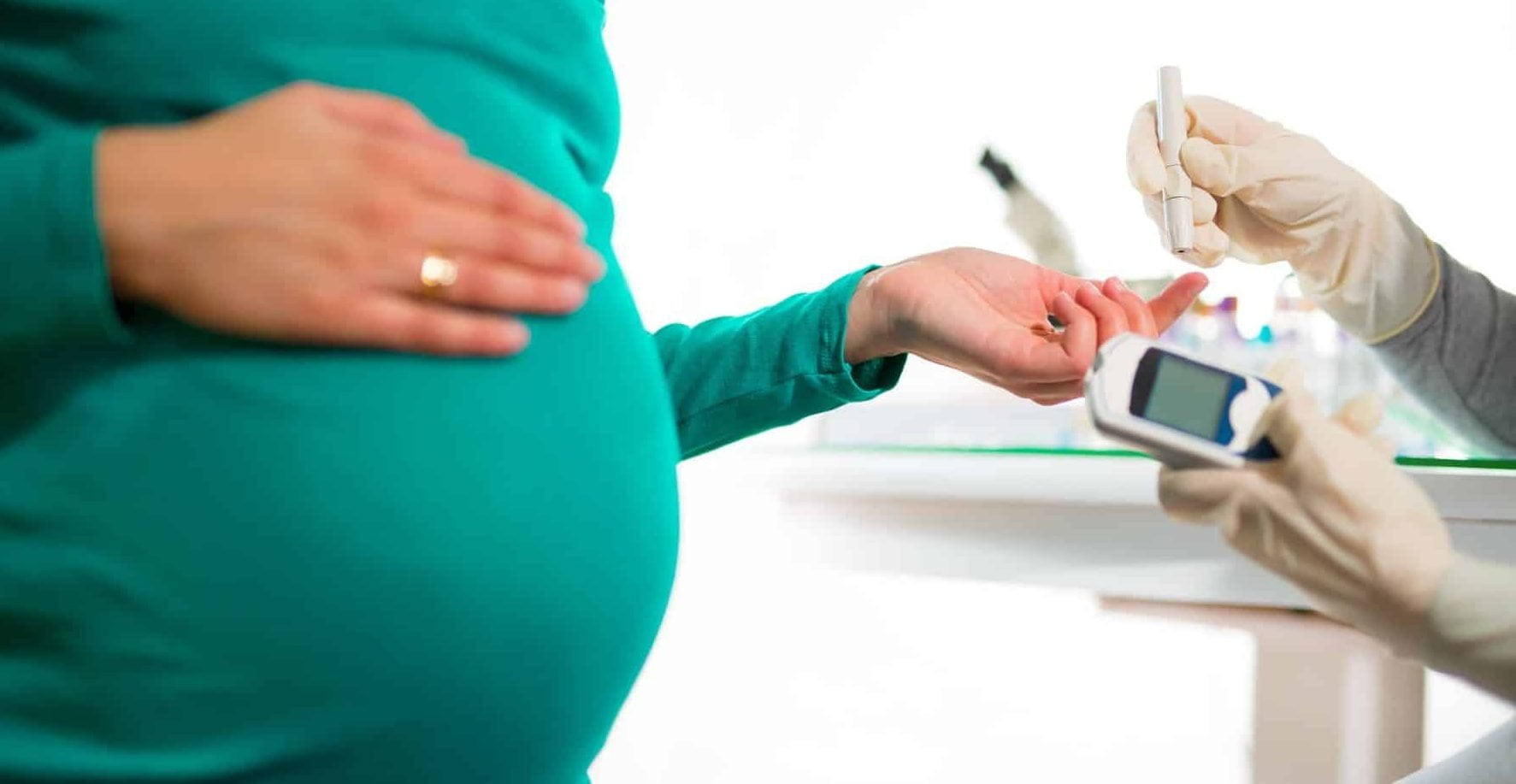
Gestational diabetes is high blood sugar first diagnosed during pregnancy. It happens when pregnancy-related hormone changes make insulin less effective, and the pancreas cannot always keep up. Understanding what is gestational diabetes matters because steady glucose control can lower risks for both the pregnant person and baby.
Most cases are found through routine screening, not symptoms. That can feel unsettling, especially if you felt well before the test. The good news is that gestational diabetes is manageable with monitoring, nutrition changes, safe activity when approved, and medication when needed.
Key Takeaways
- Basic definition: Gestational diabetes is diabetes first found during pregnancy.
- Main cause: Placental hormones increase insulin resistance, especially later in pregnancy.
- Symptoms vary: Many people have no clear warning signs before screening.
- Core treatment: Food planning, activity, glucose checks, and sometimes medication.
- After birth: Follow-up testing helps detect ongoing or future diabetes risk.
What Gestational Diabetes Means During Pregnancy
Gestational diabetes mellitus, often shortened to GDM, means glucose levels rise above pregnancy targets after conception. Glucose is the body’s main blood sugar. Insulin is the hormone that helps move glucose from the blood into cells for energy.
During pregnancy, the placenta supports fetal growth and produces hormones that naturally make the body more insulin resistant. This is normal to a point. In gestational diabetes, the pancreas cannot make enough extra insulin to balance that resistance. Blood sugar then stays higher than expected.
This condition is different from type 1 diabetes and type 2 diabetes that existed before pregnancy. Some people, however, may first discover previously undiagnosed diabetes during prenatal testing. Your clinician can explain which situation fits your results.
Gestational diabetes is not a sign that you caused harm. Age, family history, previous GDM, polycystic ovary syndrome, and body composition can all affect risk. Hormonal changes also play a central role. For general background on diabetes testing methods, see How To Test For Diabetes.
Why it matters: Treatment aims to reduce glucose spikes that can affect fetal growth and delivery planning.
Symptoms, Timing, and Warning Signs
Many people with gestational diabetes have no obvious symptoms. This is why screening is part of routine prenatal care. When symptoms happen, they can overlap with common pregnancy changes, which makes them easy to miss.
Possible gestational diabetes symptoms may include unusual thirst, frequent urination, fatigue, blurred vision, or more frequent infections. These symptoms do not prove you have GDM. They do mean it is worth telling your pregnancy care team, especially if they are new, intense, or worsening.
Gestational diabetes most often develops around the middle of pregnancy. Many people are screened between 24 and 28 weeks. Earlier testing may be recommended if you had GDM before, have strong risk factors, or had high glucose in a previous test.
Signs of gestational diabetes in the third trimester can be hard to separate from ordinary pregnancy discomfort. Your glucose logs, fetal growth checks, and prenatal visits often provide clearer information than symptoms alone. If you notice severe thirst, vomiting, confusion, reduced fetal movement, or feel seriously unwell, seek urgent medical advice.
What Causes Gestational Diabetes and Who Has Higher Risk
The main cause of gestational diabetes is insulin resistance from placental hormones. As pregnancy progresses, the placenta grows and hormone levels change. The body usually responds by making more insulin. Gestational diabetes develops when that response is not enough.
Several factors can raise the chance of GDM. These include a previous pregnancy with gestational diabetes, a family history of type 2 diabetes, PCOS, older maternal age, and certain weight or metabolic factors before pregnancy. A prior baby with a higher birth weight may also lead clinicians to screen earlier in a future pregnancy.
Risk does not mean certainty. Some people with several risk factors never develop gestational diabetes. Others develop it without obvious warning. That is another reason routine screening matters.
If PCOS is part of your history, insulin resistance may already be part of your health picture before pregnancy. You may find it helpful to review related reproductive and metabolic topics in the Women’s Health collection.
Screening, Diagnosis, and Glucose Ranges
Gestational diabetes is diagnosed with glucose testing, not by symptoms alone. Clinics commonly use an oral glucose drink followed by timed blood tests. Some use a one-step approach, while others use a shorter screening test followed by a longer diagnostic test if needed.
Your care team will explain the gestational diabetes range used by your clinic. Thresholds can vary by testing approach and professional guideline. After diagnosis, many teams ask for home glucose checks, often fasting and after meals. These readings show how your body responds to food, sleep, stress, and activity.
Home readings should be interpreted with your clinician, not in isolation. A single high number may happen after a larger meal, poor sleep, illness, or stress. Repeated highs are more important because they help your team adjust the care plan.
If your clinician recommends home checks, a meter can help you see patterns between meals and glucose readings. The OneTouch Verio Flex Meter is one example of a home monitoring device to discuss with your care team.
Some clinics or lab reports use mmol/L instead of mg/dL. This converter can help you compare glucose units when reviewing results, but it does not set pregnancy targets or replace clinical guidance.
Blood Glucose Unit Converter
Convert glucose readings between mg/dL and mmol/L without changing the clinical value.
These calculations are for education only and do not replace clinical advice, diagnosis, or treatment. Always confirm medical decisions with a qualified healthcare professional.
Food, Activity, and Daily Management
A gestational diabetes diet is not one fixed menu. It is a structured way to balance carbohydrates, protein, fats, fiber, and meal timing so glucose rises more gradually after eating. A registered dietitian can help adapt the plan to your culture, schedule, budget, nausea, and pregnancy needs.
Carbohydrates are not automatically “bad.” They provide energy and nutrients. The goal is usually to choose portions and pairings that reduce sharp glucose spikes. High-fiber options such as beans, lentils, whole grains, vegetables, and some fruits may work better than sweet drinks, large refined-grain portions, or desserts eaten alone.
Protein at meals can help slow digestion and support fullness. Examples include eggs, poultry, fish that fits pregnancy safety guidance, tofu, Greek yogurt, beans, nuts, and seeds. Healthy fats, such as olive oil or avocado, can also help meals feel more satisfying.
People often ask about fruits to avoid. A more useful question is how fruit affects your readings. Juice, dried fruit, and very large fruit portions often raise glucose faster than whole fruit paired with protein. Your glucose log can help identify your personal pattern.
Safe movement can also help, especially after meals. A short walk may lower post-meal readings for some people, if your clinician has approved activity. People with bleeding, preterm labor concerns, blood pressure issues, or other pregnancy complications should ask before changing exercise habits.
Quick tip: Record meals, timing, activity, and glucose values together for one to two weeks.
Simple Meal Planning Ideas
A practical meal plan starts with repeatable choices. Breakfast might include eggs with whole-grain toast, plain yogurt with berries and nuts, or oats paired with protein. Lunch could combine a high-fiber carbohydrate, vegetables, and a protein source. Dinner can follow the same pattern with half the plate built around nonstarchy vegetables when tolerated.
A 7-day meal plan for gestational diabetes can be helpful for structure, but it should not replace individual advice. Pregnancy appetite, food access, nausea, reflux, and glucose response vary. If you want a printable plan, ask whether your clinic has a dietitian-approved handout that matches your target ranges.
How Gestational Diabetes Is Treated
Treatment for gestational diabetes usually begins with nutrition support, glucose monitoring, and activity guidance. If readings remain above target, medication may be recommended. Needing medication does not mean you failed. It often reflects strong pregnancy-related insulin resistance.
Insulin is commonly used in pregnancy because it can be adjusted closely and has long clinical experience in this setting. Some clinicians may consider oral medicines in selected cases, depending on local protocols and individual factors. Your care team should explain the reason, expected monitoring, and what to do if readings are too high or too low.
For deeper context on medication discussions, see Metformin Vs Insulin. If insulin becomes part of your plan, ask your clinician to demonstrate timing, storage, injection technique, and hypoglycemia precautions.
Some people also need closer fetal monitoring, growth ultrasounds, or delivery planning based on glucose patterns and pregnancy history. High readings do not automatically mean a specific delivery date. Your obstetric team will weigh several factors, including fetal growth, blood pressure, medication needs, and overall health.
Related pregnancy conditions can affect the plan. If blood pressure becomes a concern, Hypertension In Pregnancy explains symptoms and follow-up questions to raise during prenatal care.
Can Gestational Diabetes Be Prevented?
Gestational diabetes cannot always be prevented. Placental hormones and genetics are not fully within your control. Still, some habits before and during pregnancy may lower risk or improve glucose control if GDM develops.
Helpful steps may include entering pregnancy with regular primary care, staying active when safe, choosing high-fiber foods often, limiting sugary drinks, and treating PCOS or prediabetes if present before conception. These steps are supportive, not guarantees.
If you had GDM before, ask early in the next pregnancy about screening timing. Planning before conception can also help. A clinician may review weight trends, medications, thyroid status, blood pressure, and previous pregnancy records. If thyroid medicine is part of your care, Synthroid And Pregnancy covers why monitoring may change while expecting.
Some people ask about natural ways to prevent gestational diabetes. Food quality, movement, sleep, and stress support can help overall metabolic health. They should sit alongside prenatal testing, not replace it.
What Happens If Blood Sugar Stays High?
When gestational diabetes is not controlled, higher glucose can increase the chance of complications. Possible concerns include excessive fetal growth, shoulder dystocia during delivery, cesarean birth, neonatal low blood sugar, and higher long-term diabetes risk for the parent.
These risks are not meant to scare you. They explain why your care team follows glucose closely and adjusts the plan when needed. Many people with GDM have healthy pregnancies, especially with timely monitoring and support.
Ask your clinician what numbers should prompt a call. Also ask what to do during illness, vomiting, poor intake, or repeated high readings. Clear thresholds reduce guesswork when you are tired or anxious.
Medication history also matters in pregnancy. If you used certain diabetes or weight-management medicines before conception, review them with your clinician. The Ozempic Pregnancy resource discusses safety questions to raise before or during pregnancy.
After Delivery: Does It Go Away?
Gestational diabetes often improves after birth because the placenta is delivered and pregnancy hormones fall. However, postpartum testing is still essential. Some people have ongoing glucose problems, and many have a higher future risk of type 2 diabetes.
Your team may check glucose in the hospital and arrange a postpartum glucose test several weeks later. After that, periodic diabetes screening is usually recommended. Keep those tests even if you feel well, because early glucose changes may not cause symptoms.
Symptoms of diabetes after pregnancy can include unusual thirst, frequent urination, fatigue, blurred vision, or unexplained weight changes. These symptoms need medical review, but many people with early diabetes have no symptoms. Testing gives a clearer answer.
Breastfeeding, when possible, may support glucose metabolism for some people. It is not required for recovery, and it may not be possible or preferred for everyone. Your postpartum plan should support both medical follow-up and your mental health.
For ongoing learning, the Diabetes collection includes related education on glucose monitoring, medications, and long-term risk reduction.
Questions to Bring to Prenatal Visits
Gestational diabetes care works best when you know what information your team needs. A short list can make visits less rushed and more useful.
- Testing plan: Ask when screening or retesting should happen.
- Target values: Confirm fasting and post-meal goals for your clinic.
- Meal guidance: Request dietitian support if readings stay high.
- Activity safety: Ask which movements fit your pregnancy.
- Medication triggers: Clarify when medicine may be discussed.
- Delivery planning: Ask how glucose affects monitoring and timing.
- Postpartum testing: Schedule follow-up before newborn care gets busy.
If prescription medication becomes part of care, access questions should stay separate from medical decisions. BorderFreeHealth connects U.S. patients with licensed Canadian partner pharmacies, and prescription details are verified with the prescriber when required before dispensing. Your clinician remains the right person to guide treatment choices during pregnancy.
Authoritative Sources
For public health background on risk, screening, and prevention, see the CDC gestational diabetes overview.
For patient education on pregnancy glucose management, review the American Diabetes Association gestational diabetes page.
For clinical detail on definitions and management concepts, see the NCBI Bookshelf gestational diabetes chapter.
Recap
What is gestational diabetes? It is high blood sugar first diagnosed during pregnancy, usually driven by pregnancy-related insulin resistance. It is common, manageable, and not a personal failure. Screening finds many cases before symptoms appear, and treatment can include meal planning, movement, monitoring, and sometimes medication.
The next step is practical: know your testing plan, track your readings if asked, and bring questions to each visit. After delivery, keep postpartum glucose testing on your calendar. That follow-up protects your health long after pregnancy ends.
This content is for informational purposes only and is not a substitute for professional medical advice.


