
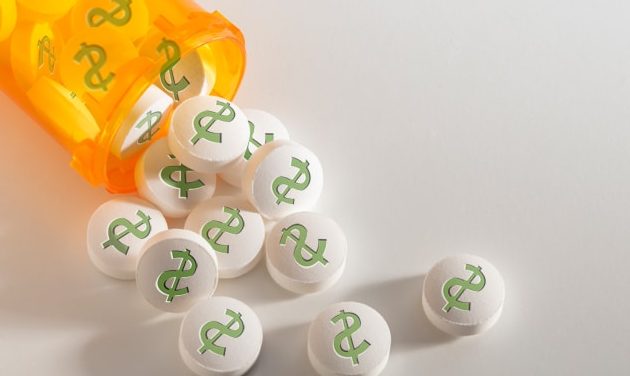
Prescription drug costs can range from a few dollars for common generics to hundreds or more for brand-name or specialty medicines. The practical answer to how much do prescription drugs cost without insurance depends on the drug, strength, quantity, pharmacy, and whether a lower-cost generic or assistance option is available. This matters because the first quote is not always the best quote, and small details can change the cash amount at pickup.
If a medication is too expensive, do not stop it or change the dose on your own. Ask the prescriber or pharmacist about equivalent generics, different dosage forms, patient assistance, and safe alternatives that fit your condition.
Key Takeaways
- Generic drugs usually cost less than brand-name drugs.
- Cash quotes can differ by pharmacy and ZIP code.
- Discount apps may help, but they are not always lowest.
- Retail lists often cover older, common generic medicines.
- Assistance programs may help people with limited income.
What Drives the Cash Cost of a Prescription?
The cash cost reflects more than the pill or liquid itself. Pharmacies consider acquisition cost, wholesaler contracts, dispensing fees, local competition, and the specific product they have in stock. Two pharmacies can quote different amounts for the same medication on the same day.
Drug type is usually the biggest factor. Many older generics are inexpensive because several manufacturers compete. Newer brand-name drugs, biologics, injectables, and specialty medicines often cost much more. Some medicines also require special handling, prior clinical review, or limited distribution, which can affect access and cost.
Strength and quantity matter too. A 30-day supply may not scale neatly to a 90-day supply. Tablets may cost differently than capsules, liquids, patches, or extended-release forms. Even the National Drug Code, or NDC (the product identifier for a specific manufacturer and package), can change a pharmacy quote.
Why it matters: You need the exact drug name, strength, form, and quantity before comparing prices.
Are Prescriptions More Expensive When You Pay Cash?
Prescriptions can be more expensive when you pay cash, but not always. Some generics may cost less through a cash program than through a plan copay. Other drugs, especially brand-name medicines, can be much more expensive without prescription coverage.
The confusing part is that cash prices and insurance prices follow different rules. Insurance plans use formularies, tiers, deductibles, preferred pharmacy networks, and negotiated rates. Cash pricing may use pharmacy list prices, discount-card contracts, retail generic programs, or direct-to-consumer pharmacy models.
For example, a common antibiotic such as amoxicillin may be low-cost at one pharmacy and noticeably higher at another. A chronic medication such as a blood pressure drug may be included on a retailer’s generic list. A newer diabetes, cancer, autoimmune, or weight-management medicine may still be expensive across most cash-pay options.
If you are comparing medicine costs for older adults, also consider safety. Some drugs carry higher risks in older people or in those taking several medicines. Our practical overview of Atorvastatin Side Effects in Elderly shows how age, side effects, and monitoring can shape medication discussions.
How to Compare Pharmacy Prices Without Guesswork
A structured comparison helps you avoid misleading quotes. Start with your prescription label or prescriber’s note. Then check several sources using the same details each time.
- Write the generic and brand names, if both apply.
- Confirm strength, dosage form, and total quantity.
- Ask whether substitution with an approved generic is allowed.
- Check at least three pharmacy quotes in your area.
- Compare retail programs, discount apps, and direct cash models.
- Confirm the final amount before pickup.
Discount tools such as goodrx, SingleCare, pharmacy lookup pages, and store-specific estimators can show wide differences. A goodrx drug lookup may display several pharmacy quotes, while a chain tool may show only that chain’s estimate. Use these tools as a starting point, not as a guarantee.
When you call a pharmacy, use plain wording: “What is the cash cost for this exact generic name, strength, form, and quantity?” If you have a discount-card code, ask whether the pharmacy can process it and whether the quoted amount matches what you see.
Quick tip: Screenshot the quote and note the pharmacy address and date.
Generic, Brand, and Therapeutic Alternatives
Generics can lower costs because they must meet the same FDA standards for quality, strength, and effectiveness as the brand-name medicine. They may look different because inactive ingredients, color, size, or shape can vary.
Some drugs have several options in the same therapeutic class. A prescriber may be able to choose a different medicine that treats the same condition, if it is clinically appropriate. That is not the same as swapping medicines on your own. It requires a clinician’s review of your diagnosis, allergies, kidney or liver function, pregnancy status, other medicines, and prior response.
Pain medicines provide a useful example. Nonsteroidal anti-inflammatory drugs, or NSAIDs (inflammation-reducing pain relievers), can differ in dosing schedule, side effects, and interaction risk. If you are weighing options, our comparison of Meloxicam vs Ibuprofen explains safety factors to discuss before changing therapy.
Mental health medicines also need careful review. Cost can matter, but tolerability, diagnosis, withdrawal risk, and interaction concerns matter too. For broader context, see our overview of Medications for Anxiety, which explains common categories in patient-friendly terms.
Retail Lists, Discount Apps, and Cost-Plus Models
Retail generic lists can be helpful for older, commonly used medicines. A walmart $4 prescription list, walmart pharmacy price list, or similar retail program may include select strengths and quantities. These lists change, and not every version of a medication qualifies.
Discount apps may compare prices across pharmacies. They can be useful when you need a quick view of local cash quotes. Still, the amount can change if the pharmacy fills a different manufacturer, if the quantity differs, or if the discount contract updates.
Cost plus drugs models use a more transparent pricing structure, often adding a stated margin and pharmacy fee to the medicine’s cost. These programs may be strongest for certain generics. They may not include every medication, brand, strength, or urgent same-day need.
For a practical comparison, think in three lanes. Retail lists are useful for common generics. Discount apps help compare local pharmacy quotes. Cost-plus pharmacies can offer a transparent benchmark for eligible medicines. The lowest option depends on the exact prescription.
When the Cost Is Still Too High
If the quoted amount is unaffordable, ask for help before skipping refills. Your prescriber, pharmacist, clinic social worker, or community health center may know options that match your diagnosis and income level.
Possible routes include manufacturer patient assistance for some brand medicines, nonprofit disease-specific funds, state programs, federally qualified health centers, and pharmacy charity programs. Some programs offer free prescription drugs for low-income households, while others reduce costs for a specific diagnosis or medicine category.
Bring a current medication list to every discussion. Include prescription drugs, over-the-counter medicines, vitamins, and supplements. This helps the clinician spot duplicate therapy, interaction risks, or a lower-cost option that is still clinically reasonable.
Some conditions need extra cost planning because medicines can be expensive or coverage rules can be strict. Weight-management drugs are one example. Our guide to Medicare and Weight Loss Drugs explains why coverage and eligibility questions can affect out-of-pocket planning.
How Insurance Estimators and Medicare Tools Fit In
Even if you are paying cash now, insurance estimators can help you plan ahead. A plan tool may show whether a drug is on a formulary, which tier it uses, and whether a preferred pharmacy changes the monthly amount.
Medicare Part D costs can vary by county, plan, pharmacy, deductible, and drug tier. The medicare part d cost per month is only one part of the calculation. You also need to review deductibles, copays, coinsurance, preferred pharmacy rules, and whether your medicines are covered.
Employer and marketplace plans may offer similar estimators. A unitedhealthcare prescription cost estimator, CVS Caremark prescription prices tool, or other insurer portal may help insured patients compare covered costs. If you are uninsured today but expect coverage later, keep your medication list updated so you can compare plans accurately.
Building Your Own Drug Price Comparison Chart
A simple drug price comparison chart can prevent confusion. You do not need special software. A notebook or spreadsheet works if it captures the right details.
| Detail to Track | Why It Matters |
|---|---|
| Drug name and generic name | Brand and generic quotes can differ widely. |
| Strength and form | Tablets, liquids, patches, and extended-release products may differ. |
| Quantity | A 30-day and 90-day supply may price differently. |
| Pharmacy and location | Nearby pharmacies may use different cash contracts. |
| Quote source | Retail list, app, phone quote, or plan estimator. |
| Date confirmed | Medication prices and stock can change. |
Update the chart after dose changes, new prescriptions, or pharmacy switches. If a medicine is for long-term use, recheck every few months. Shortages, manufacturer changes, and pharmacy contract updates can alter the final amount.
For pain or inflammation medicines, cost should never be separated from safety. If you need more background on one common NSAID, our Meloxicam Basics resource explains key use and side-effect considerations.
Special Situations That Can Change the Answer
Urgent or short-term prescriptions
Short-term medicines, such as antibiotics, may be cheaper than chronic brand-name therapy. But the amount still depends on the exact drug and pharmacy. If the prescription is urgent, ask the pharmacy to check lower-cost equivalent products while the prescriber is reachable.
Specialty medicines
Specialty medicines may involve complex storage, monitoring, or dispensing rules. Cash prices can be high, and assistance programs may require documentation. If a medicine treats cancer, autoimmune disease, inflammatory bowel disease, or another complex condition, ask the clinic about financial navigation early.
Some therapies also have product-specific access considerations. For example, pages such as Nubeqa, Ridaura, and Salofalk Suppositories can help readers recognize that form, prescription requirements, and product type affect access discussions. Use product pages for orientation only, and rely on your prescriber for treatment decisions.
Older adults and multiple medicines
People taking several medicines may face higher monthly totals. They also face a higher chance of interactions, duplicate therapy, and side effects. A medication review with a clinician or pharmacist can sometimes identify unnecessary overlap or safer alternatives.
Authoritative Sources
For generic drug standards, review the FDA explanation of generic drugs. It explains how approved generics compare with brand-name medicines.
For neutral plan comparisons, use the official Medicare Plan Finder. It can help eligible users compare Part D plans by drug list and pharmacy.
For public program pharmacy data, see Medicaid pharmacy pricing resources. These data are technical, but they show why public pricing rules differ from retail cash quotes.
Putting It Together
The most useful answer to how much do prescription drugs cost without insurance is specific, not average. Start with the exact prescription, compare several pharmacy and cash-pay tools, ask about generics or therapeutic alternatives, and look for assistance if the cost remains out of reach.
BorderFreeHealth supports access to cash-pay, cross-border prescription options when eligible and legally permitted. Prescription details may need verification with the prescriber before a partner pharmacy dispenses medication. That process does not replace medical advice, but it can be part of a broader access discussion for patients comparing options.
This content is for informational purposes only and is not a substitute for professional medical advice.


