
Please note: a valid prescription is required for all prescription medication.
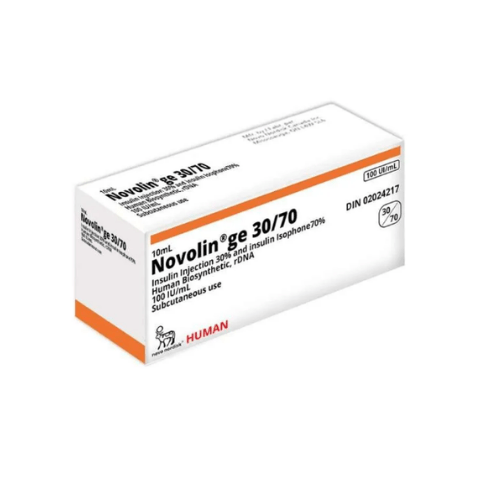
Novolin ge 30/70 Vial
Buy Novolin ge 30/70 Vial Online
Secure Encrypted Payments
Novolin ge 30/70 Vial is a premixed human insulin used to help control blood sugar in people with diabetes. It can be ordered online, with current Novolin ge 30/70 price information shown during checkout and dose or quantity choices matched to your clinician’s directions. This insulin vial is commonly supplied as a 10 mL multidose vial at U-100, which means 100 units of insulin per mL.
Novolin ge 30/70 combines 30% regular human insulin with 70% isophane insulin, also called NPH insulin. The regular insulin component helps cover blood sugar rises around meals, while the NPH component provides an intermediate background effect. Because this is a premixed insulin 30/70 vial, timing meals and injections consistently is an important part of safe use.
Price, Vial Selection, and Ordering
You can view the current Novolin ge 30/70 cost before placing an order. The final out-of-pocket amount may depend on the quantity selected, pharmacy processing, and any supplies you use with the vial, such as U-100 insulin syringes. People paying cash often look at multi-vial quantities and refill timing to reduce interruptions, but the vial amount should still match the treatment plan set by a clinician.
Choose the Novolin ge 30/70 Vial quantity shown during ordering and confirm that it aligns with your dosing instructions. This product is intended for use with insulin syringes marked for U-100 insulin. Using the wrong syringe can cause an inaccurate dose, which may lead to dangerous blood sugar changes.
BorderFreeHealth offers U.S.-from-Canada service for customers using Canadian pharmacy channels, and orders may Ships from Canada to US. For cold-chain medicines like insulin, plan refills before the vial runs low so there is time for processing and prompt, express shipping when used for your order.
What Novolin ge 30/70 Is Used For
Novolin ge 30/70 is used to improve glycemic control in diabetes when insulin is part of the care plan. It may be considered for adults with type 1 diabetes or type 2 diabetes who need a premixed insulin schedule. The mix can be useful when meals and daily routines are fairly consistent.
In type 1 diabetes, insulin is needed because the body does not make enough insulin on its own. In type 2 diabetes, insulin may be added when other measures do not provide enough glucose control or when insulin is otherwise indicated. Your clinician can help decide whether a premixed insulin 30/70 schedule fits your meals, activity, and monitoring routine.
Novolin ge 30/70 is not a pill that lowers A1C. It is an injectable insulin suspension used under the skin. A1C reflects average blood sugar over roughly the past two to three months, and insulin treatment may help lower A1C when used as part of an individualized diabetes plan.
How the 30/70 Insulin Mix Works
This insulin is an insulin isophane/regular 30/70 vial. Regular insulin begins working sooner to help manage glucose from meals. Isophane insulin, or NPH insulin, is absorbed more slowly and supports intermediate coverage between meals or through part of the day.
The product should look uniformly cloudy after proper mixing because it is a suspension. Gently rolling the vial between your hands helps resuspend the insulin before drawing up the dose. Do not shake the vial forcefully, and do not use it if clumps, crystals, strings, or particles remain after mixing.
Because the vial contains both mealtime and background components, changes to meal timing, exercise, alcohol intake, illness, or missed food can affect low blood sugar risk. Keep glucose monitoring supplies available, and ask your diabetes care team how to handle days when appetite, routine, or activity changes.
Using the Vial Safely
Use Novolin ge 30/70 exactly as directed by your clinician. Many people take premixed insulin before meals, but the exact timing and number of daily injections are individualized. Do not change the dose, skip meals after dosing, or combine insulin products unless your care team has given clear instructions.
General injection steps include:
- Confirm the label and insulin mix before every injection.
- Wash your hands and clean the vial stopper with alcohol.
- Roll the vial gently until the insulin looks evenly cloudy.
- Use only a sterile U-100 insulin syringe.
- Remove air bubbles and confirm the units before injecting.
- Inject under the skin of the abdomen, thigh, buttock, or upper arm.
- Rotate injection sites to reduce skin thickening or dents.
Do not inject into the same small area repeatedly. Repeated injections at one site can cause lipohypertrophy, a thickened fatty area that may change how insulin is absorbed. Site rotation can make absorption more predictable and may reduce irritation.
Missed Dose, Meal Timing, and Monitoring
If you miss a dose, check your blood glucose and follow the plan provided by your diabetes care team. Do not double a dose to make up for one that was missed unless you were specifically told to do so. Premixed insulin can continue working after a meal period, so extra dosing can cause hypoglycemia.
Monitoring is especially important when starting insulin, changing routines, recovering from illness, or adjusting food intake. Keep a record of blood glucose readings, meals, activity, and symptoms. These notes help your clinician identify patterns and refine the plan safely.
People sometimes ask why they should be careful with showering after insulin. A routine shower is not automatically unsafe, but hot baths, saunas, or intense heat soon after an injection may increase blood flow and potentially change insulin absorption. Ask your clinician how heat, exercise, and injection timing should fit your routine.
Storage, Travel, and Handling
Store unopened Novolin ge 30/70 vials as directed on the label, commonly in a refrigerator. Do not freeze insulin. If a vial has been frozen, exposed to excessive heat, or left in direct sunlight, it should not be used unless a pharmacist or clinician confirms it is still suitable.
Once a vial is in use, follow the product instructions for room-temperature storage limits. Keep the vial in its carton when practical to protect it from light. Do not use insulin after the expiration date, and do not use a vial that looks abnormal after proper mixing.
For travel, carry insulin and diabetes supplies in hand luggage rather than checked baggage. Pack extra syringes, glucose monitoring supplies, fast-acting carbohydrates, and documentation for security screening. Temperature extremes during travel can damage insulin, so plan how you will keep the vial within the recommended range.
Side Effects, Warnings, and Interactions
The most important risk with Novolin ge 30/70 is low blood sugar, also called hypoglycemia. Symptoms can include shakiness, sweating, hunger, headache, dizziness, fast heartbeat, irritability, confusion, or weakness. Severe hypoglycemia can cause seizure, loss of consciousness, or injury and needs urgent treatment.
Other side effects can include injection-site redness, itching, swelling, weight gain, mild fluid retention, and changes in fat tissue at injection sites. Allergic reactions are uncommon but can be serious. Seek urgent care for trouble breathing, swelling of the face or throat, widespread rash, severe dizziness, or loss of consciousness.
Certain medicines can change insulin needs or mask warning signs of low blood sugar. Steroids, thyroid medicines, diuretics, some antibiotics, antipsychotics, and other diabetes medicines may raise or lower glucose levels. Beta-blockers can make symptoms such as fast heartbeat less noticeable. Alcohol can increase hypoglycemia risk, especially if food intake is reduced.
Tell your clinician about all medicines, supplements, and herbal products you use. Thiazolidinediones used with insulin can increase the risk of fluid retention and may worsen heart failure in some people. Kidney or liver problems, changes in weight, infection, surgery, pregnancy, and major activity changes can also affect insulin requirements.
Who May Be a Good Fit
A human insulin 30/70 vial may fit people who eat meals at predictable times and want one premixed product instead of separate regular and NPH vials. It can reduce the number of insulin products to manage, but it also offers less flexibility than separate basal and mealtime insulin regimens.
This insulin may be less suitable for people with highly variable meal schedules, frequent hypoglycemia, unpredictable appetite, or a need for flexible mealtime dosing. If you often skip meals, work changing shifts, or exercise at inconsistent times, ask your clinician whether a different insulin plan would be safer.
Practical questions to ask include when to inject relative to meals, what glucose targets to use, what to do during illness, and when to use rescue treatment for severe low blood sugar. A written plan can reduce uncertainty during urgent situations.
Related Diabetes Categories and Alternatives
Some people using premixed insulin also review broader diabetes treatment information to understand why insulin was chosen. The type 1 diabetes articles and type 2 diabetes articles discuss insulin use, monitoring, and treatment decisions in plain language.
Alternatives may include NPH insulin alone, regular insulin alone, another premixed insulin, or separate basal and mealtime insulin products. The right choice depends on glucose patterns, meal consistency, cost, injection burden, and the level of flexibility needed. Do not switch from Novolin ge 30/70 to another insulin without clinician guidance, because timing and dose conversion can differ.
When comparing an insulin 70/30 vial with a pen or cartridge format, consider dexterity, vision, dose-measuring comfort, travel needs, and syringe access. Vials can be practical for many people, but safe measurement with the correct syringe is essential.
Questions to Discuss Before Refilling
Before you refill Novolin ge 30/70, review recent glucose readings and any low blood sugar episodes. Patterns such as morning lows, after-meal highs, or readings that change with exercise may show that timing, meals, or dose instructions need reassessment.
Helpful questions include:
- Is a premixed 30/70 insulin still the best fit for my routine?
- How should I time injections around breakfast, lunch, or dinner?
- What should I do if I am sick or eating less than usual?
- How often should I rotate injection sites?
- Which symptoms mean I should seek urgent care?
- Should I keep glucagon or another rescue treatment available?
Quick tip: Reorder before your current vial is nearly empty, especially if insulin is part of your daily routine.
Authoritative Sources
Health Canada product monograph for Novolin ge 30/70
Novo Nordisk Canada patient medication information
FDA label information for Novolin 70/30 human insulin
This content is for informational purposes only and is not a substitute for professional medical advice.
Research & Education Tool
Novolin ge 30/70 Vial Dosage Calculator
Enter the vial amount, diluent volume, and target amount to estimate concentration, draw volume on a 1 mL U-100 syringe, and approximate vial yield.
For research and educational use only. Check all values against the product label, certificate of analysis, and any applicable professional guidance before relying on the result.
mg
Concentration
-
mcg / mL
Volume per Dose
-
-
Estimated Draws / Vial
-
rounded down to whole draws
Draw Reference
Enter values to estimate the syringe mark.
0
-
-
-
-
Blood Glucose Unit Converter
Convert glucose readings between mg/dL and mmol/L without changing the clinical value.
mg/dL
-
US reporting unit
mmol/L
-
International reporting unit
These calculations are for education only and do not replace clinical advice, diagnosis, or treatment. Always confirm medical decisions with a qualified healthcare professional.
HbA1c & eAG Calculator
Convert between HbA1c percentage and estimated average glucose using the ADAG relationship.
HbA1c
-
percentage
eAG mg/dL
-
estimated average glucose
eAG mmol/L
-
estimated average glucose
These calculations are for education only and do not replace clinical advice, diagnosis, or treatment. Always confirm medical decisions with a qualified healthcare professional.
Carb Serving Calculator
Convert total carbohydrate grams into carb choices for meal planning and diabetes education.
Carb choices
-
total carbs divided by choice size
Rounded choices
-
nearest half choice
Carb calories
-
4 kcal per gram
These calculations are for education only and do not replace clinical advice, diagnosis, or treatment. Always confirm medical decisions with a qualified healthcare professional.
HOMA-IR Calculator
Estimate insulin resistance from fasting glucose and fasting insulin values collected from the same blood draw.
HOMA-IR
-
screening estimate, not a diagnosis
Formula used
-
depends on glucose unit
These calculations are for education only and do not replace clinical advice, diagnosis, or treatment. Always confirm medical decisions with a qualified healthcare professional.
Express Shipping - from $29.99
Shipping with this method takes 3-5 days
Prices:
- Dry-Packed Products $29.99
- Cold-Packed Products $39.99
Shipping Countries:
- United States (all contiguous states**)
- Worldwide (excludes some countries***)
Standard Shipping - $19.99
Shipping with this method takes 5-10 days
Prices:
- Dry-Packed Products $19.99
- Not available for Cold-Packed products
Shipping Countries:
- United States (all contiguous states**)
- Worldwide (excludes some countries***)
What is Novolin ge 30/70 Vial used for?
Novolin ge 30/70 Vial is a premixed human insulin used to help control blood sugar in diabetes when insulin therapy is part of the care plan. It contains 30% regular insulin and 70% NPH insulin.
Is Novolin ge 30/70 the same as Novolin 70/30?
The names are closely related and both refer to premixed human insulin with 70% NPH insulin and 30% regular insulin. Naming, packaging, and regulatory details can differ by country, so follow the exact product and instructions supplied to you.
How should Novolin ge 30/70 Vial be mixed before use?
The vial should be rolled gently until the suspension looks uniformly cloudy. Do not use it if clumps, crystals, strings, or particles remain after mixing.
What are common side effects of Novolin ge 30/70?
Common effects can include low blood sugar, injection-site irritation, weight gain, mild swelling, and changes in fat tissue at injection sites. Severe hypoglycemia or allergic reactions require urgent medical attention.
How is Novolin ge 30/70 Vial stored?
Unopened vials are commonly stored in a refrigerator and should not be frozen. Once in use, follow the product instructions for room-temperature storage limits and keep insulin away from heat and direct light.
Can I shower after taking insulin?
A normal shower is not automatically unsafe, but hot baths, saunas, or strong heat soon after an injection may affect insulin absorption in some situations. Ask your clinician how heat and exercise should fit your dosing routine.
Rewards Program
Earn points on birthdays, product orders, reviews, friend referrals, and more! Enjoy your medication at unparalleled discounts while reaping rewards for every step you take with us.
You can read more about rewards here.
POINT VALUE
How to earn points
- 1Create an account and start earning.
- 2Earn points every time you shop or perform certain actions.
- 3Redeem points for exclusive discounts.
You Might Also Like
Select options
This product has multiple variants. The options may be chosen on the product page
Select options
This product has multiple variants. The options may be chosen on the product page