
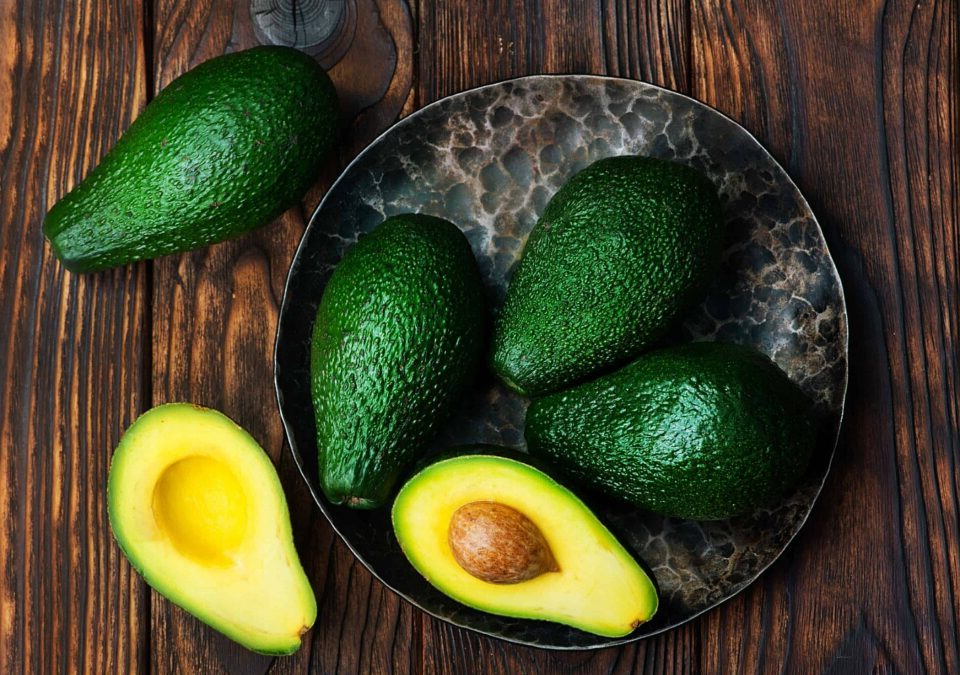
Yes, are avocados good for diabetics is a reasonable question because avocados are low in digestible carbohydrate, high in fiber, and rich in unsaturated fats. For many people with diabetes, a modest portion can fit into balanced meals without causing a sharp blood sugar rise. The main caution is portion size, since avocados are calorie-dense.
Why this matters: diabetes meal planning is not only about avoiding sugar. It is also about choosing foods that support fullness, heart health, and steady glucose patterns. Avocado can help when it replaces butter, creamy sauces, or refined snacks rather than being added on top of an already high-calorie meal.
Key Takeaways
- Low carb profile: avocado has little digestible carbohydrate.
- Fiber and fat: both can slow digestion and support fullness.
- Portions matter: one-third to one-half fruit is practical.
- Meal balance helps: pair with protein and high-fiber carbs.
- Some cautions apply: kidney disease, IBS, and calories matter.
Why Avocado Can Fit a Diabetes Meal Plan
Avocado can fit diabetes meal planning because it offers fiber and mostly unsaturated fat with very little sugar. That combination tends to have a low glycemic impact, meaning it is less likely to cause a rapid glucose rise when eaten in a sensible portion. This does not make it a treatment for diabetes, but it can be a useful food choice.
The main fat in avocado is monounsaturated fat, often shortened to MUFA. This type of fat is commonly emphasized in heart-healthy eating patterns. That matters because people with diabetes often have a higher risk of cardiovascular disease. Replacing saturated fats, such as butter or heavy cream, with unsaturated fats may support a better overall eating pattern.
Avocado also contains fiber, potassium, folate, and other plant compounds. Fiber slows digestion and can help meals feel more satisfying. For nutrient details, the USDA FoodData Central database provides food composition data for avocado and other foods.
Still, no single food controls diabetes by itself. Blood sugar response depends on the full meal, portion size, medication plan, activity, sleep, stress, and individual glucose patterns. If you use insulin or medicines that can cause low blood sugar, discuss major eating-pattern changes with your clinician or registered dietitian.
How Much Avocado Can a Person with Diabetes Eat?
Most adults can start with one-third to one-half of a medium avocado as a practical serving. This amount usually adds satisfying fat and fiber without making the meal overly heavy. Some people may prefer a smaller amount if they are watching calories, managing reflux, or tracking fat intake closely.
People often ask how much avocado can a diabetic eat per day. A small daily portion may work well for many people, especially when avocado replaces less nutritious fats. It becomes less helpful if it is added to large portions of chips, oversized sandwiches, or meals already high in calories.
Use your glucose data as feedback. Check how avocado-containing meals affect your usual post-meal pattern, especially when the meal includes bread, rice, tortillas, or fruit. If numbers are often above your target range, the issue may be the total carbohydrate load, the portion, timing, or medication fit rather than the avocado alone.
For snack planning beyond avocado, Healthy Snacking For Diabetics offers ideas for building snacks around protein, fiber, and measured portions.
Blood Sugar, Insulin, and Satiety
Avocado usually has a minimal direct effect on blood sugar because it contains few digestible carbohydrates. The fiber and fat can also slow stomach emptying, which may soften the glucose rise from the rest of the meal. This is most useful when avocado is paired with high-fiber foods rather than refined carbohydrates.
Does avocado raise insulin levels? It is unlikely to stimulate insulin strongly on its own because it is not a high-carbohydrate food. In a mixed meal, the bread, rice, potatoes, fruit, or sweetened drink usually has a larger effect on glucose and insulin demand.
Satiety is another reason avocado can be helpful. A meal with only refined carbs may digest quickly and leave you hungry soon after. Adding avocado with protein and vegetables can make the meal more filling. This may reduce grazing later, which helps some people maintain steadier daily intake.
For broader fruit choices, Low-Sugar Fruits For Diabetes explains how serving size and fiber affect glucose impact. You can also compare common options such as Strawberries And Diabetes, Peaches For Diabetics, and Bananas For Diabetics.
Best Ways to Eat Avocado for Diabetes
The best way to eat avocado for diabetes is to use it as a balanced-meal ingredient, not as a free add-on. Think of it as the fat portion of the plate. It can replace butter, mayonnaise, cheese-heavy spreads, or creamy dressings while adding texture and flavor.
Simple meal ideas
- Breakfast toast: whole-grain toast, avocado, egg, and tomato.
- Bean bowl: black beans, vegetables, salsa, and avocado slices.
- Salmon plate: canned salmon, cucumber, greens, and avocado.
- Vegetable dip: mashed avocado with lemon, herbs, and pepper.
- Turkey wrap: lean protein, lettuce, avocado, and whole-grain wrap.
Can diabetics eat avocado toast? Yes, if it is built carefully. Choose a high-fiber bread, keep avocado to a measured layer, and add protein such as egg, tofu, tuna, or smoked salmon. Add tomato, cucumber, greens, or onion for volume and flavor without relying on sugary spreads.
Quick tip: measure the bread and avocado once, then use that visual portion as your everyday reference.
If the meal includes a carbohydrate food, it can help to estimate carb servings. This calculator can support general carb-serving math, but it does not replace individualized targets from your care team.
Carb Serving Calculator
Convert total carbohydrate grams into carb choices for meal planning and diabetes education.
These calculations are for education only and do not replace clinical advice, diagnosis, or treatment. Always confirm medical decisions with a qualified healthcare professional.
Guacamole can also fit. The bigger challenge is often what comes with it. Large portions of tortilla chips can add refined carbs, sodium, and calories quickly. Try sliced cucumbers, bell peppers, carrots, or a small portion of whole-grain crackers when you want a lighter pairing.
Breakfast Questions: Toast, Pancakes, and Morning Drinks
A diabetes-friendly breakfast usually includes protein, fiber-rich carbohydrates, and healthy fats. Avocado can help with the fat and fiber part, but it should not carry the whole meal. The rest of the plate still matters.
For many people, a strong breakfast option is eggs or tofu with vegetables, a slice of whole-grain toast, and a small portion of avocado. Another option is plain Greek yogurt with berries and nuts, though dairy and fruit portions should match your carbohydrate plan. If you prefer oatmeal, add protein and keep sweeteners modest.
What is the best breakfast for a diabetic to eat? There is no single best breakfast for everyone. A good choice is one that fits your glucose targets, keeps you full, and works with your medications. Meals built around refined flour and syrup, such as typical pancakes, may raise glucose more quickly. If you eat pancakes, consider smaller portions, higher-fiber batter, added protein, and less syrup.
Morning drinks deserve attention too. Water, unsweetened tea, or black coffee are usually lower-impact choices. Sweetened coffee drinks, juices, and smoothies can add fast carbohydrates before the day has started. If you drink juice for a low blood sugar episode, follow the plan your clinician provided.
Heart Health, Blood Pressure, and Potassium
Avocado may support heart-health goals when it replaces saturated fat and fits your overall calorie needs. Its unsaturated fat profile can be useful in a diet that also includes vegetables, legumes, whole grains, fish, nuts, and seeds. This matters because diabetes care often includes cholesterol and blood pressure management.
Is avocado good for blood pressure? It can fit a blood-pressure-conscious diet because it contains potassium and very little sodium. Potassium helps balance sodium’s effects in many people. However, potassium needs are not the same for everyone.
People with advanced kidney disease may need to limit high-potassium foods. Some blood pressure medicines can also affect potassium levels. If you have chronic kidney disease, abnormal potassium labs, or a renal diet plan, ask your clinician or renal dietitian how much avocado is appropriate.
The NIH potassium consumer fact sheet explains potassium’s role and why some people need individualized limits.
When Avocado Needs Extra Caution
Avocado is not automatically right for every person or every day. The main cautions involve calories, digestive tolerance, kidney disease, and individual glucose patterns. These concerns do not make avocado unsafe for everyone, but they do call for more awareness.
Calories and weight goals
Avocados are nutrient-dense, but they are also calorie-dense. If weight loss is part of your type 2 diabetes plan, use avocado as a replacement for other fats rather than an extra topping. A smaller portion can still add creaminess and flavor.
IBS and digestive symptoms
Some people with irritable bowel syndrome are sensitive to larger avocado portions. Avocado contains fermentable carbohydrates called polyols, which may trigger gas, bloating, or diarrhea in some people. If this happens, try a smaller portion or discuss symptoms with a dietitian.
Kidney disease and potassium
Kidney function affects how your body handles potassium. If your care team has advised a low-potassium diet, do not assume avocado is a routine daily food. Bring your usual serving size to your next nutrition visit so the advice is specific.
Food safety and storage
Wash the avocado skin before cutting because the knife can move surface germs into the fruit. Store cut avocado in an airtight container with lemon or lime juice to slow browning. Discard it if it smells sour, looks moldy, or has an unusual texture.
What About Avocado Seeds, Sugar, and Other Claims?
Avocado flesh is the edible part with the clearest nutrition role. Claims about using avocado seed for diabetes are not well established for routine care. Seeds can be difficult to prepare safely, and concentrated extracts may carry unknown risks. It is better to focus on proven meal patterns and prescribed care.
Avocado with sugar is also not a helpful diabetes strategy. Adding sugar changes the meal’s carbohydrate load and may raise glucose more quickly. If you enjoy avocado in a sweet dish, keep added sugar small and count it within your carbohydrate plan.
Are avocados good for diabetics with type 1 diabetes? They can be, but carbohydrate counting and insulin timing remain central. Avocado’s fat content may also slow digestion when eaten with carbohydrate. People using insulin should follow their diabetes team’s guidance for mixed meals, especially if they notice delayed highs or lows.
Are avocados good for diabetics with type 2 diabetes? They often fit well when portions are moderate and the meal supports weight, cholesterol, and glucose goals. The most useful pattern is consistent: vegetables, lean protein, high-fiber carbohydrates, and a measured amount of healthy fat.
How Avocado Compares with Other Common Foods
Avocado is different from many fruits because it is low in sugar and higher in fat. That makes it less likely to raise glucose quickly than large portions of higher-carbohydrate fruit. It also means portion size matters more for calories than for sugar.
Tomatoes and cucumbers are also common diabetes questions. Raw tomatoes, cherry tomatoes, and cucumbers are generally low in carbohydrate when eaten in typical portions. Tomato sauce can vary more because some products contain added sugar or large amounts of sodium. Read labels and watch serving size.
Non-starchy vegetables are often easier to include generously than calorie-dense foods. Leafy greens, cabbage, cucumbers, peppers, and tomatoes can add volume with fewer carbohydrates. Cabbage can be steamed, roasted, stir-fried, or added to soups. Keep sauces light, and avoid turning vegetables into high-sugar or high-salt dishes.
For more diabetes-focused nutrition reading, the Diabetes Resources collection can help you compare food choices across meals and snacks.
Authoritative Sources
For food composition details, use the USDA FoodData Central database to review avocado nutrients and compare serving sizes.
For balanced meal planning, the CDC diabetes healthy eating guidance explains practical plate-building and carbohydrate awareness.
For potassium safety context, the NIH potassium consumer fact sheet outlines benefits, food sources, and cautions.
Overall, are avocados good for diabetics when used thoughtfully? For many people, yes. Keep the portion moderate, pair it with protein and high-fiber foods, and watch how your own glucose responds. Ask a registered dietitian or clinician for personalized guidance if you are pregnant, have kidney disease, have gastroparesis, use insulin, experience frequent lows, or have repeated readings outside your target range.
This content is for informational purposes only and is not a substitute for professional medical advice.


