
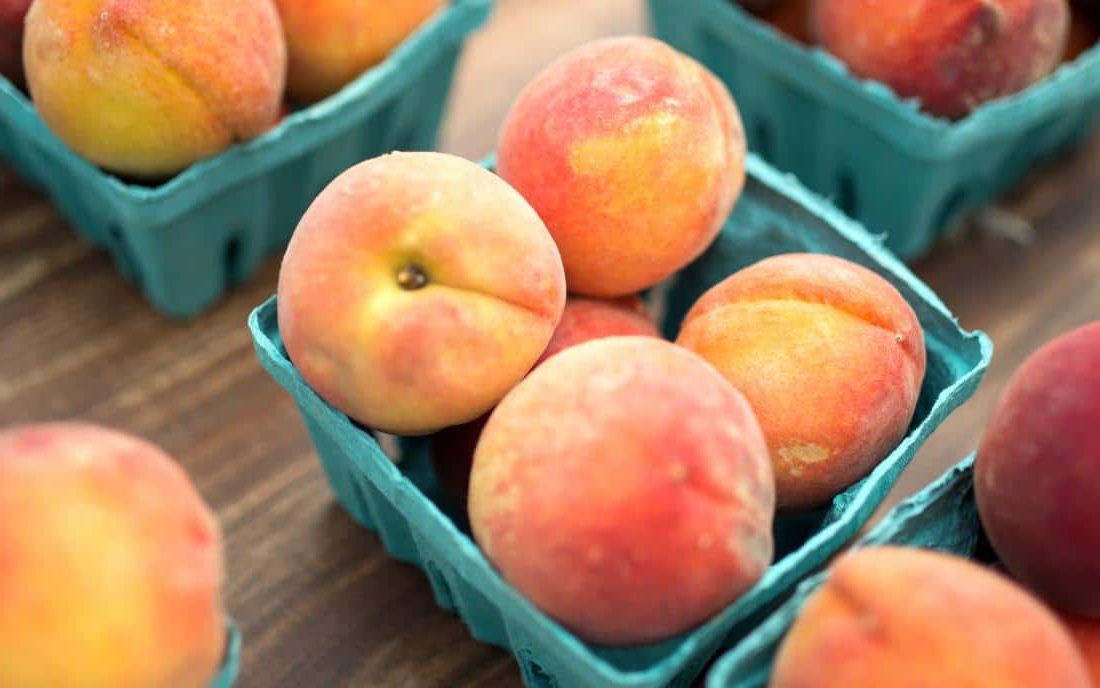
Yes, peaches can fit into many diabetes meal plans when you choose whole fruit, keep portions modest, and count the carbohydrate. The question are peaches good for diabetics matters because fruit contains natural sugar, yet it also provides water, fiber, vitamins, and plant compounds that can support a balanced eating pattern.
A peach is not automatically “good” or “bad” for blood sugar. Your response depends on the serving size, ripeness, what you eat with it, activity, medications, and your personal glucose targets. If fruit often causes repeated highs or lows, a registered dietitian or diabetes clinician can help adjust the plan safely.
Key Takeaways
- Whole peaches can fit: count them as carbohydrate-containing fruit.
- Portion size matters: one medium peach is often one fruit serving.
- Pairing helps: add protein, fat, or a higher-fiber meal.
- Labels matter: avoid syrup-packed canned peaches when possible.
- Personal data helps: compare glucose readings after different portions.
Are Peaches Good for Diabetics? The Practical Answer
Peaches are usually a reasonable fruit choice for people with diabetes because they offer sweetness in a water-rich, whole-food form. A medium peach contains about 14 to 15 grams of carbohydrate and roughly 2 grams of fiber, depending on size and variety. That makes it similar to many standard fruit servings.
Why this matters: carbohydrate is the main nutrient that raises blood glucose after eating. Fiber, meal composition, and digestion speed can shape how quickly that rise happens. Whole peaches keep the fruit’s structure intact, while peach juice or syrup removes much of that advantage.
Peaches also provide potassium, vitamin C, and polyphenols, which are plant compounds found in many fruits and vegetables. These nutrients do not cancel out carbohydrate. They do make whole fruit different from candy, juice, or sweetened desserts.
If you are comparing fruit options, start with the form and portion before judging the fruit itself. A fresh peach after a meal may affect glucose differently than a large peach smoothie, canned peaches in heavy syrup, or dried peaches eaten by the handful.
Do Peaches Raise Blood Sugar?
Peaches can raise blood sugar because they contain carbohydrate, but the rise is often moderate when the serving is reasonable. The biggest drivers are serving size, ripeness, and whether the peach is eaten alone or with other foods.
A very ripe peach may taste sweeter and feel easier to digest. A larger peach may contain more carbohydrate than a small one. A peach eaten by itself on an empty stomach may raise glucose faster than the same peach eaten with eggs, plain Greek yogurt, cottage cheese, nuts, or a meal containing vegetables and protein.
Glycemic index can help explain this, but it is not the whole story. Glycemic index estimates how quickly carbohydrate-containing foods raise glucose compared with a reference food. Glycemic load also considers the amount of carbohydrate in the serving. For a person living with diabetes, the serving and the full meal often matter more than a single number.
Quick tip: If you use a glucose meter or continuous glucose monitor, compare one small peach alone with one small peach after a balanced meal.
The calculator below can help you estimate carbohydrate servings from a fruit label or meal plan. It is a math aid, not a substitute for clinical nutrition guidance.
Carb Serving Calculator
Convert total carbohydrate grams into carb choices for meal planning and diabetes education.
These calculations are for education only and do not replace clinical advice, diagnosis, or treatment. Always confirm medical decisions with a qualified healthcare professional.
How Much Peach or Fruit Fits in a Day?
There is no single daily fruit limit that works for every person with diabetes. Many meal plans count one small whole fruit, one medium peach, or about 3/4 to 1 cup of cut fruit as one fruit serving. Your clinician may suggest different targets based on A1C, kidney health, medication use, activity, and nutrition goals.
For many people, spreading fruit across the day works better than eating several servings at once. For example, one peach with breakfast and berries later may be easier to manage than a large bowl of mixed fruit after dinner. If you take insulin or medicines that can cause hypoglycemia (low blood sugar), consistent carbohydrate timing can be especially important.
People often ask how much fruit can a diabetic eat in a day. A useful starting point is to look at your total carbohydrate pattern, not only the fruit. If fruit displaces vegetables, protein, or higher-fiber starches, the meal may feel less filling and produce a sharper glucose rise.
For broader fruit ideas with lower-sugar options, see Low-Sugar Fruits For Diabetes. If you want snack examples that pair carbohydrate with protein or fat, Healthy Snacking For Diabetics is not in the current internal allowlist, so this article keeps the pairing guidance here instead.
Simple Serving Examples
- Fresh peach: one small or medium fruit.
- Sliced peaches: about 3/4 to 1 cup.
- Canned peaches: drain and choose no added sugar when possible.
- Dried peaches: use a small portion because sugar is concentrated.
If you are pregnant, have kidney disease, gastroparesis (delayed stomach emptying), an eating disorder history, or frequent highs and lows, ask for individualized guidance before changing your carbohydrate pattern.
Fresh, Frozen, Canned, and Dried Peaches
The best peach choice for glucose control is usually whole, unsweetened fruit. Fresh peaches provide water and fiber. Frozen peaches can be just as useful if the bag lists peaches only, without added sugar or syrup.
Canned peaches need more label reading. Peaches packed in heavy syrup can add fast-digesting sugar. Peaches packed in water, juice, or “no sugar added” options are often better choices, but the label still matters. Draining the liquid can reduce extra sugar from the packing medium.
Are canned peaches good for diabetics? They can be, if the portion is measured and the product has little or no added sugar. Canned fruit in syrup is closer to dessert than whole fruit. If that is the only option available, a smaller serving with a meal may be more manageable than a large bowl by itself.
Dried peaches are different. Drying removes water and concentrates carbohydrate into a small volume. A few pieces may represent much more fruit than expected. Fruit leathers and sweetened dried fruit can be even more concentrated, especially when they contain added sugar.
Why it matters: The same fruit can affect glucose very differently once it is juiced, dried, blended, or packed in syrup.
Peaches, Plums, Nectarines, and Other Summer Fruits
Peaches, plums, and nectarines can all fit into a diabetes-conscious eating pattern when portions are measured. These stone fruits are similar enough that the best choice often comes down to serving size, ripeness, and what you enjoy.
People also ask: are plums good for diabetics? A small or medium plum can be a reasonable fruit serving. Plums have edible skins, which add texture and fiber. The challenge is that they are small and easy to eat quickly, so counting the number matters.
Are nectarines good for diabetics? Usually, yes, under the same conditions as peaches. Nectarines are close relatives of peaches. Choose whole fruit, keep the portion modest, and avoid turning several pieces into a large smoothie.
Are plums high in sugar? They contain natural fruit sugar, but a single plum is usually a modest portion. Several plums eaten at once can add up. Dried plums, also called prunes, are more concentrated and may affect digestion as well as glucose, so portions should be smaller.
Watermelon and cantaloupe raise a different portion issue. They are hydrating, but cubes can pile up in a bowl. If you wonder is watermelon good for diabetes, the answer is similar: it can fit, but portion and pairing matter. For a closer look at melon portions, read Cantaloupe And Diabetes.
Best and Worst Fruits: A Better Way to Think About It
No fruit is a miracle fruit for type 2 diabetes, and no single fruit causes diabetes on its own. Diabetes risk and glucose control reflect many factors, including genetics, body weight, activity, sleep, medications, overall diet quality, and access to care.
People often search for the “best” or “worst” fruits for diabetics. A more useful approach is to sort fruits by form, fiber, portion, and how they fit the meal. Berries, peaches, plums, apples, pears, citrus, and kiwi often work well because reasonable servings provide water and fiber without a very large carbohydrate load.
Fruits that need more caution are usually not “bad” in every situation. They are often easier to overeat or faster to digest. Fruit juice, sweetened smoothies, syrup-packed fruit, large tropical fruit bowls, and dense dried fruit mixes can raise glucose quickly, especially without protein or fiber.
Grapes are a good example. Can a diabetic eat grapes everyday? Some people can include a measured portion regularly. Others find that grapes are too easy to snack on mindlessly. A small measured serving with cheese, nuts, or a meal may be easier to manage than eating from the bag.
If you want a berry comparison, Are Strawberries Good For Diabetics explains why serving size and fiber matter. For another common fruit question, Are Bananas Good For Diabetics covers ripeness, portions, and meal pairing.
Fruit Choices That Often Need More Care
- Fruit juice: little fiber and fast absorption.
- Large smoothies: several servings can hide in one cup.
- Syrup-packed fruit: added sugar changes the meal.
- Dried fruit mixes: concentrated carbohydrate in small handfuls.
- Oversized portions: even whole fruit can add up.
This framing is safer than memorizing a “5 worst fruits to eat for diabetics” list. It also leaves room for culture, budget, season, and personal preference.
How to Pair Peaches for Steadier Glucose
Pairing peaches with protein, fat, or higher-fiber foods may slow digestion and improve satiety. This does not make the carbohydrate disappear. It can make the meal more balanced and easier to sustain.
Try peaches with plain Greek yogurt, cottage cheese, ricotta, nuts, peanut butter, eggs, or a salad with chicken or tofu. Grilled peaches can work as part of a meal when the rest of the plate is not built around refined starches and sweet sauces. If you enjoy dessert, a small baked peach with cinnamon and nuts may be a more measured option than peach pie or cobbler.
Avocado is not a sweet fruit, but it can help build meals with healthy fats and fiber. For ideas on using it in diabetes-conscious plates, see Are Avocados Good For Diabetics.
Also consider timing. Fruit after a walk or as part of breakfast may affect you differently than fruit late at night. Illness, stress, poor sleep, and medication changes can also shift glucose patterns. If readings are unexpectedly high or low, avoid blaming one food without looking at the bigger picture.
Practical Fruit Checklist for Diabetes Meal Planning
A short checklist can make fruit choices less stressful. Use it as a planning tool, then personalize it with your readings and care team’s advice.
- Choose whole fruit: keep the skin when edible.
- Measure portions: avoid bottomless bowls or bags.
- Read labels: check added sugar and serving size.
- Pair thoughtfully: add protein, fat, or fiber.
- Spread servings: avoid stacking several fruits at once.
- Track response: compare readings after similar meals.
- Adjust context: consider activity, illness, sleep, and medications.
If you are building a broader food list, include non-starchy vegetables, legumes, lean proteins, unsaturated fats, and high-fiber grains as tolerated. Fruit works best when it complements the plate rather than carrying the whole snack or meal.
For more condition-focused nutrition reading, browse the Diabetes Guides collection. Category pages are useful for finding related topics, but they do not replace individualized medical care.
When to Ask for More Help
Ask your healthcare team for guidance if fruit consistently causes glucose spikes, repeated lows, or confusion about carbohydrate targets. This is especially important if you use insulin, sulfonylureas, or other medicines that can increase hypoglycemia risk.
You may also need personalized support if you have kidney disease, heart disease, digestive disorders, pregnancy, or a history of disordered eating. In these situations, simple fruit lists may miss important safety details.
Bring a short record to your visit. Note the fruit, portion, meal pairing, medication timing, activity, and glucose readings before and about two hours after eating. Patterns are more useful than one isolated number.
Authoritative Sources
For standardized nutrient values, check the USDA FoodData Central database. It can help compare peaches, plums, berries, and canned fruit products.
For diabetes-focused fruit guidance, review the American Diabetes Association fruit resource. It explains fruit choices in the context of carbohydrate awareness.
For evidence on fiber and type 2 diabetes nutrition, see this peer-reviewed review on dietary fiber. It discusses how fiber may support glucose and metabolic health.
Recap
Are peaches good for diabetics? For many people, yes, when peaches are eaten as whole fruit, measured as a carbohydrate serving, and paired with balanced meals. Fresh or unsweetened frozen peaches usually fit better than juice, dried fruit, or syrup-packed cans.
The most useful plan is personal. Use labels, portions, and glucose data to learn your response. Then adjust with support from a registered dietitian or clinician when readings, medications, or health conditions make food choices more complex.
This content is for informational purposes only and is not a substitute for professional medical advice.


