
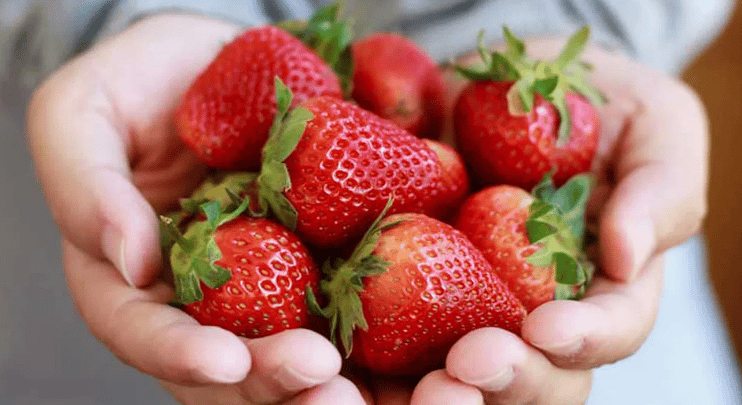
Yes. Strawberries can fit into many diabetes eating plans when the portion is counted as carbohydrate and matched with the rest of the meal. If you are asking are strawberries good for diabetics, the useful answer is not just yes or no. It depends on serving size, added sugar, your glucose pattern, activity, and medicines that can affect lows. Fresh or unsweetened frozen strawberries are usually easier to plan than syrup-packed fruit, jam, juice, or dessert toppings.
Key Takeaways
- Portions still count: Strawberries contain natural sugar and carbohydrate.
- One cup helps planning: Fresh strawberry halves have roughly 12 grams of carbohydrate.
- Plain forms work best: Fresh or unsweetened frozen berries are simplest to count.
- Response varies: Glucose changes depend on the full meal, movement, and medicines.
- Patterns matter most: No fruit fixes diabetes or ruins a plan by itself.
Are Strawberries Good for Diabetics? The Practical Answer
Strawberries are often a practical fruit choice for people with diabetes because a usual serving is relatively low in carbohydrate, high in water, and provides fiber. They also bring vitamin C and plant compounds found naturally in berries. That does not make them a treatment for diabetes. It means they can be a reasonable part of a balanced eating pattern.
The main issue is not whether strawberries are good or bad. The issue is how they fit into your total carbohydrate intake for the meal or snack. Fruit contains carbohydrate, and carbohydrate can raise blood glucose. The rise may be smaller or slower when the food also contains fiber, protein, or fat, but it still needs attention.
Portion size matters most for day-to-day decisions. A small bowl of plain strawberries may fit well for many people. A large smoothie with juice, sweetened yogurt, honey, and granola can have a very different glucose effect. The same fruit can behave differently depending on what comes with it.
Why it matters: You do not need to fear fruit, but you do need a clear serving plan.
How Many Strawberries Can a Person With Diabetes Eat?
A common starting point is about 1 cup of fresh strawberry halves, which provides roughly 12 grams of carbohydrate and about 3 grams of fiber. This is close to one carbohydrate serving for many diabetes meal plans, though targets vary. Some people may do better with less. Others may fit a larger portion when the rest of the meal is lower in carbohydrate.
So, how many strawberries can a diabetic eat in one day? There is no single safe number for everyone. A useful approach is to count the total carbohydrate from fruit across the day, not only the berries in one bowl. Your care team may suggest a specific carbohydrate range per meal or snack, especially if you use insulin or medicines that can cause hypoglycemia (low blood sugar).
Some people count total carbohydrate. Others use carbohydrate choices, the plate method, or continuous glucose monitor patterns. Your approach may depend on diabetes type, A1C goals, activity level, weight goals, kidney health, and medications. If your readings vary widely, bring food examples and glucose logs to a clinician or registered dietitian instead of guessing.
A carb-serving calculator can help you translate label or recipe carbohydrates into serving units. It is a math aid, not a personalised meal plan.
Carb Serving Calculator
Convert total carbohydrate grams into carb choices for meal planning and diabetes education.
These calculations are for education only and do not replace clinical advice, diagnosis, or treatment. Always confirm medical decisions with a qualified healthcare professional.
Use it with the nutrition label for yogurt, cereal, granola, or other foods you serve with strawberries. The total snack can matter more than the fruit alone.
Do Strawberries Raise Blood Sugar?
Strawberries can raise blood sugar because they contain carbohydrate. For many people, the rise from a typical portion is modest, but it is not zero. Your glucose response can change with portion size, ripeness, what else you eat, recent activity, sleep, stress, and medication timing.
Two terms often come up with strawberries and diabetes: glycemic index and glycemic load. Glycemic index describes how quickly a carbohydrate food may raise blood glucose compared with a reference food. Glycemic load also considers the amount of carbohydrate in the serving. Because strawberries have a modest carbohydrate amount per usual serving, their glycemic load is generally low.
These tools can help compare foods, but they are not perfect predictions. A person using mealtime insulin may see a different pattern than someone managing type 2 diabetes with lifestyle changes and non-insulin medicines. A strawberry snack after a walk may also look different from the same snack eaten late at night.
If you monitor glucose, look for patterns rather than one isolated number. You might compare strawberries alone, strawberries with plain Greek-style yogurt, and strawberries after a higher-carbohydrate meal. If you often see high readings after meals, note the full meal, timing, and portion before assuming strawberries caused the entire rise.
Fresh, Frozen, Dried, and Sweetened Strawberries
The form of the fruit changes the practical decision. Unsweetened strawberries are usually easiest to count. Sweetened products require closer label reading because added sugars can raise total carbohydrate quickly.
| Strawberry Form | Why It Matters | Practical Check |
|---|---|---|
| Fresh strawberries | Mostly water, fiber, and natural carbohydrate. | Measure the bowl at first, then learn your usual portion. |
| Unsweetened frozen strawberries | Similar to fresh when no sugar is added. | Check the ingredient list for strawberries only. |
| Dried strawberries | Carbohydrate is concentrated into a smaller volume. | Use the label serving, not handful size. |
| Strawberries in syrup | Added sugar can raise total carbohydrate. | Compare total carbohydrate and added sugar. |
| Jam, jelly, or dessert topping | Often much higher in added sugar. | Treat as a sweetener, not a fruit serving. |
Labels can also vary by brand. Frozen strawberries packed in juice, canned fruit cocktails, and strawberry-flavoured desserts are not the same as plain berries. When in doubt, compare total carbohydrate per serving rather than relying on the word strawberry on the package.
Quick tip: Check total carbohydrate first, then added sugar and serving size.
Building a Blood-Sugar-Friendly Strawberry Snack
A strawberry snack usually works better when it has structure. Fiber helps, but protein and fat can add staying power. That may reduce the urge to keep grazing and may make the snack feel more complete.
Simple options include strawberries with plain yogurt, cottage cheese, nuts, chia pudding, or a small portion of whole-grain toast with nut butter. The best fit depends on your carbohydrate target, appetite, kidney health, allergies, and food preferences. If you need more ideas, Healthy Snacking For Diabetics covers practical ways to combine foods without turning snacks into guesswork.
Try to watch the add-ons. Granola, sweetened yogurt, whipped toppings, chocolate syrup, and fruit juice can turn a low-glycemic fruit into a high-carbohydrate snack. You do not have to avoid every sweet food forever. But it helps to know which part of the bowl is doing most of the glucose work.
Example: A person who wants an evening snack might choose sliced strawberries with plain yogurt and a few chopped nuts. That snack contains fruit, protein, and fat. Another person might blend strawberries with fruit juice and sweetened yogurt. Both include strawberries, but the carbohydrate load and speed of absorption can differ a lot.
When Strawberries Need Extra Planning
Are strawberries good for diabetics who use insulin, sulfonylureas, or other medicines that can cause low blood sugar? They may still fit, but timing and carbohydrate counting can matter more. Do not change medication doses based on fruit choices without your prescriber. Instead, bring glucose logs, food notes, or continuous glucose monitor reports to your next visit.
People with type 2 diabetes often focus on total carbohydrate quality, weight goals, heart health, and sustainable routines. Strawberries can support a flexible pattern because they taste sweet while providing fiber and a manageable serving size. Still, fruit choices should sit inside the broader meal plan, not replace it.
Some situations deserve more individual guidance. Ask a clinician or registered dietitian before making major fruit or carbohydrate changes if you are pregnant, have kidney disease, have gastroparesis, have an eating disorder history, follow a very low-carbohydrate plan, or experience repeated highs or lows. These situations can change what safe and realistic eating looks like.
Low blood sugar needs a separate plan. Strawberries are not usually the fastest option for treating hypoglycemia because their fiber and volume can slow intake. Many diabetes care plans use the 15-15 rule, which means taking 15 grams of fast-acting carbohydrate and rechecking after 15 minutes. Follow the plan your care team gave you, especially if you use insulin.
How Strawberries Fit With Other Fruits
No single fruit is the number one fruit for diabetes, and there is no miracle fruit that fixes blood sugar. A better goal is a repeatable pattern: choose fruit portions you enjoy, count the carbohydrate, pair them thoughtfully, and notice your own glucose response. That approach is more useful than ranking fruits as always good or always bad.
Strawberries, raspberries, blackberries, citrus, kiwi, peaches, apples, cantaloupe, and other melons can all fit differently depending on serving size. If you want a wider comparison, Low Sugar Fruits For Diabetes explains how to think about fruit choices without banning whole food groups.
Fruit also differs in texture and satisfaction. A banana may be more carbohydrate-dense than strawberries per cup, while peaches bring sweetness and fluid. Canned versions may include syrup, which changes the carbohydrate count. For deeper comparisons, see Bananas And Diabetes, Peaches And Diabetes, and Cantaloupe And Diabetes.
The practical answer to are strawberries good for diabetics is yes, when the serving is intentional. Start with plain fruit, measure a few times, pair it with a balanced meal or snack, and review your glucose patterns. Over time, you can learn whether strawberries are an easy fit, an occasional treat, or a food that needs a smaller portion for you.
Authoritative Sources
- For fruit planning basics, see the American Diabetes Association fruit guidance.
- For nutrient data on raw strawberries, use USDA FoodData Central.
- For low blood sugar treatment basics, review the CDC hypoglycemia guidance.
For more diabetes nutrition resources, the Diabetes Topic Hub collects related educational posts in one browsable place.
Strawberries can be a useful fruit choice, but your best portion depends on your overall meal, medications, and glucose goals. If your readings are unpredictable, bring specific food examples to a clinician or registered dietitian.
This content is for informational purposes only and is not a substitute for professional medical advice.


