
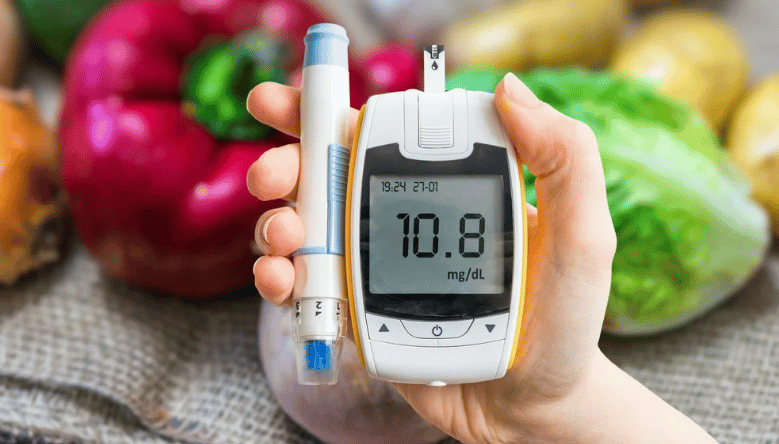
The signs and symptoms of prediabetes are often mild or absent, so testing matters more than waiting for obvious warning signs. Prediabetes means blood glucose is higher than normal but not high enough for a diabetes diagnosis. Some people notice fatigue after meals, thirst, frequent urination, blurry vision, skin changes, or tingling in the feet. Many people feel well.
Why this matters: prediabetes is a chance to act early. Food patterns, movement, sleep, weight changes, and follow-up testing can help lower the chance of progressing to type 2 diabetes. A clinician can confirm your numbers and help you choose safe next steps.
Key Takeaways
- Symptoms can be subtle: Many people have no clear warning signs.
- Testing confirms risk: A1C, fasting glucose, and oral glucose tolerance tests guide decisions.
- Skin can give clues: Dark, velvety patches may reflect insulin resistance.
- Daily habits matter: Fiber-rich meals, regular activity, and sleep support glucose control.
- Urgent symptoms differ: Confusion, dehydration, chest pain, or severe infection need prompt care.
Common Prediabetes Symptoms to Watch For
Prediabetes symptoms can resemble early diabetes symptoms, but they may come and go. You might feel unusually tired after a carb-heavy meal, need to urinate more at night, or feel thirstier than usual. Some people report headaches, blurry vision after large meals, or increased hunger soon after eating.
The signs and symptoms of prediabetes usually develop because of insulin resistance. Insulin resistance means your cells respond less effectively to insulin, the hormone that helps move glucose from the blood into cells. The body may make more insulin for a while, which can keep glucose only mildly elevated. That is one reason symptoms may stay quiet.
Skin changes can be an early clue. Acanthosis nigricans (dark, velvety skin thickening) often appears around the neck, armpits, groin, or knuckles. Skin tags may also become more common. These changes do not prove prediabetes, but they can signal higher insulin levels and should prompt a risk discussion.
Feet deserve attention, too. Tingling, burning, numbness, or reduced sensation can occur with long-standing high glucose or other nerve problems. Prediabetes is not the only cause, so new foot symptoms should be assessed. If you want to compare these clues with later-stage disease, see Type 2 Diabetes Symptoms for a practical symptom contrast.
Who Should Consider Testing Soon
Testing is worth considering if you have risk factors, even without symptoms. Risk often rises with age, family history, higher body weight, abdominal weight gain, sedentary routines, sleep apnea, high blood pressure, abnormal cholesterol, or a history of gestational diabetes. Polycystic ovary syndrome also overlaps with insulin resistance.
Women may notice cycle changes, worsening acne, or features linked with polycystic ovary syndrome, though these are not specific to prediabetes. Men may notice increasing waist size, lower stamina, or early blood pressure changes. In all adults, family history and previous lab results often matter more than symptoms alone.
Screening helps because prediabetes can be present for years before type 2 diabetes develops. A lab test gives you a baseline. It also helps separate prediabetes from other causes of fatigue, thirst, skin changes, or frequent urination. For step-by-step testing options, read How To Test For Diabetes.
Quick tip: Bring past glucose, A1C, cholesterol, and blood pressure results to your appointment.
Blood Sugar and A1C Ranges Explained
Clinicians diagnose prediabetes with blood tests, not symptoms alone. The three common tests are A1C, fasting plasma glucose, and the oral glucose tolerance test. A1C estimates average glucose over about three months. Fasting plasma glucose checks glucose after at least eight hours without calories. The oral glucose tolerance test checks how your body handles a measured glucose drink over two hours.
A normal blood sugar levels chart can make the cutoffs easier to remember. The numbers below reflect widely used diagnostic thresholds. Individual targets can differ during pregnancy, serious illness, kidney disease, anemia, or when certain medications affect glucose.
| Test | Normal | Prediabetes Range | Diabetes Range |
|---|---|---|---|
| A1C | Below 5.7% | 5.7% to 6.4% | 6.5% or higher |
| Fasting Plasma Glucose | Below 100 mg/dL | 100 to 125 mg/dL | 126 mg/dL or higher |
| 2-Hour Oral Glucose Tolerance Test | Below 140 mg/dL | 140 to 199 mg/dL | 200 mg/dL or higher |
People often ask what is a dangerous level of A1C. An A1C of 6.5% or higher meets diabetes criteria, but urgency depends on symptoms, glucose level, hydration, pregnancy status, other conditions, and how quickly results changed. Severe thirst, vomiting, confusion, rapid breathing, or marked dehydration should be assessed urgently.
If you are comparing A1C with estimated average glucose, this calculator can help with the basic conversion. It is only a math aid and does not diagnose prediabetes or replace clinical guidance.
HbA1c & eAG Calculator
Convert between HbA1c percentage and estimated average glucose using the ADAG relationship.
These calculations are for education only and do not replace clinical advice, diagnosis, or treatment. Always confirm medical decisions with a qualified healthcare professional.
After-meal readings can add context, especially when symptoms happen after large meals. Two hours after eating, many clinicians expect values below about 140 mg/dL in people without diabetes, but personal targets vary. Repeated high home readings should be discussed with a clinician rather than interpreted alone. For high-glucose symptom patterns, see Signs And Symptoms Of Hyperglycemia.
Why Prediabetes Can Affect Skin, Feet, and Energy
Prediabetes affects the body through glucose changes, insulin resistance, inflammation, and related metabolic stress. These changes can influence energy, skin, blood vessels, and nerves before diabetes is diagnosed. Symptoms vary because every person’s glucose pattern, sleep, activity level, medications, and hormone profile differs.
Skin changes
Darkened, velvety patches are among the more visible clues linked with insulin resistance. Dry, itchy skin and recurrent yeast infections may also occur, but they are not specific. Pictures online can be misleading because many rashes look similar. A clinician can help distinguish acanthosis nigricans from eczema, fungal infections, medication reactions, or other skin conditions.
Foot and nerve symptoms
Prediabetic nerve symptoms may include tingling, burning, pins-and-needles sensations, or numbness. These symptoms need evaluation because vitamin deficiencies, thyroid disease, alcohol use, nerve compression, and other conditions can also affect the feet. Check your feet regularly if you notice sensation changes, and seek care for wounds, color changes, spreading redness, or drainage.
Energy and hunger shifts
Energy dips after meals can happen when glucose rises and falls unevenly. Some people feel hungry soon after eating, especially after refined carbohydrates without enough protein, fiber, or fat. These patterns do not confirm prediabetes, but they can help guide meal planning and testing conversations.
To understand the biology behind these patterns, What Is Insulin Resistance explains how insulin signaling can change over time.
Food, Movement, and Sleep Steps That Help
A prediabetes diet is less about one perfect food list and more about glucose-friendly patterns. Many people do better with meals built around non-starchy vegetables, lean proteins, healthy fats, and high-fiber carbohydrates. Portions still matter. So do labels, timing, medication context, and individual glucose response.
The plate method is a simple starting point. Fill half your plate with non-starchy vegetables, one quarter with protein, and one quarter with whole grains, beans, lentils, fruit, or starchy vegetables. Water is a good default drink. It supports hydration, but it does not “flush out” prediabetes or replace food, movement, and follow-up care.
People often ask which foods to avoid. A safer approach is to limit patterns that drive large glucose spikes: sugary drinks, frequent sweets, large portions of refined grains, and low-fiber snack meals. You do not need to ban every carbohydrate. Instead, pair carbohydrates with protein, fiber, and unsaturated fats when possible.
Movement can improve insulin sensitivity quickly. Walking after meals, cycling, swimming, resistance training, and everyday activity can all help. Many public health guidelines suggest at least 150 minutes of moderate activity weekly, plus strength work on two or more days, when safe for the individual. Start with a level you can repeat.
Sleep and stress also shape glucose. Short sleep, untreated sleep apnea, shift work, and chronic stress can make glucose harder to manage. If you snore loudly, wake unrefreshed, or feel very sleepy during the day, ask whether sleep apnea screening fits your situation.
For broader learning across related conditions, browse the Diabetes collection or the Type 2 Diabetes collection.
Treatment Options and Follow-Up Decisions
Prediabetes treatment usually starts with structured lifestyle support. That may include nutrition counseling, realistic activity goals, weight-management support when appropriate, sleep improvement, and stress reduction. A registered dietitian or certified diabetes educator can help tailor carbohydrate targets and meal patterns, especially if you have kidney disease, pregnancy, an eating disorder history, gastroparesis, or medication-related low blood sugar risk.
Some people ask how to reverse prediabetes quickly. A better goal is steady risk reduction. Blood glucose can improve with sustained habits, but timelines vary. Results depend on baseline A1C, weight changes, medications, sleep, genetics, other health conditions, and consistency. Follow-up testing shows whether the plan is working.
Medication may be discussed for higher-risk adults. Metformin is a commonly discussed option in selected people with prediabetes, particularly when risk of progression is higher. It is not the right choice for everyone, and it should be considered with a clinician who knows your kidney function, pregnancy plans, other medicines, and personal goals. For related background, see Metformin And Prediabetes.
Some readers may also want to understand pharmacy access terminology. BorderFreeHealth connects U.S. patients with licensed Canadian partner pharmacies, and prescription details are verified with the prescriber when required before dispensing by the pharmacy. This article remains educational and does not determine whether a medicine is appropriate for you.
Home monitoring can be useful for pattern spotting, but it is not required for every person with prediabetes. If your clinician suggests checks, a meter and compatible test strips must match. The Contour Next Meter and Bayer Contour Test Strips are examples of product pages readers may use for device context, not diagnostic advice.
When to Seek Care Promptly
Some symptoms should not wait for routine follow-up. Seek prompt medical care for confusion, fainting, chest pain, shortness of breath, severe weakness, vomiting, signs of dehydration, sudden vision changes, or a spreading infection. These symptoms can signal problems beyond prediabetes.
Contact a clinician soon if you have repeated excessive thirst, frequent urination, unexplained weight loss, new foot numbness, slow-healing wounds, or recurrent yeast infections. These may reflect diabetes, another medical condition, or a complication that needs evaluation. Testing can clarify the next step.
Why it matters: Symptoms are useful clues, but lab results confirm the diagnosis.
Authoritative Sources
For diagnostic thresholds and screening criteria, see the American Diabetes Association diagnostic standards.
For prevention basics and risk factors, review the CDC prediabetes prevention resource.
For how A1C testing works, the NIDDK A1C test explanation provides patient-friendly detail.
Recap
The signs and symptoms of prediabetes can be easy to miss. Fatigue after meals, thirst, nighttime urination, blurry vision, skin changes, or foot tingling may be clues, but many people have no symptoms. Testing is the reliable way to know where you stand.
Focus on practical next steps: confirm your numbers, review risk factors, build meals around fiber and protein, move most days, and protect sleep. If symptoms are severe or changing quickly, seek care promptly. Prediabetes is not a personal failure; it is useful information that can guide earlier support.
This content is for informational purposes only and is not a substitute for professional medical advice.


