
Please note: a valid prescription is required for all prescription medication.
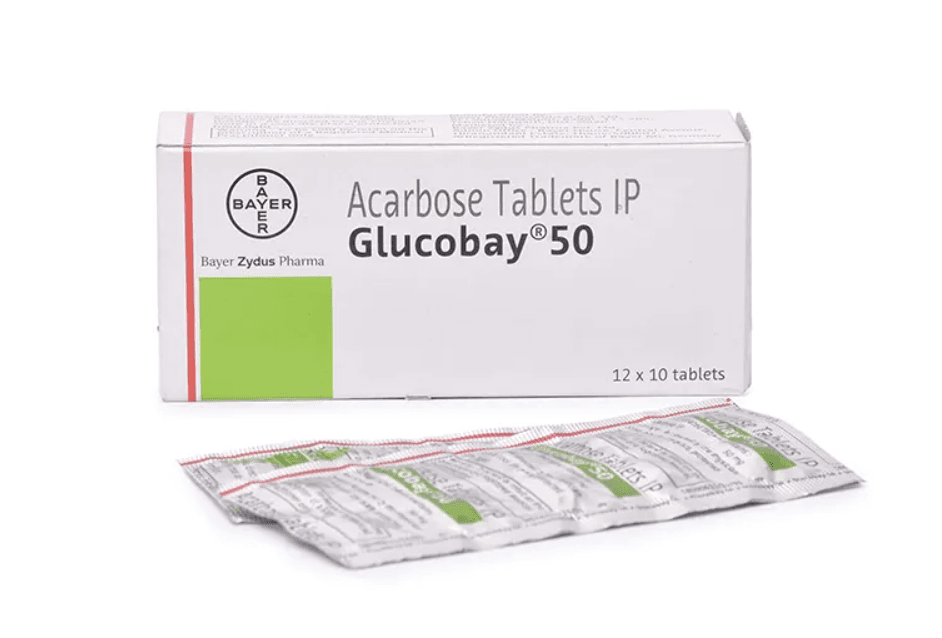
Acarbose
Buy Acarbose Online
Secure Encrypted Payments
Acarbose is an oral diabetes medicine used with diet and exercise to help manage blood sugar in adults with type 2 diabetes. You can buy acarbose online, view current pricing, and choose the tablet strength shown during ordering that matches your clinician’s directions. It works at mealtime, so the dose, meal schedule, and carbohydrate pattern all matter for safe, consistent use.
Acarbose belongs to a class called alpha-glucosidase inhibitors. These medicines slow the breakdown of complex carbohydrates in the small intestine, which helps reduce the rise in blood glucose after meals. Because its effect is tied to food digestion, it is different from medicines that primarily change insulin release, insulin sensitivity, or glucose removal through the kidneys.
Acarbose Price, Tablet Strengths, and Ordering
Acarbose price can vary by tablet strength, quantity, manufacturer, and supply source. During ordering, choose the dose or strength available for the product and match it to the directions given by your clinician. Commonly used tablet strengths include acarbose 25 mg tablets, acarbose 50 mg tablets, and acarbose 100 mg tablets when available from the supplier.
For cash-pay customers, the acarbose cost is often reviewed by comparing the prescribed strength, daily meal schedule, and total tablet count. A multi-month quantity may reduce the number of repeat orders, but it should only match your ongoing treatment plan. If your dose is still being adjusted, ask your clinician how much supply is practical before choosing a larger quantity.
BorderFreeHealth supports US delivery from Canada for eligible orders supplied through licensed pharmacies. Packaging and handling follow the medication’s storage requirements, and prompt, express shipping may be used when appropriate for the order. Keep your order quantity aligned with your actual dosing schedule so you have enough tablets for meals without creating unnecessary surplus.
People managing diabetes often compare costs across a broader treatment plan. If you are also using glucose meters, insulin, or other oral medicines, browsing the Diabetes Care category can help you see related supplies and therapies in one place. Product selection should still follow the plan set by your healthcare professional.
What Acarbose Treats and Who It May Fit
Acarbose is used for type 2 diabetes mellitus as an addition to diet and exercise. It may be used alone or with other diabetes medicines when after-meal readings remain above target. It is especially relevant when fasting glucose is closer to goal but post-meal spikes are still a problem.
This medicine is not a treatment for type 1 diabetes or diabetic ketoacidosis. It also is not appropriate for certain digestive conditions, including inflammatory bowel disease, colonic ulceration, partial intestinal obstruction, or chronic intestinal disorders linked with marked digestion or absorption problems. People with cirrhosis should not use it.
Acarbose is one part of a broader care plan for Type 2 Diabetes. Meal planning, physical activity, blood glucose monitoring, and follow-up lab work all help determine whether it is working well enough. Your clinician may also consider your kidney function, liver history, gastrointestinal tolerance, and other diabetes medicines before continuing or changing therapy.
How It Works at Meals
Acarbose acts locally in the gut. It inhibits alpha-glucosidase enzymes, which are involved in breaking down starches and certain sugars into glucose. Slower carbohydrate digestion can soften the blood sugar rise after eating, especially after meals containing complex carbohydrates.
Timing is central to the medicine’s effect. Acarbose is typically taken with the first bite of each main meal. Taking it well before a meal, long after eating, or between meals will not provide the same benefit because the medicine needs to be present while carbohydrates are being digested.
Quick tip: If your meal schedule changes often, ask your clinician how to handle skipped meals, late meals, or smaller meals.
Acarbose does not work like metformin. Metformin mainly lowers glucose production by the liver and improves insulin sensitivity, while acarbose focuses on carbohydrate digestion in the intestine. The two medicines may be used in the same overall treatment plan when clinically appropriate, but they answer different blood sugar problems.
Using Acarbose Tablets Safely
Use acarbose exactly as directed by your clinician and the official label. Many people start with a lower dose and increase gradually to improve stomach tolerance. Do not raise, lower, or stop the medicine on your own, especially if you use other drugs that affect blood sugar.
If you miss a dose at the start of a meal, take it when you remember only if you are still eating. If the meal is almost over, skip that dose and resume with the next meal. Do not double up later, because the medicine works with the carbohydrates in the current meal rather than as a long-acting correction.
Track after-meal glucose readings if your care plan includes home monitoring. Those readings can show whether the medicine is helping the part of the day it is designed to target. Bring logs, meter downloads, or continuous glucose reports to appointments so your clinician can assess patterns rather than single numbers.
Side Effects, Warnings, and Monitoring
The most common drawback of acarbose is gastrointestinal discomfort. Gas, bloating, abdominal pain, loose stools, diarrhea, and stomach cramps can occur because more carbohydrate reaches the lower intestine before being fully digested. These effects are often most noticeable early in treatment or after dose increases.
Tell your clinician if digestive symptoms are severe, persistent, or associated with dehydration, blood in stool, or significant abdominal swelling. A slower titration or a change in meal composition may be discussed, but ongoing or severe symptoms need medical attention. People with bowel obstruction risk or serious intestinal disease should avoid this medicine because delayed carbohydrate digestion can worsen gastrointestinal problems.
Low blood sugar is less common when acarbose is used by itself, but the risk increases when it is combined with insulin or medicines that stimulate insulin release, such as sulfonylureas. If hypoglycemia occurs while taking acarbose, treat it with glucose tablets or glucose gel. Table sugar and many sweets contain sucrose, which may not correct low glucose as quickly because acarbose slows sucrose breakdown.
Liver enzyme elevations have been reported, particularly at higher doses. Your clinician may order liver function tests before or during therapy, especially if you have liver risk factors or symptoms such as unusual fatigue, dark urine, yellowing of the skin or eyes, or persistent nausea. Share your full medication and supplement list so interactions can be assessed.
Digestive enzyme products and intestinal adsorbents may reduce acarbose’s effect. Alcohol can complicate glucose control and may worsen stomach tolerance. If you take thyroid medicines, blood pressure drugs, cholesterol medicines, or other chronic treatments, keep one updated list for every healthcare visit.
Weight, A1C, and What to Expect
Acarbose is not a weight-loss medicine. Some people may notice modest weight changes during diabetes treatment, but weight response depends on diet, activity, other medicines, and overall health. The main goal of acarbose is improved post-meal blood sugar control.
A1C changes usually appear gradually because A1C reflects average glucose over time. You may notice after-meal readings change sooner if you take each dose at the first bite and keep meals consistent enough to compare. If readings remain above target, your clinician may adjust meal planning, acarbose dosing, or companion medicines.
Gastrointestinal tolerance can improve after the first weeks, particularly when doses are increased gradually. If side effects lead you to skip doses, tell your clinician instead of quietly stopping. Missed mealtime doses can make it harder to judge whether the medicine is failing or simply not being taken at the right times.
Storage and Travel
Store acarbose tablets in the original container with the cap tightly closed. Keep them at room temperature, away from excess moisture, and out of bathrooms or other humid places. As with all medicines, keep the bottle away from children and pets.
For travel, carry tablets in hand luggage with the pharmacy label intact. Meal timing can shift across time zones, so plan doses around actual meals rather than the clock alone. Phone reminders can help if you often eat at different times during work, travel, or social events.
If your diabetes plan includes multiple therapies, organize medicines so mealtime products are easy to identify. People using insulin, glucose tablets, or testing supplies may want a separate travel pouch. For broader diabetes articles, the Type 2 Diabetes articles section can support conversations about monitoring, food planning, and medication routines.
Acarbose, Precose, and Generic Context
Precose is a brand name associated with acarbose tablets. Acarbose is the active ingredient, and generic acarbose tablets are commonly discussed as a lower-cost alternative to the brand in many settings. Brand names, manufacturers, and country-specific product records may differ, so follow the medicine name and strength on your bottle.
When reviewing acarbose from Canada, focus on the active ingredient, tablet strength, quantity, and directions from your clinician. Do not substitute a different diabetes medicine just because it appears similar online. Medicines within the same diabetes category can have different side effects, contraindications, and monitoring needs.
You can also browse products identified with Canada as the country of origin when origin is part of your shopping decision. Country of origin does not replace clinical suitability, and the appropriate medicine remains the one your clinician has chosen for your condition and treatment goals.
Comparing Acarbose With Other Diabetes Choices
Acarbose is most useful when the treatment target is the rise in glucose after meals. Other diabetes medicines may focus more on fasting glucose, insulin sensitivity, insulin secretion, kidney glucose excretion, appetite, or weight. That difference explains why acarbose may be added to an existing plan rather than replacing every other medicine.
Compared with metformin, acarbose tends to cause more gas and bloating, while metformin more often causes nausea or diarrhea and has different kidney-related considerations. Compared with insulin or sulfonylureas, acarbose by itself has a lower tendency to cause hypoglycemia, but combination therapy changes that risk. Your clinician will weigh glucose patterns, A1C, meal habits, other diagnoses, and tolerance.
If your current concern is affordability, compare the acarbose cash price with the total cost of your full diabetes regimen, not only one bottle. Testing supplies, companion medicines, appointment frequency, and dose changes can all influence out-of-pocket planning. A practical treatment plan is one you can use consistently and safely.
Questions to Ask Your Clinician
- Which meals should include acarbose if my meal size varies?
- What after-meal glucose target should I track?
- How should I treat low blood sugar while taking acarbose with other diabetes medicines?
- Should my liver enzymes be monitored during therapy?
- Which digestive side effects should prompt a call?
- How will we decide whether my dose should change?
- Is my current bowel, liver, or kidney history relevant to this medicine?
Authoritative Sources
- Official prescribing information for Precose
- Health Canada product record for acarbose
- MedlinePlus drug information for acarbose
This content is for informational purposes only and is not a substitute for professional medical advice.
Blood Glucose Unit Converter
Convert glucose readings between mg/dL and mmol/L without changing the clinical value.
mg/dL
-
US reporting unit
mmol/L
-
International reporting unit
These calculations are for education only and do not replace clinical advice, diagnosis, or treatment. Always confirm medical decisions with a qualified healthcare professional.
HbA1c & eAG Calculator
Convert between HbA1c percentage and estimated average glucose using the ADAG relationship.
HbA1c
-
percentage
eAG mg/dL
-
estimated average glucose
eAG mmol/L
-
estimated average glucose
These calculations are for education only and do not replace clinical advice, diagnosis, or treatment. Always confirm medical decisions with a qualified healthcare professional.
HOMA-IR Calculator
Estimate insulin resistance from fasting glucose and fasting insulin values collected from the same blood draw.
HOMA-IR
-
screening estimate, not a diagnosis
Formula used
-
depends on glucose unit
These calculations are for education only and do not replace clinical advice, diagnosis, or treatment. Always confirm medical decisions with a qualified healthcare professional.
Carb Serving Calculator
Convert total carbohydrate grams into carb choices for meal planning and diabetes education.
Carb choices
-
total carbs divided by choice size
Rounded choices
-
nearest half choice
Carb calories
-
4 kcal per gram
These calculations are for education only and do not replace clinical advice, diagnosis, or treatment. Always confirm medical decisions with a qualified healthcare professional.
CGM Time-in-Range Summary
Summarise CGM percentages across very low, low, in-range, high, and very high glucose bands.
Entered total
-
should equal 100%
Below range
-
very low plus low
Above range
-
high plus very high
Summary
-
common adult CGM targets vary by patient
These calculations are for education only and do not replace clinical advice, diagnosis, or treatment. Always confirm medical decisions with a qualified healthcare professional.
Express Shipping - from $29.99
Shipping with this method takes 3-5 days
Prices:
- Dry-Packed Products $29.99
- Cold-Packed Products $39.99
Shipping Countries:
- United States (all contiguous states**)
- Worldwide (excludes some countries***)
Standard Shipping - $19.99
Shipping with this method takes 5-10 days
Prices:
- Dry-Packed Products $19.99
- Not available for Cold-Packed products
Shipping Countries:
- United States (all contiguous states**)
- Worldwide (excludes some countries***)
What class of drug is acarbose?
Acarbose is an alpha-glucosidase inhibitor. It slows carbohydrate breakdown in the intestine, which helps reduce blood sugar spikes after meals in adults with type 2 diabetes.
Does acarbose cause weight loss?
Acarbose is not a weight-loss medicine. Its main role is post-meal blood sugar control. Any weight change depends on diet, activity, other diabetes medicines, and individual health factors.
Is acarbose similar to metformin?
Both are oral medicines used in type 2 diabetes, but they work differently. Metformin mainly affects liver glucose production and insulin sensitivity, while acarbose works in the gut during meals.
What is the major drawback of acarbose?
The most common drawback is gastrointestinal side effects, such as gas, bloating, abdominal discomfort, and diarrhea. These may improve with gradual dose adjustment, but severe symptoms should be discussed with a clinician.
How should low blood sugar be treated while taking acarbose?
If low blood sugar occurs, especially with insulin or sulfonylureas, use glucose tablets or glucose gel. Sucrose-containing sweets may not work as quickly because acarbose slows sucrose breakdown.
Rewards Program
Earn points on birthdays, product orders, reviews, friend referrals, and more! Enjoy your medication at unparalleled discounts while reaping rewards for every step you take with us.
You can read more about rewards here.
POINT VALUE
How to earn points
- 1Create an account and start earning.
- 2Earn points every time you shop or perform certain actions.
- 3Redeem points for exclusive discounts.
You Might Also Like
Select options
This product has multiple variants. The options may be chosen on the product page
Select options
This product has multiple variants. The options may be chosen on the product page
Select options
This product has multiple variants. The options may be chosen on the product page
Select options
This product has multiple variants. The options may be chosen on the product page