
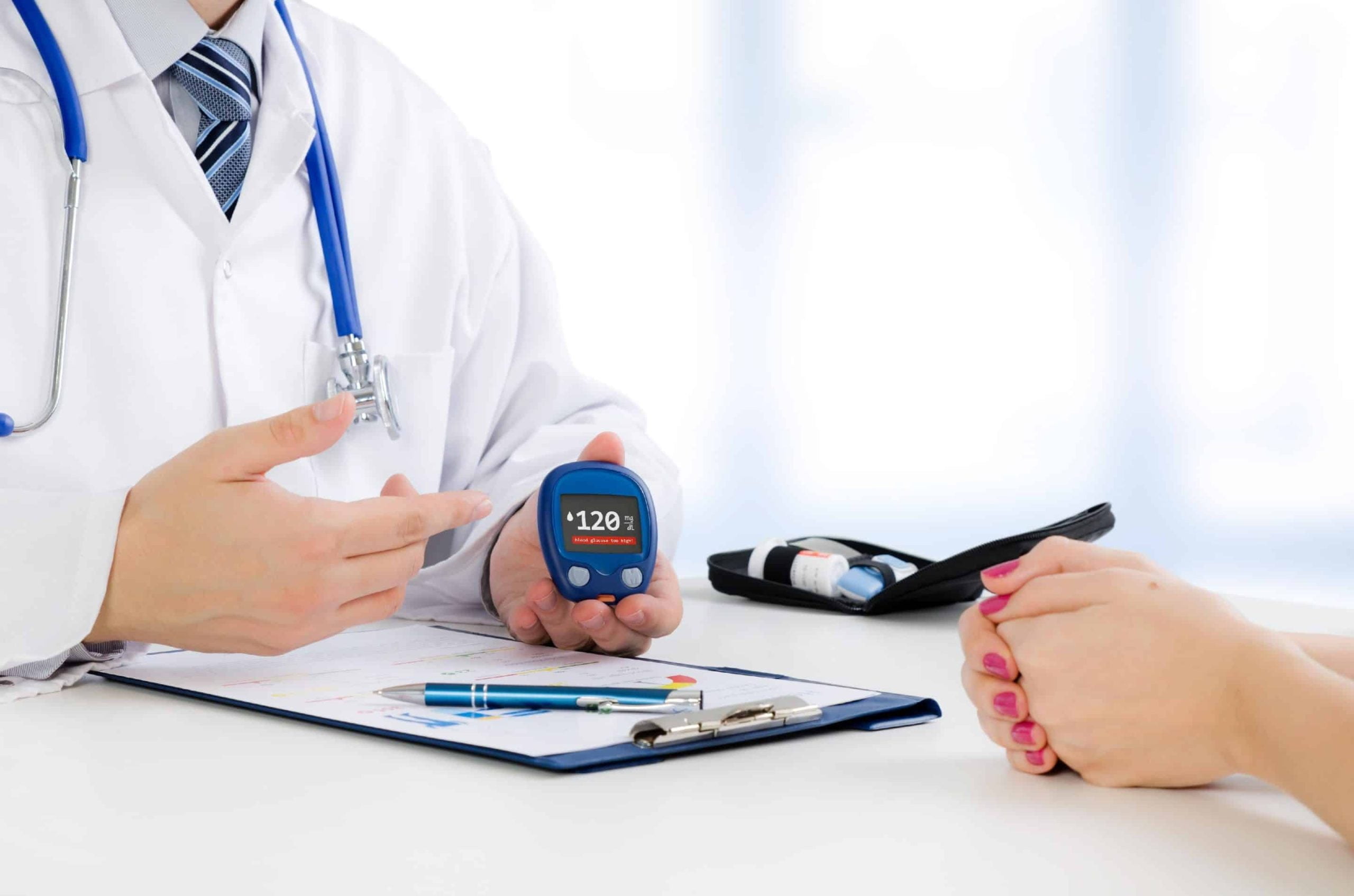
Type 2 diabetes symptoms often develop slowly, so the first clues can feel easy to dismiss. Common signs include frequent urination, unusual thirst, fatigue, blurry vision, slow-healing cuts, recurrent infections, and tingling in the feet or hands. These changes matter because high blood sugar can affect nerves, blood vessels, eyes, kidneys, and heart health before a diagnosis is confirmed.
If you notice several symptoms together, or symptoms that keep returning, testing is the next practical step. A clinician can use blood tests to check whether your glucose is normal, in the prediabetes range, or in the diabetes range.
Key Takeaways
- Early clues count: Symptoms may appear gradually over months or years.
- Testing confirms risk: A1C and fasting glucose clarify the picture.
- Patterns vary: Women, men, and older adults may notice different signs.
- Type matters: Type 1 and type 2 diabetes need different treatment plans.
- Prompt care helps: Early management can reduce complication risks.
Recognizing Type 2 Diabetes Symptoms Early
The most common type 2 diabetes symptoms come from hyperglycemia, which means higher-than-normal blood glucose. When glucose builds up in the blood, the kidneys try to remove extra sugar through urine. That can lead to more urination, more thirst, and dehydration-like symptoms.
Many people ask, “What are 10 warning signs of diabetes?” The exact list can vary, but these are the symptoms worth tracking:
- Frequent urination: Especially waking at night to urinate.
- Increased thirst: Dry mouth or constant fluid craving.
- Unusual hunger: Feeling hungry soon after meals.
- Fatigue: Low energy that rest does not fix.
- Blurred vision: Vision changes that come and go.
- Slow healing: Cuts, sores, or bruises heal slowly.
- Recurrent infections: Yeast, urinary, gum, or skin infections.
- Tingling or numbness: Burning, pins-and-needles, or numb toes.
- Unplanned weight change: Weight loss can occur with high glucose.
- Dry or itchy skin: Often linked with dehydration or infections.
These signs do not prove diabetes by themselves. Stress, infection, medication changes, thyroid disease, anemia, sleep problems, and other conditions can overlap. Still, repeated symptoms deserve attention, especially if you have risk factors such as a family history, higher waist circumference, past gestational diabetes, polycystic ovary syndrome, or known prediabetes.
People with possible early diabetes may also have few symptoms. That is why screening matters. If your symptoms are mild but persistent, a simple lab test can be more useful than waiting for “classic” signs to become obvious.
For related early-warning patterns before diabetes develops, see Prediabetes Symptoms and Signs.
Why Symptoms Happen
Type 2 diabetes usually starts with insulin resistance. This means the body still makes insulin, but muscle, liver, and fat cells do not respond to it as well. Insulin is the hormone that helps move glucose from the blood into cells for energy.
At first, the pancreas may make extra insulin to compensate. Over time, that compensation may not keep up. Blood sugar can then rise after meals, overnight, or throughout the day. That higher glucose can pull water into the urine, disturb fluid balance, and irritate small nerves and blood vessels.
Why it matters: Symptoms can be a late signal of a problem that started quietly.
Blurred vision may happen because changing glucose levels affect fluid shifts in the eye lens. Tingling or burning may reflect early nerve irritation. Slow-healing sores can occur when high glucose affects circulation, immune function, and tissue repair. Recurrent infections may happen because yeast and bacteria can grow more easily when glucose levels are high.
Uncontrolled type 2 diabetes symptoms can become more serious. Watch for severe weakness, marked dehydration, confusion, vomiting, fruity-smelling breath, chest pain, shortness of breath, or very high home glucose readings. These symptoms need urgent medical evaluation.
For a deeper look at high-glucose warning signs, see Signs and Symptoms of Hyperglycemia.
Type 1 vs Type 2 Diabetes Symptoms
Type 1 and type 2 diabetes can cause similar symptoms because both can raise blood glucose. The difference is what causes the high glucose and how quickly it can become dangerous.
In type 1 diabetes, the immune system attacks insulin-producing beta cells in the pancreas. This can lead to an absolute insulin shortage. Symptoms may develop quickly and can include weight loss, extreme thirst, frequent urination, vomiting, abdominal pain, and dangerous ketosis.
In type 2 diabetes, insulin is usually present, but the body does not use it effectively. Symptoms often develop more gradually. Many adults have type 2 diabetes for years before diagnosis, and some learn about it only through screening labs.
People often search for “which is worse type 1 or 2 diabetes.” That framing is not very helpful. Both can cause serious complications when untreated or poorly controlled. Type 1 diabetes usually requires insulin from diagnosis. Type 2 diabetes may be managed with lifestyle measures, oral medicines, injectable medicines, insulin, or a combination, depending on individual needs.
If you want a clearer side-by-side explanation, read Type 1 vs Type 2 Diabetes. For a broader overview of diabetes categories, Breaking Down the Types of Diabetes adds helpful context.
How Symptoms Can Differ in Women and Men
Type 2 diabetes symptoms in women may include the same classic signs, plus patterns linked with infections and hormones. Recurrent vaginal yeast infections, urinary tract infections, genital itching, irregular cycles, or PCOS-related symptoms can sometimes prompt testing.
Early signs of diabetes in women can also overlap with menopause, stress, sleep disruption, and thyroid problems. Night sweats, fatigue, weight change, and mood shifts may have more than one cause. Tracking thirst, urination, infections, and vision changes can help your clinician decide which tests make sense.
Type 2 diabetes symptoms in men may include erectile dysfunction, reduced morning erections, lower exercise tolerance, fatigue, increased abdominal weight, and numbness or burning in the feet. Erectile problems can have many causes, but diabetes is one possible contributor because high glucose can affect blood vessels and nerves.
Older adults may notice less obvious symptoms. Falls, dehydration, confusion during illness, infections, or slower wound healing may be the first signs. For this reason, screening is important when risk factors are present, even without strong symptoms.
Tests That Confirm Diabetes or Prediabetes
Symptoms can raise suspicion, but blood tests confirm whether glucose is in a normal, prediabetes, or diabetes range. The most common tests are A1C, fasting plasma glucose, and an oral glucose tolerance test.
A1C reflects average blood glucose over about three months. Fasting plasma glucose checks blood sugar after no calories for several hours. An oral glucose tolerance test measures how your body handles a measured glucose drink. In some situations, a random plasma glucose test may help when symptoms are present.
Home meters and continuous glucose monitors can show patterns, but they do not replace diagnostic lab testing. They can be useful for people already diagnosed, or for people asked by a clinician to track readings. A meter such as the Contour Next EZ Meter is an example of a home monitoring device; testing frequency and interpretation should come from your care plan.
Quick tip: Bring symptom notes, medication lists, and any glucose logs to appointments.
Understanding type 2 diabetes blood sugar levels can reduce uncertainty. Your clinician may discuss fasting readings, post-meal readings, A1C, and target ranges. Targets can differ based on age, pregnancy, kidney disease, medication risk, and other health conditions.
This calculator can help convert A1C and estimated average glucose for general understanding. It does not diagnose diabetes or replace clinical interpretation.
HbA1c & eAG Calculator
Convert between HbA1c percentage and estimated average glucose using the ADAG relationship.
These calculations are for education only and do not replace clinical advice, diagnosis, or treatment. Always confirm medical decisions with a qualified healthcare professional.
For a step-by-step testing overview, see How to Test for Diabetes.
What Happens After a Type 2 Diabetes Diagnosis
After diagnosis, the first goal is to understand your baseline risk and build a safe management plan. This usually includes reviewing A1C, blood pressure, cholesterol, kidney function, weight history, medications, sleep, nutrition, and activity.
Your clinician may also recommend screening for complications. Common checks include a dilated eye exam, urine albumin-to-creatinine ratio, kidney blood tests, foot exams, blood pressure monitoring, and cholesterol testing. These checks look for early damage before symptoms become severe.
Treatment is usually individualized. Some people start with lifestyle changes and metformin. Others may need additional medicines, injectable therapies, or insulin depending on A1C, symptoms, other health conditions, and risk of low blood sugar. Medication choices can also consider kidney disease, heart disease, weight goals, side-effect risks, and cost or access barriers.
Metformin is commonly discussed as an early medication option for many adults with type 2 diabetes. If you are comparing medication names, Metformin and branded Glucophage pages can provide product-level context, but treatment decisions should stay with your prescriber. Some people may also discuss other prescription options, such as Januvia, when their care plan calls for it.
BorderFreeHealth connects U.S. patients with licensed Canadian partner pharmacies for eligible prescriptions, and prescription details are verified with the prescriber when required before dispensing. This service context may matter if you are discussing ongoing access to diabetes medicines with your healthcare team.
Daily Management: Food, Movement, Monitoring, and Medicines
Type 2 diabetes treatments usually combine practical routines with medical care. The plan is not just “eat less sugar.” It often includes carbohydrate awareness, fiber intake, protein balance, medication timing, activity, sleep, stress, and follow-up testing.
Food patterns
A type 2 diabetes diet should be personalized, especially if you take insulin or medicines that can cause low blood sugar. Many plans emphasize high-fiber carbohydrates, vegetables, lean proteins, unsaturated fats, and fewer ultra-processed foods. Portion size and total carbohydrate often matter as much as the specific food.
Some people notice large glucose rises after certain meals. Others see higher fasting glucose after poor sleep or illness. A registered dietitian can help if you need carbohydrate targets, have kidney disease, are pregnant, have gastroparesis, or have a history of disordered eating.
Physical activity
Movement helps muscles use glucose. Walking after meals, resistance training, and reducing long sitting periods may improve glucose patterns. Start safely if you have heart symptoms, foot wounds, neuropathy, or other medical limits. Your clinician can help set boundaries.
Monitoring
Glucose monitoring can answer specific questions. For example, you may learn whether breakfast, evening snacks, illness, or missed sleep affect readings. Test strips, such as Contour Next Test Strips, are used with compatible meters, but your care plan should guide how often you check.
Monitoring is most useful when paired with action plans. Ask what reading range is expected, what number should prompt a call, and what symptoms need urgent care. If you take medicines that can cause hypoglycemia, ask how to recognize and treat low blood sugar.
Can Type 2 Diabetes Be Prevented, Controlled, or Cured?
Type 2 diabetes can often be controlled, and some people reach remission, but “cure” is not the safest word. Remission usually means glucose levels stay below diabetes thresholds without glucose-lowering medicines for a period of time. Ongoing monitoring is still important because glucose can rise again.
Prevention focuses on reducing insulin resistance and preserving beta-cell function when possible. Helpful steps may include weight management when appropriate, regular activity, adequate sleep, smoking cessation, blood pressure control, and treatment of related conditions such as sleep apnea or fatty liver disease.
For people with prediabetes, early action can lower the chance of progression. Still, prevention is not only about personal choices. Genetics, medications, income, food access, work schedules, stress, and medical conditions can all affect risk. A supportive care plan should account for these barriers.
If you want to browse more condition-specific education, the Type 2 Diabetes category collects related posts. The broader Diabetes category includes related topics across diabetes care.
When to Ask for Medical Help
Ask for non-urgent medical evaluation if you have repeated thirst, frequent urination, fatigue, blurred vision, infections, or numbness. Testing is especially important if these symptoms occur with risk factors such as family history, prior gestational diabetes, PCOS, higher weight, high blood pressure, abnormal cholesterol, or known prediabetes.
Seek urgent care for confusion, fainting, severe dehydration, persistent vomiting, chest pain, shortness of breath, severe weakness, fruity breath, or very high glucose readings if you monitor at home. These can signal serious hyperglycemia, ketosis, infection, heart problems, or another emergency.
Foot wounds need prompt attention if you have diabetes or possible diabetes. Watch for redness, swelling, drainage, warmth, blackened skin, increasing pain, or fever. Numbness can hide injuries, so daily foot checks are a useful habit for people with diagnosed diabetes.
You do not need to diagnose yourself before asking for help. A symptom log and basic labs can often clarify the next step.
Authoritative Sources
For diagnostic thresholds and clinical testing categories, the American Diabetes Association diagnostic guidance explains commonly used cutoffs.
For a public-health overview of type 2 diabetes, symptoms, and risk factors, review the CDC type 2 diabetes overview.
For symptoms, causes, and complication prevention, the NIDDK symptoms and causes resource offers patient-focused information.
Recap
Type 2 diabetes symptoms can be subtle at first, but recurring thirst, urination, fatigue, vision changes, infections, slow healing, or tingling deserve attention. Testing can turn uncertainty into clear next steps. If results show prediabetes or diabetes, a care plan can address food, movement, monitoring, medications, and complication screening.
Early action is not about blame. It is about protecting your eyes, kidneys, nerves, heart, and quality of life with the right support.
This content is for informational purposes only and is not a substitute for professional medical advice.


