
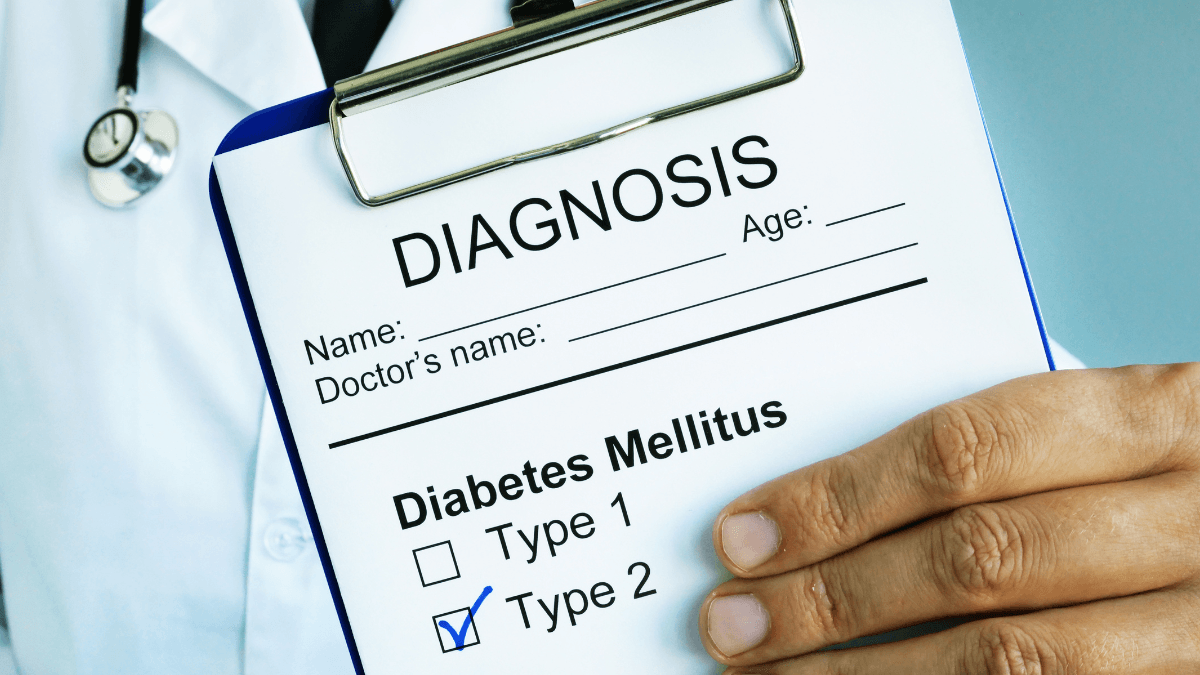
Type 1 vs type 2 diabetes mainly differs by what has gone wrong with insulin. In type 1, the body makes little or no insulin because the immune system attacks insulin-producing beta cells. In type 2, the body still makes insulin at first, but cells resist its signal and beta cells may weaken over time. Both can raise blood glucose and require ongoing care, but diagnosis, treatment, and safety priorities can differ.
Why this matters: guessing the type can delay the right treatment. A person with type 1 usually needs insulin promptly, while many people with type 2 start with lifestyle changes and non-insulin medicines. Because symptoms overlap, clinicians often use history, glucose testing, C-peptide, and diabetes autoantibodies to sort out unclear cases.
Key Takeaways
- Core cause differs: type 1 is usually autoimmune; type 2 usually involves insulin resistance.
- Symptoms overlap: thirst, frequent urination, fatigue, blurry vision, and weight changes can happen in both.
- Onset often differs: type 1 may develop quickly; type 2 often builds gradually.
- Testing matters: age, weight, and family history cannot confirm the type alone.
- Treatment differs: type 1 needs insulin; type 2 care may include lifestyle support, metformin, other medicines, and sometimes insulin.
Type 1 and Type 2 Diabetes at a Glance
The simplest way to compare type 1 vs type 2 diabetes is to focus on insulin production and insulin action. Insulin is the hormone that helps glucose move from the bloodstream into cells. When insulin is absent, too low, or not working well, blood glucose rises.
Type 1 diabetes is most often an autoimmune condition. The immune system mistakenly targets beta cells in the pancreas, which produce insulin. This can happen in children, teens, or adults. Some adults develop a slower autoimmune form, sometimes called latent autoimmune diabetes in adults, which can look like type 2 at first.
Type 2 diabetes is more common. It usually begins with insulin resistance, meaning muscle, liver, and fat cells do not respond to insulin as strongly. The pancreas may compensate by making more insulin for a while. Over time, beta cells can struggle to keep up, and glucose levels rise.
| Feature | Type 1 Diabetes | Type 2 Diabetes |
|---|---|---|
| Main process | Autoimmune beta-cell loss | Insulin resistance plus beta-cell stress |
| Typical onset | Often faster, over weeks to months | Often slower, over months to years |
| Age pattern | Any age, often younger | Any age, more common in adults |
| Insulin need | Usually needed from diagnosis | May be needed later or during illness |
| Ketosis risk | Higher risk, especially if insulin is lacking | Lower risk, but possible in some situations |
Quick tip: Do not use body size or age alone to decide the diabetes type.
Causes, Risk Factors, and Genetics
Type 1 vs type 2 diabetes causes differ, but both involve genes and environment. Neither type is simply a matter of willpower, and neither diagnosis means someone caused their condition.
What Usually Drives Type 1
Type 1 usually develops when the immune system attacks pancreatic beta cells. Genetics can raise risk, but many people with type 1 have no close family member with the condition. Researchers also study viral exposures and early-life factors, but there is often no single clear trigger for one person.
People are not usually “born with” type 1 diabetes in the practical sense. A person may be born with genetic susceptibility, but the autoimmune process and symptoms often appear later. This can be in childhood, adolescence, or adulthood.
What Usually Drives Type 2
What causes type 2 diabetes is usually a mix of insulin resistance, inherited risk, age, body-fat distribution, sleep, activity level, medications, and other health conditions. Polycystic ovary syndrome, history of gestational diabetes, fatty liver disease, and some long-term medicines can raise risk.
Family history is often stronger in type 2 than type 1, but genetics are not destiny. Nutrition patterns, movement, sleep quality, stress, access to care, and safe places to exercise all shape risk. A registered dietitian or clinician can help adapt prevention or treatment goals to culture, budget, work schedule, and other real-life constraints.
For a broader orientation to diabetes categories, the overview on Types of Diabetes can help place type 1 and type 2 beside other forms, such as gestational diabetes.
Symptoms and Warning Signs: Where They Overlap
Type 1 vs type 2 diabetes symptoms often look similar because both can cause high blood glucose. Common symptoms include frequent urination, increased thirst, fatigue, blurry vision, hunger, dry mouth, and unexpected weight change.
The pattern often gives clues. Type 1 symptoms may appear quickly and can include unintentional weight loss, nausea, vomiting, abdominal pain, fruity-smelling breath, deep breathing, or confusion. These can point to diabetic ketoacidosis, or DKA, a medical emergency caused by severe insulin deficiency.
Type 2 symptoms may develop slowly. Some people have few symptoms at first and learn their glucose is high through routine blood work. Others notice recurrent infections, slow-healing cuts, tingling feet, or vision changes. For deeper symptom-focused reading, see Type 1 Diabetes Symptoms and Type 2 Diabetes Symptoms.
Seek urgent medical care for vomiting, severe weakness, confusion, trouble breathing, chest pain, signs of dehydration, or very high glucose with ketones if you have been told to check ketones. These symptoms need prompt evaluation, not home troubleshooting.
How Clinicians Tell the Difference
Clinicians differentiate type 1 and type 2 diabetes by combining symptoms, timing, exam findings, glucose results, and targeted lab tests. A single online quiz cannot confirm the type.
Basic diagnostic tests show whether diabetes or prediabetes is present. These may include fasting plasma glucose, A1C, random plasma glucose with symptoms, or an oral glucose tolerance test. These tests diagnose abnormal glucose regulation, but they do not always identify the diabetes type by themselves.
When the type is uncertain, clinicians may order a C-peptide test. C-peptide is a marker of the body’s own insulin production. Low C-peptide can suggest reduced beta-cell function, especially when paired with high glucose. Autoantibody tests, such as GAD, IA-2, insulin autoantibodies, or ZnT8, can support autoimmune diabetes when positive.
Misclassification can happen. An adult with autoimmune diabetes may initially look like they have type 2. A child or teen can also develop type 2, especially when risk factors are present. For step-by-step testing context, How to Test for Diabetes explains common screening and diagnostic methods in plain language.
Why it matters: the correct diagnosis helps match treatment intensity to immediate safety needs.
Glucose Levels, Ranges, and Useful Conversions
Type 1 vs type 2 diabetes glucose levels can overlap. The glucose number alone does not reveal the type. Someone with either condition can have fasting highs, post-meal spikes, or an elevated A1C.
General adult reference ranges can help you understand lab reports, but personal targets vary. Pregnancy, kidney disease, heart disease, older age, hypoglycemia risk, and certain medicines can change the safest goal. Your clinician may use different targets based on your full situation.
| Measure | General Reference or Common Target |
|---|---|
| Fasting glucose without diabetes | 70–99 mg/dL, or 3.9–5.5 mmol/L |
| Prediabetes fasting range | 100–125 mg/dL, or 5.6–6.9 mmol/L |
| Diabetes fasting threshold | 126 mg/dL or higher, or 7.0 mmol/L or higher, confirmed when appropriate |
| Many adult pre-meal targets | Often 80–130 mg/dL, or 4.4–7.2 mmol/L |
| Many adult post-meal targets | Often below 180 mg/dL, or below 10.0 mmol/L, about 1–2 hours after eating |
| A1C without diabetes | Below 5.7% |
Many readers compare normal blood sugar levels for adults in mg/dL and mmol/L. A converter can make lab reports easier to discuss, especially if your meter and clinic use different units. It only converts units and does not interpret results or replace clinical guidance.
Blood Glucose Unit Converter
Convert glucose readings between mg/dL and mmol/L without changing the clinical value.
These calculations are for education only and do not replace clinical advice, diagnosis, or treatment. Always confirm medical decisions with a qualified healthcare professional.
Continuous glucose monitoring can add pattern information, such as overnight lows or post-meal rises. Fingerstick meters can still be useful for confirmation, symptoms, illness days, or when sensor readings do not match how you feel.
Treatment Pathways: What Changes in Daily Care
Type 1 vs type 2 diabetes treatment differs because the insulin problem differs. Type 1 care focuses on replacing insulin. Type 2 care often starts with improving insulin sensitivity and reducing glucose burden, then adds medicines based on risk and response.
Type 1 Treatment Basics
Type 1 diabetes requires insulin because the body cannot make enough for survival. Care may include long-acting basal insulin, rapid-acting mealtime insulin, carbohydrate counting, correction factors, glucose monitoring, and education on sick-day planning. Some people use insulin pumps or continuous glucose monitors.
Insulin plans should be individualized. Activity, meals, growth, hormones, illness, and stress can all affect needs. The deeper resource on Type 1 Diabetes Treatment covers practical care concepts without replacing clinician guidance.
Type 2 Treatment Basics
Type 2 treatment may include nutrition support, physical activity, sleep improvement, weight management when appropriate, and medicines. Metformin is often used early when suitable. Some people may use other classes, such as SGLT2 inhibitors or GLP-1 receptor agonists, especially when heart, kidney, or weight-related factors matter.
Insulin can also be part of type 2 care. It may be used temporarily during illness, surgery, pregnancy, or severe high glucose, or long term when beta-cell function declines. This is why the older phrase “insulin-dependent diabetes” can be confusing. Type 1 is insulin-dependent for survival, but some people with type 2 also rely on insulin to meet glucose goals.
When medication access is part of the care discussion, product pages such as Metformin, Humulin Insulin, and Jardiance can provide item-level context. BorderFreeHealth connects U.S. patients with licensed Canadian partner pharmacies, and prescription details are verified with the prescriber when required before dispensing by the pharmacy.
Can You Have Features of Both Types?
Yes, some people have overlapping features, although clinicians still try to identify the best diagnosis. A person with type 1 can also develop insulin resistance, especially with weight gain, inactivity, puberty, pregnancy, certain medicines, or other metabolic factors. A person with type 2 can later become insulin-deficient enough to need insulin.
Adults can also have autoimmune diabetes that progresses more slowly than classic childhood-onset type 1. This may be mistaken for type 2 at first. In these mixed situations, follow-up matters. Changing glucose patterns, unexpected weight loss, ketones, or poor response to typical therapy may prompt additional testing.
The question “can you have type 1 and type 2 diabetes” often reflects a real concern: your label may not fully describe your current physiology. It is reasonable to ask your clinician whether C-peptide or autoantibody testing would clarify your care plan, especially if your course does not fit expectations.
Which Type Is More Serious?
Neither type is automatically “worse.” Type 1 and type 2 can both be serious, and both can be managed well with the right support. Seriousness depends on glucose patterns, hypoglycemia risk, DKA risk, blood pressure, cholesterol, kidney health, smoking, access to care, and how long high glucose has been present.
Type 1 has a higher immediate risk of DKA when insulin is missed or cannot be absorbed. It also requires daily insulin decisions, which can add mental load. Type 2 is more common and may go undiagnosed for years, so some people already have nerve, eye, kidney, or heart risks when diagnosed.
Complication prevention looks similar in many ways. Regular A1C checks, blood pressure care, cholesterol review, kidney tests, eye exams, foot checks, vaccination discussions, and smoking cessation support can all matter. Treatment goals should balance long-term protection with safety, especially avoiding severe lows.
Practical Next Steps When the Type Is Unclear
If you are wondering whether you have type 1 or type 2 diabetes, start by gathering facts rather than guessing. Bring glucose logs, symptom timing, weight changes, family history, medication lists, and any ketone results to your appointment.
- Ask about diagnosis: which test confirmed diabetes?
- Ask about type: what points toward type 1 or type 2?
- Ask about labs: would C-peptide or autoantibodies help?
- Ask about safety: when should ketones be checked?
- Ask about targets: what glucose range fits your situation?
- Ask about lows: what symptoms require fast action?
- Ask about follow-up: when should the plan be reviewed?
For browsing condition-specific product collections, the Type 1 Diabetes Collection and Type 2 Diabetes Collection can help you see commonly related items. Use these pages as navigation aids, not as a substitute for diagnosis or treatment selection.
Authoritative Sources
The American Diabetes Association explains diabetes diagnosis, including A1C, fasting glucose, and oral glucose tolerance thresholds.
The NIDDK overview of diabetes types describes how insulin problems differ across major forms of diabetes.
The CDC diabetes basics resource summarizes common symptoms, risk factors, and prevention-oriented information.
Recap
Type 1 and type 2 diabetes share high blood glucose, but their biology differs. Type 1 usually reflects autoimmune insulin loss. Type 2 usually reflects insulin resistance with gradual beta-cell strain. Because symptoms and glucose levels can overlap, the most useful next step is a careful clinical assessment supported by the right tests.
Good care is not only about the label. It is about safe glucose targets, realistic routines, access to monitoring, medication fit, and support that respects daily life. If your diagnosis or treatment plan does not make sense to you, asking for clarification is part of good self-advocacy.
This content is for informational purposes only and is not a substitute for professional medical advice.


