
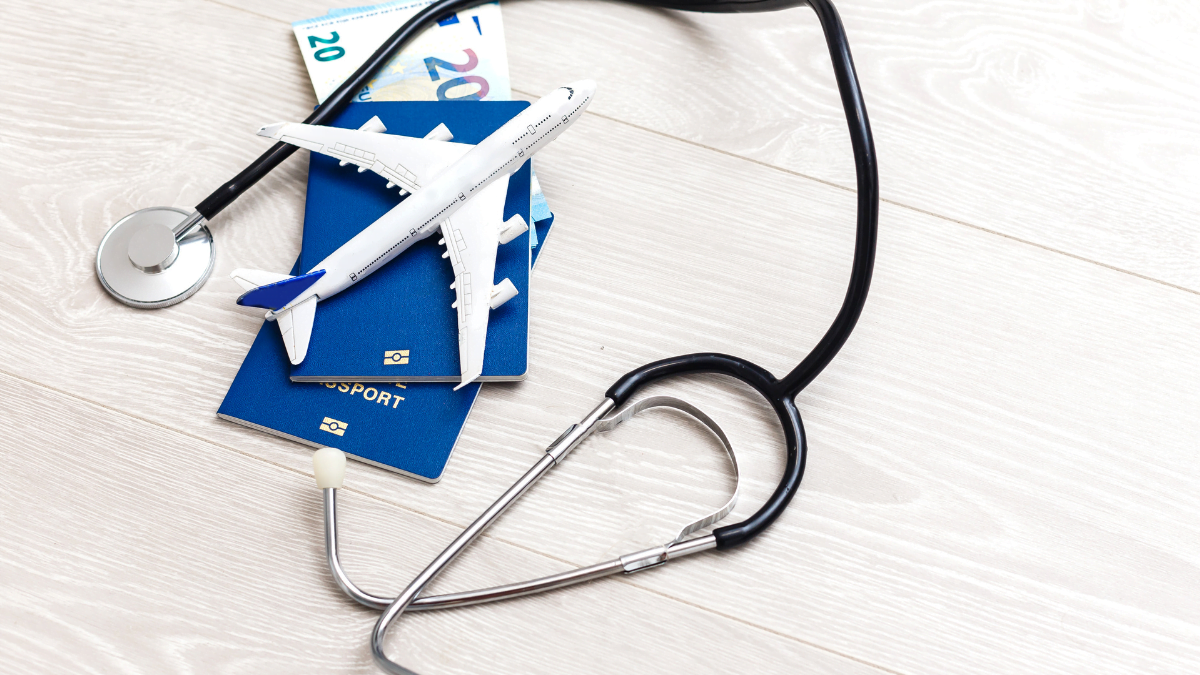
Traveling with Ozempic is usually manageable when you keep the pen in your carry-on, protect it from heat and freezing, and bring clear medication documentation. The main goal is simple: keep the medication within label storage guidance and avoid situations that make stability uncertain. This matters because temperature excursions, lost bags, and rushed airport screening can create preventable stress during a trip.
Before you leave, check whether your pen is unopened or already in use. That difference affects how you plan refrigeration, timing, and disposal. If a pen gets too warm, freezes, is left out longer than expected, or passes its discard date, do not guess. Use the product label and ask a pharmacist or prescriber for guidance.
Key Takeaways
- Use carry-on storage: Keep pens with you, not in checked luggage.
- Prevent temperature extremes: Cool the pen without freezing it.
- Track the 56-day window: Mark the date you first use each pen.
- Prepare for screening: Bring the prescription label, needles, and a sharps plan.
- Ask when unsure: A pharmacist can help assess heat, freezing, or time out.
Ozempic Storage Basics Before You Travel
Ozempic pens need different handling before and after first use. Unused pens are stored in the refrigerator according to the product label. Once a pen is in use, the label allows storage in the refrigerator or at controlled room temperature for a limited period. Keep the pen away from direct sunlight, car interiors, and freezing surfaces.
This distinction answers a common travel worry: what happens if Ozempic is not refrigerated before first use. If an unused pen warmed outside recommended conditions, its stability may be uncertain. A short, controlled trip from home to the airport is different from a pen sitting in a hot car or checked bag. Write down the estimated time, temperature conditions, and where the pen was stored, then ask a pharmacist before using it if you are unsure.
People also ask, how long can Ozempic be left unrefrigerated. The safest answer depends on whether the pen is unopened or in use, and whether it stayed within the temperature range listed in the label. Do not rely on a general internet estimate for a pen exposed to heat, freezing, or unknown conditions. The details matter.
Why it matters: A pen can look normal even when storage conditions were not ideal.
If you use weekly injections as part of a busy routine, it may help to plan around meals, reminders, and travel days before departure. The practical tips in Ozempic Into Your Busy Lifestyle can support a more consistent routine while away from home.
Flying With Ozempic: Carry-On, TSA, and Documentation
You can take Ozempic on a plane, and carry-on storage is usually the safest choice. Checked luggage can be delayed, lost, overheated, or exposed to very cold conditions. Keep the pen, unused needles, alcohol swabs, and any cooling supplies in your personal item so you can access them during delays.
For airport screening, pack the pen with its prescription label when possible. A short prescriber letter can also help, especially for international travel or complex itineraries. Tell the officer you are carrying injectable medication and cooling supplies before screening starts. Medically necessary liquids and cooling packs may receive additional inspection.
For current U.S. screening rules, review the TSA guidance on medications. It explains how medications, associated supplies, and medically necessary liquids are handled at checkpoints. If you are leaving the United States, also check the rules for your destination and any connecting countries.
A small travel kit can reduce delays and confusion:
- Prescription label: Keep it visible or photographed.
- Original packaging: Use it when space allows.
- Needle supplies: Pack sealed pen needles separately.
- Sharps container: Use a travel-size puncture-resistant option.
- Cooling method: Add a gel pack or medical cooling pouch.
- Backup notes: List your medication, dose schedule, and prescriber contact.
Needle planning matters, too. If you need a technique refresher before a trip, Injection Sites for Ozempic reviews rotation and common injection locations in plain language.
Choosing an Insulated Travel Case Without Overcooling
An insulated travel case for Ozempic should protect the pen from heat without placing it directly against ice. Many people focus only on keeping medication cold, but freezing is also a concern. Use a barrier, such as a cloth sleeve or case divider, so the pen does not touch a frozen gel pack.
Look for a case that fits the pen securely, leaves room for needles, and can be opened easily during security screening. A bulky cooler may work for a long road trip, but a slim medical pouch may be easier in airports. If you are comparing cases marketed for GLP-1 pens or insulin pens, focus on function rather than labels like “best” or “TSA approved.” TSA does not pre-approve every consumer case, but medication cooling supplies can be screened when declared.
Quick tip: Test your case at home before relying on it during travel.
During long travel days, avoid these common storage mistakes:
- Direct ice contact: It may create freezing spots.
- Parked cars: Heat builds quickly, even in shade.
- Window ledges: Sunlight can raise case temperature.
- Checked bags: You lose temperature and access control.
- Tight foam cases: Some trap heat after cooling fades.
If your trip includes other GLP-1 medicines in the household, remember that storage rules can differ by product. Compare labels rather than assuming one pen’s instructions apply to another.
What to Do After Heat, Overnight Storage, or a Missed Fridge
If you left your pen out overnight, first identify whether it was unopened or already in use. Then estimate the room temperature and total time out. A pen left on a cool indoor counter may raise different concerns than one left in a warm car, direct sunlight, or a suitcase near a heat source.
Move the pen to a safe temperature environment, but do not try to “fix” heat exposure by freezing it or placing it directly on ice. Inspect the medication through the pen window if the label instructs you to do so. Do not use a pen if the liquid appears cloudy, discolored, or contains particles, unless your pharmacist confirms otherwise based on the specific product instructions.
Travelers often ask what happens if Ozempic gets warm. Warmth can raise concern because semaglutide, the active ingredient, is a temperature-sensitive medicine. The degree of concern depends on how warm, how long, and whether the pen was protected. If the exposure was significant or unclear, set the pen aside and contact a pharmacist or prescriber before your next dose.
The same caution applies after freezing. If a pen froze, do not use it unless a qualified professional confirms it is acceptable under the product instructions. Freezing can affect injectable medicines in ways that are not always visible.
The 56-Day Use Window and Trip Timing
After first use, Ozempic pens have a discard timeline listed in the product labeling. Many patients ask what happens if you use Ozempic after 56 days. The label instructs users to discard the pen after the stated period, even if medication remains. This helps reduce the chance of using a pen when stability or sterility expectations no longer apply.
Mark the first-use date on the box, a phone calendar, or a small medication card. Add a reminder a few days before the discard date if you will be away. This gives you time to confirm your plan instead of discovering the issue at a hotel or airport.
Do not change, skip, or double a dose just to fit vacation plans without medical guidance. If your dosing day falls during travel, ask your prescriber or pharmacist ahead of time how to handle timing, time zones, and unexpected delays. This is especially important if you also use medicines that can lower blood glucose.
If nausea, reflux, or appetite changes tend to affect your travel days, prepare gentle food options and hydration. For more support, Managing Side Effects of Ozempic covers practical symptom discussions to raise with your care team. For meal planning during flights or road trips, Ozempic Diet offers simple food-choice ideas that may be easier to pack.
Road Trips, Hotels, Cruises, and International Travel
Non-air travel can create the same storage problems as flying. Car trunks, glove compartments, beach bags, and hotel windowsills can become too hot. Keep the pen with you in the passenger area, away from direct sun. If you stop for a meal, take the medication bag inside rather than leaving it in the vehicle.
At hotels, use the room refrigerator only if it seems stable and clean. Avoid placing the pen near a freezer plate or at the back of a mini-fridge, where cold spots can form. If the refrigerator freezes food or drinks, do not store the pen there. A front shelf or insulated pouch inside the fridge may reduce direct cold exposure, but check conditions when possible.
For international trips, carry more documentation than you expect to need. Keep medication in labeled packaging, bring a copy of the prescription, and check customs rules for your destination. Some countries have specific requirements for injectable medicines, needles, or quantities carried for personal use.
If you need refill planning before travel, speak with your prescriber or pharmacist early. BorderFreeHealth connects U.S. patients with licensed Canadian partner pharmacies, and prescription details are verified with the prescriber when required before dispensing. Access options can depend on eligibility and jurisdiction, so avoid leaving medication questions until the last day before departure.
Food, Hydration, and Comfort While Away
Travel can disrupt your usual eating pattern. Long waits, unfamiliar foods, alcohol, and low fluid intake may worsen stomach discomfort for some people using GLP-1 therapy. Pack simple snacks that you already tolerate, and avoid testing rich or greasy meals right before a travel dose.
People with diabetes should also consider glucose monitoring plans, especially if meal timing changes. If you have repeated high or low readings, kidney disease, pregnancy, gastroparesis, an eating disorder history, or use medicines that can cause hypoglycemia, ask your clinician for individualized travel advice before leaving.
For food choices that may be harder to tolerate, Ozempic Foods to Avoid discusses common triggers in a practical way. If you want broader diabetes-related reading, the Type 2 Diabetes collection can help you browse related topics.
When to Ask for Help During a Trip
Ask a pharmacist, prescriber, or urgent care clinician for help when storage conditions are unclear or symptoms feel concerning. Do not inject medication from a damaged pen, a pen with abnormal-looking liquid, or a pen that may have frozen unless a qualified professional confirms what to do.
Seek urgent medical help for severe allergic symptoms, such as trouble breathing, swelling of the face or throat, or widespread hives. Also seek prompt care for severe or persistent abdominal pain, repeated vomiting, signs of dehydration, confusion, or symptoms of very low blood glucose if you are at risk. These situations need medical assessment, not travel troubleshooting.
If your pen is lost, damaged, or delayed in luggage, contact a pharmacist or prescriber for next steps. Avoid borrowing another person’s medication or changing your schedule based on guesswork. If you are comparing injectable options with different devices, product pages such as Ozempic and Mounjaro KwikPen can provide neutral product context, but your own care team should guide medication decisions.
Authoritative Sources
For official airport screening information, use the TSA medication screening guidance before flying with injectable medicines and cooling supplies.
For label-based storage, handling, and discard instructions, review the manufacturer’s Ozempic pen instructions and confirm any uncertainty with a pharmacist.
For broader travel preparation with medicines, the CDC Pack Smart travel guidance outlines documentation and packing precautions for travelers.
Recap
Safe travel with a GLP-1 pen comes down to access, temperature control, and documentation. Keep the pen in your carry-on, use a cooling method that does not freeze it, and track the first-use date. If heat, freezing, overnight storage, or the 56-day window creates doubt, pause and ask a pharmacist or prescriber before using the pen.
Traveling with Ozempic does not have to take over your trip. A clear packing routine, a small medication kit, and a plan for delays can help you stay organized while protecting your treatment plan.
This content is for informational purposes only and is not a substitute for professional medical advice.


