
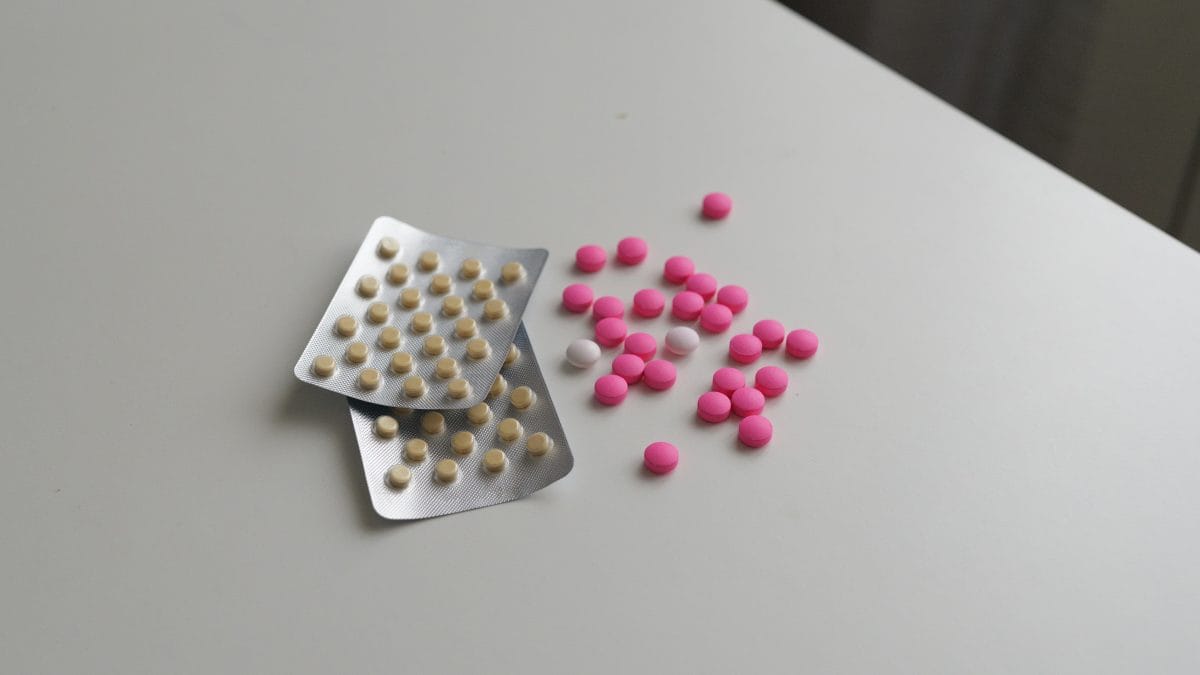
There is no established cagrilintide dosage with tirzepatide that can be safely copied from an online chart. Cagrilintide is best understood as an investigational amylin analog, while tirzepatide has approved product labels for specific uses. Combining them outside a supervised research or clinician-directed setting lacks a standard, label-backed dosing schedule. This matters because both can affect appetite, fullness, digestion, and medication tolerability.
Key Takeaways
- No standard combination dose is established for routine patient use.
- Cagrilintide and tirzepatide act on different hormone pathways.
- Trial protocols are not personal dosing instructions.
- Side effects can overlap, especially digestive symptoms and low intake.
- A licensed clinician should review product source, medical history, and monitoring needs.
Cagrilintide Dosage With Tirzepatide: The Short Answer
A request for cagrilintide dosage with tirzepatide is usually a request for a practical protocol. The safer answer is a boundary: no independent online source can give a reliable personal schedule. In clinical research, dose escalation and monitoring rules are set by a study protocol. In routine care, approved medicines should follow the product label and a clinician’s assessment.
Cagrilintide is an amylin analog, meaning it is designed to act like amylin, a hormone involved in fullness and meal-related signals. Tirzepatide is a GIP and GLP-1 receptor agonist, meaning it activates two gut-hormone receptor pathways involved in glucose regulation and appetite. They are not interchangeable, even if both are discussed in weight management spaces.
The absence of a standard regimen does not mean the decision is flexible or casual. It means the missing pieces matter. Those pieces include the product’s legal status, concentration, source, formulation, medical indication, side-effect history, and whether the combination is being studied or prescribed under a recognized framework.
Why it matters: A dosing chart cannot screen for pancreatitis risk, dehydration, pregnancy, medication interactions, or unsafe sourcing.
How the Two Medicines Differ
Cagrilintide and tirzepatide target different biological signals, so their risks cannot be assessed by looking at one drug alone. Cagrilintide is usually discussed as a long-acting amylin-based treatment under study. Tirzepatide is an approved prescription medicine in some settings, with uses and warnings that depend on the country and product label.
The distinction is important because dosing information comes from different places. For tirzepatide, clinicians use the official prescribing information for the specific product and indication. For cagrilintide, readers may see trial references, research-peptide marketing, or forum posts. Those are not the same as an approved patient label.
| Topic | Cagrilintide | Tirzepatide |
|---|---|---|
| Drug type | Amylin analog under study for metabolic uses. | GIP and GLP-1 receptor agonist. |
| Dosing source | Clinical trial protocol, or an approved label if one applies in the future. | Official prescribing information and prescriber assessment. |
| Key safety themes | Trial-specific monitoring, appetite, nutrition, and gastrointestinal tolerability. | Digestive effects, glucose changes, gallbladder or pancreas warnings, and label-listed precautions. |
| Combination question | Not a self-directed add-on based on online peptide schedules. | Should not be adjusted to match another investigational agent. |
This table is not a dosing chart. It shows why the combination question needs medical context. Two medicines that influence appetite can create layered effects, even when each one seems understandable on its own.
Why Online Combination Charts Can Mislead
Online cagrilintide dosage with tirzepatide charts often skip the most important issue: the regimen may not be approved, properly sourced, or appropriate for the person reading it. A schedule copied from a forum may not match the actual vial concentration, formulation, or medical situation.
Several problems make these charts risky as decision tools:
- Approval status: an investigational drug may not have a patient-ready label.
- Product identity: non-pharmacy products may have uncertain concentration or sterility.
- Titration context: study schedules include eligibility rules and monitoring plans.
- Side-effect burden: overlapping nausea or low intake can become hard to interpret.
- Medical history: gallbladder disease, pancreatitis, kidney issues, or eating disorders change the risk discussion.
Published trial abstracts can also be misunderstood. A dose used in a study is not automatically a dose for routine care. Trials may exclude people with certain risks, require lab monitoring, and define stopping rules. They also use a specific product under controlled conditions.
A dosage calculator has the same limitation. It can only convert known inputs, such as a prescribed amount and a known concentration. It cannot decide whether the combination is appropriate, whether the product is legitimate, or how symptoms should be managed.
Safety Signals to Discuss Before Any Combination
Combining medicines that reduce appetite can raise concerns about tolerability, hydration, and adequate nutrition. It can also make it harder to know which medicine is causing a new symptom. That uncertainty matters when a symptom could be mild, progressive, or serious.
Digestive and hydration concerns
Nausea, vomiting, constipation, diarrhea, reflux, and reduced appetite are common themes with many incretin-based and appetite-modifying medicines. Severe or persistent symptoms can lead to dehydration, low food intake, weakness, or worsening kidney function in vulnerable people. A clinician may want to know how often symptoms happen, whether fluids stay down, and whether weight change is rapid or accompanied by dizziness.
People with gastroparesis, which means slow stomach emptying, need careful review before using medicines that can further affect digestion. The same applies when someone already struggles to meet nutrition needs. The goal is not just weight change. It is safe, sustainable care.
Glucose, gallbladder, and pancreas considerations
Tirzepatide can lower blood glucose, especially when used with insulin or insulin-releasing medicines such as sulfonylureas. Hypoglycemia, or low blood sugar, can cause shakiness, sweating, confusion, weakness, or fainting. Anyone using diabetes medicines should avoid changing treatment without professional guidance.
Prescribing labels for tirzepatide also discuss warnings related to pancreatitis, which is inflammation of the pancreas, and gallbladder problems. Severe abdominal pain, persistent vomiting, yellowing skin, fainting, or signs of an allergic reaction deserve urgent medical attention. These symptoms should not be managed by lowering, skipping, or adding doses based on online advice.
Pregnancy, procedures, and other medicines
Weight management medicines are not handled the same way during pregnancy, pregnancy planning, or breastfeeding. People who could become pregnant should ask about product-specific label guidance and contraception considerations. Tirzepatide labels also discuss delayed stomach emptying, which may affect how some oral medicines are absorbed.
Procedures and anesthesia can add another layer. If you are preparing for surgery or a sedated procedure, your care team needs to know about all appetite, diabetes, and weight management medicines. That includes investigational products, compounded products, and anything obtained outside standard pharmacy channels.
What a Clinician May Need to Know
If this question came from a forum, peptide seller, or social media thread, pause before treating it as medical guidance. Bring specific facts to a licensed clinician instead of asking for a number alone. The safer conversation is about eligibility, monitoring, and whether the proposed combination has a legitimate clinical basis.
- Current medicines: include diabetes, blood pressure, psychiatric, and digestive medications.
- Health history: mention pancreatitis, gallbladder disease, kidney problems, pregnancy, or eating disorders.
- Baseline symptoms: note nausea, constipation, reflux, appetite, hydration, and glucose patterns.
- Medication source: identify whether a product came from a licensed pharmacy or another channel.
- Care goals: clarify glucose, weight, tolerability, nutrition, and quality-of-life priorities.
Medication-related weight change can also have more than one cause. If mental health medicines are part of your history, our resource on Wellbutrin Weight Loss explains one medication-related example, while Antidepressants That Cause Weight Loss covers a broader comparison.
For eligible approved prescriptions, BorderFreeHealth works with licensed Canadian partner pharmacies. The service can support cash-pay cross-border prescription options for patients without insurance when eligibility and jurisdiction allow. When required, prescription details are verified with the prescriber before pharmacy dispensing. This does not make investigational cagrilintide an approved treatment or imply availability.
How It Compares With Research or Forum Protocols
Research protocols and forum protocols serve very different purposes. Research protocols protect participants and generate structured data. Forum posts share personal experiences, often without medical records, product verification, lab results, or follow-up details.
An approved label is also different from a research protocol. A label reflects regulator-reviewed information for a specific medicine, use, population, and formulation. A trial protocol may study a different population, dose range, or endpoint. Neither should be simplified into a universal chart.
The safest interpretation of cagrilintide dosage with tirzepatide is not a hidden protocol. It is a prompt to confirm whether the combination is part of supervised research, an approved product label, or an unsupported experiment. That distinction affects consent, safety monitoring, and accountability.
Quick tip: Save screenshots of any dosing advice you found and show them to a clinician for context, not approval.
Putting the Question in Context
The safest way to handle cagrilintide dosage with tirzepatide is to treat the phrase as a safety question, not a dosing request. Before any medication change, confirm the product status, the source, the clinical reason for combining therapies, and the plan for monitoring side effects.
If a clinician is considering dual-hormone therapy, ask what evidence applies to your situation. Also ask what symptoms should be reported, how nutrition and hydration will be protected, and how other medicines will be reviewed. Those answers matter more than a chart copied from the internet.
Authoritative Sources
Use regulator-backed and registry sources for dosing and safety, not unofficial charts.
- Review the FDA tirzepatide prescribing information for weight management.
- Search registered cagrilintide and tirzepatide studies at ClinicalTrials.gov.
- Read NIDDK guidance on prescription weight management medicines.
This content is for informational purposes only and is not a substitute for professional medical advice.


