
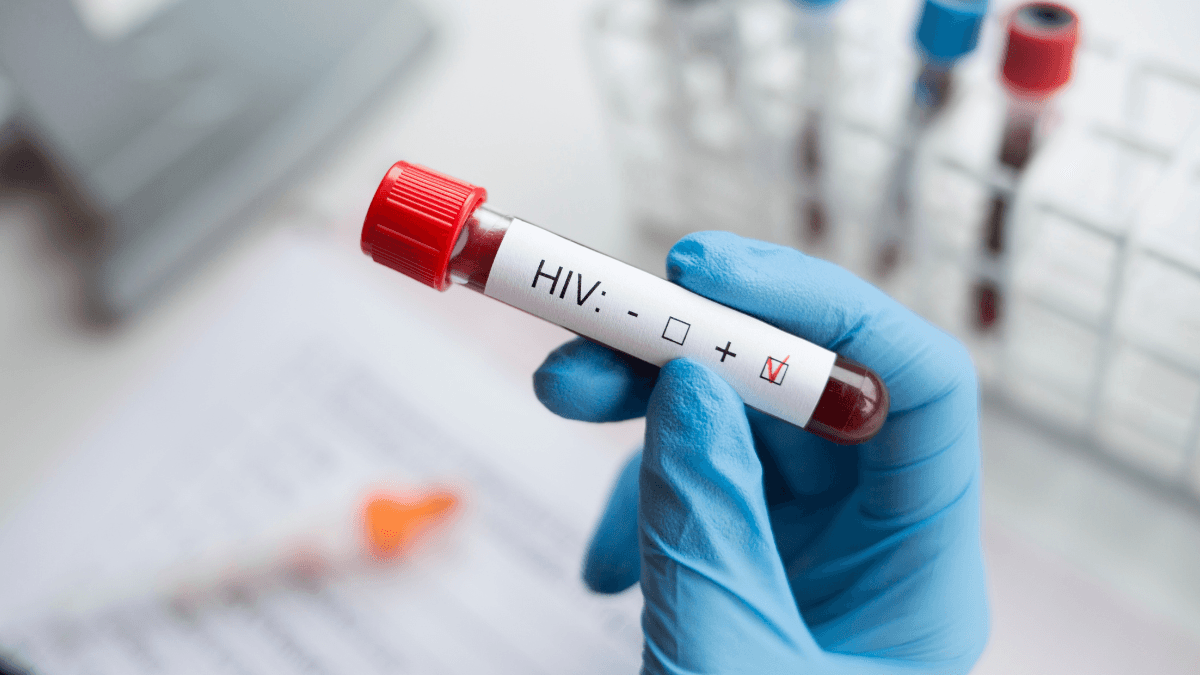
HIV/AIDS symptoms can include fever, swollen lymph nodes, sore throat, rash, fatigue, night sweats, weight loss, mouth changes, and recurrent infections. These signs do not confirm HIV, and many people have no clear symptoms for years. Testing is the only reliable way to know your status, especially after a possible exposure.
Why this matters: early testing can connect you with treatment or prevention support sooner. It can also reduce fear, because symptoms alone are often misleading. This article explains how HIV can feel at different stages, what rashes may look like, how symptoms can differ in women and men, and what to do next.
Key Takeaways
- Early illness: flu-like symptoms may appear within weeks.
- Rash clues: pattern and timing matter, but testing confirms.
- Sex-specific signs: vaginal, oral, skin, and infection patterns vary.
- Silent infection: some people feel well for many years.
- Next step: choose testing over symptom guessing.
What HIV Does in the Body
HIV is a virus that attacks CD4 cells, a type of white blood cell that helps coordinate immune defense. When HIV is not treated, the virus can gradually weaken the immune system. AIDS is not the same thing as HIV. AIDS is the most advanced stage of HIV infection, diagnosed when immune damage is severe or when certain opportunistic infections occur.
The difference between HIV and AIDS matters because it changes the conversation. A person can have HIV without having AIDS. With effective antiretroviral therapy, often called ART, many people with HIV can keep the virus suppressed and avoid progression to AIDS. For a deeper plain-language comparison, see HIV vs AIDS.
Clinicians often describe HIV in three broad stages: acute infection, chronic infection, and AIDS. Acute infection happens soon after the virus enters the body. Chronic infection can last for years, sometimes with few symptoms. AIDS is the late stage, when the immune system is severely compromised.
Quick tip: Write down the date of a possible exposure before a testing visit, because timing affects which test may be most useful.
Early HIV/AIDS Symptoms and First Warning Signs
The first sign of HIV is usually a flu-like illness, but not everyone gets it. When symptoms occur, they often include fever, sore throat, swollen glands, headache, fatigue, muscle aches, diarrhea, or a rash. This early illness is sometimes called acute retroviral syndrome or seroconversion illness, meaning the immune system is reacting to a new infection.
People often ask about the “7 warning signs” of HIV. A practical list includes fever, swollen lymph nodes, sore throat, rash, night sweats, fatigue, and unexplained weight loss. These signs can happen with many infections, including influenza, mononucleosis, COVID-19, and other sexually transmitted infections. That overlap is why symptom lists are helpful for awareness, not diagnosis.
Timing can also confuse people. Some people notice symptoms within a few weeks of exposure, while others do not notice anything. Symptoms after one week may be unrelated, because many conditions can cause early fever or fatigue. Symptoms after one month may fit acute HIV, but they still need testing for clarity. Symptoms after six months or one year can reflect chronic HIV, another condition, or no infection at all.
What happens in the body is more important than the symptom count. During early infection, the virus multiplies rapidly, and the immune system responds. Later, the virus may continue to affect CD4 cells even when a person feels well. Over time, untreated HIV can make common infections more frequent, longer lasting, or more severe.
How to Read Rash and Skin Clues Without Self-Diagnosing
An HIV rash in early stage infection may appear as flat or slightly raised red, pink, brown, or purplish spots, depending on skin tone. It often appears on the trunk, face, arms, or legs. It may occur with fever, sore throat, swollen lymph nodes, or mouth sores. Some rashes itch, while others do not.
Searches for rash pictures can be frustrating because HIV-related skin changes are not unique. A medication reaction, eczema, heat rash, viral infection, syphilis, allergic reaction, or fungal infection can look similar. Photos also change with lighting and skin tone. A picture can help you describe what you see, but it cannot confirm the cause.
Healthcare professionals look at several details together. They ask when the rash started, whether fever was present, whether there were mouth or genital sores, whether new medicines were used, and whether there was a recent exposure. They may also check the palms, soles, mouth, and lymph nodes, because those areas can point toward specific infections.
Where HIV-Related Rashes May Appear
Rashes linked with acute HIV commonly involve the chest, back, face, and limbs. In later immune suppression, skin problems may include shingles, fungal infections, persistent ulcers, or unusual lesions. These later findings are not limited to HIV, but they can prompt a broader immune evaluation.
For a more focused discussion of skin patterns and symptom differences by HIV type, see Skin HIV-1 and HIV-2 Symptoms. If a rash is painful, blistering, spreading quickly, involves the eyes, or comes with trouble breathing, seek urgent medical care.
Symptoms in Women and Men
HIV symptoms in women and men overlap more than they differ. Fever, fatigue, swollen glands, rash, night sweats, mouth sores, diarrhea, and weight loss can affect anyone. The main differences often appear in reproductive, urinary, or sexual health patterns.
In women, possible clues include recurrent vaginal yeast infections, bacterial vaginosis, pelvic pain, menstrual changes, or cervical cell changes. These symptoms can also have many non-HIV causes. Still, frequent or hard-to-treat infections deserve a clinical review, especially after a possible exposure. For a more detailed discussion, see HIV Symptoms in Women.
In men, possible clues include oral thrush, recurrent skin infections, prolonged fever, night sweats, swollen lymph nodes, or unexplained weight loss. Men may also seek information about symptoms after one week, one month, or one year. The same principle applies: timing can guide testing, but symptoms cannot confirm status. For a focused review, see HIV Symptoms in Men.
Coinfections can make the picture harder to read. Other sexually transmitted infections can cause sores, discharge, pelvic pain, testicular pain, rectal symptoms, or urinary burning. They can also occur at the same time as HIV. If exposure is possible, ask about a full sexual health screening rather than a single test.
Mouth, Urine, and Later-Stage Clues
Mouth and throat changes can be important, especially when they keep returning. Oral thrush, a Candida yeast infection, can cause creamy white patches on the tongue, inner cheeks, or throat. It may come with soreness, taste changes, or a cottony feeling. Mouth ulcers, gum disease, and persistent sore throat can also occur, but they are not specific to HIV.
Urine changes alone rarely point to HIV. Dark urine, strong odor, cloudy urine, or frequent urination usually relates to hydration, diet, vitamins, urinary tract infections, kidney issues, or other common causes. HIV urine symptoms are not a reliable way to judge infection. If urinary symptoms come with fever, back pain, blood in the urine, pregnancy, or severe discomfort, medical evaluation is important.
Later-stage HIV can cause broader symptoms because the immune system is under strain. These may include rapid or unexplained weight loss, prolonged diarrhea, recurrent fever, drenching night sweats, chronic fatigue, pneumonia, shingles, or certain fungal infections. Neurologic symptoms may also occur, such as memory trouble, confusion, or difficulty concentrating.
AIDS symptoms in men and women can look similar because they often reflect opportunistic infections. These are infections that take advantage of weakened immunity. The exact symptoms depend on which infection or condition is present. That is why clinicians use lab tests, CD4 counts, viral load testing, and exam findings together.
Can You Have HIV for Years and Not Know?
Yes, you can have HIV for 20 years and not know, although the risk of health problems rises when HIV remains untreated. Some people feel well for a long time during chronic infection. Others have mild symptoms that come and go. This silent period is one reason routine testing matters for anyone with possible exposure.
Testing is also important because early treatment can change the course of infection. ART helps suppress viral replication and protect immune function. People who start care can also discuss prevention for partners, screening for other infections, vaccines, and long-term monitoring.
Prevention options may be relevant if your test is negative but future exposure is possible. Pre-exposure prophylaxis, or PrEP, can lower the chance of acquiring HIV when used as directed by a healthcare professional. For educational product context, you can review Descovy and Apretude as examples of PrEP-related pages. These pages should not replace a clinician’s assessment of eligibility, risks, or monitoring needs.
If you are trying to understand exposure risk itself, our overview of How Can You Get HIV explains common transmission routes and practical prevention concepts. For broader education, the Sexual Health collection includes related screening and prevention topics.
Testing Timelines and Practical Next Steps
Testing is the clearest next step after possible exposure or unexplained symptoms. Different tests detect infection at different points. Antigen/antibody tests can detect HIV earlier than antibody-only tests. Nucleic acid tests, also called NATs, look for viral genetic material and may be used when very recent exposure or acute symptoms raise concern.
A negative test can be reassuring, but timing matters. If testing happens too soon, a repeat test may be needed after the window period. The window period is the time between exposure and when a test can reliably detect infection. A healthcare professional or testing clinic can help choose the right test and follow-up timing.
Before a visit, prepare a few details. Note the date of possible exposure, the type of exposure, symptoms and when they started, any medicines or supplements started recently, and any other infection testing already done. This information helps the clinician interpret results without judgment.
Seek urgent care if symptoms are severe, such as trouble breathing, confusion, chest pain, severe dehydration, high fever that does not improve, a rapidly spreading rash, eye involvement, or signs of serious allergic reaction. For non-urgent concerns, testing through a clinic, public health site, or healthcare professional is still the best path.
Readers comparing condition education with treatment categories can browse the Infectious Disease collection. If medication access becomes part of a care discussion, BorderFreeHealth connects U.S. patients with licensed Canadian partner pharmacies, and prescription details are verified with the prescriber when required before dispensing by the pharmacy.
Authoritative Sources
For current federal information on HIV basics, symptoms, testing, and prevention, see the CDC overview of HIV.
For stage-based information on acute, chronic, and advanced infection, review the NIH HIV infection stages fact sheet.
For practical information about acute and chronic infection, HIV.gov provides a clear acute and chronic HIV resource.
Recap
HIV/AIDS symptoms can offer clues, but they cannot confirm infection. Early symptoms often look like flu or mono. Rash patterns can raise suspicion, especially with fever and swollen lymph nodes, but many conditions look similar. Women and men share many symptoms, though reproductive and sexual health clues may differ.
The most useful action is testing at the right time. If HIV is diagnosed, treatment can help protect immune health. If HIV is not diagnosed, prevention planning and routine screening can still support your health. Respectful care matters at every step.
This content is for informational purposes only and is not a substitute for professional medical advice.


