
HIV symptoms in women can include fever, fatigue, sore throat, swollen lymph nodes, rash, mouth sores, night sweats, or no symptoms at all. The first signs often look like flu or another common infection, so symptoms alone cannot confirm or rule out HIV. Testing is the only reliable way to know your status, and early testing supports earlier care and prevention choices.
Women deserve accurate, stigma-free information about HIV. This page explains what to notice, why rashes and genital symptoms can be confusing, and what to do next if exposure is possible. It also separates common myths from useful warning signs.
Key Takeaways
- Early signs vary: Flu-like symptoms, rash, mouth sores, or none.
- Rash clues help: Timing and pattern matter more than photos.
- Genital symptoms overlap: Yeast, BV, and STIs can look similar.
- Urine color is not diagnostic: Burning or urgency may suggest another infection.
- Testing is essential: Do not wait for a complete symptom list.
What Early HIV Symptoms in Women Can Look Like
Early HIV symptoms in women often appear as a flu-like illness within the first several weeks after exposure. Clinicians call this acute HIV infection or acute retroviral syndrome. Common symptoms may include fever, chills, sore throat, muscle aches, headache, swollen glands, and a widespread rash.
Some women also notice mouth ulcers, night sweats, diarrhea, or deep fatigue that feels stronger than usual. Others feel completely well. That range is one reason HIV can be missed early, especially when symptoms fade on their own.
If you are wondering what is usually the first sign of HIV, fever and swollen lymph nodes are common early clues. Fatigue, sore throat, and rash may follow or appear at the same time. No single symptom proves infection, though. A recent exposure plus new flu-like symptoms should prompt testing and a discussion with a clinician.
Why it matters: Feeling better after a short illness does not rule out HIV.
How HIV affects the body early
After HIV enters the body, it begins affecting immune cells that help fight infection. During the early phase, the immune system reacts strongly. That immune response can cause fever, body aches, swollen lymph nodes, and skin changes.
After this early period, symptoms may become mild or disappear. This is sometimes called clinical latency. The virus can still be active, and a person can still transmit HIV, even when they feel healthy. For a broader symptom timeline, see our overview of HIV AIDS Symptoms.
Rash, Skin, and Mouth Changes: What Clues Matter
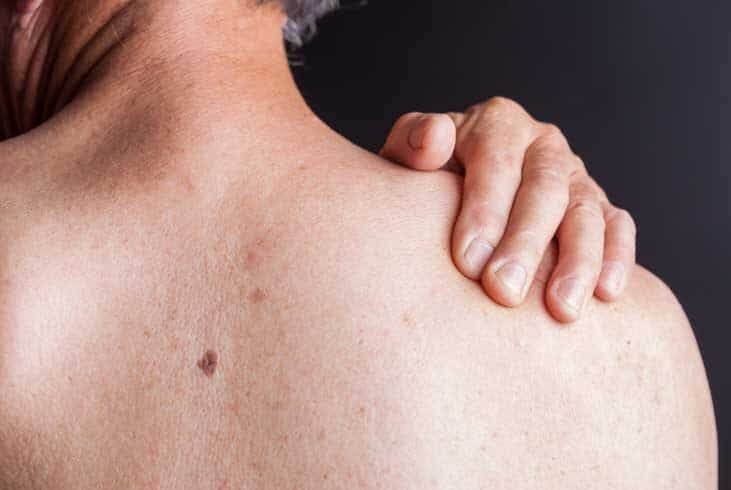
An HIV rash in early stage infection may appear as flat or slightly raised pink, red, brown, or purplish spots, depending on skin tone. It often affects the chest, back, face, arms, or upper body. It may happen around the same time as fever, sore throat, and swollen glands.
People often search for HIV symptoms in women photos, but pictures can mislead. Many viral illnesses, medication reactions, allergic rashes, heat rash, eczema, and fungal infections can look similar. Lighting, skin tone, camera quality, and rash stage also change how a rash appears.
Instead of relying on images, consider the pattern and context. A widespread rash that appears after a possible exposure and comes with fever or mouth sores deserves medical attention and testing. A localized rash under the breasts, in skin folds, or in the groin may point toward yeast, irritation, or another skin condition.
When does an HIV rash start and how long does it last?
An acute HIV rash can start within weeks of exposure, often during the same period as flu-like symptoms. It may last several days to about two weeks, then fade without specific rash treatment. Later rashes can occur for many reasons, including other infections or medication reactions.
Mouth symptoms can add context. Painful mouth ulcers may occur during early infection. White patches that wipe off or leave soreness may suggest oral thrush, a yeast overgrowth that can happen when immunity is weakened. Any persistent mouth sore, spreading rash, or rash with fever should be evaluated.
For a deeper look at skin patterns and immune-related skin changes, read Skin HIV-1 and HIV-2 Symptoms.
Genital and Urinary Symptoms: What HIV Does and Does Not Cause
HIV itself does not usually change urine color. Dark urine, cloudy urine, blood in urine, or strong-smelling urine can have many causes, including dehydration, urinary tract infection, kidney issues, foods, supplements, or medications. These changes are not a reliable way to identify HIV.
Some people describe hiv urine symptoms such as burning, urgency, pelvic discomfort, or needing to urinate more often. Those symptoms more often point to a urinary tract infection or another genital or urinary condition. Testing can help clarify what is happening, especially if symptoms follow a possible sexual exposure.
Women with untreated HIV may be more likely to experience recurrent vaginal yeast infections, bacterial vaginosis, pelvic inflammatory disease, or other infections. These conditions also occur in many women who do not have HIV. Recurrent, severe, or unusual symptoms should prompt a broader evaluation that may include STI testing and HIV testing.
- Yeast symptoms: Itching, soreness, thick discharge.
- Bacterial vaginosis: Thin discharge or odor.
- UTI symptoms: Burning, urgency, pelvic pressure.
- STI clues: Sores, bleeding, discharge, pain.
- Immune clues: Recurrent infections or slow healing.
Only a clinician can diagnose the cause of vaginal or urinary symptoms. If yeast or bacterial vaginosis is confirmed, treatments may be discussed. Related medication pages such as Descovy or Apretude can provide product context for prevention conversations, but eligibility and prescribing decisions require a healthcare professional.
How Women May Notice HIV Differently Than Men
Many HIV symptoms overlap across sexes. Fever, fatigue, swollen lymph nodes, sore throat, rash, night sweats, and weight changes can occur in anyone. The difference is that women may also notice patterns linked to vaginal, cervical, or pelvic health.
For example, repeated vaginal yeast infections, bacterial vaginosis, abnormal discharge, pain during sex, or pelvic pain may bring someone to care. These symptoms do not automatically mean HIV. They are common with other infections and non-HIV conditions. Still, they can be a reason to ask for HIV testing along with routine STI screening.
Men may notice penile sores, urethral discharge, testicular pain, or groin rashes that need evaluation. Partners can have different symptoms or no symptoms despite sharing an exposure risk. For a side-by-side discussion, see HIV Symptoms in Men.
Broader sexual health topics are also collected in the Sexual Health category, including safer-sex and STI education.
Can You Have HIV for Years and Not Know?
Yes, some people can have HIV for years without knowing. Symptoms may be absent, mild, or mistaken for stress, flu, skin issues, yeast infections, or other common concerns. This can delay diagnosis until immune health has already been affected.
Untreated HIV can gradually weaken the immune system. Over time, signs may include persistent swollen lymph nodes, unexplained weight loss, recurring fever, drenching night sweats, chronic diarrhea, oral thrush, shingles, or infections that keep returning. These symptoms are not specific to HIV, but they should not be ignored.
People sometimes ask what are the 7 warning signs of HIV. A practical list includes fever, swollen lymph nodes, rash, sore throat, mouth ulcers, night sweats, and unusual fatigue. Later concerns may include weight loss, recurrent infections, or non-healing sores. A list can guide attention, but it cannot replace testing.
Quick tip: Write down exposure dates and symptom dates before a testing visit.
Testing: The Only Way to Know Your Status
HIV testing is the reliable next step after possible exposure or unexplained symptoms. Modern tests can detect HIV earlier than older tests, but each test has a window period. The window period is the time between exposure and when a test can reliably detect infection.
Fourth-generation laboratory tests look for both HIV antibodies and p24 antigen, a viral protein that may appear earlier than antibodies alone. Rapid tests and self-tests may have different detection windows. If exposure was recent, a clinician may recommend repeat testing.
If exposure happened within the last 72 hours, ask urgent-care, sexual-health, or emergency services about post-exposure prophylaxis, often called PEP. PEP is time-sensitive and requires clinical assessment. If exposure risk is ongoing, ask about prevention options such as PrEP, condoms, and partner testing.
For practical timing questions, read How Long Does HIV Test Take. To compare common test types, see Types of HIV Tests.
What to ask at a testing visit
- Test type: Ask which HIV test is used.
- Window period: Ask when to repeat testing.
- STI screening: Ask what else should be checked.
- Pregnancy context: Mention pregnancy or pregnancy plans.
- Prevention options: Ask about PEP or PrEP if relevant.
- Partner steps: Ask how partners can test safely.
If a test is positive, confirmatory testing is used before diagnosis is finalized. HIV treatment today can reduce viral levels and protect immune health when taken as prescribed. If a test is negative but exposure was recent, follow the recommended repeat-testing plan.
Managing Anxiety While You Wait for Answers
Worry after possible HIV exposure is common. Anxiety can also make normal body sensations feel alarming. Checking skin repeatedly, comparing photos, and searching symptoms late at night can make fear worse without giving a reliable answer.
Try to focus on actions that reduce uncertainty. Schedule testing, confirm the right timing, avoid new exposures while waiting, and ask a clinician about prevention if risk is ongoing. If anxiety feels overwhelming, consider speaking with a mental-health professional or a trusted healthcare provider.
It also helps to separate risk from stigma. HIV is a medical condition, not a moral judgment. Testing is a responsible health step for you and your partners.
Prevention, Treatment Context, and Ongoing Care
Prevention and treatment choices depend on your test results, exposure pattern, pregnancy status, medications, and health history. Condoms, not sharing needles, regular testing, and PrEP can reduce risk. PEP may be considered after a recent high-risk exposure if started within the appropriate time window.
Some HIV prevention and treatment medicines require prescriptions and ongoing monitoring. For medication context only, you can review pages such as Aptivus 250mg or browse the Infectious Disease Products category. These pages should not replace individualized medical advice.
Educational articles on infectious conditions are available through the Infectious Disease category. Women’s health topics are grouped in the Women’s Health category for broader reading.
BorderFreeHealth connects U.S. patients with licensed Canadian partner pharmacies for eligible prescription access. When prescriptions are required, pharmacy partners verify details with the prescriber before dispensing.
Authoritative Sources
For current public-health guidance on symptoms and testing, see the CDC resource on HIV signs and symptoms.
For a patient-friendly overview of women-specific concerns, MedlinePlus explains HIV in women.
For details on early and chronic infection stages, HIV.gov outlines acute and chronic HIV.
Recap
HIV symptoms in women can be subtle, intense, delayed, or absent. Early illness often resembles flu, and rash can look like many other skin conditions. Genital and urinary symptoms may suggest infections that deserve care, but they do not diagnose HIV.
The safest next step is testing based on your exposure timing, not waiting for a perfect symptom pattern. If you are worried, write down dates, seek testing, ask about repeat testing, and discuss prevention options that fit your situation.
This content is for informational purposes only and is not a substitute for professional medical advice.


