
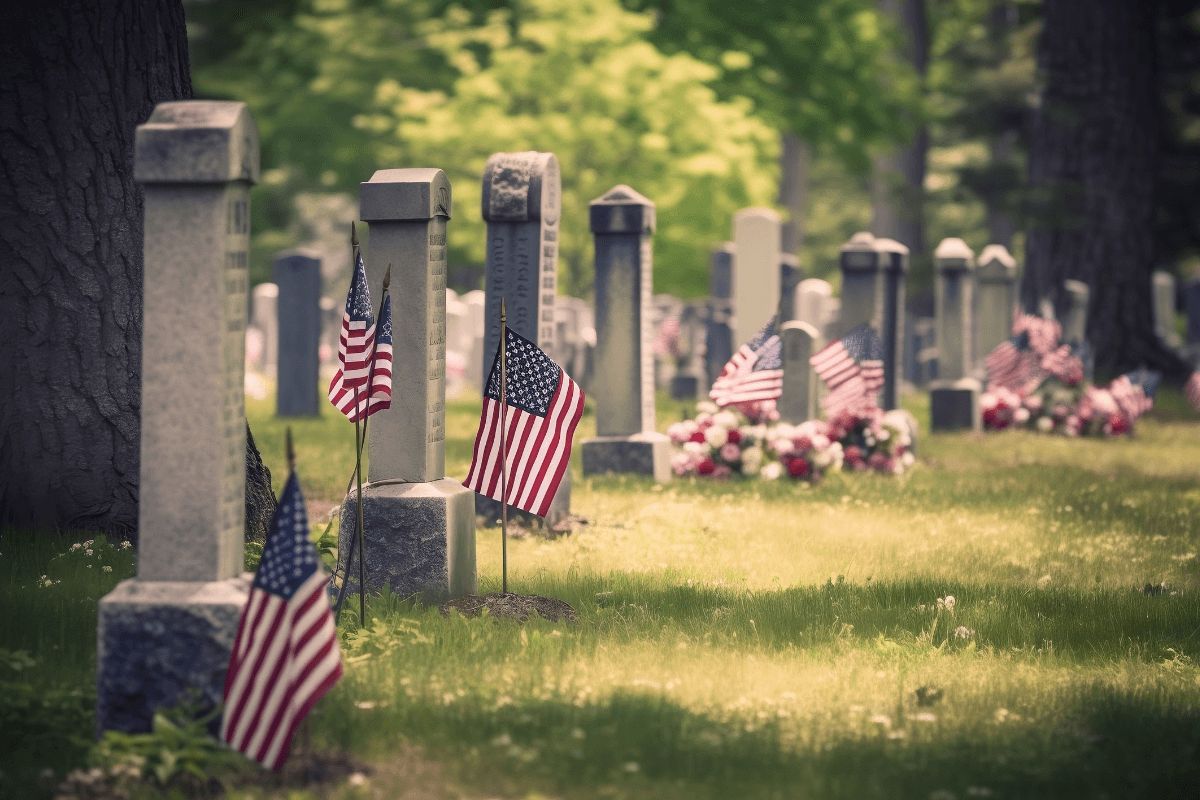
Memorial Day Health Tips for Honoring the Brave Safely begin with a simple idea: remembrance and wellbeing can support each other. The observance may include ceremonies, travel, food, heat, alcohol, and grief triggers. A safer plan gives people room to honor fallen service members without overlooking hydration, sun protection, medication routines, emotional boundaries, and safe transportation.
That balance matters because holiday plans often ask a lot of the body and mind. Older adults, children, people living with chronic illness, caregivers, veterans, and grieving families may need quieter pacing. You can still gather, reflect, and share a meal while building in rest and practical safeguards.
Key Takeaways
- Honor with intention: Leave room for ceremony, reflection, and quiet.
- Plan for heat: Bring water, shade, sunscreen, and rest breaks.
- Support grief: Let veterans and families choose how much they share.
- Protect medications: Keep routines steady and avoid unsafe mixing.
- Reduce preventable risk: Arrange sober transportation and food-safe storage.
Memorial Day Health Tips for Honoring the Brave Safely
Memorial Day is a day of remembrance for U.S. military personnel who died while serving. It is not the same as Veterans Day, which honors all who served. That distinction helps families set the tone. Cookouts, parades, and travel can still happen, but they should not crowd out the meaning.
Start by choosing one act of remembrance before the schedule fills. You might attend a ceremony, visit a cemetery, observe the National Moment of Remembrance, place a flag where appropriate, support a family that is grieving, or share age-appropriate history with children. A small, intentional act often feels more respectful than a packed itinerary.
Clothing does not need to follow one strict rule. Many people choose red, white, and blue, black, or a remembrance poppy. Comfort, weather, walking distance, and the event setting matter more than meeting a color code. Shoes, shade, and breathable clothing can be health choices, not just style choices.
Why it matters: A respectful plan can reduce stress while preserving the purpose of the day.
Respectful Words, Grief, and Veteran-Centered Choices
Grief can surface quickly during ceremonies, patriotic music, cemetery visits, or even casual greetings. Some veterans carry memories of friends who did not come home. Some families are grieving a recent or long-ago loss. A safe observance leaves people in control of how much they participate and how much they explain.
If you are unsure what to say, keep it simple and grounded. You can say that you are remembering those who died in service today, or ask whether someone would like company at a ceremony. Avoid pressing for combat stories, asking graphic questions, debating politics during a remembrance moment, or telling someone how they should feel.
- Helpful approach: Offer presence without pressure.
- Gentle language: Acknowledge remembrance, not celebration alone.
- Respectful pause: Let silence do some work.
- Better question: Ask what feels meaningful this year.
- Clear boundary: Do not make trauma a conversation topic.
Senior veterans may appreciate being included, but not every gathering will feel good to them. Ask before planning around them. Consider seating, shade, hearing needs, restroom access, walking distance, and whether a shorter visit would be kinder than a full day away from home.
Families living with chronic illness may also need a slower rhythm. If activity, food, and rest are hard to balance, Chronic Illness Diet And Exercise offers broader context for building routines that support daily wellbeing.
Heat, Sun, and Hydration for Outdoor Remembrance
Heat safety matters because many gatherings happen outdoors, often during the first stretch of summer weather. Direct sun, humidity, crowds, long walks, dark pavement, and alcohol can all strain the body. Older adults, infants, pregnant people, outdoor workers, and people with some medical conditions may be more vulnerable.
Hydration is not just about drinking water after someone feels thirsty. Bring water before leaving home, keep it visible, and plan rest breaks in shade or air conditioning. If someone has fluid restrictions, kidney disease, heart failure, or takes medicines that affect fluid balance, they should follow their clinician’s guidance.
Sun protection also needs planning. Use shade when possible, wear a hat and sunglasses, and apply sunscreen as directed on the product label. Reapply after swimming or heavy sweating. For parades and ceremonies, choose a spot where people can sit, step away, or cool down without disrupting the event.
- Before leaving: Check the forecast and heat index.
- For ceremonies: Bring seating when allowed.
- For children: Schedule breaks before they melt down.
- For seniors: Avoid long standing in direct sun.
- For pets: Provide shade, water, and pavement checks.
- For everyone: Move indoors if symptoms appear.
Warning signs deserve attention. Heavy sweating, dizziness, nausea, headache, fast heartbeat, cramps, or unusual weakness can mean the body is struggling. Confusion, fainting, chest pain, severe shortness of breath, or a very high body temperature can signal an emergency and should prompt urgent medical help.
Food, Alcohol, Water, and Travel Decisions
Most holiday injuries and illnesses are preventable when people plan before they are tired, hot, or rushed. Cookouts, road trips, boating, and pool time all carry risks that rise when alcohol, distraction, or poor food storage enters the picture.
| Situation | Safer choice | Why it helps |
|---|---|---|
| Barbecue and picnics | Keep raw and cooked foods separate. | This lowers the chance of cross-contamination. |
| Alcohol use | Choose a sober driver before drinking. | Planning early reduces impaired decisions later. |
| Road trips | Build in rest, food, and bathroom stops. | Fatigue and rushing can raise crash risk. |
| Swimming areas | Assign a focused water watcher. | Supervision matters even when people swim well. |
| Outdoor games | Set space away from grills and traffic. | Clear boundaries reduce burns and collisions. |
Food safety is easy to miss during a relaxed meal. Wash hands, keep utensils clean, use separate plates for raw meat, and keep cold foods cold. If a dish has been sitting in heat and you are unsure whether it is safe, throw it away rather than guessing.
Alcohol deserves a direct plan. Provide water and nonalcoholic options, avoid pressuring people to drink, and keep alcohol away from anyone supervising children in pools, lakes, or near grills. Some medications can interact with alcohol or increase drowsiness, so label warnings and pharmacist guidance matter.
Travel safety starts before the car moves. Check that everyone has a seat belt, pack needed medicines, secure mobility aids, and give the driver enough time. If a route includes cemetery traffic, parade closures, or late-night driving, plan patience into the schedule.
A small first-aid kit can help with blisters, minor cuts, insect stings, and scrapes. It should not replace urgent care for serious symptoms. Seek immediate help for severe allergic reactions, possible stroke symptoms, chest pain, major burns, near-drowning, or any situation that feels unsafe to manage at home.
Medication and Caregiver Planning for a Long Weekend
Medication safety is easier when routines are protected before the weekend begins. Gather prescriptions, over-the-counter products, inhalers, testing supplies, glasses, hearing aids, and a current medication list. Keep medicines in labeled containers when practical, and avoid changing doses to fit travel plans unless a clinician has instructed it.
BorderFreeHealth connects U.S. patients with licensed Canadian partner pharmacies for eligible prescription access.
Pain relievers can be confusing at gatherings where people share advice casually. If someone is comparing anti-inflammatory options, Meloxicam Uses And Side Effects and Meloxicam Vs Ibuprofen explain important considerations. Avoid combining medicines with similar effects unless a clinician or pharmacist has said it is safe.
Some people also need extra attention around side effects. A person using corticosteroids may want to review Prednisone Side Effects for context before a busy weekend. Older adults taking cholesterol medication can use Atorvastatin Side Effects In Elderly as a discussion starter with a healthcare professional when symptoms or concerns arise.
If medication cost or access is part of your planning, Prescription Drugs Without Insurance explains general cash-pay concepts. It should not replace a clinician’s advice about whether a specific medicine is appropriate.
When required, prescription details are checked with the prescriber before pharmacy dispensing.
Caregivers can reduce stress by planning for the person most likely to become tired first. Ask about pain, mobility, bathroom needs, sensory overload, and emotional limits. A short visit with a calm exit plan may be healthier than a long event that leaves someone exhausted for days.
- Medication list: Keep names and instructions handy.
- Cooling plan: Know the nearest indoor option.
- Mobility support: Confirm seating and walking distance.
- Meal planning: Bring safe foods if diets are limited.
- Exit strategy: Agree on a signal to leave.
A Simple Safety Checklist Before You Leave
A checklist helps because remembrance events often involve many moving parts. Use it to lower avoidable risk, not to make the day feel rigid.
- Confirm the event time, location, and parking plan.
- Pack water, snacks, sunscreen, and weather-appropriate clothing.
- Bring needed medicines, supplies, glasses, and hearing aids.
- Choose a sober driver or rideshare plan in advance.
- Store foods safely and separate raw items from cooked dishes.
- Set a supervision plan for pools, lakes, grills, and pets.
- Build in shade, seating, quiet time, and bathroom breaks.
- Ask veterans and grieving relatives what feels respectful.
- Keep emergency contacts and insurance information accessible.
Quick tip: Share the plan with one other adult before the gathering begins.
The goal is not perfection. The goal is to protect people while leaving room for gratitude, grief, and connection. If something feels too crowded, too hot, or too emotionally heavy, stepping back can be the most respectful choice.
Authoritative Sources
- The U.S. Department of Veterans Affairs Memorial Day resource explains the observance and its history.
- The CDC heat and health overview outlines why heat can strain the body.
- The FDA outdoor food safety resource reviews clean handling and storage basics.
Further Reading and Recap
Memorial Day can hold more than one truth. It can be solemn, social, restful, painful, and meaningful at the same time. A safer weekend starts with respect for the day’s purpose, then adds practical planning around heat, food, travel, water, alcohol, medications, and emotional wellbeing.
If the holiday raises broader health questions, the General Health hub collects related wellness topics. Families supporting older men may also find Regular Health Screenings For Men helpful for planning conversations after the weekend.
This content is for informational purposes only and is not a substitute for professional medical advice.


