
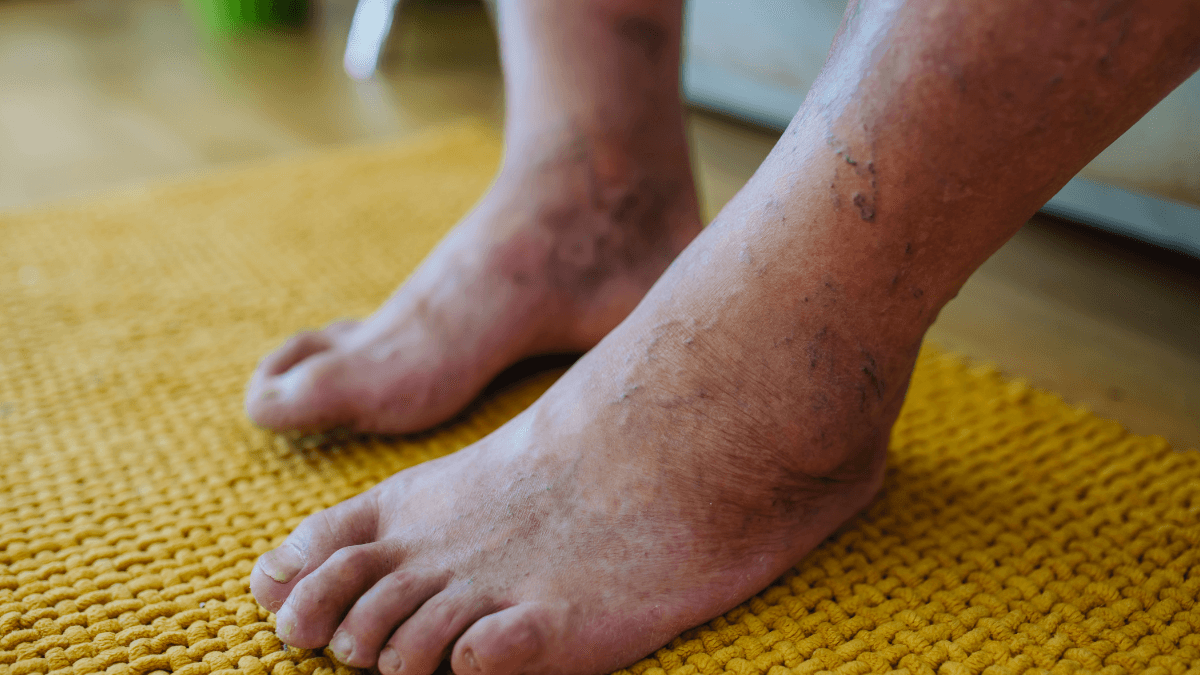
Diabetic foot ulcers are open sores or wounds on the foot that need early attention because numbness, pressure, infection, and reduced blood flow can make them worsen quickly. Many begin as a blister, callus, crack, or rubbed area that seems minor at first. The safest next step is prompt clinical assessment, especially if there is drainage, spreading redness, odor, fever, or a sudden color change.
Foot wounds can feel stressful. Many people worry they missed a sign. That reaction is understandable, and it does not mean you did anything wrong. The goal is to notice changes early, reduce pressure on the area, and involve the right care team before complications build.
If you are also reviewing diabetes basics, Types Of Diabetes can help frame common care goals.
Key Takeaways
- Check daily: Small blisters, cracks, or calluses can hide deeper damage.
- Act on red flags: Fever, odor, black tissue, or spreading redness needs urgent care.
- Reduce pressure: Offloading helps protect tissue while it heals.
- Expect a full assessment: Clinicians check infection, circulation, sensation, and footwear.
- Prevent recurrence: Follow-up and shoe fit matter after a wound closes.
Early Signs That Need Attention
Early diabetic foot ulcers may look small, shallow, or easy to dismiss. You might notice a pink open spot, a blister that breaks, a cracked heel, or a callus with a darker center. Some wounds start under thick skin, so the surface may look less serious than the tissue underneath.
Common diabetic foot ulcer symptoms include swelling, warmth, drainage on socks, and skin that looks white or soggy around a wound. A new odor, yellow fluid, or increasing tenderness can suggest infection or tissue change. If you have neuropathy, pain may be absent even when the wound is serious.
Online searches for diabetic feet pictures beginning stages or early stage foot ulcer pictures can give a rough idea of what wounds may look like. Still, photos can mislead. Lighting, skin tone, camera angle, and wound depth all change what you see. A clinician can examine the foot, check circulation, and decide whether deeper tissue is involved.
Quick tip: Take photos in the same lighting and distance if you are tracking changes between appointments.
| Call a clinician soon | Seek urgent care today |
|---|---|
|
|
If you feel unwell, or the foot changes quickly, it is reasonable to seek urgent evaluation. A foot infection can progress faster in people with diabetes, especially when blood flow is reduced.
Why Foot Ulcers Happen In Diabetes
Most diabetic foot ulcers develop from several factors working together. Neuropathy (nerve damage) can reduce protective sensation, so rubbing, heat, pressure, or a cut may go unnoticed. Over time, repeated pressure can break down skin, especially under the ball of the foot, heel, or toe joints.
Blood flow also matters. Peripheral artery disease (narrowed leg arteries) can limit oxygen delivery to the skin. When circulation is reduced, even a small wound may close slowly. Smoking, kidney disease, long-standing diabetes, and previous ulcers can increase risk.
Foot shape and footwear are often part of the story. Hammertoes, bunions, high arches, or a prominent bone can create pressure points. Shoes that once fit well may become risky if swelling, deformity, or reduced sensation changes how the foot bears weight.
Nerve changes are important because they change how the foot reports danger. For deeper background on numbness, burning, and sensation loss, read Diabetic Neuropathy.
High glucose is not the only cause, but it can affect inflammation and immune response. If you are noticing more thirst, frequent urination, or repeated high readings, Symptoms Of Hyperglycemia reviews common signs to discuss with a clinician.
How Clinicians Assess A Foot Wound
A good assessment looks beyond the visible sore. Clinicians usually measure wound length, width, and depth. They check the edges, drainage, surrounding skin, odor, and whether dead tissue is present. They also look for pressure points that may keep the wound open.
Circulation testing is common. This may include checking pulses, skin temperature, capillary refill, and tests such as an ankle-brachial index, often called an ABI. If blood flow is limited, a vascular referral may be needed. Imaging, such as an X-ray, can be used when bone infection or a foreign object is a concern.
Nerve testing may use a monofilament, which is a soft filament used to check protective sensation. Loss of protective sensation helps explain why diabetic foot ulcers can grow without much pain. Foot shape, gait, toe alignment, and shoe wear patterns also help the care team find the source of pressure.
Because diabetes affects the whole body, routine care often includes broader monitoring. People reviewing age-related diabetes planning may find Diabetes Management In Older Adults useful for caregiver discussions and daily routines.
Treatment Basics: Cleaning, Dressings, And Offloading
Diabetic foot ulcer treatment usually focuses on three goals: protect the wound, reduce pressure, and treat infection or circulation problems when present. The exact plan depends on wound depth, location, drainage, blood flow, and your overall health history.
Many care plans include gentle cleaning and a dressing that supports moisture balance. Some wounds need more drainage control. Others need protection from drying out. A clinician may remove dead or thickened tissue, a process called debridement, when it is appropriate. This can help reveal the true wound size and reduce barriers to healing.
Offloading is often central. This means taking pressure off the wound with a removable boot, special shoe, insert, felt padding, or a cast in selected cases. A dressing cannot do its job if the same spot is stressed with every step. Even short barefoot walks at home can reopen fragile tissue.
What To Ask About Your Dressing Plan
Dressing instructions should be specific. Ask how often to change it, how to cleanse the area, what drainage is expected, and which changes should trigger a call. Avoid soaking the foot or using harsh antiseptics unless your clinician recommends them. If reaching the foot is difficult, a family member, caregiver, or home nursing support may make the routine safer.
People often search for the best ointment for diabetic foot ulcer or the best antibiotic cream for diabetic foot ulcer. There is no single product that fits every wound. Ointments, creams, and dressings depend on infection signs, moisture needs, skin condition, and wound depth. Using the wrong product can irritate fragile skin or trap too much moisture.
If skin issues overlap with rashes, cracks, or fungal irritation, the Dermatology category may help you browse related skin-care topics. Use it for orientation, not as a substitute for wound assessment.
Infection, Antibiotics, And Safety Questions
Antibiotics are not used for every open wound. Diabetic foot ulcer treatment antibiotic decisions usually depend on signs of infected tissue, not the presence of a sore alone. Clinicians look for warmth, swelling, increasing pain, pus, spreading redness, fever, or feeling generally unwell.
When infection is suspected, the wound may be cleaned or debrided before a culture is taken. This can help identify likely bacteria and guide medication choices. Treatment decisions also consider kidney function, allergies, other medicines, and whether the infection may involve deeper tissue or bone.
Some readers ask, can you die from diabetic foot ulcer. A foot ulcer itself is not usually the direct cause of death, but complications can become life-threatening. Severe infection, sepsis, poor circulation, kidney disease, heart disease, and complications after major surgery can all raise risk. This is why early wound care, infection control, and circulation assessment matter.
Questions such as why do diabetics die after amputations or how long do diabetics live after amputations are understandable, but the answers vary widely. Amputation often happens in people who already have advanced infection, poor blood flow, or other serious health problems. Survival depends on age, heart and kidney health, circulation, infection control, mobility, and follow-up care. A care team can explain the individual risks more accurately than a general statistic.
Why it matters: A worsening wound is a medical signal, not just a skin problem.
Tracking Healing And Reducing Repeat Wounds
Healing is usually tracked by wound size, depth, drainage, odor, surrounding redness, and the quality of new tissue. A wound that becomes smaller, has less drainage, and develops healthier-looking edges is often moving in the right direction. A wound that stops improving, smells different, or becomes more red needs reassessment.
Some people ask whether diabetic foot ulcers can be cured. Many ulcers can close with appropriate care, pressure relief, infection management, and circulation support. However, a healed ulcer does not mean the risk is gone. The skin remains vulnerable, and the pressure pattern that caused the wound may still exist.
Prevention focuses on daily inspection, protective footwear, careful nail care, and follow-up. Moisturize dry skin, but avoid putting lotion between toes where dampness can build. Shake out shoes before wearing them. Check for pebbles, rough seams, or worn insoles. Bring your shoes to appointments so clinicians can identify pressure areas.
Glucose tracking can also help your team see patterns that may affect healing. Some people use meters, continuous glucose monitors, or prescribed medications as part of their diabetes plan. For device context, OneTouch Verio Flex Meter and Dexcom G7 Sensor are examples of glucose monitoring options to recognize when discussing supplies with a clinician.
Medication reviews may also be part of wound care, especially when glucose levels are frequently high or low. If you are comparing common diabetes medication names, Metformin and Lantus Insulin Vial are examples of product pages that may help you identify items in your medication list. Do not change diabetes medicines without prescriber guidance.
For broader diabetes education, the Diabetes category organizes related topics in one place.
Authoritative Sources
The American Diabetes Association explains foot screening and prevention in its resource on diabetes-related foot complications.
The Infectious Diseases Society of America provides clinical guidance on evaluating and treating diabetic foot infections.
The NCBI Bookshelf clinical review summarizes risk factors and complications in diabetic foot ulceration.
Recap
Diabetic foot ulcers often start small, but they deserve early attention. Watch for blisters, cracks, drainage, calluses with dark centers, spreading redness, odor, fever, or sudden color changes. The core of care is assessment, pressure relief, wound protection, infection management when needed, and follow-up.
If a wound changes quickly or you feel unwell, seek prompt medical evaluation. For ongoing questions, a podiatrist, wound clinic, or diabetes care team can tailor advice to your health history, circulation, footwear, and medication plan.
This content is for informational purposes only and is not a substitute for professional medical advice.


