
Shipping with this method takes 3-5 days
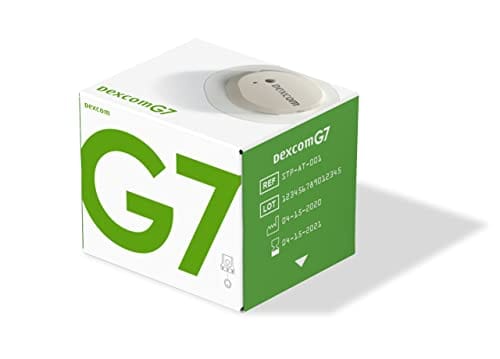
Dexcom G7 sensor (10 days)
Buy Dexcom G7 Sensor Online
Secure Encrypted Payments
Dexcom G7 sensor (10 days) is a wearable continuous glucose monitoring sensor used to track glucose trends during daily activities and overnight. It can be bought online for customers who need a Dexcom G7 10 day sensor and want to plan recurring CGM replacement supplies. Match the device generation, wear time, and quantity to your clinician’s directions and your compatible display setup.
The Dexcom G7 CGM sensor measures glucose in interstitial fluid, which is the fluid just under the skin. Readings are sent to a compatible smartphone app or Dexcom G7 receiver, depending on your setup, so you can follow values, trend arrows, alerts, and patterns over time. If you are arranging US delivery from Canada, plan ahead because each sensor has a limited wear period and is not a one-time supply.
Dexcom G7 Sensor Price and 10-Day Supply Planning
The Dexcom G7 sensor price is most useful when viewed alongside the 10-day wear schedule. A single sensor covers one sensor session under labeled use conditions, so uninterrupted monthly use generally requires multiple replacement sensors. When you assess Dexcom G7 sensor cost, think about both the amount shown for the quantity you choose and how often replacements will be needed.
Dexcom G7 sensor (10 days) is an all-in-one wearable component. The transmitter function is built into each sensor, which means the sensor and transmitter are replaced together at the end of the session. This is an important distinction when comparing the Dexcom G7 10 day sensor price with older Dexcom systems that used separate sensors and transmitters.
Cash-pay planning can matter for people buying Dexcom G7 sensor without insurance. The out-of-pocket cost depends on the quantity chosen during ordering, any related supplies you need, and how consistently you use CGM. A compatible display method is also required, so include receiver or phone-app needs in your overall planning.
| Detail to compare | Why it matters |
|---|---|
| Wear period | A 10-day schedule affects monthly supply needs and reorder timing. |
| Device generation | Dexcom G7 components are not interchangeable with Dexcom G6 parts. |
| Transmitter design | G7 includes transmitter function in each wearable sensor. |
| Display method | A compatible app or receiver is needed to view readings. |
| Backup testing | Meter checks help when symptoms and sensor values do not match. |
Quick tip: Count upcoming sensor changes before checkout so travel, early sensor loss, or reorder delays do not create monitoring gaps.
How to Order Dexcom G7 Sensor Online
To order Dexcom G7 sensor online, start with the exact device name and 10-day wear time. The G7 sensor differs from Dexcom G6 sensors, G6 transmitters, traditional meters, and test strips, so small wording differences can change what arrives. Choose the quantity that fits your replacement schedule and clinician-directed monitoring plan.
Keep your diabetes care team’s instructions nearby when selecting CGM supplies. If you are using a receiver, phone app, backup meter, or adhesive support products, make sure those items are ready before starting a new sensor. Our order process may include reviewing order details when needed, and products are supplied through licensed pharmacies.
The Diabetes Supplies category can help you browse related monitoring items in one place. Customers who also need a separate screen can review the Dexcom G7 Receiver and match it to their current CGM setup. For logistics, prompt, express shipping may be available depending on destination and handling requirements, but refill timing should still be planned before your last sensor ends.
What the Sensor Is Used For
The Dexcom G7 continuous glucose monitor sensor is used by people with diabetes who need ongoing glucose trend information. It can show whether glucose is rising, falling, or holding steady, which may help you and your care team understand patterns around meals, insulin, other diabetes medicines, activity, sleep, stress, and illness.
CGM does not measure blood glucose directly. It measures glucose in interstitial fluid, so values can lag behind a fingerstick meter during rapid changes. That delay can matter after treating a low, during intense exercise, after meals, or when symptoms feel different from the number on the display.
People living with type 1 diabetes often use CGM to watch trends and alerts throughout the day. Many people with type 2 diabetes also use CGM when treatment decisions, hypoglycemia risk, or pattern tracking make continuous data helpful. The Type 1 Diabetes and Type 2 Diabetes categories can help you view broader diabetes-related supplies and treatments.
CGM data is most useful when interpreted as a pattern, not as one isolated value. Reports may show time in range, repeated highs, overnight lows, or glucose changes after specific routines. Bring these patterns to your clinician if you are adjusting food choices, exercise routines, insulin timing, or other parts of your diabetes care plan.
Wear Time, Replacement, and Sensor Sessions
Dexcom G7 sensor wear time is up to 10 days under labeled use conditions. The app or receiver guides the sensor session, alerts you as the session nears its end, and provides replacement prompts. Follow the current user guide and device prompts for insertion, pairing, startup, and removal steps.
Do not plan to restart or extend a Dexcom G7 replacement sensor beyond its intended wear period. Extending wear can make readings less reliable and may interfere with safe glucose decisions. If a sensor stops working early, follow Dexcom troubleshooting instructions and use a backup blood glucose meter when needed.
A predictable replacement routine helps reduce missed readings. Many users set reminders before the final day, prepare the next sensor, charge the phone or receiver, and confirm login or app access before removal. It is also sensible to inspect packaging, expiration dates, and storage conditions before opening a sensor.
Adhesion can affect whether the full session is completed. Sweat, water exposure, friction from clothing, and pressure while sleeping can loosen the sensor or distort readings. Rotate sites as instructed and avoid areas where waistbands, belts, compression garments, or repeated movement may pull the adhesive loose.
Device Presentation and Compatibility
Dexcom G7 sensor (10 days) is a compact wearable CGM device with the transmitter function integrated into each sensor. Because the transmitter is not reused separately, replacement planning is simpler than systems that require separate transmitter tracking. The full sensor unit is replaced after each session.
Readings appear on a compatible smartphone app or a dedicated receiver. Phone compatibility can change with operating system updates, app requirements, and device settings, so confirm your phone setup before relying on app-only monitoring. A receiver may be preferred by people who want a dedicated display or do not want to depend on a phone throughout the day.
Dexcom G7 and Dexcom G6 supplies should not be treated as interchangeable. If you are comparing earlier Dexcom components, the Dexcom G6 Sensor and Dexcom G6 Transmitter show the separate component structure used with the G6 system. That difference matters when assessing replacement schedules, supply counts, and device compatibility.
- Confirm the generation: G7 sensors are different from G6 sensors and transmitters.
- Choose a display method: Use a compatible app or receiver according to your setup.
- Plan the 10-day cycle: Recurring sensors are needed for continuous use.
- Keep a backup meter: Fingerstick testing can confirm unexpected readings.
Storage, Handling, and Travel Basics
Store Dexcom G7 sensors in their original packaging until use. Follow the temperature range and expiration date printed on the package. Avoid exposing sensors to freezing temperatures, high heat, prolonged direct sunlight, or long periods inside a parked vehicle.
Travel requires extra planning because CGM supplies are time-sensitive. Pack enough sensors for the full trip plus extra supplies in case one loosens, fails, or is removed for a procedure. Carry-on storage helps reduce the risk of lost supplies and limits exposure to temperature swings during travel.
Keep related items together when away from home. A receiver or phone charger, backup meter, test strips, lancets, adhesive aids, and skin-prep supplies can make replacement easier in a hotel, workplace, or airport. The FreeStyle Freedom Lite Meter and FreeStyle Lite ZipWik Test Strips are examples of traditional glucose monitoring supplies for people who use compatible systems.
Medical imaging and security screening need careful attention. Many wearable medical devices should not be exposed to certain imaging procedures, such as MRI, CT, or diathermy, unless the manufacturer’s instructions specifically allow it. Contact the imaging center before your appointment so you know whether the sensor must be removed.
Safety Basics Before Use
Most Dexcom G7 sensor issues involve the wear site. Redness, itching, mild bleeding, bruising, tenderness, irritation, or adhesive reactions can happen after insertion or during wear. People with sensitive skin may need extra care with site rotation, drying time after cleansing, and approved skin-barrier products.
Some symptoms need prompt medical attention. Increasing warmth, swelling, pus, fever, spreading redness, hives, facial swelling, or a rapidly worsening rash may suggest infection or an allergic reaction. Seek urgent care for trouble breathing, severe swelling, or symptoms that progress quickly.
Sensor values can differ from fingerstick readings, especially when glucose is changing quickly. If your symptoms do not match the displayed value, confirm with a blood glucose meter and follow your clinician’s safety plan. This is especially important when treating low glucose, driving, exercising, or making decisions that could affect safety.
Some medicines and health conditions may affect CGM interpretation. Dexcom labeling has included warnings about specific drug interferences with certain CGM systems, such as hydroxyurea. Tell your clinician about prescription medicines, non-prescription products, supplements, kidney disease, frequent lows, or hypoglycemia unawareness so CGM data is interpreted safely.
Why it matters: Backup meter checks protect you when symptoms and sensor readings disagree.
Accuracy, Alerts, and Daily Monitoring
CGM accuracy can be influenced by sensor placement, hydration, circulation, rapid glucose shifts, pressure on the sensor, and how well the adhesive stays attached. Pressure during sleep can cause a false low reading, often called a compression low. A loose sensor may also produce readings that do not fit how you feel.
Alerts are useful only when they are set and used in a way you can respond to. Ask your care team which high, low, urgent low, and signal-loss alerts fit your situation. People who experience overnight lows, hypoglycemia unawareness, or frequent glucose swings may need more structured alert planning.
Trend arrows add context to the displayed number. A value that is steady may call for a different response than the same number with a fast downward arrow. Notes about meals, activity, insulin timing, illness, or stress can make CGM reports more useful at follow-up appointments.
CGM is not a substitute for clinical judgment. It is a monitoring tool that supports decisions when used with device instructions, meter checks when needed, and individualized guidance. Do not ignore symptoms because a sensor reading appears acceptable.
Comparing CGM With Other Monitoring Choices
Continuous glucose monitoring provides frequent trend information, while fingerstick self-monitoring gives blood glucose values at specific times. Many people use both. A meter can confirm unexpected CGM readings, support backup testing during sensor interruptions, and help when symptoms do not match the display.
Dexcom G7 may be a practical fit for people who want an all-in-one 10-day wearable sensor and compatible digital display. Traditional meters may suit people who need occasional checks, cannot tolerate adhesives, or prefer not to wear a device. Your clinician can help decide whether CGM, meter testing, or a combined approach fits your diabetes plan.
If you are reviewing broader diabetes education, Type 1 Diabetes Treatment discusses care planning topics for insulin-dependent diabetes, while Type 1 vs Type 2 Diabetes explains key differences between the two common diabetes types. These articles can help frame questions for your next visit, but individual treatment decisions should come from your care team.
Questions to Discuss With Your Care Team
Before starting or continuing Dexcom G7 10 day CGM, ask how the data should be used in your daily care. Useful questions include when to confirm with a meter, which alerts to use, how to handle exercise-related changes, what to do if the sensor falls off early, and how often reports should be reviewed.
Medication routines can change how CGM information is interpreted. Insulin users, people adjusting diabetes medicines, and people with frequent lows may need more detailed instructions than someone tracking general glucose patterns. Bring reports, screenshots, or app summaries to appointments so your clinician can focus on recurring patterns.
Ask about situations that may require extra caution. Alcohol use, kidney disease, illness, dehydration, steroid use, and changes in eating patterns can affect glucose trends. More complete context helps your clinician decide which alerts, backup checks, and follow-up steps are safest for you.
Authoritative Sources and Device Instructions
For device-specific instructions, rely on the current manufacturer user guide packaged with your Dexcom G7 supplies and the prompts shown in your app or receiver. These materials should guide insertion, pairing, alerts, replacement, approved wear sites, troubleshooting, imaging precautions, storage limits, and known interferences.
Clinical standards from diabetes organizations can help explain how CGM fits into diabetes care, including time in range, hypoglycemia prevention, and pattern review. Use official, current sources when checking safety details, and contact your care team when device instructions and personal medical needs seem difficult to align.
Keep a backup meter available in case you need confirmatory checks, experience a sensor interruption, or have symptoms that do not match the CGM display.
This content is for informational purposes only and is not a substitute for professional medical advice.
CGM Time-in-Range Summary
Summarise CGM percentages across very low, low, in-range, high, and very high glucose bands.
Entered total
-
should equal 100%
Below range
-
very low plus low
Above range
-
high plus very high
Summary
-
common adult CGM targets vary by patient
These calculations are for education only and do not replace clinical advice, diagnosis, or treatment. Always confirm medical decisions with a qualified healthcare professional.
Blood Glucose Unit Converter
Convert glucose readings between mg/dL and mmol/L without changing the clinical value.
mg/dL
-
US reporting unit
mmol/L
-
International reporting unit
These calculations are for education only and do not replace clinical advice, diagnosis, or treatment. Always confirm medical decisions with a qualified healthcare professional.
HbA1c & eAG Calculator
Convert between HbA1c percentage and estimated average glucose using the ADAG relationship.
HbA1c
-
percentage
eAG mg/dL
-
estimated average glucose
eAG mmol/L
-
estimated average glucose
These calculations are for education only and do not replace clinical advice, diagnosis, or treatment. Always confirm medical decisions with a qualified healthcare professional.
Carb Serving Calculator
Convert total carbohydrate grams into carb choices for meal planning and diabetes education.
Carb choices
-
total carbs divided by choice size
Rounded choices
-
nearest half choice
Carb calories
-
4 kcal per gram
These calculations are for education only and do not replace clinical advice, diagnosis, or treatment. Always confirm medical decisions with a qualified healthcare professional.
Corrected Sodium Calculator
Estimate sodium corrected for hyperglycemia using common 1.6 and 2.4 correction factors.
Corrected sodium
-
1.6 factor
Corrected sodium
-
2.4 factor
These calculations are for education only and do not replace clinical advice, diagnosis, or treatment. Always confirm medical decisions with a qualified healthcare professional.
Express Shipping - from $29.99
Prices:
- Dry-Packed Products $29.99
- Cold-Packed Products $39.99
Shipping Countries:
- United States (all contiguous states**)
- Worldwide (excludes some countries***)
Standard Shipping - $19.99
Shipping with this method takes 5-10 days
Prices:
- Dry-Packed Products $19.99
- Not available for Cold-Packed products
Shipping Countries:
- United States (all contiguous states**)
- Worldwide (excludes some countries***)
How long does a Dexcom G7 sensor last?
Dexcom G7 sensor wear time is up to 10 days under labeled use conditions. Follow the app, receiver, and current user guide for exact session-end and replacement steps.
Does the Dexcom G7 sensor include a transmitter?
Yes. The Dexcom G7 sensor has the transmitter function built into each wearable sensor, so the whole unit is replaced at each sensor change rather than using a separate reusable transmitter.
Can Dexcom G7 sensor readings replace fingerstick checks?
CGM readings are helpful for trends, but a blood glucose meter should be used when symptoms do not match the display, during sensor interruptions, or when your clinician or device instructions recommend confirmation.
What affects Dexcom G7 sensor cost over time?
The main cost factors are the quantity chosen, the 10-day replacement schedule, whether you need a compatible receiver, and whether you also keep backup meter supplies available.
Are Dexcom G7 and Dexcom G6 supplies interchangeable?
No. Dexcom G7 and Dexcom G6 components are different device generations. G7 sensors include the transmitter function, while G6 systems use separate sensor and transmitter components.
What should I do if a sensor value does not match how I feel?
Confirm with a blood glucose meter and follow your clinician’s safety plan. This is especially important when treating low glucose, exercising, driving, or making other safety-related decisions.
Rewards Program
Earn points on birthdays, product orders, reviews, friend referrals, and more! Enjoy your medication at unparalleled discounts while reaping rewards for every step you take with us.
You can read more about rewards here.
POINT VALUE
How to earn points
- 1Create an account and start earning.
- 2Earn points every time you shop or perform certain actions.
- 3Redeem points for exclusive discounts.
You Might Also Like
Select options
This product has multiple variants. The options may be chosen on the product page
Select options
This product has multiple variants. The options may be chosen on the product page
Select options
This product has multiple variants. The options may be chosen on the product page
Select options
This product has multiple variants. The options may be chosen on the product page