
Shipping with this method takes 3-5 days
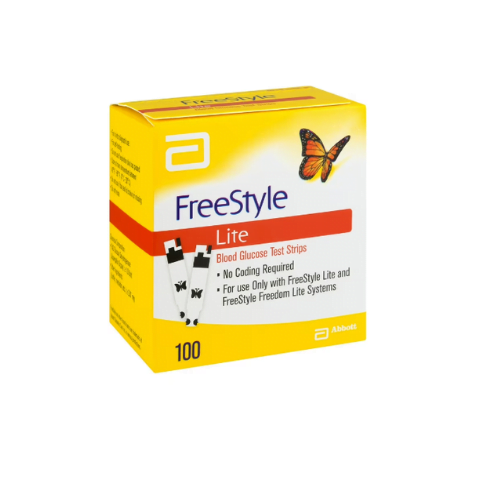
Freestyle Lite Zipwik Test Strips
Buy FreeStyle Lite ZipWik Test Strips Online
Secure Encrypted Payments
FreeStyle Lite ZipWik Test Strips are single-use blood glucose strips for compatible FreeStyle Lite and FreeStyle Freedom Lite meters. You can buy FreeStyle Lite ZipWik Test Strips online and choose the available quantity that matches your testing routine and meter instructions. Each strip is designed to draw a small capillary blood sample into the test area for a meter reading within seconds.
Price, Quantities, and Meter Fit
FreeStyle Lite ZipWik test strips price can vary by quantity, supply needs, and current pharmacy sourcing. Before adding strips to your cart, match the strip name to your meter model and choose the available count that fits your testing schedule. Common choices include 50 count boxes and multi-box quantities that total 100 strips, when stocked.
These strips are made for compatible FreeStyle Lite systems, including FreeStyle Lite and FreeStyle Freedom Lite meters. They are not interchangeable with every FreeStyle product or other glucose meter brands. If your meter name does not match, use the strip type named in that meter’s user guide.
Cash-pay shoppers often look for FreeStyle Lite test strips from Canada to manage recurring supply needs. BorderFreeHealth offers US delivery from Canada for many health products, with current cost shown during checkout and prompt, express shipping. Keep enough strips on hand for your usual schedule so you do not have to skip planned checks while waiting for a refill.
How ZipWik Strips Work
The ZipWik tabs help pull blood into the strip after the edge touches the blood drop. The meter measures the reaction between glucose in capillary whole blood and the strip chemistry, then displays a glucose value. This design can help reduce underfilling when the sample is applied correctly.
FreeStyle Lite blood glucose test strips ZipWik technology is intended for testing outside the body, also called in vitro diagnostic use. Wash and dry your hands first, insert a new strip as directed, and wait for the meter prompt before applying blood. Do not add blood before the meter is ready, because that can cause an error or unreliable result.
No-coding FreeStyle Lite meters simplify setup because the user does not enter a strip code before testing. Still, the meter manual remains important. It explains symbols, error messages, control solution checks, alternate site testing rules, and what to do when results do not match how you feel.
Who These Strips May Suit
These strips may suit people who already use a compatible FreeStyle Lite meter and need routine glucose checks at home, work, school, or while traveling. People with type 1 diabetes may use meter readings as part of a broader plan that can include insulin, meals, activity, and illness guidance from a clinician. People with type 2 diabetes may use testing to understand fasting values, post-meal patterns, or medication effects when testing is part of their care plan.
Testing frequency is individualized. Some people test several times daily, while others test less often. Your clinician may suggest checks before meals, after meals, at bedtime, before driving, during illness, or when symptoms suggest low or high blood sugar. The strip does not decide treatment; it provides a reading that you interpret within your written care plan.
These strips are for human capillary whole blood unless your meter documentation says otherwise. People with severe dehydration, shock, poor circulation, dialysis needs, or unusual hematocrit levels should be especially careful with meter readings. If a reading seems inconsistent with symptoms, clean your hands, repeat the test with a fresh strip, and seek clinical help if concern remains.
How to Use Each Strip
- Wash hands with soap and warm water, then dry completely.
- Insert one new strip into the compatible meter.
- Prepare the lancing device with a sterile lancet.
- Lance the side of the fingertip unless your instructions allow another site.
- Touch the strip’s sample area to the blood drop.
- Wait for the meter signal and read the displayed result.
- Record the value if your care plan requires a log.
Use one strip for one test only. Do not reuse strips, scrape blood onto the strip, or squeeze the finger hard enough to mix tissue fluid into the sample. A small, clean blood drop usually gives the meter the best chance of reading correctly.
Control solution testing may be useful when opening a new vial, after a meter drop, when results seem unusual, or when your meter instructions recommend it. Control solution does not replace a blood glucose reading; it checks whether the meter and strip system is performing within the expected range printed for that solution.
50 Count and 100 Count Planning
FreeStyle Lite ZipWik test strips 50 count boxes may work well for occasional testing, travel kits, or a smaller reorder. A 100 count supply can reduce reorder frequency for people who test more often. Choose based on your typical daily use, expiration dates, and storage conditions rather than buying more than you can use on time.
A simple way to estimate supply is to multiply your usual tests per day by the number of days you want covered. Include a modest buffer for repeat tests, sick days, travel, or meter errors. If your clinician changes your testing schedule, recalculate before the next refill.
For broader supply planning, the diabetes supplies category can help you think through related items such as meters, lancets, control solution, and carrying cases. Matching accessories to the same care routine helps reduce last-minute substitutions that may cause confusion.
Storage, Expiration, and Travel
Store strips in the original vial with the cap closed tightly. Keep the vial dry and away from heat, steam, direct sunlight, and freezing temperatures. Do not transfer strips to a pill organizer, bag, or another container because moisture and air exposure can damage them.
Check the expiration date before testing. Some labels also include a use period after opening the vial; follow the package instructions if a time window is given. Discard strips from cracked, wet, unsealed, or damaged containers, even if the printed date has not passed.
When traveling, keep your meter and strips in carry-on luggage to avoid extreme temperatures. Bring extra lancets, batteries, a backup vial when appropriate, and a written record of your testing plan. If you cross time zones, ask your clinician how to handle testing times alongside meals and medication schedules.
Accuracy Factors and Safety
Most strip problems come from use, storage, or sample issues rather than the strip alone. Wet hands, food residue, lotion, insufficient blood, expired strips, and high heat exposure can affect readings. Washing and drying hands before each test is one of the simplest ways to improve reliability.
- Finger soreness: rotate fingers and use the side of the fingertip.
- Bruising: adjust lancing depth if your device allows it.
- Unexpected low result: follow your hypoglycemia plan and confirm if needed.
- Unexpected high result: retest with clean hands and follow your care instructions.
- Error message: use a new strip and consult the meter manual.
Certain medical conditions and substances may interfere with some blood glucose monitoring systems. Very high or low hematocrit, severe dehydration, shock, high uric acid, high-dose vitamin C, or medication-related factors can affect readings depending on the meter chemistry. If symptoms do not match the number, treat symptoms seriously and contact a healthcare professional.
Do not share lancing devices, even with family members. Sharing can expose users to bloodborne infections. Dispose of used lancets in a sharps container or according to local guidance. Used strips can usually be discarded with household waste unless contaminated-waste rules apply in your setting.
FreeStyle Lite Compared With Other Strips
FreeStyle Lite strips are different from strips made for other brands and from some other FreeStyle systems. A strip must match the meter’s supported strip type. The safest rule is simple: use the exact strip family named by the meter manufacturer and the meter manual.
People sometimes ask whether FreeStyle and FreeStyle Lite test strips are the same. They should not be treated as interchangeable unless the specific meter instructions say they are compatible. Similar brand names can cause ordering mistakes, especially when replacing an older meter or helping a family member manage supplies.
If you are changing meter systems, compare sample size, display readability, memory features, insurance or cash-pay supply costs, and strip availability. The choice should support accurate daily use, not just the lowest box cost. Staying within one compatible meter-and-strip system also makes trend logs easier to interpret over time.
Ordering from BorderFreeHealth
You can order FreeStyle Lite ZipWik test strips online by selecting the available quantity and reviewing the current checkout total. The product should match your existing compatible meter before purchase. If you are buying for a caregiver or family member, verify the meter name directly on the device rather than relying on memory.
Many customers pay out of pocket for glucose testing supplies, especially when insurance coverage is limited or inconsistent. Current cash cost is shown during ordering, and the final quantity should reflect how quickly you use strips. Correct storage and timely reordering can help prevent waste from expired or damaged vials.
Products sourced from Canada can be useful for people comparing ongoing diabetes supply costs. If you want to browse items by origin, the Canada-origin product selection provides a broader view of products grouped by country source.
Diabetes Monitoring and Daily Routines
Blood glucose monitoring works best when readings are connected to a purpose. A fasting reading may show overnight patterns. A post-meal reading may show how food, medication, and activity affected glucose. A reading during symptoms can help you respond to possible hypoglycemia or hyperglycemia.
Keep notes when a number seems unusual. Meals, exercise, stress, illness, missed medication, alcohol, and poor sleep can all change glucose patterns. If you bring these notes to a clinic visit, your healthcare professional can interpret trends more accurately than isolated numbers.
Education can also support safer testing habits. Articles in the type 1 diabetes topic area and type 2 diabetes topic area can help explain day-to-day issues that often affect readings. Use educational content to prepare questions, not to replace individualized medical advice.
When to Contact a Healthcare Professional
Contact a clinician if repeated readings are much higher or lower than your target range, if symptoms do not match the meter value, or if you have frequent testing errors despite following the instructions. Seek urgent help for severe symptoms such as confusion, fainting, trouble breathing, persistent vomiting, or signs of severe hypoglycemia.
Ask for help if finger soreness prevents regular testing. A clinician or diabetes educator may review lancing depth, finger rotation, alternate site rules, or whether a different monitoring approach is appropriate. Do not change medication doses based only on a single unexpected meter value unless your care plan specifically tells you how to respond.
Also ask whether your meter remains the best fit. Needs can change with vision, dexterity, work schedule, pregnancy, medication changes, or new health conditions. A well-matched meter and strip routine should be practical enough to use consistently.
Authoritative Sources
| Source | Link |
|---|---|
| FreeStyle Lite test strip instructions | Official instructions for use |
| American Diabetes Association consumer guide | FreeStyle Lite meter information |
This content is for informational purposes only and is not a substitute for professional medical advice.
Blood Glucose Unit Converter
Convert glucose readings between mg/dL and mmol/L without changing the clinical value.
mg/dL
-
US reporting unit
mmol/L
-
International reporting unit
These calculations are for education only and do not replace clinical advice, diagnosis, or treatment. Always confirm medical decisions with a qualified healthcare professional.
HbA1c & eAG Calculator
Convert between HbA1c percentage and estimated average glucose using the ADAG relationship.
HbA1c
-
percentage
eAG mg/dL
-
estimated average glucose
eAG mmol/L
-
estimated average glucose
These calculations are for education only and do not replace clinical advice, diagnosis, or treatment. Always confirm medical decisions with a qualified healthcare professional.
CGM Time-in-Range Summary
Summarise CGM percentages across very low, low, in-range, high, and very high glucose bands.
Entered total
-
should equal 100%
Below range
-
very low plus low
Above range
-
high plus very high
Summary
-
common adult CGM targets vary by patient
These calculations are for education only and do not replace clinical advice, diagnosis, or treatment. Always confirm medical decisions with a qualified healthcare professional.
Carb Serving Calculator
Convert total carbohydrate grams into carb choices for meal planning and diabetes education.
Carb choices
-
total carbs divided by choice size
Rounded choices
-
nearest half choice
Carb calories
-
4 kcal per gram
These calculations are for education only and do not replace clinical advice, diagnosis, or treatment. Always confirm medical decisions with a qualified healthcare professional.
Glycaemic Load Calculator
Calculate glycaemic load from glycaemic index and available carbohydrate in a serving.
Glycaemic load
-
GI x carbs / 100
Range
-
single serving estimate
Total carbs used
-
serving carbs x servings
These calculations are for education only and do not replace clinical advice, diagnosis, or treatment. Always confirm medical decisions with a qualified healthcare professional.
Express Shipping - from $29.99
Prices:
- Dry-Packed Products $29.99
- Cold-Packed Products $39.99
Shipping Countries:
- United States (all contiguous states**)
- Worldwide (excludes some countries***)
Standard Shipping - $19.99
Shipping with this method takes 5-10 days
Prices:
- Dry-Packed Products $19.99
- Not available for Cold-Packed products
Shipping Countries:
- United States (all contiguous states**)
- Worldwide (excludes some countries***)
What test strips work with FreeStyle Lite meters?
Use FreeStyle Lite test strips that are named as compatible with your specific meter, such as FreeStyle Lite or FreeStyle Freedom Lite when supported by the meter instructions. Do not substitute strips from another brand or another FreeStyle system unless the meter manual confirms compatibility.
Is there a difference between FreeStyle and FreeStyle Lite test strips?
Yes, similar brand names do not always mean the strips are interchangeable. Match the strip family to the exact meter model and follow the manufacturer’s user guide before testing.
How many FreeStyle Lite ZipWik strips should I order?
Choose a quantity based on your usual testing schedule, expiration dates, and need for a small buffer. A 50 count supply may fit occasional testing, while a 100 count supply may suit more frequent testing when available.
Why would a FreeStyle Lite reading look wrong?
Common causes include wet or contaminated hands, too little blood, expired strips, damaged vials, extreme storage conditions, or certain medical factors. Wash and dry your hands, retest with a fresh strip, and contact a clinician if the result still does not match your symptoms.
How should FreeStyle Lite ZipWik test strips be stored?
Keep strips in the original vial with the cap tightly closed. Store them away from moisture, heat, direct sunlight, and freezing temperatures, and do not use strips after the expiration date or from damaged packaging.
Rewards Program
Earn points on birthdays, product orders, reviews, friend referrals, and more! Enjoy your medication at unparalleled discounts while reaping rewards for every step you take with us.
You can read more about rewards here.
POINT VALUE
How to earn points
- 1Create an account and start earning.
- 2Earn points every time you shop or perform certain actions.
- 3Redeem points for exclusive discounts.
You Might Also Like
Select options
This product has multiple variants. The options may be chosen on the product page
Select options
This product has multiple variants. The options may be chosen on the product page
Select options
This product has multiple variants. The options may be chosen on the product page
Select options
This product has multiple variants. The options may be chosen on the product page