
Shipping with this method takes 3-5 days
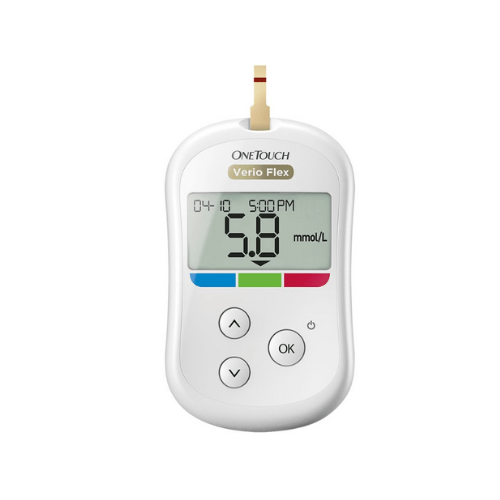
OneTouch Verio Flex Meter
Buy OneTouch Verio Flex Meter Online
Secure Encrypted Payments
OneTouch Verio Flex Meter is a handheld blood glucose monitor used to check blood sugar from a small fingertip sample. It can be ordered online, with current package choices and price shown during checkout so you can match the meter or kit contents to your daily testing needs. US delivery from Canada is available for eligible orders through licensed pharmacy channels.
Price, Package Choices, and Ordering
The OneTouch Verio Flex Meter price depends on the package available at the time you order. Some packages may be meter-only, while starter-style kits may include accessories such as a lancing device, lancets, a carrying case, or other setup items. Contents can vary by supply source and region, so read the package description carefully before relying on it as a complete monitoring setup.
Long-term glucose monitoring costs usually come from consumables rather than the meter itself. Compatible test strips and lancets need regular replacement, and some users also keep control solution for quality checks. If you test several times daily, planning strip and lancet refills can help prevent gaps in your routine.
You can buy the OneTouch Verio Flex Meter online, view the current cash-pay amount, and add related supplies as needed. During checkout, choose the package shown for the product and complete the order details. Prompt, express shipping may be selected when available.
What the Meter Is Used For
The OneTouch Verio Flex glucose meter is used for self-monitoring of blood glucose, often called SMBG. It estimates glucose in capillary whole blood, which is the small drop collected from a fingertip. The meter is a monitoring tool, not a stand-alone way to diagnose diabetes or change treatment without professional guidance.
Routine testing may be part of care for people living with Type 1 Diabetes or Type 2 Diabetes. Some people with Gestational Diabetes also monitor glucose during pregnancy when advised by a clinician. Caregivers may help with testing when they understand safe lancet handling, clean technique, and how to record readings.
The meter can help show patterns around meals, activity, illness, stress, and diabetes medicines. Those patterns are most useful when readings are recorded consistently and discussed with a healthcare professional who knows your treatment plan.
How OneTouch Verio Flex Meter Works
The meter works with compatible OneTouch Verio test strips. After a strip is inserted, the strip draws in a small blood sample and the result appears on the screen within moments. Many versions include a simple range indicator that helps categorize readings against target ranges set in the device or connected app.
Bluetooth connectivity may allow readings to sync with a supported smartphone app. App syncing can make logs easier to review, especially if you share reports with a clinic or caregiver. If you use Bluetooth, keep your phone time and meter time accurate so meal notes and glucose readings line up correctly.
Quick tip: Keep the meter, strips, and phone app together during setup so the first sync is easier to complete.
How to Use the Meter Safely
Testing frequency is individualized. Some people test fasting, before meals, after meals, at bedtime, before driving, during symptoms, or after medication changes. Your clinician can help decide what time of day to check your sugar based on diabetes type, pregnancy status, medications, activity level, and risk of low blood sugar.
- Wash and dry your hands before testing.
- Insert a compatible test strip into the meter.
- Use a lancing device with a fresh lancet to obtain a fingertip drop.
- Apply the blood drop to the strip sample area as directed.
- Wait for the result and record any relevant meal, activity, or symptom notes.
Avoid squeezing the fingertip hard, because excess pressure can mix the blood drop with tissue fluid. If the number does not match how you feel, repeat the test with a new strip and review your technique. Symptoms of very low or very high blood sugar should be handled using the plan provided by your healthcare professional, or urgent care when symptoms are severe.
People with vision limits, tremor, reduced hand dexterity, or difficulty handling small strips may need help choosing a meter setup. Screen readability, strip size, sample application, and app sharing can make a meaningful difference in daily use. For more background on testing routines, see Type 1 diabetes education and Type 2 diabetes education.
Accuracy, Technique, and Result Checks
Home glucose meters are designed to provide practical readings for day-to-day diabetes management, but results can be affected by technique and storage. Common reasons for confusing readings include expired or damaged strips, an insufficient blood sample, wet hands, meter contamination, or using strips that are not compatible with the meter.
Physiological factors can also matter. Dehydration, poor circulation, severe illness, unusual altitude, or very low or very high hematocrit may influence some meter systems. The user guide included with the meter is the primary source for operating limits, error messages, cleaning steps, and when control solution testing is recommended.
Why it matters: A careful testing routine helps make readings more useful for treatment conversations.
Supplies Needed for Ongoing Testing
A meter alone is only one part of a complete fingerstick testing routine. Most users need compatible test strips, sterile lancets, and a lancing device. A carrying case can help keep supplies together, while control solution may be used to check that the meter and strips are working as expected.
Test strips are brand and system specific. Do not mix strips from a different meter system unless the manufacturer states they are compatible. Using the wrong strip type can cause errors or unreliable results. If you are replacing an older monitor, make sure your remaining strips match the new device before depending on them.
For related monitoring items, the Diabetes Supplies category can help you browse testing accessories and everyday glucose-monitoring essentials.
Storage and Travel Basics
Store the OneTouch Verio Flex Meter and related supplies according to the manufacturer’s instructions. In general, keep the meter clean, dry, and protected from extreme temperatures. Test strips are especially sensitive to humidity, so keep them in their original vial and close the lid promptly after removing a strip.
When traveling, carry the meter and strips in your hand luggage rather than checked bags. Cargo areas can experience temperature swings that may affect supplies. Pack extra strips and lancets, and bring spare batteries if your meter uses replaceable batteries.
If you cross time zones, make sure the meter or app has the correct date and time. Time-stamped logs are more helpful when they match your meals, sleep, medication schedule, and activity. Products with Canada country-of-origin information may also be useful when you prefer to understand sourcing details while planning repeat supply purchases.
Side Effects, Safety, and Cautions
The meter itself does not cause medication-like side effects, but fingerstick testing can cause minor discomfort. Common issues include brief soreness, bruising, or skin irritation at the puncture site. Rotating fingers, using a fresh lancet, and choosing an appropriate lancing depth may reduce discomfort.
Infection risk is low when testing is done correctly, but lancets should not be shared. Wash hands before testing and dispose of used lancets safely. Seek medical evaluation if a puncture site becomes increasingly red, warm, swollen, painful, or drains fluid. If bleeding is difficult to stop, contact a healthcare professional promptly.
The most important safety concern is acting on a reading that may be incorrect. If a result is unexpected, repeat the test with a new strip and check whether the strips were stored properly. If symptoms suggest low blood sugar, high blood sugar, dehydration, or acute illness, follow your clinician’s instructions rather than relying on a single number alone.
Interactions and Reading Limitations
Glucose meters do not interact with medicines like drugs do. However, medications, illness, meals, alcohol, exercise, and stress can all change glucose patterns. A meter records what is happening; it does not decide whether a medication dose should change.
Some health conditions may affect blood flow to the fingertip or the reliability of capillary samples. Cold hands, dehydration, shock, or poor circulation can make fingerstick readings harder to interpret. If readings repeatedly do not fit symptoms, ask a clinician whether another testing approach or additional lab testing is needed.
Pregnancy can also change glucose targets and testing schedules. People monitoring during pregnancy should follow individualized guidance and use consistent timing, especially around meals. For condition-specific browsing, see Gestational Diabetes.
How It Compares With Other Glucose Meters
When choosing a blood glucose monitor, the biggest differences are often practical. Consider strip handling, screen readability, sample size, result speed, app compatibility, carrying case design, and how easily a caregiver can help. A compact Bluetooth meter may fit someone who wants digital logs, while another person may prefer a simpler screen-first routine.
Also compare the supplies required by each meter. Strips and lancets are recurring purchases, so a low meter price may not tell the full cost of long-term monitoring. If you already use a specific strip system, changing meters may also mean changing consumables.
For many households, the best meter is the one used correctly and consistently. Choose a setup that fits your hands, vision, schedule, and record-keeping style. If your clinic reviews app reports, Bluetooth syncing may make follow-up visits more productive.
Before You Place an Order
Before ordering, think through how often you test, who will use the meter, and whether the package includes the accessories you need. If you are replacing a lost or damaged meter, make sure your existing strips are compatible with the OneTouch Verio Flex system. If you are starting monitoring for the first time, ask your healthcare professional what readings to record and when to contact the clinic.
It may help to keep a simple log of fasting readings, meal timing, symptoms, and activity for the first few weeks. Patterns can be more useful than isolated numbers. Bring your meter or app record to appointments so your care team can review technique, trends, and target ranges.
Cash-pay ordering can be helpful for people managing diabetes supplies without insurance. If you are comparing out-of-pocket costs, include the meter, strips, lancets, and expected refill cadence in your estimate. This gives a clearer view of the OneTouch Verio Flex meter cost over time.
Authoritative Sources
The manufacturer’s user guide included with the device should be treated as the primary operating reference. It explains setup, cleaning, battery handling, error messages, compatible supplies, control solution use, and known measurement limitations. Your clinician can provide target ranges and testing schedules specific to your care plan.
For broader safety context, follow the instructions supplied with the meter and seek professional guidance for results that do not match symptoms. A home glucose monitor is most useful when it supports an agreed plan for diabetes care, rather than replacing clinical judgment.
This content is for informational purposes only and is not a substitute for professional medical advice.
Blood Glucose Unit Converter
Convert glucose readings between mg/dL and mmol/L without changing the clinical value.
mg/dL
-
US reporting unit
mmol/L
-
International reporting unit
These calculations are for education only and do not replace clinical advice, diagnosis, or treatment. Always confirm medical decisions with a qualified healthcare professional.
HbA1c & eAG Calculator
Convert between HbA1c percentage and estimated average glucose using the ADAG relationship.
HbA1c
-
percentage
eAG mg/dL
-
estimated average glucose
eAG mmol/L
-
estimated average glucose
These calculations are for education only and do not replace clinical advice, diagnosis, or treatment. Always confirm medical decisions with a qualified healthcare professional.
CGM Time-in-Range Summary
Summarise CGM percentages across very low, low, in-range, high, and very high glucose bands.
Entered total
-
should equal 100%
Below range
-
very low plus low
Above range
-
high plus very high
Summary
-
common adult CGM targets vary by patient
These calculations are for education only and do not replace clinical advice, diagnosis, or treatment. Always confirm medical decisions with a qualified healthcare professional.
Carb Serving Calculator
Convert total carbohydrate grams into carb choices for meal planning and diabetes education.
Carb choices
-
total carbs divided by choice size
Rounded choices
-
nearest half choice
Carb calories
-
4 kcal per gram
These calculations are for education only and do not replace clinical advice, diagnosis, or treatment. Always confirm medical decisions with a qualified healthcare professional.
Express Shipping - from $29.99
Prices:
- Dry-Packed Products $29.99
- Cold-Packed Products $39.99
Shipping Countries:
- United States (all contiguous states**)
- Worldwide (excludes some countries***)
Standard Shipping - $19.99
Shipping with this method takes 5-10 days
Prices:
- Dry-Packed Products $19.99
- Not available for Cold-Packed products
Shipping Countries:
- United States (all contiguous states**)
- Worldwide (excludes some countries***)
How do you use the OneTouch Verio Flex Meter?
Insert a compatible test strip, use a lancing device with a fresh lancet to obtain a fingertip blood drop, apply the sample to the strip, and wait for the reading. Wash and dry hands first, and follow the user guide for setup, cleaning, and error messages.
What time of day should I check my blood sugar?
Testing times vary by diabetes type, pregnancy status, medications, meals, activity, and risk of low blood sugar. Common times include fasting, before meals, after meals, at bedtime, or when symptoms occur. Follow the schedule recommended by your healthcare professional.
How accurate is the OneTouch Verio Flex Meter?
The meter is designed for at-home glucose monitoring, but technique and strip handling affect results. Clean dry hands, compatible unexpired strips, proper storage, and an adequate sample help readings stay dependable. Repeat unexpected readings with a new strip and seek clinical guidance if symptoms do not match the number.
Does the OneTouch Verio Flex Meter use Bluetooth?
Many versions include Bluetooth connectivity for syncing readings to a supported smartphone app. Syncing can help with logs, averages, and sharing reports. Keep the meter, app, and phone time settings accurate so readings line up with meals and activity notes.
What supplies do I need with the meter?
Most users need compatible OneTouch Verio test strips, lancets, and a lancing device. A case, batteries, and control solution may also be useful depending on the package and your routine. Confirm package contents before ordering.
Rewards Program
Earn points on birthdays, product orders, reviews, friend referrals, and more! Enjoy your medication at unparalleled discounts while reaping rewards for every step you take with us.
You can read more about rewards here.
POINT VALUE
How to earn points
- 1Create an account and start earning.
- 2Earn points every time you shop or perform certain actions.
- 3Redeem points for exclusive discounts.
You Might Also Like
Select options
This product has multiple variants. The options may be chosen on the product page
Select options
This product has multiple variants. The options may be chosen on the product page
Select options
This product has multiple variants. The options may be chosen on the product page
Select options
This product has multiple variants. The options may be chosen on the product page