
Shipping with this method takes 3-5 days
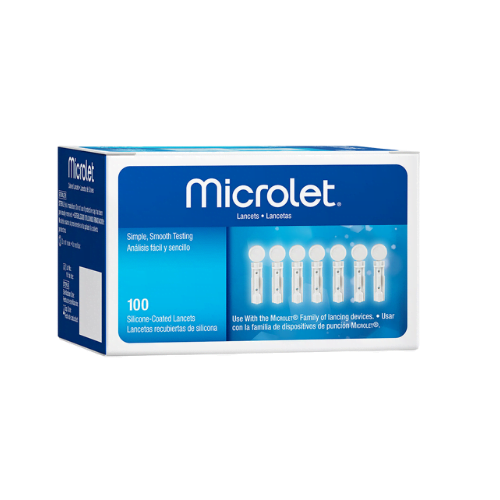
Bayer Contour Microlet Lancets
Buy Bayer Contour Microlet Lancets Online
Secure Encrypted Payments
Bayer Contour Microlet Lancets are sterile, single-use lancets for obtaining a small capillary blood sample during routine glucose monitoring. You can buy Bayer Contour Microlet Lancets online and choose the quantity and gauge shown during ordering to match your lancing device instructions and comfort needs. These colored lancets are commonly used with Microlet family lancing devices, including the Microlet Next device, for fingerstick testing at home or while traveling.
Price, Quantity, and Gauge Choices
The Bayer Microlet lancets cost depends on the box count, gauge, and current supply shown at checkout. Many people compare Microlet Next lancets price by looking at the per-lancet cost, especially if they test several times per day. Larger quantities may reduce how often you need to restock, while smaller boxes can work well when you are confirming fit with your device or trying a gauge for comfort.
Common Microlet lancet choices include thin 30 gauge lancets and standard 28 gauge lancets, depending on the specific supply available. A higher gauge number usually means a thinner needle, which some people find more comfortable. A thinner lancet still needs to produce a blood drop large enough for your glucose meter and test strip, so follow the lancing device depth setting and meter instructions.
Box counts often include 100-count supplies, and some shoppers look for 200-count Microlet lancets when they want fewer reorder points. Exact quantities can vary by stock and manufacturer packaging. If you are paying out of pocket or buying without insurance, estimate your monthly need by multiplying your daily testing frequency by the number of days until your next planned refill.
Quick tip: Keep one unopened box in reserve if daily testing is part of your care routine.
Compatibility With Microlet and Contour Testing
Bayer Contour Microlet Lancets are designed for Microlet lancing devices and are commonly paired with Contour blood glucose monitoring routines. The most important compatibility step is matching the lancet to the lancing device, not the meter alone. Contour meters read blood placed on compatible test strips; the lancet creates the small blood drop used for that test.
Microlet Next compatible lancets should be loaded, cocked, and ejected according to the Microlet Next lancing device instructions. Do not force a lancet into a device that does not accept it. If you use a Contour meter, make sure your test strips also match your meter model; many users pair lancets with Contour Next Test Strips when appropriate for their system.
The colored design helps identify lancets in a supply kit and may help some users track gauge preference or daily use. Color does not replace the gauge or compatibility information on the box. If your household has more than one person with diabetes supplies, store each person’s lancing device and lancets separately to reduce accidental sharing.
How These Lancets Work
Microlet lancets are small, sterile needles placed inside a compatible lancing device. The device controls the spring action and depth setting, then the lancet briefly punctures the skin to produce a capillary blood sample. Capillary blood is blood from the tiny vessels close to the skin surface, often collected from the side of a fingertip.
Silicone-coated lancets are intended to enter the skin smoothly. Comfort also depends on depth setting, site rotation, hand temperature, and whether the lancet is fresh. A dull or reused lancet can feel more painful and may cause more tissue irritation than a new sterile lancet.
For routine testing, wash and dry your hands before preparing the device. Insert a new lancet, remove the protective cap as directed, set the depth, and lance the side of the fingertip unless your meter and device instructions allow another site. Apply the blood drop to the test strip according to the meter manual. After testing, cap or shield the lancet if your device process requires it, then eject it into a sharps container.
Single-Use Safety and Sharps Disposal
Use one new Microlet lancet for each glucose check. A lancet should not be reused, shared, or saved for later. Reuse increases the chance of skin irritation, dull needle discomfort, and contamination. Sharing a lancing device or lancet can expose another person to bloodborne infection risk, even within a family.
Used lancets are medical sharps. Place them directly into an approved sharps container or a puncture-resistant container allowed by your local disposal rules. Do not place loose lancets into household trash, recycling bins, purses, or travel bags. Keep unused and used sharps away from children and pets.
If bleeding continues longer than expected, apply gentle pressure with clean gauze or tissue. People who take anticoagulants or antiplatelet medicines may bleed longer after a fingerstick. Contact a healthcare professional for persistent bleeding, spreading redness, warmth, drainage, swelling, or pain that does not improve.
Who These Lancets May Suit
These lancets may suit people who monitor blood glucose with a compatible Microlet lancing device and prefer colored, disposable lancets. They are commonly used by people managing diabetes who need fingerstick readings as part of a home monitoring plan. For broader condition information, visit Type 1 Diabetes or Type 2 Diabetes.
Fingerstick monitoring may be used with diet, exercise, oral medicines, injectable medicines, insulin, or other clinician-directed diabetes plans. Lancets do not treat diabetes or lower blood sugar. They help collect the blood sample that allows a glucose meter to display a reading, which can support day-to-day decisions made under your care plan.
Speak with a healthcare professional if you have fragile skin, poor circulation, neuropathy, a bleeding disorder, active skin infection, or wounds on the intended test site. Severe calluses may make sampling harder and can require a different depth setting or an alternate approved site. Do not use alternate-site testing during times when your meter instructions recommend fingertip testing, such as when blood sugar may be changing quickly.
Routine Use and Comfort Tips
Rotate fingers and puncture the side of the fingertip rather than the pad when your device instructions allow it. The side often feels less tender and can still provide a usable blood drop. Warm hands can improve blood flow; rubbing or washing hands in warm water may help before testing. Dry hands thoroughly so the sample is not diluted.
Choose the shallowest depth setting that gives an adequate sample. If the sample is too small, adjust the depth gradually rather than squeezing hard. Excessive squeezing can mix tissue fluid with the blood drop and may affect the sample. If your device allows alternate sites, read both the meter and lancing device manuals because alternate-site readings may lag behind fingertip readings when glucose changes quickly.
Some people keep a small testing kit with a meter, strips, lancing device, extra lancets, and a mini sharps container. This reduces missed checks when away from home. If you track readings digitally or in a logbook, bring those records to diabetes visits so trends can be reviewed with your clinician.
Storage, Travel, and US Delivery From Canada
Store unused lancets in their original box or a clean supply case at room temperature. Keep them dry and protected from crushing, moisture, and extreme heat. Do not use a lancet if its protective cap is damaged or if sterility may have been compromised.
For travel, carry glucose testing supplies in hand luggage when possible. Pack enough lancets for the trip plus extras in case plans change. Keep sharps disposal in mind before leaving home; a travel-size sharps container or locally accepted puncture-resistant container can prevent loose used needles from collecting in bags.
BorderFreeHealth offers US delivery from Canada for this diabetes supply, with prompt, express shipping. Plan refills around your testing frequency so you do not run out during illness, travel, or medication changes. Broader supply needs can be planned through the Diabetes Supplies category.
Glucose Testing Supplies That Work Together
A complete fingerstick setup usually includes a meter, compatible test strips, control solution when recommended by the meter manufacturer, a lancing device, lancets, and sharps disposal. Lancets and strips serve different roles. The lancet obtains the blood drop; the strip receives the blood and works with the meter to display the glucose result.
If you use a Contour meter, make sure the strip model matches the meter model. Using the wrong strip can prevent a test or produce unreliable results. If you change meters, your strip needs may change, but your Microlet lancets may still fit the same Microlet device if the device remains compatible.
People using insulin may test more often during dose adjustments, illness, travel, exercise changes, or suspected low blood sugar. Educational articles such as Different Types Of Insulin and Treat Insulin Resistance can help you prepare questions for your care team.
Side Effects, Warnings, and Precautions
Lancets can cause brief soreness, a small drop of bleeding, minor bruising, redness, or skin irritation at the puncture site. These effects are usually mild and short-lived. Rotate sites and use a new sterile lancet each time to reduce discomfort and contamination risk.
More serious problems are uncommon but require attention. Seek medical guidance if you notice spreading redness, warmth, swelling, pus, fever, persistent bleeding, numbness that changes from baseline, or unusual pain. People with reduced sensation in the feet or hands should be careful with site choice because they may not feel an injury right away.
Lancets do not interact with medicines like tablets or injections do, but medicines can affect bleeding. Blood thinners, antiplatelet drugs, and some bleeding conditions can increase bleeding time after a fingerstick. If you test very often, ask your healthcare professional about site rotation and skin care to help protect your fingertips.
Ordering and Cash-Pay Planning
You can order Microlet Next lancing device lancets online and select the quantity shown during checkout. If you test once daily, a 100-count box lasts longer than it would for someone testing multiple times each day. If your routine changes, update your refill timing so your supply matches actual use.
Cash-pay customers often compare the total box price and the per-lancet cost. Bulk purchases may help reduce the number of orders placed each year, but only buy quantities you can store cleanly and use before the packaging is damaged. Aligning lancet purchases with strips, control solution, or other diabetes supplies can also simplify supply planning.
Country-of-origin information can matter to shoppers who prefer Canadian-supplied healthcare products. You can browse products associated with Canada when that attribute helps with your purchase decision.
Comparison With Other Lancet Formats
Traditional single lancets like Microlet are loaded into a lancing device one at a time. Some competing systems use drums or cartridges that hold multiple lancets inside a device. The best choice depends on the device you already use, comfort, dexterity, disposal habits, and how often you test.
Do not switch to another lancet brand or cartridge system unless it is compatible with your lancing device. Similar-looking lancets may differ in shape, hub design, or device fit. If you want fewer individual needle changes, ask a healthcare professional or diabetes educator whether another lancing system is appropriate for your routine.
For people who manage diabetes with different monitoring schedules, category information in Type 1 Diabetes articles and Type 2 Diabetes articles can support practical discussions about glucose tracking, supplies, and daily planning.
Questions to Ask Your Healthcare Professional
- Which lancet gauge should I use for my skin and device?
- What depth setting gives enough blood with the least soreness?
- When should I use fingertip testing instead of an alternate site?
- How often should I test based on my diabetes treatment plan?
- Could my blood thinner or bleeding history affect fingerstick care?
- What sharps disposal method is accepted in my area?
- Should I change my testing routine during illness, travel, or medication changes?
Authoritative Sources
Ascensia Diabetes Care manufacturer information
Health Canada medical device guidance
FDA sharps disposal container guidance
This content is for informational purposes only and is not a substitute for professional medical advice.
Blood Glucose Unit Converter
Convert glucose readings between mg/dL and mmol/L without changing the clinical value.
mg/dL
-
US reporting unit
mmol/L
-
International reporting unit
These calculations are for education only and do not replace clinical advice, diagnosis, or treatment. Always confirm medical decisions with a qualified healthcare professional.
HbA1c & eAG Calculator
Convert between HbA1c percentage and estimated average glucose using the ADAG relationship.
HbA1c
-
percentage
eAG mg/dL
-
estimated average glucose
eAG mmol/L
-
estimated average glucose
These calculations are for education only and do not replace clinical advice, diagnosis, or treatment. Always confirm medical decisions with a qualified healthcare professional.
CGM Time-in-Range Summary
Summarise CGM percentages across very low, low, in-range, high, and very high glucose bands.
Entered total
-
should equal 100%
Below range
-
very low plus low
Above range
-
high plus very high
Summary
-
common adult CGM targets vary by patient
These calculations are for education only and do not replace clinical advice, diagnosis, or treatment. Always confirm medical decisions with a qualified healthcare professional.
Express Shipping - from $29.99
Prices:
- Dry-Packed Products $29.99
- Cold-Packed Products $39.99
Shipping Countries:
- United States (all contiguous states**)
- Worldwide (excludes some countries***)
Standard Shipping - $19.99
Shipping with this method takes 5-10 days
Prices:
- Dry-Packed Products $19.99
- Not available for Cold-Packed products
Shipping Countries:
- United States (all contiguous states**)
- Worldwide (excludes some countries***)
Which lancets are compatible with Microlet devices?
Bayer Contour Microlet Lancets are intended for Microlet family lancing devices, including the Microlet Next lancing device when the device instructions list Microlet lancets. Always match the lancet to the lancing device, and use test strips that match your glucose meter.
How many times can you use a Microlet lancet?
Use a Microlet lancet once, then dispose of it safely in a sharps container. Reusing a lancet can make the needle duller, increase discomfort, and raise contamination risk.
Why are Microlet lancets different colors?
The colored lancets help users identify and organize lancets in a testing kit. Color does not replace the gauge, sterility, or compatibility information on the package, so follow the box and lancing device instructions.
What lancets go with Contour machines?
Contour glucose meters use compatible test strips to measure blood glucose. A Microlet lancet works with a compatible Microlet lancing device to obtain the blood drop used by the meter and strip system.
Are 28G and 30G Microlet lancets different?
Yes. Gauge refers to needle thickness; a higher gauge number is generally thinner. Some people prefer thin 30G lancets for comfort, while others may need a different gauge or depth setting to obtain enough blood.
How should used Microlet lancets be disposed of?
Place used lancets directly into an approved sharps container or a puncture-resistant container accepted by your local rules. Do not throw loose lancets into household trash or recycling.
Rewards Program
Earn points on birthdays, product orders, reviews, friend referrals, and more! Enjoy your medication at unparalleled discounts while reaping rewards for every step you take with us.
You can read more about rewards here.
POINT VALUE
How to earn points
- 1Create an account and start earning.
- 2Earn points every time you shop or perform certain actions.
- 3Redeem points for exclusive discounts.
You Might Also Like
Select options
This product has multiple variants. The options may be chosen on the product page
Select options
This product has multiple variants. The options may be chosen on the product page
Select options
This product has multiple variants. The options may be chosen on the product page
Select options
This product has multiple variants. The options may be chosen on the product page