
Shipping with this method takes 3-5 days
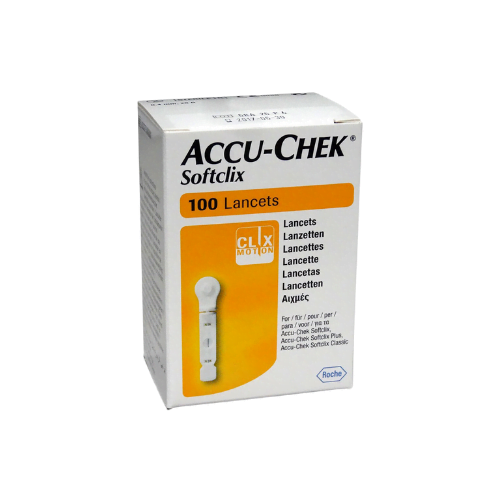
Accu-Chek Softclix Lancets
Buy Accu-Chek Softclix Lancets Online
Secure Encrypted Payments
Accu-Chek Softclix Lancets are sterile, single-use lancets made for blood glucose fingerstick sampling with the Accu-Chek Softclix lancing device. They can be bought online for routine diabetes testing, with pack quantities shown during ordering so you can choose the supply size that matches your testing routine.
These lancets help create a small capillary blood drop for use with a compatible blood glucose meter and test strip. BorderFreeHealth provides U.S.-from-Canada service for customers who need diabetes testing supplies and want clear cash-pay ordering details.
Price, Pack Size, and Ordering
Accu-Chek Softclix Lancets price can vary by pack quantity and current sourcing costs. Common consumer searches include Accu-Chek Softclix Lancets 50 count, Accu-Chek Softclix Lancets 100 count, and Accu-Chek Softclix Lancets 200 count; select the quantity shown during checkout and make sure it fits your expected testing frequency.
Lancets are often bought as recurring diabetes supplies because each fingerstick should use a fresh sterile lancet. Larger boxes may reduce how often you need to restock, while smaller boxes can be useful for travel kits, a backup meter bag, or a new device setup.
Current Canadian pricing is displayed before purchase. If you pay out of pocket or buy without insurance reimbursement, compare the quantity, per-lancet value, and how quickly you typically use supplies before choosing a box size.
Quick tip: Reorder before your last box is nearly empty, especially if you test several times daily.
Device Compatibility and Gauge
Accu-Chek Softclix Lancets are intended for the Accu-Chek Softclix lancing device. They should not be treated as universal lancets unless the device manufacturer specifically confirms fit. Matching the lancet to the correct device matters because the holder, cap, spring movement, and release mechanism are designed to work together.
The Accu-Chek Softclix system uses a spring-based lancing device to guide the lancet movement and help control puncture depth. Many customers search for Accu-Chek Softclix Lancets gauge because lancet thickness can affect comfort, but packaging and market details should be checked on the product received for the exact gauge and specifications.
If you use a different Accu-Chek device, confirm the model name before purchasing. Softclix Lancets are not the same as drum-style lancets used in FastClix systems, and switching device families usually requires different supplies.
| Decision | What to confirm |
|---|---|
| Lancing device | Use with the Accu-Chek Softclix lancing device. |
| Pack quantity | Choose the count that matches how often you test. |
| Single use | Use one sterile lancet for each fingerstick. |
| Travel supply | Keep lancets protected from crushing, moisture, and dirt. |
How These Lancets Are Used
Softclix Lancets support fingertip blood sampling for home blood glucose monitoring. Wash hands with soap and water, dry them completely, load a new lancet into the Softclix device, remove the protective cap, set the depth, prime the device, and press the release button while the device is held firmly against the side of the fingertip.
The side of the fingertip is commonly used because it can be less tender than the center pad. Warm hands can make blood flow easier. If needed, lower the hand briefly and gently shake it before lancing, but avoid squeezing hard because excess pressure may affect the sample.
Follow the instructions for your meter and test strips after obtaining the blood drop. Different meters may require different sample sizes or timing, so the lancet is only one part of an accurate testing routine.
Who Uses Them for Diabetes Testing
People living with type 1 diabetes or type 2 diabetes often use sterile lancets as part of daily glucose monitoring. Testing schedules can differ depending on insulin use, other glucose-lowering medicines, pregnancy, illness, exercise, and individualized glucose targets.
For condition background, see our information on type 1 diabetes and type 2 diabetes. These resources can help place fingerstick testing into the broader routine of glucose management, but your testing plan should come from your own care team.
Do not use lancets on infected skin, sores, swelling, or areas with poor circulation unless a clinician has specifically directed that site. People with bleeding disorders, loss of sensation in the fingers, or circulation concerns should ask for individualized guidance before relying on routine fingerstick testing.
Replacing Lancets and Reducing Finger Tenderness
Use a new Accu-Chek Softclix sterile lancet for every blood glucose check. Reusing a lancet can make the tip duller and may increase discomfort, skin irritation, and contamination risk. After use, remove and discard the lancet safely according to local sharps rules.
Rotate fingers and puncture points instead of using the same spot repeatedly. Alternating between hands, using the side of the fingertip, and choosing the shallowest depth that gives a usable sample may reduce soreness over time.
If you frequently struggle to obtain enough blood, review hand-washing, warming, depth settings, and device placement. Persistent problems may mean the depth is too shallow, the lancet is not seated correctly, or the meter strip needs a different sample size.
Storage, Travel, and US Delivery from Canada
Store unused lancets in the original box or another clean, dry container with protective caps intact. Keep them away from moisture, dust, direct sunlight, excessive heat, freezing conditions, children, and pets. Do not use a lancet if its sterile protective cap is damaged.
When traveling, pack lancets with your meter, test strips, backup batteries if needed, and a small sharps container or approved travel-safe disposal container. Keep diabetes supplies in carry-on luggage so you can test during delays and avoid temperature extremes in checked bags.
Orders may be arranged with prompt, express shipping. If you use several diabetes supplies together, the diabetes supplies category can help you browse related testing items, and the Canada origin filter may help when reviewing items sourced from Canada.
Sharps Disposal and Safety
Used lancets are sharps. Place them immediately into an FDA-cleared sharps disposal container or a heavy-duty household container with a tight-fitting, puncture-resistant lid if local rules allow. Do not place loose lancets in household trash, recycling, purses, pockets, or travel bags.
Never share lancets or lancing devices, even with family members. Blood-contact devices can transmit infection if shared. Clean the device exterior as directed by the manufacturer, and replace the lancing device if it becomes cracked, damaged, or difficult to operate.
Minor bleeding, tenderness, bruising, or skin irritation can occur after fingerstick testing. Seek medical attention if you notice spreading redness, warmth, pus, persistent pain, unusual bleeding, or signs of infection.
Medication and Health Considerations
Lancets do not have drug interactions because they are not medicines. However, blood thinners, antiplatelet medicines, bleeding disorders, or fragile skin can make a fingerstick bleed longer. Apply gentle pressure with clean gauze or tissue after sampling until bleeding stops.
People with neuropathy, reduced finger sensation, or poor circulation should be careful with depth settings and site selection. If a puncture wound heals slowly or testing becomes painful, discuss technique and alternatives with a healthcare professional.
Fingerstick testing can also identify low or high glucose readings that need action under an existing diabetes plan. If you use insulin or medicines that can cause hypoglycemia, make sure you know your care team’s instructions for treating low blood sugar.
Benefits of the Softclix System
The Softclix system is designed to provide controlled, consistent lancing when the correct lancet and device are used together. A steady puncture motion and adjustable depth can help users find a setting that provides enough blood while limiting unnecessary discomfort.
Single-use sterile lancets help maintain a cleaner testing routine. They also avoid the dullness that comes with repeated use, which can make fingersticks feel harsher and may increase local irritation.
For many people, the most practical benefit is routine reliability. Keeping the same lancet family, device, and testing setup can make daily monitoring faster and less stressful.
Related Diabetes Supplies and Alternatives
If you prefer a cartridge-style lancing system, ask whether a different Accu-Chek device family is more convenient for your routine. Softclix Lancets are designed for the Softclix device, while other systems may use drums or different lancet shapes.
People using another meter ecosystem should choose lancets that match their lancing device rather than their glucose meter brand alone. Device fit is the key detail because the lancet must load, lock, fire, and eject correctly.
For broader diabetes reading, our type 1 diabetes articles and type 2 diabetes articles cover practical topics that may affect testing routines, medicine use, meals, and monitoring conversations.
Questions to Ask Your Healthcare Professional
- Is my lancing device the Accu-Chek Softclix model?
- What depth setting should I start with for my skin?
- How often should I test my blood glucose?
- Should I use fingertip testing only, or are alternate sites appropriate?
- What should I do if my reading does not match how I feel?
- How should I handle bleeding if I take blood thinners?
Authoritative Sources
The following sources provide manufacturer and public-health information about lancing devices, medical devices, and sharps safety.
This content is for informational purposes only and is not a substitute for professional medical advice.
Blood Glucose Unit Converter
Convert glucose readings between mg/dL and mmol/L without changing the clinical value.
mg/dL
-
US reporting unit
mmol/L
-
International reporting unit
These calculations are for education only and do not replace clinical advice, diagnosis, or treatment. Always confirm medical decisions with a qualified healthcare professional.
HbA1c & eAG Calculator
Convert between HbA1c percentage and estimated average glucose using the ADAG relationship.
HbA1c
-
percentage
eAG mg/dL
-
estimated average glucose
eAG mmol/L
-
estimated average glucose
These calculations are for education only and do not replace clinical advice, diagnosis, or treatment. Always confirm medical decisions with a qualified healthcare professional.
CGM Time-in-Range Summary
Summarise CGM percentages across very low, low, in-range, high, and very high glucose bands.
Entered total
-
should equal 100%
Below range
-
very low plus low
Above range
-
high plus very high
Summary
-
common adult CGM targets vary by patient
These calculations are for education only and do not replace clinical advice, diagnosis, or treatment. Always confirm medical decisions with a qualified healthcare professional.
Express Shipping - from $29.99
Prices:
- Dry-Packed Products $29.99
- Cold-Packed Products $39.99
Shipping Countries:
- United States (all contiguous states**)
- Worldwide (excludes some countries***)
Standard Shipping - $19.99
Shipping with this method takes 5-10 days
Prices:
- Dry-Packed Products $19.99
- Not available for Cold-Packed products
Shipping Countries:
- United States (all contiguous states**)
- Worldwide (excludes some countries***)
What lancets work with Accu-Chek Softclix?
Accu-Chek Softclix Lancets are made for the Accu-Chek Softclix lancing device. Do not assume they fit other Accu-Chek devices or universal lancing devices unless the manufacturer confirms compatibility.
How do you use Accu-Chek Softclix Lancets?
Load one sterile lancet into the Softclix device, remove the protective cap, choose a depth setting, prime the device, place it firmly against the side of the fingertip, and press the release button. Then apply the blood drop to the meter strip as directed by your meter instructions.
How often should Accu-Chek Softclix Lancets be replaced?
Use a new sterile lancet for every fingerstick. Reusing lancets can dull the tip and may increase discomfort, contamination risk, and skin irritation.
Can Accu-Chek Softclix Lancets be used with any meter?
Lancet compatibility depends on the lancing device, not only the glucose meter. These lancets are intended for the Accu-Chek Softclix lancing device, while the blood sample can then be used with a compatible meter and test strip according to that meter’s instructions.
What side effects can fingerstick lancets cause?
Common effects include brief tenderness, minor bleeding, bruising, or irritation at the puncture site. Contact a healthcare professional if bleeding persists, pain worsens, or you see spreading redness, warmth, swelling, or pus.
How should used Softclix Lancets be disposed of?
Place used lancets into an FDA-cleared sharps container or an approved puncture-resistant household container if local rules allow. Do not put loose lancets into trash, recycling, pockets, purses, or travel bags.
Rewards Program
Earn points on birthdays, product orders, reviews, friend referrals, and more! Enjoy your medication at unparalleled discounts while reaping rewards for every step you take with us.
You can read more about rewards here.
POINT VALUE
How to earn points
- 1Create an account and start earning.
- 2Earn points every time you shop or perform certain actions.
- 3Redeem points for exclusive discounts.
You Might Also Like
Select options
This product has multiple variants. The options may be chosen on the product page
Select options
This product has multiple variants. The options may be chosen on the product page
Select options
This product has multiple variants. The options may be chosen on the product page
Select options
This product has multiple variants. The options may be chosen on the product page