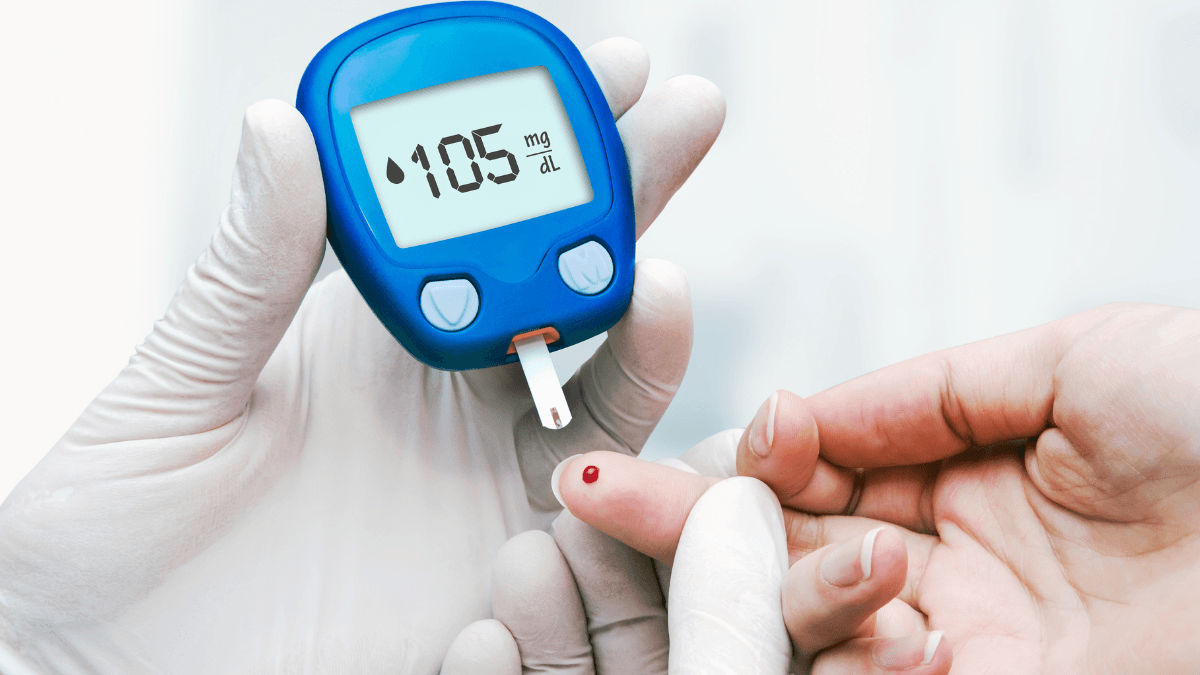
The main types of diabetes are type 1, type 2, gestational diabetes, and prediabetes, with several less common forms that need different testing and care. The label matters because it helps clinicians choose safer monitoring, decide whether insulin or other medicines may be needed, and plan follow-up over time.
Diabetes mellitus is a group of conditions where blood glucose runs higher than expected. Glucose is the body’s main fuel. Insulin helps move glucose from the bloodstream into cells. When insulin is missing, not working well, or both, glucose can build up in the blood.
Key Takeaways
- Main categories differ by cause, timing, and treatment needs.
- Type 1 often involves autoimmune loss of insulin-producing cells.
- Type 2 often develops from insulin resistance and gradual beta-cell strain.
- Gestational diabetes starts during pregnancy and needs postpartum follow-up.
- Diabetes insipidus is a water-balance disorder, not blood sugar diabetes.
Hearing new terms can feel overwhelming. It helps to know that diabetes labels are tools, not judgments. They explain why two people with high glucose may need different tests, different medicines, and different safety plans.
For broader browsing by topic, the Diabetes Posts collection can help you find related educational reading.
How Many Types of Diabetes Are There?
Most clinicians start with three common categories: type 1 diabetes, type 2 diabetes, and gestational diabetes. Prediabetes is often discussed with them because it signals a higher-risk stage before diabetes-range glucose.
There are also rare types of diabetes. These include monogenic diabetes, maturity-onset diabetes of the young (MODY), latent autoimmune diabetes in adults (LADA), and diabetes related to pancreatic disease, hormone disorders, or medicines such as long-term steroids. This is why you may see different answers to questions like “what are the 3 types,” “4 types,” or “7 types” of diabetes.
The practical answer is this: the main everyday categories are type 1, type 2, gestational diabetes, and prediabetes, while rare forms are considered when the story does not fit. A strong family pattern, diagnosis at a young age, unexpected weight loss, pregnancy history, pancreatic disease, or unusual lab results can all shift the evaluation.
Why it matters: A more accurate category can change monitoring, medication choices, and follow-up.
Type 1 Diabetes: Autoimmune Loss of Insulin Production
Type 1 diabetes usually happens when the immune system attacks beta cells, the insulin-producing cells in the pancreas. As those cells stop working, the body cannot make enough insulin to keep glucose in range.
Symptoms can appear quickly, especially in children or younger adults, but type 1 can occur at many ages. Common warning signs include frequent urination, strong thirst, unintended weight loss, hunger, fatigue, and blurred vision. Some people also have nausea or belly pain when ketones build up.
Ketones are acids made when the body breaks down fat for fuel. In type 1 diabetes, ketones can rise to dangerous levels if insulin is very low. Vomiting, deep or rapid breathing, confusion, severe sleepiness, or fruity-smelling breath can signal diabetic ketoacidosis, which needs urgent medical care.
Testing may include blood glucose, A1C, urine or blood ketones, diabetes autoantibodies, and C-peptide. C-peptide helps estimate how much insulin the pancreas is still making. If you want a focused symptom review, see Type 1 Diabetes Symptoms.
Treatment often includes insulin, glucose monitoring, education on low blood sugar, and sick-day planning. The exact plan is individualized. People using insulin should know what symptoms should prompt urgent help and how their care team wants them to handle ketones.
Type 2 Diabetes: Insulin Resistance and Gradual Change
Type 2 diabetes usually develops when the body becomes resistant to insulin and the pancreas cannot keep up over time. Early on, the pancreas may make extra insulin. Later, insulin production may decline.
This is the most common form of diabetes mellitus. It can run in families and is influenced by age, genetics, sleep, activity patterns, weight changes, certain medicines, and other health conditions. It is not a simple willpower problem.
Type 2 diabetes symptoms can be subtle. Some people feel well and only learn about it through routine labs. Others notice increased thirst, frequent urination, fatigue, blurry vision, slow-healing cuts, recurrent infections, or numbness and tingling in the feet. For more detail, read Type 2 Diabetes Symptoms.
Type 2 diabetes treatment often combines nutrition support, sustainable movement, sleep and stress work, and medication when needed. Medication choices may consider kidney function, heart health, weight-related goals, cost, side effects, pregnancy plans, and low blood sugar risk. A clinician may also recommend blood pressure, cholesterol, kidney, eye, and foot checks.
If you are comparing type 1 and type 2, the difference is not only age or body size. Type 1 centers on severe insulin deficiency from autoimmune beta-cell loss. Type 2 centers on insulin resistance and gradual beta-cell strain, though some people eventually need insulin. A side-by-side review is available at Type 1 vs Type 2 Diabetes.
Prediabetes: A Warning Stage Before Diabetes-Range Glucose
Prediabetes means glucose is higher than normal but not high enough for a diabetes diagnosis. It is a risk signal, not a personal failure.
This stage often reflects insulin resistance plus genetic and lifestyle factors. Many people have no symptoms. Others may notice vague fatigue, more thirst than usual, or lab changes found during routine screening. Because symptoms are often absent, testing matters.
Care teams may discuss nutrition patterns, movement that fits your body, sleep, stress, and sometimes medication based on overall risk. The goal is to lower future risk and catch changes early. If you want to compare early clues, Prediabetes Symptoms and Signs explains patterns worth raising at a checkup.
Quick tip: Ask which test was used and whether repeat testing is planned.
Gestational Diabetes: High Blood Sugar During Pregnancy
Gestational diabetes is high blood sugar first recognized during pregnancy. Placental hormones can make the body more insulin resistant, especially later in pregnancy.
Many people do not feel symptoms, so routine pregnancy screening is important. Management may include nutrition counseling, home glucose checks, physical activity when appropriate, and medication if glucose remains above the target range set by the pregnancy care team.
Follow-up after delivery matters. Blood glucose often improves after birth, but future risk of type 2 diabetes can remain higher. Postpartum testing helps show whether glucose has returned to normal, stayed in the prediabetes range, or reached the diabetes range. For a deeper pregnancy-focused overview, see What Is Gestational Diabetes.
Anyone with prior gestational diabetes should tell future clinicians. Earlier screening may be recommended in later pregnancies, depending on personal history.
Rare Types: LADA, MODY, Monogenic Diabetes, and Secondary Causes
Some people do not fit neatly into type 1 or type 2 diabetes. In those cases, clinicians may look for rare types of diabetes or diabetes caused by another condition.
LADA, or latent autoimmune diabetes in adults, is a slower autoimmune form. It can look like type 2 diabetes at first because it appears in adulthood and may not require insulin right away. Antibody testing can suggest an autoimmune pattern, and C-peptide can help show insulin production over time.
MODY diabetes is one type of monogenic diabetes, meaning it is linked to a change in a single gene. It may appear at younger ages and can run strongly through several generations. Genetic testing may be considered when the pattern suggests it, but testing decisions belong with a qualified clinician or genetics professional.
Secondary diabetes can occur when another issue affects glucose regulation. Examples include pancreatic disease, some hormone disorders, and certain medicines. This category is important because treating the underlying condition, when possible, may affect glucose management.
If your diagnosis feels unclear, it is reasonable to ask what evidence supports the label. Useful clues can include age at diagnosis, body weight changes, family history, pregnancy history, antibody results, C-peptide, medication response, and whether ketones have occurred.
Diabetes Insipidus vs Mellitus: Similar Name, Different Problem
Diabetes insipidus is not type 1 or type 2 diabetes. It is a water-balance disorder that can cause intense thirst and large amounts of dilute urine.
Diabetes mellitus involves blood glucose. Diabetes insipidus involves vasopressin, also called antidiuretic hormone, or the kidney’s response to that hormone. Vasopressin helps the kidneys conserve water. When the signal is too low, or the kidneys do not respond to it, the body may lose too much water through urine.
Central diabetes insipidus usually involves too little vasopressin. Nephrogenic diabetes insipidus means the kidneys do not respond properly to vasopressin. Other forms can relate to pregnancy or excess fluid intake patterns. Testing and treatment differ from glucose-related diabetes.
Symptoms of diabetes insipidus can overlap with diabetes mellitus because both may cause thirst and frequent urination. The difference is the cause. Clinicians may use urine concentration tests, blood sodium and osmolality, fluid history, medication review, and supervised testing when needed. Do not try to restrict fluids without medical guidance, especially if symptoms are severe.
Symptoms That Deserve Attention
Diabetes symptoms vary by type, speed of onset, and glucose level. Some signs develop slowly, while others can become urgent.
- Frequent urination: Glucose or water-balance issues can increase urine output.
- Strong thirst: Fluid loss can make thirst feel hard to satisfy.
- Unplanned weight loss: This can occur when insulin is very low.
- Fatigue: Cells may not be using fuel efficiently.
- Blurred vision: Changing glucose can affect eye fluid balance.
- Slow healing: High glucose can affect tissue repair and infection risk.
Some early signs of diabetes in women may include recurrent yeast infections, urinary symptoms, fatigue, or changes noticed during pregnancy screening. These signs are not specific to diabetes, so testing is needed before drawing conclusions.
Seek urgent medical care for vomiting, confusion, severe weakness, deep or rapid breathing, fainting, signs of dehydration, or very high glucose with ketones if you have been told to check them. People who are pregnant, children with symptoms, and anyone using insulin should be especially cautious about rapid changes.
Testing and Monitoring Across Diabetes Types
Clinicians diagnose and classify diabetes by combining symptoms, lab results, history, and sometimes specialized tests. One number rarely tells the whole story.
Common tests include A1C, fasting plasma glucose, random plasma glucose when symptoms are present, and an oral glucose tolerance test. A1C reflects average glucose over about three months. Fasting glucose shows the level after not eating for a set period. The oral glucose tolerance test shows how the body handles a measured glucose drink.
Some situations need additional testing. Autoantibodies can help identify autoimmune diabetes. C-peptide can help estimate insulin production. Pregnancy screening uses specific glucose challenge or tolerance testing. Suspected monogenic diabetes may involve genetic evaluation.
The calculator below can help convert A1C and estimated average glucose for general discussion. It does not diagnose diabetes or replace clinical interpretation.
HbA1c & eAG Calculator
Convert between HbA1c percentage and estimated average glucose using the ADAG relationship.
These calculations are for education only and do not replace clinical advice, diagnosis, or treatment. Always confirm medical decisions with a qualified healthcare professional.
Day-to-day monitoring depends on the diabetes type and treatment plan. Some people use fingerstick checks. Others use a continuous glucose monitor. Care teams may also track blood pressure, cholesterol, kidney function, urine albumin, eye health, and foot sensation because diabetes can affect more than glucose.
BorderFreeHealth may list diabetes-related medicines through licensed Canadian partner pharmacy options for eligible U.S. patients, but treatment choices should come from your prescriber. For condition-based browsing, you can view the Type 2 Diabetes collection or the Type 1 Diabetes collection.
Questions to Bring to a Diabetes Appointment
A short question list can make appointments easier. It also helps you understand whether the current label is firm or still being refined.
- Diagnosis evidence: Which results support this diabetes type?
- Repeat testing: Should any labs be confirmed later?
- Ketone plan: Do I need ketone testing during illness?
- Medication risks: Which treatments can cause low blood sugar?
- Pregnancy history: Does past gestational diabetes change screening?
- Follow-up checks: Which eye, kidney, foot, or heart tests apply?
If you track symptoms between visits, write down timing, meals, activity, stress, sleep, new medicines, and glucose readings if you have them. Patterns often matter more than one isolated value.
Authoritative Sources
For public health definitions and broad category information, see the CDC diabetes basics page.
For diagnostic criteria and testing context, review the American Diabetes Association diagnosis information.
For symptoms and causes across diabetes categories, the NIDDK symptoms and causes resource offers a careful medical overview.
Putting the Pieces Together
The types of diabetes are best understood as patterns that guide care. Type 1 usually involves autoimmune insulin loss. Type 2 usually involves insulin resistance and gradual pancreatic strain. Gestational diabetes begins during pregnancy, and prediabetes signals increased future risk.
Rare forms matter when the usual explanation does not fit. Diabetes insipidus also matters because it shares a name but affects water balance rather than blood glucose. If your diagnosis feels uncertain, ask what tests support it, what symptoms should prompt help, and what follow-up is planned.
This content is for informational purposes only and is not a substitute for professional medical advice.