
Please note: a valid prescription is required for all prescription medication.
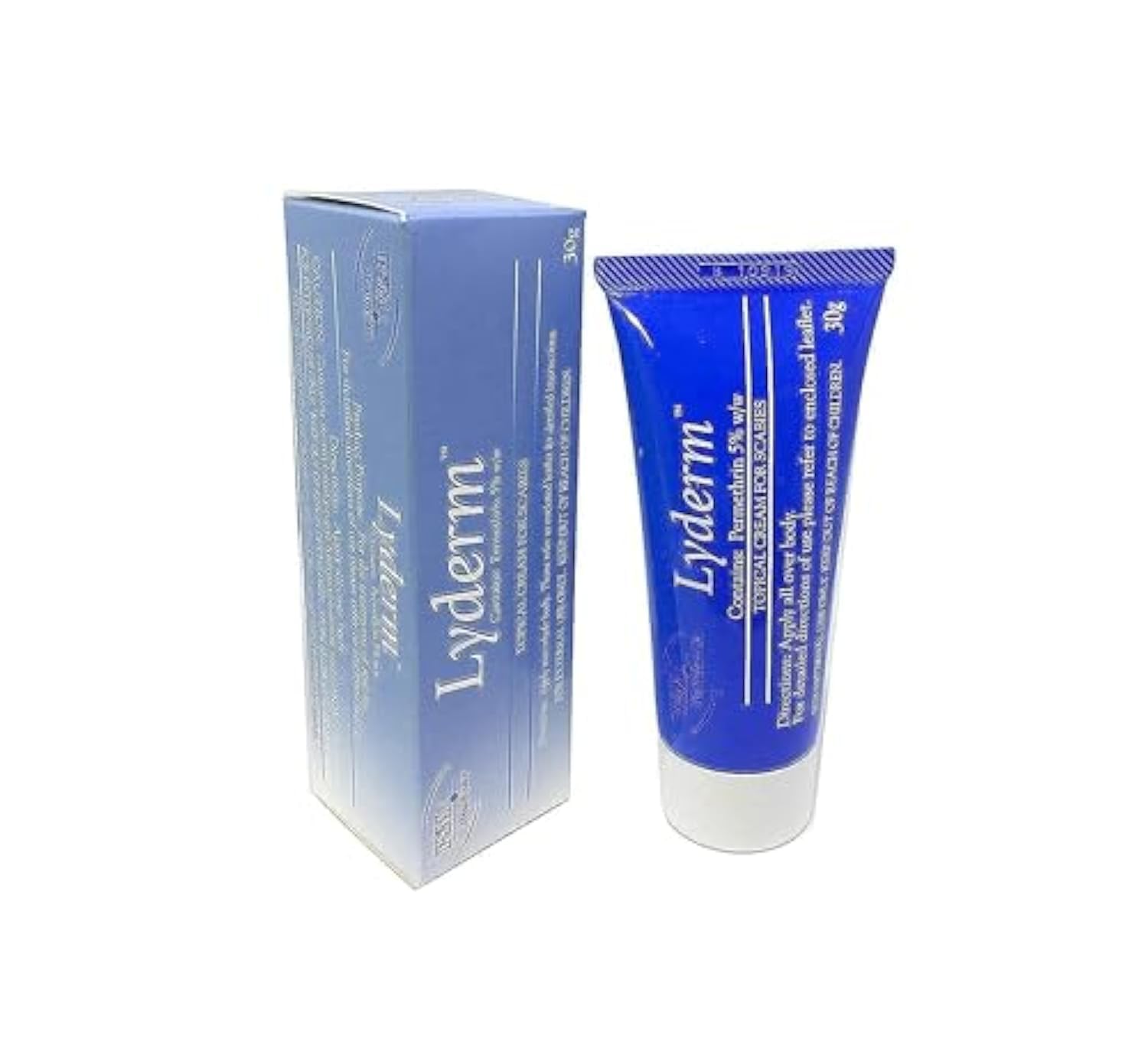
Lyderm Gel
Buy Lyderm Gel Online
Secure Encrypted Payments
Lyderm Gel is a fluocinonide topical gel 0.05% used on the skin to calm inflammation, itching, and redness from certain steroid-responsive conditions. You can buy Lyderm Gel online, view the current price during ordering, and choose the product strength shown so it matches the directions from your clinician. This high-potency corticosteroid gel is intended for careful, short-term use on appropriate body areas, not as a daily moisturizer or a treatment for every rash.
Fluocinonide is a topical corticosteroid, meaning it reduces local immune-driven inflammation in the skin. A gel vehicle can feel lighter than some creams or ointments, which may make it practical for certain plaques, patches, or hairy areas. Because the medicine is potent, the diagnosis, treatment site, and duration matter as much as the product name.
Price, Strength, and Ordering Lyderm Gel
When ordering Lyderm Gel, use the strength and quantity shown during checkout and match them to the instructions you have been given. The product on this medicine profile refers to LYDERM 0.05% gel, also described as lyderm fluocinonide gel 0.05 or fluocinonide topical gel 0.05. Current cost can vary by supply, pharmacy processing, and the quantity selected, so the ordering step is the most reliable place to see the active price.
BorderFreeHealth works with licensed Canadian pharmacy channels for U.S. customers using a U.S.-from-Canada service model. Order details may be reviewed before the medicine is released, especially when directions need clarification for a potent topical steroid. Keep the product name, strength, body area, and treatment duration aligned with the clinical plan so the gel is used safely.
Before adding the medicine to a routine, identify the rash location, how long it has been present, and whether it has signs of infection. Crusting, pus, warmth, spreading redness, fever, or significant pain may point to a problem that needs a different approach. Strong topical steroids can make some infections look less obvious while the underlying condition worsens.
- Choose the Lyderm Gel strength shown during ordering
- Match use to clinician directions
- Use only on affected skin areas
- Avoid routine use on delicate skin
- Ask for reassessment if the rash looks infected
What Lyderm Gel Treats
Lyderm Gel is used for inflammatory skin conditions that respond to topical corticosteroids. These can include selected cases of eczema, dermatitis, allergic skin reactions, and psoriasis when a clinician has identified steroid-responsive inflammation. It may help reduce itching, redness, swelling, and thickened plaques, but it does not treat the cause of every skin eruption.
The gel is not intended for acne, rosacea, perioral dermatitis, or untreated fungal, viral, or bacterial infections. Those conditions can worsen when a strong steroid is applied without the right diagnosis. If the concern is facial breakouts or an acne-like eruption, the article What Is Acne can help frame the difference between acne pathways and steroid-responsive inflammation.
Body site is a major decision point. Thicker plaques on elbows, knees, or similar areas are different from a rash on the face, groin, underarms, around the mouth, or near the eyes. Thin skin absorbs steroid medicine more easily, increasing the chance of side effects such as skin thinning, irritation, color change, or visible tiny blood vessels.
Why it matters: A high-potency corticosteroid can be very useful when the diagnosis fits, but it can be the wrong tool for infection, acne, or delicate skin areas.
How to Apply the Gel Safely
The directions on your medicine label should determine how often Lyderm Gel is applied and how long the course lasts. High-potency topical corticosteroids are generally used for limited treatment periods rather than open-ended daily maintenance, especially when the area is thin, irritated, or covered. Applying more gel than directed does not make it work faster and can increase absorption.
A thin film is usually enough to cover the affected area. Clean and dry the skin first, then apply the gel only where treatment is intended. Wash your hands afterward unless the hands are the treated area. Keep the medicine away from eyes, mouth, and mucous membranes unless a clinician has given specific instructions for that body site.
- Clean and dry the affected skin
- Apply a thin layer of gel
- Limit use to the treated area
- Wash hands after application
- Do not cover tightly unless directed
- Keep the gel out of eyes and mouth
Do not use airtight bandages, plastic wrap, tight dressings, or adhesive coverings over Lyderm Gel unless directed. Occlusion can increase how much steroid passes through the skin. The same caution applies to large body areas, broken skin, and areas where skin folds hold heat and moisture.
If you miss an application, return to the usual schedule unless your label gives different instructions. Do not double the amount to make up for a missed use. If symptoms do not improve, return quickly after stopping, or flare repeatedly, the skin condition may need a fresh diagnosis or a different treatment class.
Strengths, Forms, and Vehicle Differences
Lyderm Gel on this medicine profile refers to fluocinonide topical gel 0.05%. Fluocinonide is the active ingredient, and 0.05% is the concentration. The gel base may dry faster and feel less greasy than some ointments, which can matter when the treated area is hairy, warm, or difficult to cover with a heavier product.
Other Lyderm or fluocinonide products may be available as creams, ointments, or solutions in some markets. Those forms should not be swapped casually, even when the active ingredient and concentration look familiar. A vehicle can change comfort, spreadability, occlusion, and how practical a medicine is for a specific body site.
| Feature | What to know |
|---|---|
| Active ingredient | Fluocinonide |
| Strength | 0.05% |
| Form | Topical gel for skin use |
| Drug class | High-potency topical corticosteroid |
| Common use context | Steroid-responsive inflammatory skin conditions |
A gel may suit one flare while an ointment may be more practical for another. If your skin is very dry, cracked, or scaly, the vehicle choice may influence comfort. For customers who need an adjacent form, Lyderm Ointment provides a related product path to discuss with a clinician.
Side Effects, Warnings, and Monitoring
Common local side effects can include burning, stinging, dryness, itching, irritation, or increased sensitivity at the application site. Some people notice acne-like bumps, folliculitis, or worsening irritation when a potent steroid is used on the wrong rash or layered with harsh skin products. Stop using extra cosmetic actives on the same area unless your clinician has said they are compatible.
Longer use, large treatment areas, broken skin, occlusion, and delicate body sites can raise the risk of steroid-related skin changes. These may include thinning, stretch marks, easy bruising, color changes, visible small blood vessels, or delayed healing. Children may absorb more medicine through the skin relative to body size, so pediatric use requires particular care.
Seek medical help promptly if the treated area becomes more painful, swollen, hot, weepy, crusted, or filled with pus. Fever, rapidly spreading redness, blisters, or severe tenderness may suggest infection or another condition that needs direct care. Eye exposure should be avoided because steroid medicines near the eyes may be risky for some people, especially those with glaucoma or cataract concerns.
- Stinging or dryness can occur
- Overuse may thin or mark skin
- Infection signs need prompt attention
- Delicate areas absorb more medicine
- Children require extra caution
Systemic effects are uncommon with appropriate topical use, but risk increases when potent steroids are used too broadly or too long. People with diabetes, fragile skin, frequent infections, glaucoma, cataracts, or a history of steroid side effects should be especially careful about the treatment plan. If a new rash appears after starting the gel, contact allergy, irritation, or a misdiagnosed condition may need to be considered.
Interactions With Other Skin Products
Lyderm Gel does not have the same interaction pattern as many oral medicines, but topical combinations can still matter. Retinoids, benzoyl peroxide, exfoliating acids, alcohol-heavy toners, fragranced products, and medicated washes may increase burning or irritation when used on the same area. A simpler routine often makes it easier to judge whether the steroid is helping or harming.
Using more than one topical steroid on overlapping areas can increase cumulative exposure. That includes combination products, leftover creams, medicated scalp solutions, or ointments used without realizing they contain a corticosteroid. Keep all active skin medicines separated and labeled clearly, especially if several people in the household use topical treatments.
Retinoids and corticosteroids have very different purposes. Retinoids are commonly used for acne or photoaging concerns, while Lyderm Gel is aimed at steroid-responsive inflammation. The Differin Use Guide and Renova Cream Guide explain how retinoid irritation differs from the risks of steroid overuse.
If an antifungal, antibiotic, or antiviral treatment is needed, simply adding more steroid can delay the right care. Tell your clinician about recent medicated washes, acne treatments, antifungal creams, eczema products, and any steroid used in the last few weeks. That history helps reduce duplicated therapy and unexpected irritation.
Storage and Travel
Store Lyderm Gel at normal room temperature unless the package or pharmacy label gives different instructions. Keep the cap closed, leave the tube in its original container, and protect it from excessive heat. Do not leave topical medicines in a parked car, near a heater, or in direct sunlight for long periods.
For travel, keep the gel with its label so the product name and directions remain easy to identify. A sealed bag can help prevent leaks and keep the tube separate from cosmetics, retinoids, acne acids, or fragranced lotions. US delivery from Canada may include prompt, express shipping, but storage responsibility continues once the medicine is received.
Do not share Lyderm Gel, even if another person has a similar-looking rash. Skin conditions can look alike while requiring different treatment. Using a potent steroid on an undiagnosed infection, facial rash, or acne-like eruption can make the problem harder to recognize.
Quick tip: If the gel separates, changes color, smells unusual, or is past its expiry date, ask a pharmacist before using it.
Related Skin Treatment Choices
Choosing the right skin treatment depends on diagnosis, body area, potency, and vehicle. Stronger is not automatically better. A mild steroid may be safer for a small flare or thin skin, while a non-steroid medicine may be needed when the condition is rosacea, acne, infection, or another non-steroid-responsive problem.
Lyderm Gel may be considered when a high-potency corticosteroid gel fits the clinical plan. Ointment forms may feel more occlusive and can be useful for some dry, thick plaques, while gels may feel lighter. Broad browsing in Dermatology Products can help you see how topical medicines differ by form and purpose.
| Option type | How it differs | Why the distinction matters |
|---|---|---|
| Lyderm Gel | Fluocinonide 0.05% in a gel vehicle | May suit steroid-responsive inflammation where a lighter base is preferred |
| Lyderm Ointment | Related fluocinonide product in an ointment vehicle | May feel heavier and more occlusive on dry or thick areas |
| Milder corticosteroids | Lower anti-inflammatory potency | Often considered when thin skin or small flares make high potency excessive |
| Non-steroid treatments | Different active ingredients and goals | May be needed for acne, rosacea, infection, or steroid-sensitive areas |
Educational dermatology content can support better questions at your next appointment, but it should not replace a diagnosis. The Dermatology Articles section covers broader skin-treatment topics that may help you understand why one rash receives a steroid while another does not.
Authoritative Sources
For approved Canadian labeling details, see the LYDERM product monograph.
For general fluocinonide safety information, review Mayo Clinic’s fluocinonide topical overview.
For manufacturer formulation details, consult Taro’s official LYDERM Gel information.
This content is for informational purposes only and is not a substitute for professional medical advice.
Express Shipping - from $29.99
Shipping with this method takes 3-5 days
Prices:
- Dry-Packed Products $29.99
- Cold-Packed Products $39.99
Shipping Countries:
- United States (all contiguous states**)
- Worldwide (excludes some countries***)
Standard Shipping - $19.99
Shipping with this method takes 5-10 days
Prices:
- Dry-Packed Products $19.99
- Not available for Cold-Packed products
Shipping Countries:
- United States (all contiguous states**)
- Worldwide (excludes some countries***)
What is Lyderm Gel used for?
Lyderm Gel is a fluocinonide topical gel 0.05% used for certain inflammatory, steroid-responsive skin conditions such as selected eczema, dermatitis, allergic eruptions, and psoriasis. It is not meant for every red or itchy rash, especially if infection, acne, rosacea, or perioral dermatitis is possible.
How should Lyderm Gel be applied?
Follow the directions on your medicine label. In general, a thin layer is applied only to the affected skin, hands are washed afterward, and the gel is kept away from eyes, mouth, and mucous membranes. Do not cover the area tightly unless directed.
Can Lyderm Gel be used on the face or mouth?
High-potency topical steroids need extra caution on the face and should not be used inside the mouth unless a clinician has specifically directed it. Facial rashes, acne-like eruptions, rosacea, and mouth-area rashes may worsen with strong steroid use.
What side effects can Lyderm Gel cause?
Common effects may include burning, stinging, dryness, itching, or irritation. Longer or excessive use can increase the risk of skin thinning, stretch marks, color changes, easy bruising, acne-like bumps, or folliculitis, especially on delicate skin or under tight coverings.
Is Lyderm Gel the same as Lyderm Ointment or Lyderm Cream?
They may share fluocinonide as an active ingredient in some markets, but the vehicle differs. Gel, cream, and ointment forms can feel different and may suit different body areas. Do not switch forms without ensuring the strength and directions match the treatment plan.
What should I do if the rash worsens while using Lyderm Gel?
Stop using extra applications and seek medical advice if redness spreads, pain increases, pus appears, the area becomes hot or crusted, blisters develop, or fever occurs. These signs can suggest infection or a condition that needs a different treatment.
Rewards Program
Earn points on birthdays, product orders, reviews, friend referrals, and more! Enjoy your medication at unparalleled discounts while reaping rewards for every step you take with us.
You can read more about rewards here.
POINT VALUE
How to earn points
- 1Create an account and start earning.
- 2Earn points every time you shop or perform certain actions.
- 3Redeem points for exclusive discounts.
You Might Also Like
Select options
This product has multiple variants. The options may be chosen on the product page
Select options
This product has multiple variants. The options may be chosen on the product page
Select options
This product has multiple variants. The options may be chosen on the product page
Select options
This product has multiple variants. The options may be chosen on the product page