
Please note: a valid prescription is required for all prescription medication.
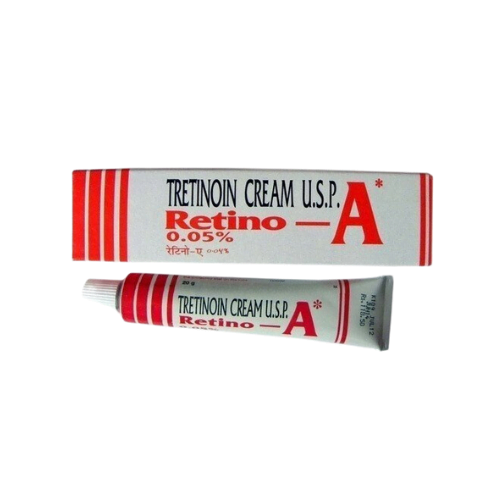
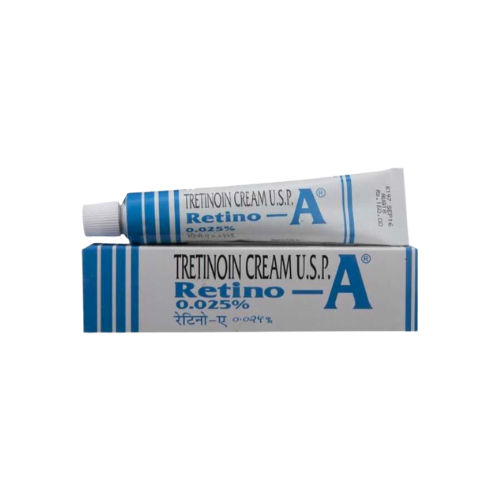
Retino-A Cream
Buy Retino-A Cream Online
Secure Encrypted Payments
Retino-A Cream is a topical tretinoin medicine used on the skin for acne and related texture concerns. It can be bought online through BorderFreeHealth, with current pricing shown during ordering and available strengths selected to match the directions from your healthcare professional. Retino-A Cream from Canada may be a practical cash-pay choice for people comparing tretinoin cream without insurance.
The active ingredient, tretinoin, is a vitamin A derivative known as a topical retinoid. Retinoids help normalize skin-cell turnover, which can reduce clogged pores and support a smoother-looking surface over time. Because tretinoin can irritate sensitive skin, the strength, frequency, and supporting skincare routine matter as much as the tube you choose.
Price, Strength, and Ordering Details
Retino-A Cream price can vary by strength, tube size, manufacturer, and current pharmacy supply. During ordering, choose the Retino-A Cream strength shown for the product and match it to the directions you have been given. The commonly referenced Retino-A Cream strengths are 0.025% and 0.05%, and current content notes 20 g tubes for this cream.
Many customers compare Retino-A 0.025 Cream with Retino-A 0.05 Cream because the strength affects tolerability. A lower strength may be easier to introduce for sensitive or retinoid-new skin, while a higher strength may be selected when a clinician wants a stronger topical retinoid effect. Do not switch strengths or increase application frequency simply to chase faster results, because irritation can interrupt consistent use.
BorderFreeHealth lists Canadian pricing so you can evaluate the cash price before completing an order. If you are self-pay, comparing Retino-A Cream without insurance with other dermatology treatments can help you plan refills and avoid gaps in use. US delivery from Canada is available through the service, and orders are handled through licensed pharmacy channels.
Quick tip: Check the tube strength, quantity, and application directions together before you start a new refill.
What Retino-A Cream Treats
Retino-A Cream is used for acne, especially comedonal acne, which includes clogged pores, blackheads, and whiteheads. Tretinoin helps keep dead skin cells from collecting inside follicles, where oil and skin debris can form plugs. For background on breakouts and treatment planning, the acne condition section explains common acne patterns and care considerations.
Adults may also use topical tretinoin as part of a clinician-directed routine for rough texture, uneven tone, and photoaging concerns. Photoaging means visible skin changes linked to long-term sun exposure, such as roughness and fine lines. If texture and sun damage are part of your goals, related topics such as photoaging and wrinkles can help frame a discussion about realistic expectations.
Retino-A Cream is not a spot treatment for a single pimple. It is usually applied as a very thin layer over the affected area so new clogged pores are less likely to form. This preventive style of use is why tretinoin often becomes part of a steady nighttime routine rather than an occasional rescue product.
How Tretinoin Works on the Skin
Tretinoin acts in the skin by promoting epidermal turnover, meaning old surface cells shed more regularly while newer cells move upward. In acne-prone follicles, that action helps reduce microcomedones, the tiny blocked pores that can later become visible pimples. Over time, smoother shedding may also soften the look of rough texture.
The effect is gradual. Early use often brings dryness, peeling, mild redness, or a tight feeling before the skin settles into the routine. These effects do not always mean the medicine is failing; they often reflect the adjustment period that comes with topical retinoids.
Moisturizer and sunscreen are not optional extras with tretinoin. A bland moisturizer can reduce dryness and help you stay consistent, while daily broad-spectrum sunscreen helps protect skin that may become more sun-sensitive. Avoid abrasive scrubs, harsh toners, and frequent exfoliating acids unless a healthcare professional specifically includes them in your plan.
How to Use the Cream Safely
Follow the label and the directions given for your skin. A common approach is to cleanse gently, pat the skin dry, wait until the face is fully dry if irritation is a concern, and apply a pea-sized amount in a thin film over the affected area at night. Avoid the eyes, eyelids, lips, nostrils, corners of the nose, and other mucous membranes.
Some people begin several nights per week and increase only as tolerated. Others may be told to use it nightly from the start. The right schedule depends on skin sensitivity, acne severity, other products in the routine, and the strength selected during ordering. More cream does not mean faster improvement; it usually means more peeling, burning, or redness.
If your skin is very sensitive, consider a gentle routine built around a mild cleanser, fragrance-free moisturizer, and morning sunscreen. The dermatology category can help you browse related skin-care treatments, while the dermatology articles offer broader education on skin conditions and treatment habits.
| Use question | Practical answer |
|---|---|
| When is it usually applied? | At night, unless your healthcare professional gives different directions. |
| How much is commonly used? | A pea-sized amount spread thinly over the affected area. |
| Can it be used near the lips? | Avoid lips and mucous membranes because irritation can be stronger there. |
| Can extra cream speed results? | No. Extra application increases irritation risk without improving safe use. |
What to Expect Over Time
Retino-A Cream usually works slowly, so early expectations should focus on tolerability and routine-building. Dryness, flaking, or mild stinging may appear during the first weeks. Acne improvement often becomes easier to judge after consistent use, though individual timing varies with acne type, strength, other treatments, and adherence.
Some users notice a temporary increase in visible clogged pores or breakouts as the skin adjusts. This can be frustrating, especially if you started the cream for texture or adult acne. If irritation becomes severe, painful, swollen, or blistering, pause use and contact a healthcare professional instead of pushing through.
Long-term results depend on consistent application, sun protection, and avoiding routines that repeatedly inflame the skin barrier. If your main concern is marks after breakouts, tretinoin may support smoother texture, but depressed acne scars, raised scars, and persistent discoloration may require other treatments.
Side Effects, Warnings, and Precautions
The most common side effects of topical tretinoin are dryness, peeling, redness, tightness, burning, stinging, and increased sensitivity to sunlight. These reactions are often strongest when treatment begins, after a strength increase, or when tretinoin is combined with irritating skincare products. Use sunscreen, protective clothing, and sensible sun avoidance to reduce sunburn risk.
Stop using the cream and seek medical help if you develop severe swelling, intense redness, blistering, crusting, hives, or signs of an allergic reaction. Do not apply tretinoin to sunburned, windburned, cut, scraped, or eczematous skin. Waxing, chemical hair removal, and aggressive facial treatments can cause more irritation on areas treated with retinoids.
People who are pregnant, planning pregnancy, or breastfeeding should ask a healthcare professional whether topical tretinoin is appropriate. Although topical exposure is different from oral retinoids, pregnancy-related decisions should be individualized and cautious. Tell your care team about eczema-prone skin, rosacea-like sensitivity, recent cosmetic procedures, or frequent outdoor work before starting.
Interactions With Skincare and Other Acne Treatments
Tretinoin can be difficult to tolerate when layered with products that dry or exfoliate the skin. Benzoyl peroxide, salicylic acid, alpha hydroxy acids, sulfur, resorcinol, alcohol-based toners, astringents, and abrasive cleansers may increase peeling or burning. Your healthcare professional may separate products by time of day or reduce frequency to improve comfort.
Some medicines and skincare ingredients can increase photosensitivity, making sun protection even more important. If you use topical antibiotics, benzoyl peroxide washes, medicated cleansers, or cosmetic acids, ask how to sequence them with Retino-A Cream. A simpler routine often makes it easier to identify which product is causing irritation.
Makeup and sunscreen can usually remain part of the routine, but choose non-comedogenic products when acne is active. Remove makeup gently at night before tretinoin, and avoid rubbing the skin with cleansing cloths or harsh pads. If dryness becomes persistent, a moisturizer applied before or after tretinoin may help buffer irritation.
Storage and Travel
Store Retino-A Cream at room temperature and keep the tube tightly capped when not in use. Protect it from excessive heat, direct light, and moisture. Keep all medicines out of reach of children and pets, even when they are packed in a cosmetic bag or bathroom drawer.
For travel, place the tube in a sealed bag to prevent leaks. Keep the label or order documentation with your personal items so the product can be identified if needed. If you are maintaining a nighttime routine while away from home, pack the moisturizer and sunscreen that already work with your skin instead of introducing several new products at once.
Orders may use prompt, express shipping when applicable. Do not store the tube in a hot car, direct sun, or luggage exposed to high heat for long periods. Heat and poor storage can affect product quality and may make the cream less pleasant to use.
Retino-A Cream Compared With Related Options
Retino-A Cream is a cream-based tretinoin option. Creams may feel more moisturizing than some gels, which can matter for dry or easily irritated skin. Gel formats can feel lighter for oily skin, but they may sting more for some users. The best texture depends on skin type, climate, other products, and prior retinoid tolerance.
Retino-A 0.025 Cream and Retino-A 0.05 Cream are often discussed because they represent different tretinoin concentrations. The 0.025% strength may be considered when starting or when sensitivity is a concern. The 0.05% strength provides a stronger concentration and may be used when tolerated and appropriate. Strength choice should follow individualized directions, not online reviews or another person’s routine.
Retino-A Micro 0.1 Gel and tretinoin 0.1% gel are different formats from Retino-A Cream. Microsphere gels release tretinoin in a different vehicle and may suit people who prefer a gel feel. If you are deciding between cream and gel, focus on tolerability, acne pattern, and how the product fits into a routine you can maintain.
Who Should Ask for Extra Guidance Before Use
Extra guidance is important if you have very sensitive skin, active eczema, rosacea-prone redness, recent sunburn, frequent peeling, or a history of strong reactions to acne medicines. Starting tretinoin on an already inflamed skin barrier can make symptoms worse. A slower introduction or a different treatment may be more appropriate.
Teenagers and adults can both use topical acne medicines, but younger users may need help building a simple routine and avoiding overuse. Adults using retinoids for acne plus texture concerns should be careful with other anti-aging products, because vitamin C acids, peels, scrubs, and retinol products can overlap in irritating effects.
Contact a healthcare professional if acne becomes painful, cystic, widespread, or scarring, or if topical treatment is not enough. Acne with deep nodules or significant inflammation may need a broader plan. Retino-A Cream can be one part of care, but it should not delay evaluation when skin disease is severe.
Questions to Ask Before Starting
- Which strength should I use first: 0.025% or 0.05%?
- How many nights per week should I apply it at the beginning?
- Which moisturizer and sunscreen fit my skin type?
- Should benzoyl peroxide, salicylic acid, or exfoliating acids be paused?
- What irritation signs mean I should stop and seek guidance?
- How long should I use it before judging acne or texture progress?
- Should I avoid waxing, peels, or laser treatments while using tretinoin?
Authoritative Sources
DailyMed: tretinoin cream and gel labeling
Mayo Clinic: tretinoin topical route
This content is for informational purposes only and is not a substitute for professional medical advice.
Affected Body Surface Area Calculator
Estimate affected body surface area using palm units and optional entered body-region percentages.
Estimated affected BSA-one palm approximates 1%
Check-screening estimate only
These calculations are for education only and do not replace clinical advice, diagnosis, or treatment. Always confirm medical decisions with a qualified healthcare professional.
Express Shipping - from $29.99
Shipping with this method takes 3-5 days
Prices:
- Dry-Packed Products $29.99
- Cold-Packed Products $39.99
Shipping Countries:
- United States (all contiguous states**)
- Worldwide (excludes some countries***)
Standard Shipping - $19.99
Shipping with this method takes 5-10 days
Prices:
- Dry-Packed Products $19.99
- Not available for Cold-Packed products
Shipping Countries:
- United States (all contiguous states**)
- Worldwide (excludes some countries***)
What is Retino-A Cream used for?
Retino-A Cream is used on the skin for acne, especially clogged pores, blackheads, and whiteheads. Tretinoin may also be included in clinician-directed routines for texture and photoaging concerns.
Should Retino-A Cream be used every day?
Some people use tretinoin nightly, while others start only a few nights per week to improve tolerability. Follow the directions given for your skin and do not increase frequency just to speed results.
How long does Retino-A Cream take to work?
Improvement is gradual. Early weeks often focus on dryness, peeling, and adjustment, while clearer pores and smoother texture usually require consistent use over time.
What strengths of Retino-A Cream are commonly available?
Current content references Retino-A Cream 0.025% and 0.05%, commonly in 20 g tubes. Choose the strength shown during ordering that matches your healthcare professional’s directions.
Can Retino-A Cream be used on the lips?
No. Avoid applying tretinoin to the lips, eyes, eyelids, nostrils, and mucous membranes because these areas are more likely to become irritated.
What side effects should I watch for?
Common effects include dryness, peeling, redness, tightness, burning, stinging, and sun sensitivity. Seek medical help for severe swelling, blistering, hives, or intense irritation.
Rewards Program
Earn points on birthdays, product orders, reviews, friend referrals, and more! Enjoy your medication at unparalleled discounts while reaping rewards for every step you take with us.
You can read more about rewards here.
POINT VALUE
How to earn points
- 1Create an account and start earning.
- 2Earn points every time you shop or perform certain actions.
- 3Redeem points for exclusive discounts.
You Might Also Like
Select options
This product has multiple variants. The options may be chosen on the product page
Select options
This product has multiple variants. The options may be chosen on the product page
Select options
This product has multiple variants. The options may be chosen on the product page
Select options
This product has multiple variants. The options may be chosen on the product page