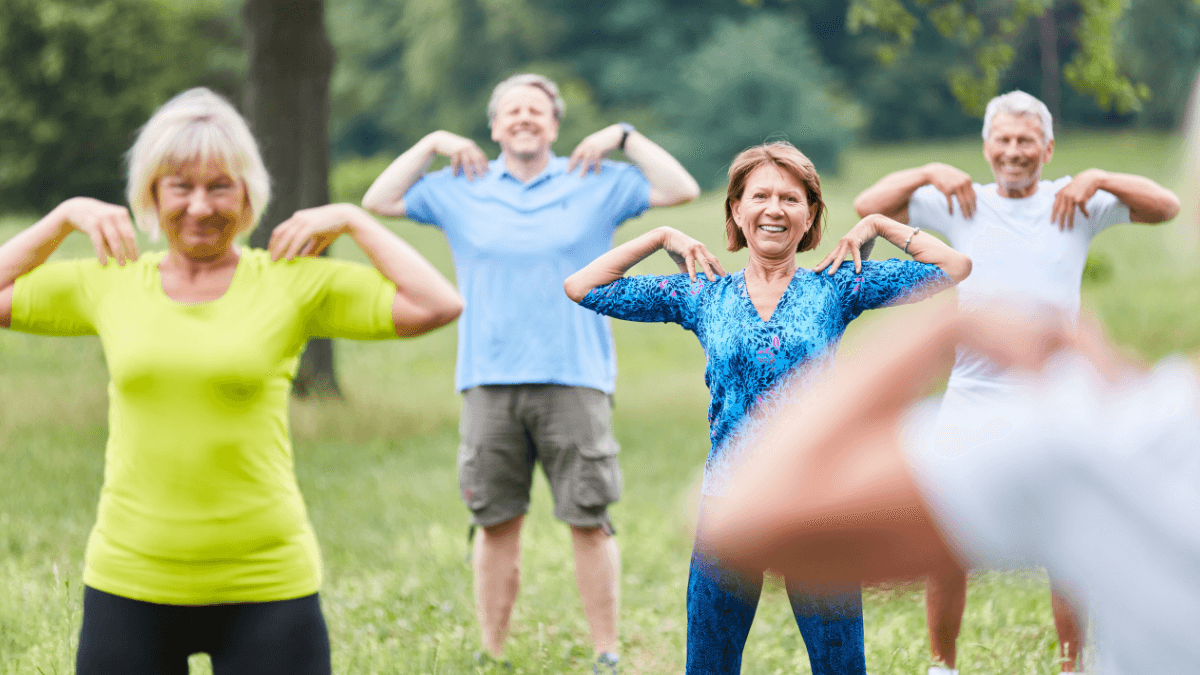
National Senior Health and Fitness Day: Move for Wellness is a reminder that healthy aging often starts with small, safe movement choices. The day encourages older adults, caregivers, and community groups to make physical activity social, accessible, and realistic. That may mean walking with a neighbor, joining a chair exercise class, practicing balance near a sturdy counter, or stretching during a favorite show. Even modest movement can help people protect mobility, confidence, and independence.
Key Takeaways
- Small steps count: Gentle movement can support strength, balance, mood, and daily function.
- Safety comes first: Match activities to ability, health conditions, and the environment.
- Variety helps: Walking, stretching, balance work, and strength exercises build different skills.
- Social support matters: Classes, health fairs, and family activities can reduce isolation.
- One day can spark routine: The best celebration continues beyond the event.
What This Older Adult Fitness Day Is Really About
This observance focuses on helping older adults move in ways that fit real life. It is commonly recognized on the last Wednesday in May, but the message applies year-round. Movement does not need to be intense, competitive, or gym-based to be useful.
The goal is active aging. That means protecting the abilities that make everyday life easier, such as getting out of a chair, carrying groceries, climbing steps, reaching shelves, and walking with steadier confidence. For many people, those goals feel more meaningful than any number on a fitness tracker.
It also creates a chance to bring health conversations into familiar places. Senior centers, libraries, faith groups, clinics, parks, and family gatherings can all host simple wellness activities. For broader aging topics and related reading, you can browse the Geriatrics Hub.
Why it matters: Movement is easier to maintain when it feels useful, safe, and connected to daily life.
Planning for National Senior Health and Fitness Day: Move for Wellness
A strong plan starts with the person, not the activity. Older adults vary widely in mobility, balance, pain levels, stamina, vision, hearing, and health history. A useful event leaves room for beginners, people using mobility aids, and people who already exercise often.
Start by choosing a simple goal. One person may want better balance. Another may want more energy for gardening. A caregiver may want an activity that feels fun rather than clinical. A senior center may want a health fair that blends movement stations with nutrition, screening, and social time.
Match the activity to the starting point
Low-impact choices are often the most welcoming. Walking groups, chair exercises, gentle stretching, tai chi-inspired balance practice, water walking, and light resistance bands can all be adapted. The right version should feel doable during the activity and reasonable afterward.
People with heart disease, diabetes, lung disease, neuropathy, recent falls, joint replacements, or new pain should ask a qualified health professional what limits apply. That conversation is not a barrier. It helps make participation safer and more personal.
Think beyond a single class
A one-day event works best when it points toward the next step. Offer information on local walking routes, beginner classes, home exercises, transportation options, and caregiver support. If possible, include quiet seating, water access, clear signs, and a way to opt out without embarrassment.
Movement Ideas That Meet People Where They Are
The best senior fitness activities are flexible. They give people choices and make it easy to scale up or down. A person can work on strength while seated, balance while holding a counter, or endurance through short walks broken into rest periods.
Use this table as a starting point for events, family plans, or individual routines. It is not a prescription. It is a menu of options to discuss and adapt.
| Activity | Simple Adaptation | What It Can Support |
|---|---|---|
| Walking | Use short loops, flat paths, or indoor hallways | Endurance, circulation, confidence outdoors |
| Chair exercise | March seated, raise arms, or use light bands | Strength, coordination, participation with limited mobility |
| Balance practice | Stand near a sturdy counter or chair | Stability, posture, fall-risk awareness |
| Stretching | Move slowly and avoid bouncing | Flexibility, comfort, range of motion |
| Water activity | Try water walking or gentle group classes | Low-impact movement, joint-friendly conditioning |
| Dance or music movement | Stay seated or stand with support | Enjoyment, rhythm, social connection |
Example: A retired teacher with knee stiffness may begin with three minutes of seated marching, two gentle shoulder movements, and a short hallway walk. That routine may look simple, but it builds confidence because it is repeatable.
Another person may prefer a social goal. A neighbor-led walking group can start with one bench-to-bench loop. People who want more can add another loop, while beginners still participate fully.
Build Safety Into Every Activity
Safe movement starts before the first step. Check the space for loose rugs, poor lighting, wet floors, clutter, or uneven surfaces. Choose supportive shoes when appropriate. Keep chairs stable. Make sure walkers, canes, hearing aids, and glasses are nearby if they are normally used.
Warm-ups and cool-downs matter because they help the body ease into movement. A warm-up can be as simple as slow walking, shoulder rolls, ankle circles, or gentle seated marching. A cool-down can include slower movement and relaxed breathing.
Medication lists can also matter. Some medicines affect balance, alertness, heart rate, or hydration. BorderFreeHealth connects U.S. patients with licensed Canadian partner pharmacies.
Stop the activity and seek help if symptoms feel sudden, severe, or unusual. Warning signs may include chest pain, fainting, sudden shortness of breath, new confusion, sudden weakness on one side, severe headache, or a fall with pain or injury.
- Pain signals: Sharp, new, or worsening pain needs attention.
- Breathing changes: Severe shortness of breath is not normal exertion.
- Dizziness or fainting: Stop and sit or lie down safely.
- New weakness: Sudden one-sided weakness needs urgent care.
- Fall concerns: Report injuries, head impact, or lingering pain.
Quick tip: Keep a phone, emergency contact, and medication list available during group activities.
Wellness Supports That Make Movement Easier
Exercise works better when the rest of the day supports it. Nutrition, hydration, sleep, medication routines, social connection, and stress all shape how movement feels. Older adults may also need more planning around transportation, meal timing, foot care, or pain flares.
Food is a practical place to start. Protein, fiber, fluids, and micronutrients all support daily function in different ways. For seasonal ideas that pair well with wellness events, see National Nutrition Month. For aging-specific nutrition, Bone Health for Aging Well explains why bones need steady support over time.
Weight changes can be sensitive in later life. Unplanned weight loss, muscle loss, and restrictive diets can create new risks. If weight is part of the conversation, keep it respectful and health-focused. The article Weight Loss Strategies for Older Adults offers a broader look at safer planning.
Metabolic health also connects with movement. People managing diabetes, prediabetes, or fatty liver disease may benefit from a coordinated care plan that includes food, activity, monitoring, and medication review when needed. For related reading, see Diabetic-Friendly Fruit Choices and Fatty Liver Disease and Treatments.
Mental health belongs in the plan too. Anxiety, grief, loneliness, poor sleep, or fear of falling can reduce activity. Gentle movement may be one supportive tool, but it is not a replacement for care. If anxiety symptoms are part of the picture, Over-the-Counter Anxiety Medication explains why safe-option limits matter.
Make the Day Social, Inclusive, and Sustainable
An inclusive event reduces pressure. Not every participant wants a workout. Some may come for blood pressure education, a social lunch, a mobility demonstration, or a caregiver conversation. Those entry points still count because they help people feel seen and supported.
Community planners can offer several activity levels in the same space. For example, a walking station can include seated warm-ups, a short indoor route, and an outdoor option. A balance station can use sturdy chairs, clear instructions, and volunteers who know when to encourage rest.
Some prescription details may be verified with the prescriber before pharmacy dispensing when required.
A simple planning checklist
- Ask first: Learn what participants want and fear.
- Offer options: Include seated, standing, and walking choices.
- Check access: Plan for transportation, bathrooms, shade, and seating.
- Use plain language: Avoid jargon and rushed instructions.
- Build rest breaks: Make pausing feel normal.
- Invite caregivers: Include family, friends, and support workers.
- Share next steps: Provide local classes or home ideas.
Cost and access barriers can shape participation. If healthcare affordability is part of local planning, Affordable Healthcare Access explores that wider issue from a patient-rights perspective.
After the Celebration: Turn Momentum Into Routine
The most useful outcome is not one active day. It is a pattern people can repeat. That might mean two short walks each week, a daily stretch after breakfast, a seated strength routine during television, or a balance check with a physical therapist.
Start with a plan that feels almost too easy. Older adults often build confidence through consistency, not intensity. A simple calendar can track movement, pain, sleep, mood, and energy. If symptoms worsen or a routine feels discouraging, the plan may need to change.
Health tracking should be personal. Some people monitor blood pressure, blood glucose, weight, pain, or steps. Others prefer notes about what they could do more easily, such as standing from a chair or walking to the mailbox. For people concerned about blood sugar, How to Test for Diabetes explains common testing pathways.
Care teams can help connect movement goals to medical needs. A clinician, pharmacist, dietitian, physical therapist, or occupational therapist may offer different pieces of the plan. Ask what activities are safe, what symptoms should stop exercise, and whether any medicines or conditions affect balance, hydration, or exertion.
Authoritative Sources
- The CDC physical activity guidance for older adults summarizes aerobic, strength, and balance recommendations.
- The National Institute on Aging exercise resource explains endurance, strength, balance, and flexibility.
- The World Health Organization physical activity fact sheet describes activity benefits and inactivity risks.
Further Reading and Next Steps
Senior Health and Fitness Day can be a practical doorway into healthier routines. Keep the focus on comfort, safety, and meaningful goals. A short walk, a steadier sit-to-stand, a shared class, or a better question for a clinician can all move wellness forward.
If you are helping plan an event, invite older adults into the design process. Ask what feels useful, what feels intimidating, and what would make them return next week. The strongest programs respect limits while protecting possibility.
This content is for informational purposes only and is not a substitute for professional medical advice.