
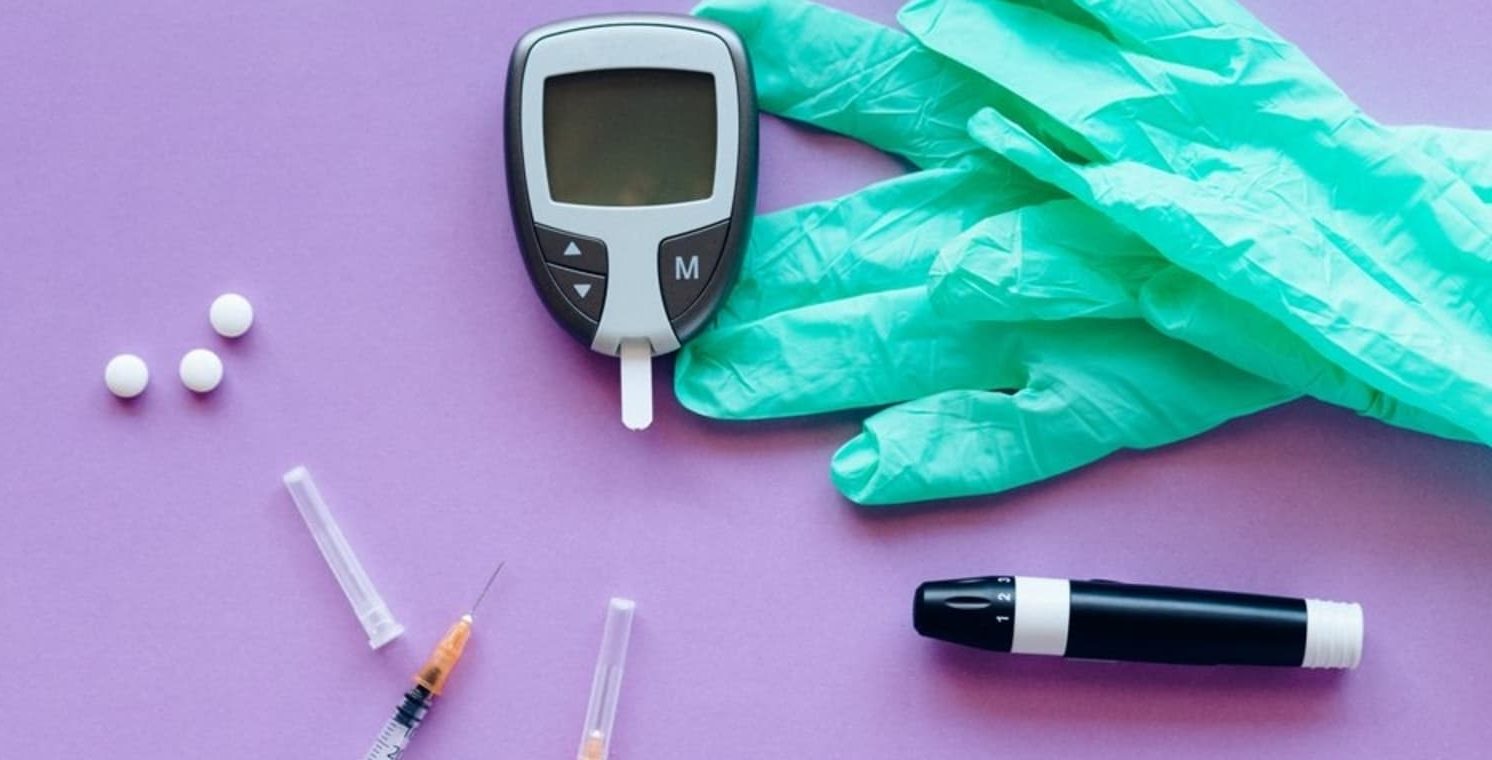
If you need to know how to test for diabetes, the most reliable path is a lab-based blood test ordered through a clinician, clinic, or qualified screening program. Home meters and kits can help you notice patterns, but they do not usually confirm a diagnosis on their own. Testing matters because high blood sugar can damage blood vessels and nerves before symptoms feel obvious.
Most people start with one of four blood tests: A1C, fasting plasma glucose, oral glucose tolerance test, or random plasma glucose when symptoms are present. The right choice depends on symptoms, pregnancy status, age, risk factors, and how quickly results are needed.
Key Takeaways
- Lab tests diagnose diabetes most reliably.
- Home meters track patterns, not formal diagnosis.
- A1C shows longer-term glucose trends.
- Symptoms with high readings need prompt care.
- Free screening may be available locally.
When Testing Makes Sense
Diabetes screening is useful when your risk is higher, symptoms appear, or a clinician wants to check blood sugar as part of routine preventive care. Adults with overweight or obesity, high blood pressure, a family history of diabetes, polycystic ovary syndrome, previous gestational diabetes, or sleep apnea may be screened earlier or more often. Some communities also face higher diabetes risk because of unequal access to food, preventive care, and safe places for activity.
Symptoms can also drive testing. Common warning signs include frequent urination, unusual thirst, blurry vision, fatigue, slow-healing cuts, repeated infections, tingling in the feet, and unintended weight loss. The classic “big three” are increased thirst, increased urination, and increased hunger. Type 1 diabetes can come on quickly, while type 2 diabetes may develop slowly. For a deeper symptom comparison, see Type 1 Diabetes Symptoms and Type 2 Diabetes Symptoms.
Seek urgent medical care if high blood sugar symptoms occur with vomiting, severe weakness, confusion, fruity-smelling breath, deep rapid breathing, or signs of dehydration. These can signal a dangerous metabolic problem, especially in people who may have type 1 diabetes or who use insulin.
The Main Blood Tests Used to Diagnose Diabetes
Clinicians use blood tests because they measure glucose directly or estimate average glucose over time. In many cases, an abnormal result is repeated or confirmed with a different test unless symptoms and high blood sugar make the diagnosis clear.
A1C test
The A1C test estimates average blood sugar over roughly the past two to three months. It does not require fasting, which makes it convenient for many screening visits. Some medical conditions can affect A1C accuracy, including certain anemias, recent blood loss, kidney disease, pregnancy, and some hemoglobin variants. In those cases, a clinician may choose a glucose-based test instead.
Fasting plasma glucose
Fasting plasma glucose checks blood sugar after you have not eaten for at least eight hours. It is often done in the morning. This test can identify diabetes or prediabetes, but a single borderline result may need confirmation. Illness, stress, and some medicines can temporarily raise glucose.
Oral glucose tolerance test
The oral glucose tolerance test, often called OGTT, measures how your body handles a measured glucose drink. You usually fast first, then have blood drawn before and after the drink. This test is commonly used during pregnancy and may detect glucose problems that fasting tests miss.
Random plasma glucose
A random plasma glucose test can be used when someone has clear symptoms of diabetes. It does not require fasting. If the result is high and symptoms are present, clinicians may act quickly and order follow-up testing to clarify the diabetes type and treatment needs.
Why it matters: The test name matters because each result answers a different question.
What Results Can Mean
Diabetes blood test results are interpreted using clinical thresholds, symptoms, and personal context. In general, A1C reflects longer-term glucose exposure, fasting glucose reflects baseline sugar after not eating, and OGTT shows how the body responds to a glucose challenge. Your clinician may also consider age, pregnancy, kidney function, medications, recent illness, and whether symptoms are present.
Many readers ask about type 2 diabetes blood sugar levels because numbers guide follow-up. Diagnostic ranges differ from daily treatment targets. A person already living with diabetes may have individualized goals for A1C, fasting readings, after-meal readings, or continuous glucose monitor time-in-range. Those goals may change during pregnancy, illness, steroid treatment, kidney disease, or periods of hypoglycemia risk.
The A1C and estimated average glucose relationship can be confusing. A conversion tool can help you compare these two ways of discussing longer-term glucose, but it cannot diagnose diabetes or replace lab interpretation.
HbA1c & eAG Calculator
Convert between HbA1c percentage and estimated average glucose using the ADAG relationship.
These calculations are for education only and do not replace clinical advice, diagnosis, or treatment. Always confirm medical decisions with a qualified healthcare professional.
Bring the actual lab report to your appointment when possible. It helps your care team see the test method, units, reference range, and whether confirmation is needed.
How to Test for Diabetes at Home Safely
How to test for diabetes at home usually means checking blood sugar with a fingerstick meter, continuous glucose monitor, or mail-in/home A1C kit. These tools can be useful, but they have limits. A home reading can show that glucose is high or low at that moment. It usually cannot tell you why, classify diabetes type, or confirm a formal diagnosis.
A blood glucose meter uses a small blood drop from a fingerstick and a test strip. If you already use home monitoring, follow the device instructions and record the time, food, activity, symptoms, and medications around each reading. Device technique matters. Unwashed hands, expired strips, poor strip storage, or too little blood can affect results. Product pages such as Contour Next Meter, OneTouch Verio Flex Meter, and compatible test-strip pages can help readers recognize common meter supplies, but diagnosis still belongs in clinical care.
Some people search for how to check blood sugar at home naturally or how to test diabetes at home naturally without a machine. Lifestyle habits such as balanced meals, movement, sleep, and stress management can support glucose control, but they do not measure blood sugar. Symptoms alone are not a reliable test. If you suspect diabetes, arrange blood testing rather than relying on thirst, urination, or energy levels as proof.
Urine glucose strips are also limited. A urine test for diabetes type 2 may miss high blood sugar because kidneys spill glucose at different thresholds. A positive urine glucose result needs blood-test confirmation. Ketone urine strips have a different role: they may help identify ketones during illness or very high glucose, especially for people at risk of diabetic ketoacidosis. High ketones with concerning symptoms should be treated as urgent.
Type 1, Type 2, Prediabetes, and Pregnancy: Why Classification Matters
Testing does more than confirm high blood sugar. It can also help clinicians decide what kind of diabetes is most likely and what follow-up is safest. Type 1 diabetes is autoimmune and involves loss of insulin production. Type 2 diabetes usually involves insulin resistance and gradual beta-cell strain. Prediabetes means glucose is above the usual range but not in the diabetes range.
Age and body weight do not reliably separate type 1 from type 2. Adults can develop autoimmune diabetes, sometimes called latent autoimmune diabetes in adults. Late-onset type 1 diabetes symptoms may include thirst, frequent urination, fatigue, unplanned weight loss, and worsening glucose despite lifestyle changes. When the picture is unclear, clinicians may order antibody testing, such as GAD65, IA-2, or ZnT8 antibodies, and sometimes C-peptide to estimate insulin production.
Pregnancy changes screening. Gestational diabetes testing often uses a glucose challenge or oral glucose tolerance approach, depending on local protocol and personal risk. People with previous gestational diabetes, polycystic ovary syndrome, or a strong family history may need earlier discussion. For more background, see What Is Gestational Diabetes.
Prediabetes also deserves attention. It may not cause symptoms, but it can signal higher future risk for type 2 diabetes and cardiovascular disease. If you have borderline results or risk factors, Prediabetes Symptoms and Signs explains why many people feel well even when screening is abnormal.
Where to Get Tested, Including Low-Cost Options
You can get tested through primary care offices, community health centers, walk-in clinics, some pharmacies, health fairs, and local public health programs. The best setting depends on your symptoms and whether you need diagnosis, routine screening, pregnancy testing, or follow-up for known diabetes. If symptoms are severe, choose urgent medical care rather than a casual screening event.
People often ask where they can get their blood sugar tested for free. Availability varies by city, season, and program funding. Local health departments, federally qualified health centers, employer wellness events, and community diabetes campaigns may offer no-cost or low-cost screening. Call ahead to ask which test is offered, whether fasting is required, whether results are interpreted by a clinician, and what follow-up is available.
Pharmacies may advertise diabetes screening days or A1C testing services, but details can change. A pharmacy fingerstick result may be useful for awareness, yet abnormal results still need clinical follow-up. If you lack insurance, ask about sliding-scale clinics and community programs. BorderFreeHealth may be relevant later for some prescription-access questions, but screening and diagnosis should start with appropriate medical testing.
A Practical Screening Checklist
Use this checklist to prepare for testing and make the visit more useful. It keeps the conversation focused and reduces the chance that important context gets missed.
- List symptoms and timing.
- Bring current medications.
- Note pregnancy possibility.
- Ask whether fasting is needed.
- Request the exact test name.
- Ask how results are confirmed.
- Plan follow-up before leaving.
- Track home readings with context.
Quick tip: Write down units, such as mg/dL or mmol/L, beside every glucose value.
If you already have high readings at home, include when they happened. A fasting reading, a reading two hours after a meal, and a random reading during symptoms can mean different things. Do not change prescribed medication based only on an isolated home value unless your care plan already tells you what to do.
Common Pitfalls That Can Delay Answers
One common mistake is using a home meter as the final answer. Meters can be helpful, but diagnosis usually requires standardized testing. Another pitfall is ignoring symptoms because a single reading looked normal. Glucose can vary by time of day, food, illness, and medication.
A second issue is assuming diabetes type based on appearance. Some lean adults have type 2 diabetes, and some adults with higher body weight have autoimmune diabetes. If symptoms are sudden, weight loss is present, ketones are high, or glucose remains very high, classification deserves careful review.
Finally, do not treat urine glucose as a reliable rule-out test. Urine results lag behind blood glucose and depend on kidney handling. If symptoms continue, blood testing is the better next step. For signs of very high glucose, Signs and Symptoms of Hyperglycemia can help you decide when a reading deserves prompt attention.
Authoritative Sources
For current public-health guidance on how to test for diabetes, review the CDC diabetes testing overview. It explains common screening settings and why blood testing is used.
For diagnostic criteria and clinical standards, see the American Diabetes Association Standards of Care. These standards are updated regularly for clinicians and health systems.
For details on A1C testing and factors that affect accuracy, the NIDDK A1C test resource offers a patient-friendly explanation.
Final Thoughts
Knowing how to test for diabetes helps you move from worry to clear next steps. Lab-based testing is the standard for diagnosis. Home tools can support monitoring, pattern recognition, and better conversations with your care team.
If your results are normal but symptoms continue, ask whether repeat testing or a different test makes sense. If results are abnormal, ask what the value means, whether it needs confirmation, and how diabetes type will be evaluated. For more related education, browse the Diabetes collection.
This content is for informational purposes only and is not a substitute for professional medical advice.


