
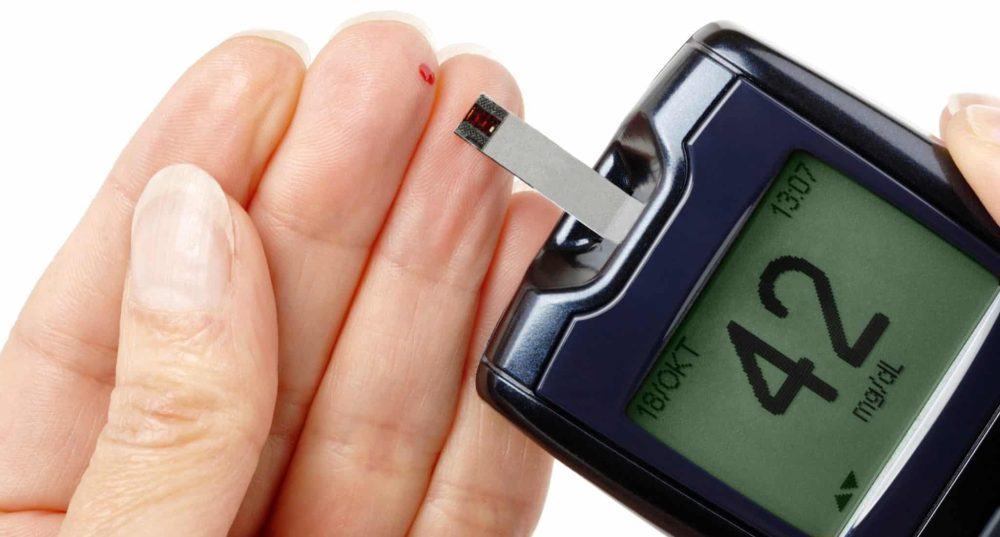
Low blood sugar symptoms are warning signs that your brain and body may not be getting enough usable glucose. Common signs include shakiness, sweating, sudden hunger, a fast heartbeat, dizziness, headache, anxiety, irritability, or confusion. This matters because severe hypoglycemia can impair judgment, cause fainting or seizures, and become an emergency. If you can, check your glucose level. If symptoms are severe, the person cannot swallow safely, or they do not improve, seek urgent medical help.
Low blood sugar is also called hypoglycemia. It is most common in people using insulin or certain diabetes medicines, but it can happen in other situations too. The goal is to recognize the pattern early, treat safely, and understand why it happened.
Key Takeaways
- Common early signs include shakiness, sweating, hunger, dizziness, and a racing heartbeat.
- Brain-related symptoms, such as confusion or unusual behavior, are more concerning.
- Fast-acting carbohydrate is often used for mild lows when a person is awake and able to swallow.
- Episodes can occur without diabetes, especially with fasting, alcohol, illness, pregnancy, or some medicines.
- Repeated, nighttime, severe, or unexplained episodes deserve clinician review.
Low Blood Sugar Symptoms to Notice Early
The earliest signs usually come from stress hormones released when glucose starts to fall. Five common low blood sugar symptoms are shakiness, sweating, sudden hunger, dizziness, and a fast heartbeat. Some people also feel anxious, weak, nauseated, chilled, or unusually tired.
Symptoms can vary from one episode to the next. A person who felt shaky during one low may feel confused during another. Older adults, people with long-standing diabetes, and those with repeated episodes may have fewer warning signs. This is sometimes called hypoglycemia unawareness, which means the body gives less obvious alerts before glucose falls further.
Body alarm signs
These symptoms often appear while the body is trying to raise glucose quickly. They can feel intense, but they may still happen before severe danger develops.
- Shaky hands or trembling
- Sweating or clammy skin
- Fast or pounding heartbeat
- Sudden hunger or nausea
- Lightheadedness or weakness
- Pale skin or chills
Brain and behavior signs
The brain depends heavily on glucose. When glucose drops further, thinking, speech, vision, coordination, and behavior can change. These symptoms need more caution because the person may not be able to respond clearly.
- Confusion or slowed thinking
- Blurred vision or headache
- Slurred speech or clumsiness
- Irritability or unusual behavior
- Drowsiness or fainting
- Seizure or loss of consciousness
Why it matters: A person who seems drunk, disoriented, or suddenly aggressive may be having a medical problem, not a behavior problem.
What to Do When Glucose Feels Low
When glucose is low and the person is awake, fast-acting carbohydrate is usually the first step. If you have diabetes, follow the plan your clinician gave you. Many diabetes education plans use glucose tablets, glucose gel, regular juice, regular soda, or similar fast carbohydrate sources for mild hypoglycemia.
What raises blood sugar the fastest is usually a source that is mostly sugar and easy to absorb. Mixed foods with lots of fat or protein, such as chocolate, peanut butter, or a full meal, may work more slowly. They can still have a role after the immediate low is treated, especially if the next meal is not soon.
Do not give food or drink to someone who is unconscious, having a seizure, very drowsy, or unable to swallow safely. That can cause choking. In those cases, use prescribed emergency glucagon if available and call emergency services.
After a mild episode improves, think about the likely trigger. Was a meal delayed? Was exercise more intense than usual? Was alcohol involved? Was a diabetes medicine taken without enough food? These details help prevent a repeat episode. Do not change prescribed diabetes medicines on your own; discuss patterns with your clinician.
What Blood Sugar Numbers Mean
A reading below 70 mg/dL, or 3.9 mmol/L, is commonly treated as low for many people with diabetes. A reading below 54 mg/dL, or 3.0 mmol/L, is often considered clinically significant hypoglycemia. Severe hypoglycemia is defined by function, not only by the number: it means the person needs help from someone else.
Numbers guide action, but symptoms still matter. Some people feel symptoms at slightly higher levels when glucose is dropping fast. Others may feel few symptoms at dangerously low levels. If your symptoms and meter readings do not match, repeat the check if possible and follow your care plan.
| Glucose Situation | Usual Meaning | Practical Consideration |
|---|---|---|
| Below 70 mg/dL | Often treated as low glucose | Use your hypoglycemia plan and monitor for improvement. |
| Below 54 mg/dL | Clinically significant low | Act promptly and tell your clinician if it happens. |
| Confusion, seizure, or fainting | Possible severe hypoglycemia | Emergency help may be needed, even without a current reading. |
| Symptoms with normal glucose | May be another cause | Track timing and discuss other possibilities with a clinician. |
Quick tip: If a meter, lab report, or travel record uses a different unit, a glucose converter helps compare mg/dL and mmol/L values.
Blood Glucose Unit Converter
Convert glucose readings between mg/dL and mmol/L without changing the clinical value.
These calculations are for education only and do not replace clinical advice, diagnosis, or treatment. Always confirm medical decisions with a qualified healthcare professional.
The converter is a unit tool only. It does not diagnose hypoglycemia, predict risk, or replace your care plan.
Why Blood Sugar Drops, Including Without Diabetes
Hypoglycemia happens when available glucose falls below what the body needs at that moment. In diabetes care, common contributors include insulin, sulfonylurea medicines, delayed meals, less carbohydrate than expected, alcohol, illness, or more physical activity than usual. The issue is often a mismatch between medicine, food, and energy use.
You can also have low glucose without diabetes. Possible causes include prolonged fasting, heavy exercise, alcohol use, vomiting, certain medicines, severe illness, hormone problems, liver or kidney disease, or previous stomach surgery. Some people have reactive hypoglycemia, where symptoms occur after eating, often within a few hours. That pattern still needs proper evaluation rather than guessing.
Foods do not usually trigger dangerous hypoglycemia by themselves. For some people, a large refined-carbohydrate meal may be followed by a rapid glucose rise and then a drop. For others, symptoms after meals may reflect anxiety, caffeine, digestion changes, or another condition. A clinician may ask for a symptom diary, finger-stick readings, continuous glucose monitor data, or lab testing to sort this out.
Symptoms of low blood sugar in non diabetics should not be ignored when they are recurrent, severe, or confirmed by a low reading. Bring details about meal timing, alcohol intake, exercise, sleep, pregnancy status, and medications. That context matters more than one isolated number.
Nighttime, Pregnancy, and Higher-Risk Situations
Nighttime episodes are harder to catch because sleep can hide the early warning signs. Nighttime low blood sugar symptoms may include sweating, nightmares, restless sleep, waking with a headache, unusual morning fatigue, or confusion on waking. A bed partner may notice tossing, sweating, or unusual behavior before the person does.
Severe untreated hypoglycemia can be life-threatening, including during sleep. The risk is higher for people using insulin or medicines that can lower glucose, people with hypoglycemia unawareness, and those who have had recent severe episodes. If this risk applies to you, ask your clinician about overnight targets, medicine timing, alcohol, bedtime snacks, continuous glucose monitoring, and whether emergency glucagon belongs in your plan.
Pregnancy can also change glucose patterns. Nausea, vomiting, delayed meals, changing insulin needs, and higher energy demands can all complicate glucose control. Pregnant people should contact their pregnancy or diabetes care team for repeated lows, difficulty keeping food down, fainting, or any severe symptoms. Kidney disease, gastroparesis, eating disorders, and medication-related hypoglycemia also deserve individualized care.
When the Symptoms May Be Something Else
Not every shaky, sweaty, anxious spell is hypoglycemia. Panic attacks, low blood pressure, dehydration, thyroid problems, infections, anemia, caffeine, and medication side effects can feel similar. Checking glucose during symptoms can help separate true lows from look-alike symptoms.
If symptoms began after a medicine change, write down timing, dose schedule, meals, and the exact symptoms. Medication side-effect tracking can make the conversation more concrete. For related context, see Escitalopram Side Effects and Abilify and Weight Gain.
Emotional stress also affects how symptoms are noticed. Recurrent lows can make people fearful of exercise, sleep, driving, or leaving home. Long-term conditions can overlap with mood and daily routines; Chronic Illness and Depression explores that connection in more detail.
What to Track Before You Seek Care
The best prevention plan starts with patterns, not blame. A log can show whether low blood sugar symptoms happen after exercise, overnight, after alcohol, during illness, after a missed meal, or after a medication change. It also helps your clinician decide whether further testing or treatment changes are needed.
Useful details include the time symptoms started, your glucose reading if available, what you ate, recent activity, alcohol intake, medicines taken, and how symptoms improved. If you use a continuous glucose monitor, bring trend data rather than only single readings. If you do finger-stick checks, note whether your hands were clean and whether the reading was repeated.
- Timing pattern: before meals, after meals, overnight, or during activity.
- Food context: delayed meals, smaller meals, vomiting, or alcohol.
- Medication context: new medicines, missed doses, or schedule changes.
- Symptom severity: confusion, fainting, seizure, or need for help.
- Recovery details: what you used and whether symptoms returned.
If diabetes is part of your health picture, the Diabetes Resources hub offers a browseable place to continue learning about glucose-related topics. Use educational resources as preparation for care, not as a substitute for a personalized plan.
Authoritative Sources
- The CDC low blood sugar overview explains symptoms, treatment basics, and emergency warning signs.
- The NIDDK hypoglycemia resource covers causes, prevention, and when to seek help.
- The American Diabetes Association hypoglycemia guidance describes signs and treatment considerations for people with diabetes.
If lows are frequent, severe, or hard to explain, bring your records to a clinician. Clear notes can help protect your safety and reduce the chance of another episode.
This content is for informational purposes only and is not a substitute for professional medical advice.


