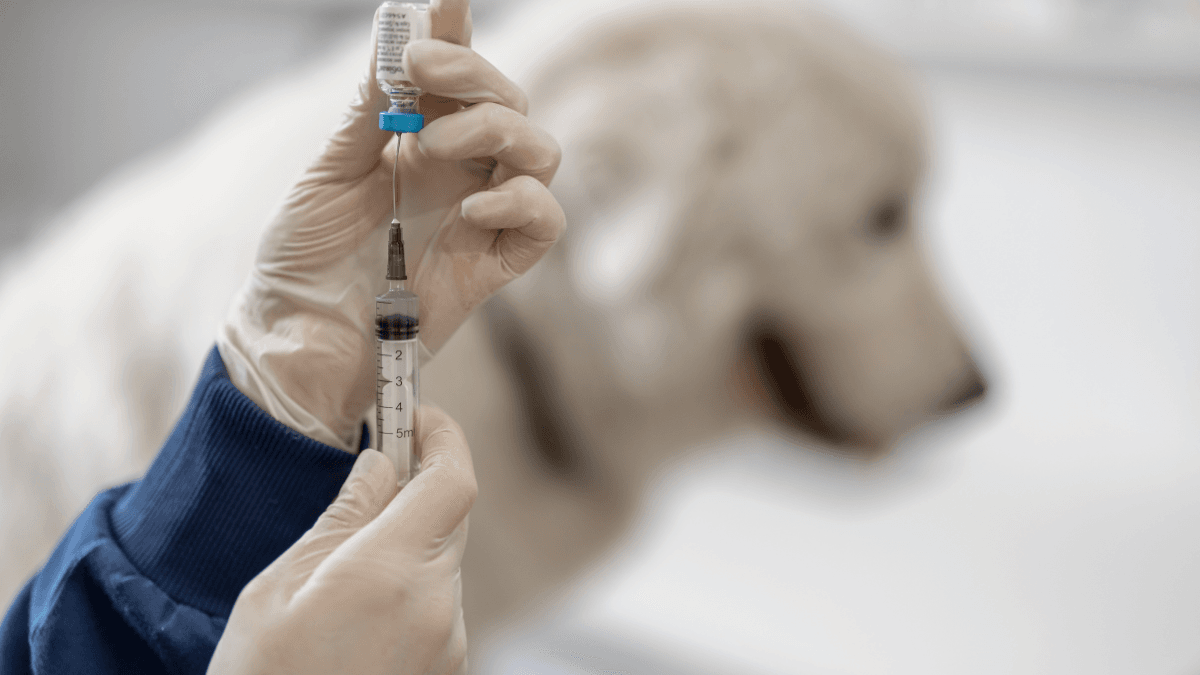
Humulin N insulin for dogs is a human NPH insulin that some veterinarians use for canine diabetes when it matches a dog’s needs. It should never be started, substituted, split, or adjusted without veterinary direction. Safe use depends on a confirmed diagnosis, the exact insulin product, matching supplies, steady meals, and a clear plan for monitoring low blood sugar.
Why this matters: insulin can change blood glucose quickly. A missed meal, wrong syringe, brand mix-up, or dose change can put a diabetic dog at risk. This page explains where NPH insulin fits, how it differs from veterinary insulin options, and what owners should ask before giving injections at home.
Key Takeaways
- Veterinary supervision is essential: Dogs need diagnosis, prescription instructions, and follow-up checks.
- NPH is intermediate acting: It works over a middle time window, not instantly.
- Insulins are not simple swaps: Product names, concentrations, and supplies may differ.
- Low blood sugar is urgent: Weakness, wobbling, seizures, or collapse need immediate help.
- Routine improves safety: Consistent meals, injections, records, and monitoring reduce avoidable risk.
Where Humulin N Fits in Canine Diabetes Care
Humulin N is a human NPH insulin, also called neutral protamine Hagedorn insulin. NPH is an Intermediate Acting Insulin, which means it is designed to lower blood sugar over a longer period than rapid or short-acting insulin. In dogs, a veterinarian may consider it when the action profile, access, handling, and monitoring plan fit the case.
Canine diabetes mellitus is a condition where the body cannot use glucose normally. Many dogs with diabetes need insulin as part of long-term care. Feeding consistency, weight management, exercise patterns, and follow-up testing also matter. The goal is not perfect numbers every hour. The goal is safer glucose control, fewer symptoms, and lower risk of dangerous highs or lows.
Humulin N insulin for dogs is not a do-it-yourself substitute for a veterinary-labeled product. A veterinarian should decide whether NPH makes sense after reviewing symptoms, blood and urine testing, appetite, body weight, and other health problems. Dogs with vomiting, poor appetite, infection, pancreatitis, steroid use, or suspected ketoacidosis may need a different immediate plan.
For a broader background on insulin categories, see Types Of Insulin. Human diabetes education can help owners understand terms, but pet treatment still requires a veterinary plan because dogs have different metabolism, eating patterns, and monitoring needs.
Why it matters: The insulin name, concentration, syringe, and timing must match the veterinary plan.
How Veterinarians Choose an Insulin Plan
Veterinarians choose insulin by matching the dog’s diagnosis, glucose patterns, appetite, and caregiver routine. There is no single best insulin for every diabetic dog. Some dogs start with a veterinary-labeled insulin. Others may use a human insulin, such as NPH, when the veterinarian considers it appropriate.
A typical workup starts with signs and testing. Common signs include increased thirst, frequent urination, weight loss, and increased hunger. Your veterinarian may also look for urinary tract infection, pancreatitis, Cushing’s disease, dental disease, or other problems that can make diabetes harder to regulate.
Decision factors often include:
- Diagnosis clarity: Testing supports diabetes and rules out mimics.
- Meal reliability: The dog usually eats around injection times.
- Caregiver comfort: Someone can give injections safely and consistently.
- Monitoring access: Clinic curves or home checks can guide changes.
- Other conditions: Illness, steroids, pregnancy, or appetite changes can alter needs.
Owners often ask what insulin is used for diabetic dogs. Common options may include veterinary lente insulin, human NPH insulin, and selected longer-acting insulins in certain cases. Your veterinarian should explain why one option fits your dog better than another, how monitoring will work, and which warning signs should trigger a call.
It is also reasonable to ask how the plan should change if your dog refuses food, vomits, loses weight, gains weight, or has repeated high readings. Those situations do not always mean the insulin is wrong. They do mean the plan needs professional review. A written sick-day or missed-meal plan can prevent rushed decisions during stressful moments.
Human and Veterinary Insulins Are Not Interchangeable
Human insulin and dog-labeled insulin can both appear in canine diabetes care, but they are not the same product. Their concentration, formulation, syringe needs, and expected action can differ. A direct switch without veterinary instructions can cause serious underdosing or overdosing.
Vetsulin or Caninsulin is a veterinary lente insulin used in dogs and cats. Humulin N is a human NPH insulin. Novolin N, including some regional naming such as Novolin GE NPH, is another human NPH insulin name. These products may sound related, but the same broad class does not mean automatic substitution.
Humulin N insulin for dogs also requires the exact supplies your veterinarian specifies. A U-100 insulin syringe is not the same as a U-40 syringe. Pen devices add another layer of handling steps, including priming and needle attachment. If supplies change, ask the clinic to confirm that the dose markings still match the prescription.
Readers comparing human insulin names may find the Humulin N Vial and Novolin GE NPH Vial pages useful for identifying product names. Product pages are not a substitute for veterinary prescribing, and pet use belongs under a veterinarian’s direction.
If similar-sounding names are causing confusion, Humulin And Humalog explains why insulin products can act differently. That distinction matters because faster insulins are not routine substitutes for an intermediate-acting plan in a stable dog at home.
Safe Handling and Injections at Home
Safe use depends on repeatable habits, not guesswork. Ask your veterinary team to watch you prepare and give the first injections. If you use a pen device, ask them to confirm priming, needle placement, and disposal steps before you leave the clinic.
Before each injection, check these basics:
- Confirm the label: Use the exact insulin your veterinarian prescribed.
- Match the supplies: Use only the syringe or pen needle specified.
- Inspect the insulin: Do not use it if it looks clumped, frozen, or unusual.
- Mix as directed: NPH usually needs gentle rolling or inverting.
- Record the routine: Note appetite, time, symptoms, and unusual events.
- Dispose safely: Place used needles in an approved sharps container.
Most dog insulin injections are given under the skin. Your veterinarian may show you how to lift a small skin fold and place the needle at the correct angle. Common areas include loose skin near the shoulders or flank, but your clinic’s instructions should come first. Rotating sites can help reduce irritation.
Storage also matters. Insulin can lose reliability if it freezes, overheats, or sits in direct sunlight. Keep it as directed on the product label and by your veterinary team. If a vial or pen was dropped, left out, or exposed to heat, call before using it again.
Quick tip: Keep a simple diabetes log near the food and insulin supplies.
Missed doses are common, especially early in treatment. Do not double the next injection to make up for one unless your veterinarian tells you to do so. Call your clinic for instructions, especially if your dog did not eat, vomited, or seems unwell. If affordability or access affects consistency, discuss options with the veterinarian before supplies run low. BorderFreeHealth provides access to licensed Canadian partner pharmacy options for eligible cash-pay patients without insurance, but veterinary direction remains essential for pet insulin decisions.
Monitoring Blood Sugar and Daily Patterns
Monitoring helps your veterinarian see trends rather than react to one isolated number. Your clinic may recommend blood glucose curves, fructosamine testing, urine checks, weight checks, or selected home monitoring. Each tool answers a different question about glucose control.
A glucose curve measures blood sugar at several points across the day. It can show whether insulin appears to last long enough and whether the lowest reading is too low. Fructosamine gives a broader view of recent control. Urine checks may help screen for glucose or ketones, but they do not replace veterinary interpretation.
Some owners track home glucose readings. Others rely mostly on clinic visits. Either approach can be appropriate when the veterinarian has a clear monitoring plan. If your dog becomes stressed during testing, tell the clinic. Stress, appetite changes, and exercise can all affect results.
Use this general converter only for unit conversion when readings are reported in different glucose units. It does not interpret results or replace your veterinarian’s target range.
Blood Glucose Unit Converter
Convert glucose readings between mg/dL and mmol/L without changing the clinical value.
These calculations are for education only and do not replace clinical advice, diagnosis, or treatment. Always confirm medical decisions with a qualified healthcare professional.
A practical log can include meal amount, injection time, insulin product, activity changes, water intake, urination, body weight, and symptoms. Bring that log to rechecks. Small notes often explain patterns that a single blood result cannot.
Side Effects and Warning Signs to Watch
The main immediate danger with any dog insulin is hypoglycemia, which means blood sugar has fallen too low. This can happen if a dog receives too much insulin, eats less than expected, vomits after eating, exercises more than usual, or develops another medical problem.
Possible signs of low blood sugar in dogs include:
- Sudden weakness: The dog seems shaky, tired, or unusually quiet.
- Wobbling: Walking looks unsteady or poorly coordinated.
- Disorientation: The dog seems confused or acts strangely.
- Trembling: Muscles shake without an obvious reason.
- Seizures or collapse: This is an emergency.
If your dog has severe weakness, seizures, collapse, or cannot swallow normally, seek urgent veterinary care. Follow the low-blood-sugar plan your veterinarian gave you. If you were not given one, ask for written instructions, including after-hours contact steps.
High blood sugar can also cause problems. Increased thirst, frequent urination, weight loss, hunger, cloudy eyes, vomiting, or lethargy may mean diabetes is not controlled or another illness is present. Repeated vomiting, refusal to eat, deep weakness, or suspected ketones needs prompt veterinary advice because diabetic ketoacidosis can become life-threatening.
Other issues can include injection-site irritation, trouble giving injections, or changes in behavior around meal time. Do not assume these are minor problems. They can affect whether Humulin N insulin for dogs is practical and safe for the household routine.
Food, Routine, and Follow-Up Shape Control
Insulin works best when the rest of the day is predictable. Meals, treats, exercise, and injections all affect blood sugar. Your veterinarian may recommend a diet plan based on weight, other diseases, and your dog’s willingness to eat. Do not make major diet changes without asking first, because carbohydrate and calorie changes can alter insulin needs.
Many clinics aim for consistent meals given around insulin times. The exact schedule depends on the dog and the prescribed insulin plan. If your dog grazes, skips meals, steals food, or has variable appetite, tell the veterinary team. The plan may need to account for that behavior rather than assuming perfect routine.
Follow-up visits are part of treatment, not a sign that something went wrong. Your clinic may adjust the plan based on glucose curves, fructosamine, body weight, symptoms, and your home log. Do not change the dose because of one reading unless your veterinarian has specifically instructed you how to respond.
Dogs can change over time. Dental disease, infection, steroids, pancreatitis, kidney disease, or activity changes can affect diabetes control. If thirst, urination, appetite, weight, or energy changes, contact your veterinarian before changing insulin yourself.
For broader pet health context, the Pet Health collection can help you find related education. You can also review Pet Diabetes Symptoms for a wider look at signs, causes, and care conversations.
Questions to Ask Before Starting or Switching
A clear plan lowers stress for both you and your dog. Before starting Humulin N insulin for dogs, or switching from another insulin, ask your veterinary team to write down the product name, concentration, dose timing, feeding instructions, and emergency steps. Repeat the instructions back so everyone catches misunderstandings early.
Helpful questions include:
- Product confirmation: Which exact insulin and supplies should I use?
- Meal plan: What should I do if my dog will not eat?
- Missed dose plan: Who should I call and when?
- Monitoring schedule: Which tests will guide changes?
- Emergency signs: Which symptoms need urgent care?
- Travel or storage: How should insulin be handled away from home?
If your veterinarian recommends comparing dog diabetes insulin options, ask what trade-offs matter most for your dog. The answer may involve appetite, injection timing, monitoring access, caregiver confidence, and other medical conditions. For a deeper pet-specific overview, see Insulin For Dogs.
Authoritative Sources
The sources below support the veterinary safety points in this article. They should not replace advice from your dog’s veterinarian.
- AAHA diabetes management guidelines: veterinary guidance on insulin selection, monitoring, and diabetes care.
- Cornell canine diabetes resource: practical education on managing diabetic dogs.
- NIH-hosted insulin treatment review: background on insulin treatment considerations in dogs and cats.
When Humulin N insulin for dogs is part of a diabetes plan, the safest path is steady veterinary partnership. Confirm the product, supplies, feeding routine, monitoring plan, and emergency steps before problems arise.
This content is for informational purposes only and is not a substitute for professional medical advice.