
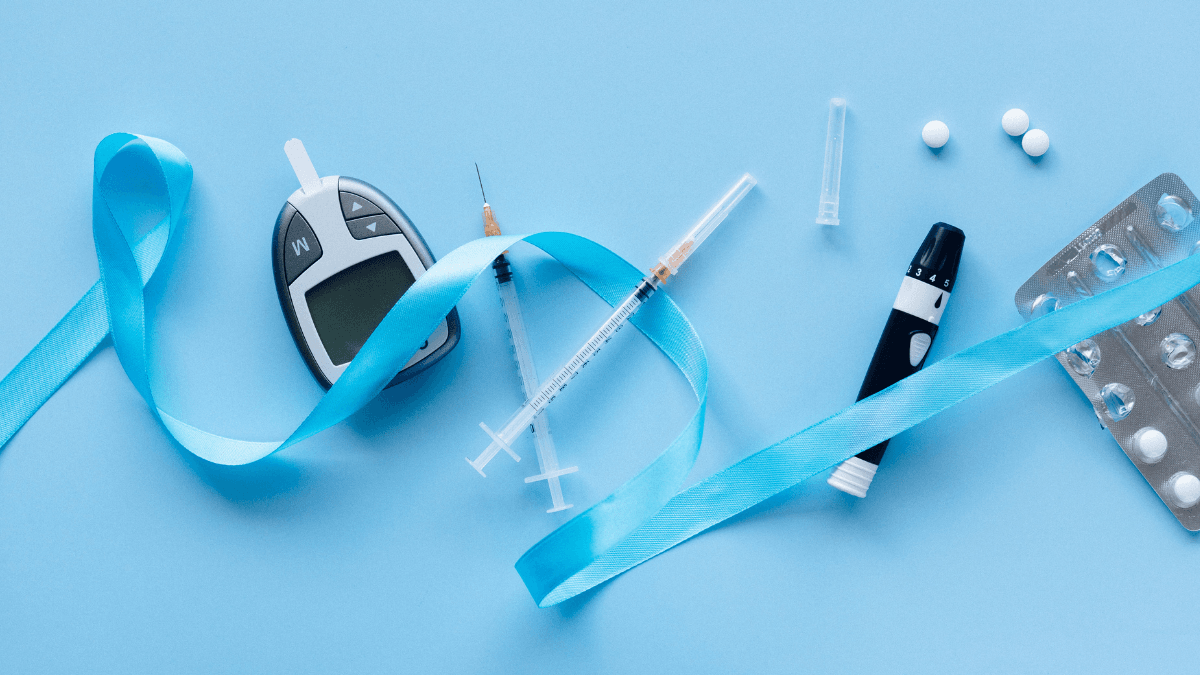
World Diabetes Day is a global awareness day held every year on November 14 to improve understanding of diabetes, reduce stigma, and encourage earlier support. It matters because diabetes affects people across ages, communities, and life stages. The day gives schools, workplaces, families, and health groups a shared moment to discuss screening, daily management, access to care, and respectful language.
You may be newly diagnosed, supporting someone you love, or planning a community event. This page explains the date, the blue circle symbol, common campaign themes, and safe ways to participate. It also keeps the focus where it belongs: practical support, not blame.
Key Takeaways
- Date: November 14 is the annual global observance.
- Purpose: Awareness should support people, not shame them.
- Symbol: The blue circle represents unity around diabetes.
- Action: Education, screening awareness, and stigma reduction all help.
- Momentum: November events can support year-round change.
What World Diabetes Day Means and Why It Matters
World Diabetes Day is the world’s major diabetes awareness campaign, focused on education, prevention where possible, timely diagnosis, and better care. It brings together people living with diabetes, caregivers, clinicians, educators, advocates, and public health groups.
Diabetes is not one story. Type 1 diabetes is an autoimmune condition. Type 2 diabetes is influenced by genetics, metabolism, environment, and social factors. Gestational diabetes can develop during pregnancy. Other forms also exist. Good awareness work respects these differences and avoids simple labels like “caused by sugar” or “caused by poor choices.”
Why this matters: stigma can delay conversations, testing, and support. It can also make daily management feel more isolating. If you want a broader learning path across related topics, the Diabetes Topics collection can help you explore diabetes education in one place.
Quick tip: Use people-first language, such as “person with diabetes,” instead of defining someone by a diagnosis.
Why November 14 Was Chosen
November 14 was chosen because it marks the birthday of Sir Frederick Banting, one of the scientists linked to the discovery of insulin. The date connects public awareness with a major milestone in diabetes care history.
The observance began as an international awareness effort and later gained formal global recognition. The day is now used by many organizations to discuss early diagnosis, access to essential medicines and supplies, diabetes education, and the daily realities of living with a chronic condition.
World Diabetes Day also sits within a wider November awareness period. Many groups connect their events to National Diabetes Month 2025 planning, so one-day campaigns can become longer conversations about care, access, and community support.
The Blue Circle, Logo, Posters, and Campaign Themes
The blue circle is the international symbol for diabetes awareness. The circle represents unity, while blue is widely used in global health campaigns. On posters, social posts, classroom displays, and event materials, the symbol helps people quickly recognize diabetes-related information.
Many readers search for the World Diabetes Day logo, posters, slogans, and annual themes. Use official campaign assets when possible, especially for public events. If you adapt visuals, keep them clear and accessible. Choose readable fonts, strong contrast, and alt text for digital images. Avoid images that shame bodies, food choices, or medication use.
The annual World Diabetes Day theme can change over time. Some campaigns focus on access to care, diabetes education, well-being, or early action. If you are preparing materials for World Diabetes Day 2025 or a later year, check official campaign pages before printing posters or giving a speech. This helps prevent outdated theme names, old logos, or inaccurate slogans from spreading.
Short awareness messages work best when they are specific and compassionate. Instead of “avoid sugar,” try “learn how food, activity, medicines, stress, and illness can affect glucose.” Instead of “make better choices,” try “support access to screening, treatment, and safe places to be active.”
Awareness Can Support Screening Without Pressuring People
Diabetes awareness can encourage people to ask about screening, but it should not push anyone to self-diagnose. Many people live with high blood sugar for a long time without obvious symptoms. Others notice increased thirst, frequent urination, blurry vision, fatigue, slow-healing cuts, or unexplained weight changes. These signs can have more than one cause, so clinical testing matters.
Common screening tests may include fasting glucose, A1C, oral glucose tolerance testing, or random glucose testing in certain situations. A clinician can explain which test fits a person’s age, symptoms, pregnancy status, family history, medications, and other risk factors. For a plain-language walkthrough, How To Test For Diabetes explains common test types and what follow-up may involve.
Some readers also need help interpreting glucose units. Glucose values may appear as mg/dL or mmol/L depending on the country, meter, or lab report. This converter can help with unit conversion only; it does not diagnose diabetes or replace medical review.
Blood Glucose Unit Converter
Convert glucose readings between mg/dL and mmol/L without changing the clinical value.
These calculations are for education only and do not replace clinical advice, diagnosis, or treatment. Always confirm medical decisions with a qualified healthcare professional.
Awareness messages should also name real barriers. Cost, transportation, time off work, childcare, language access, and past negative healthcare experiences can all affect screening. Supportive campaigns offer options, such as community clinics, primary care visits, workplace education, or culturally responsive health programs.
If you are helping someone prepare for an appointment, focus on support rather than instructions. Encourage them to bring questions, symptom notes, medication lists, and any home glucose readings they already track. People with urgent symptoms, confusion, dehydration, severe weakness, or signs of diabetic ketoacidosis should seek prompt medical care. For more context, Diabetic Ketoacidosis explains why this complication needs urgent attention.
Helpful World Diabetes Day Activities for Schools and Workplaces
World Diabetes Day activities work best when they invite learning without judging personal habits. Start with one clear goal. You might correct common myths, promote screening awareness, support a local clinic, or teach classmates how to be more inclusive.
Ideas for Students
School activities should be age-appropriate and privacy-protective. A health lesson can explain how the body uses glucose for energy and why some people monitor blood sugar. A media literacy activity can help students spot exaggerated diabetes claims online. A poster project can highlight the blue circle, supportive words, and practical inclusion.
Students can also write a short World Diabetes Day speech focused on empathy. Useful themes include kindness around snack breaks, respect for medical devices, and avoiding jokes about injections or food. Teachers should never ask students to disclose a diagnosis or demonstrate personal medical routines.
Ideas for Workplaces and Community Groups
Workplace and community events can be simple. Host a short myth-busting session, share a list of local screening resources, or invite a qualified health professional to discuss prevention and early detection in general terms. A community walk can focus on connection and access to safe public spaces, not weight loss.
If your event includes food, offer variety and label common ingredients. Avoid “good food” and “bad food” language. People with diabetes may use different meal plans, medicines, glucose targets, and cultural food traditions. Choice and privacy help more than public commentary.
For pregnancy-related education, Gestational Diabetes can help readers understand why screening during pregnancy is discussed separately. This is especially important because pregnancy care has its own timing, risks, and follow-up needs.
Support That Respects Daily Life With Diabetes
Support should match what the person actually wants. Some people appreciate reminders, check-ins, or help carrying supplies. Others prefer privacy. The best first step is often simple: ask before offering help.
Daily diabetes management can include glucose monitoring, meal planning, physical activity, oral medicines, insulin, medical appointments, pharmacy coordination, and emotional work. Some people use devices such as continuous glucose monitors. Others use fingerstick checks or lab testing. If you want to learn about one device category, the Dexcom G7 Sensor page can provide product-specific context without replacing clinical advice.
Medication needs also vary. Some people may be prescribed metformin or a brand-name version such as Glucophage, while others may need insulin or different therapies. Educational pages for Metformin and Lantus SoloStar can help readers recognize examples of diabetes treatment categories. They should not be used to choose or change treatment without a clinician.
Why it matters: Respectful support reduces shame and makes care easier to discuss.
BorderFreeHealth connects U.S. patients with licensed Canadian partner pharmacies, and prescription details are verified with the prescriber when required before pharmacy dispensing. This access context may matter for readers comparing medication pathways, but awareness education should still begin with medical guidance and safety.
How to Keep Messages Accurate and Stigma-Free
Good awareness content is accurate, current, and kind. It avoids fear-based claims, miracle cures, and one-size-fits-all food rules. It also avoids ranking countries or communities in a way that blames people for diabetes rates. Population statistics can be useful for public health planning, but they need context about age, access to care, diagnosis rates, food systems, income, and health policy.
Nutrition messages need special care. A common question is whether people with diabetes should avoid certain nuts or foods. Most broad food rules are too simple. Nuts can vary in portion size, sodium, added sugar, and personal glucose response. People with kidney disease, allergies, digestive conditions, pregnancy, eating disorders, or medication-related low blood sugar should discuss nutrition targets with a clinician or registered dietitian.
When sharing World Diabetes Day quotes or messages, choose words that support dignity. Strong messages emphasize access, listening, early testing when appropriate, and practical accommodations. Weak messages focus on blame, scare tactics, or appearance. If you are unsure, ask whether the message would make a person with diabetes feel safer asking for help.
From One Day to Year-Round Action
World Diabetes Day can start a conversation, but lasting change needs follow-through. Communities can build resource lists, host regular education sessions, improve access to safe walking areas, support school meal quality, and protect time for medical appointments. These actions help people without forcing anyone to disclose a diagnosis.
Families can also make small changes in how they talk about health. Avoid comments about body size, “willpower,” or someone else’s plate. Offer practical help instead, such as planning flexible meals, learning signs of low blood sugar when relevant, or making room for medical routines during travel and events.
Schools and workplaces can review policies quietly. Are water, bathroom access, snacks, and medical supplies handled respectfully? Do event plans include ingredient labels and privacy? Do supervisors know how to respond if someone requests a reasonable health-related accommodation? These details often matter more than a one-day poster campaign.
Authoritative Sources
For official campaign details, the World Diabetes Day campaign site provides current materials and background. For public health context, the WHO World Diabetes Day page discusses the global observance. For the United Nations recognition of the date, see the UN diabetes day observance.
Recap: Awareness Works Best When It Helps People
Global diabetes awareness is most useful when it is accurate, compassionate, and practical. The date, blue circle, posters, speeches, and themes can all open the door. What matters next is how people use that attention: to reduce stigma, encourage appropriate screening, support daily management, and improve access to care.
A single event cannot solve every barrier. Still, one respectful classroom activity, one clearer workplace policy, or one better-informed family conversation can make diabetes easier to discuss. That is a meaningful goal for World Diabetes Day and for the months that follow.
This content is for informational purposes only and is not a substitute for professional medical advice.


