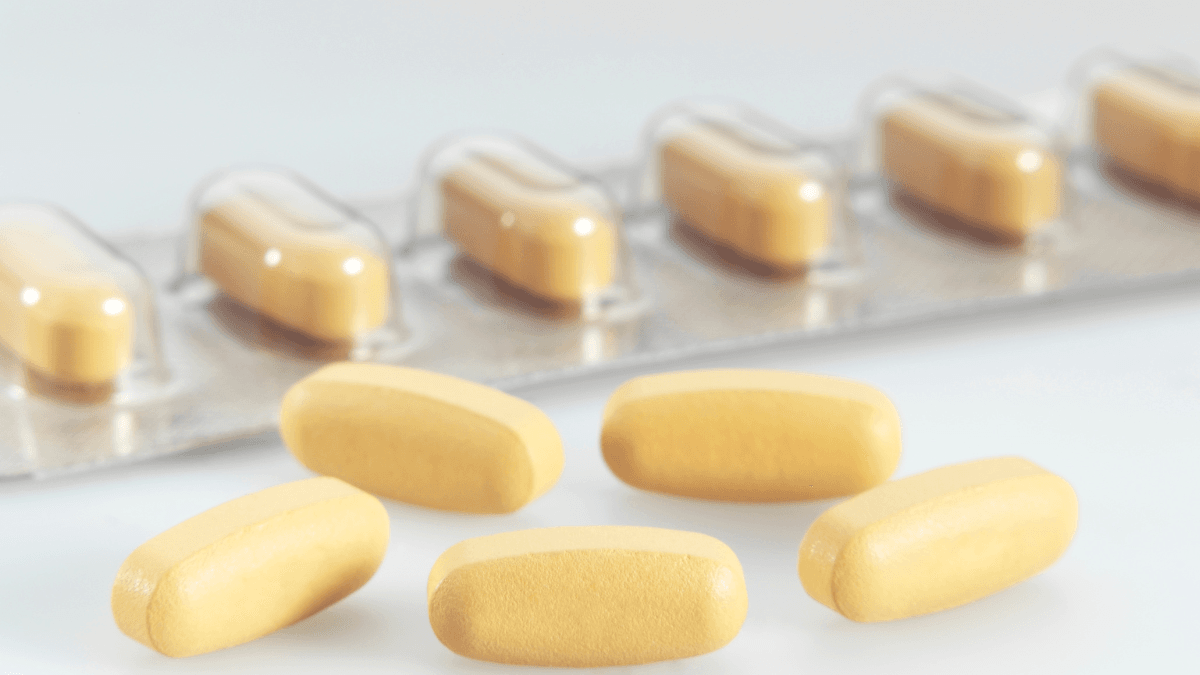
Eliquis and grapefruit may be a concern because grapefruit can affect drug-handling pathways that help process some medicines. For apixaban, the practical answer is cautious rather than panicked: do not make sudden diet or dose changes, but tell your pharmacist if you eat grapefruit, drink grapefruit juice, or use grapefruit-containing products regularly.
Why this matters: apixaban is an anticoagulant, often called a blood thinner. Anything that raises apixaban exposure or adds bleeding risk deserves a careful medication review.
Key Takeaways
- Grapefruit deserves caution: ask before regular or concentrated use.
- Drug interactions matter most: strong CYP3A4 and P-gp effects can change exposure.
- Foods differ from warfarin: vitamin K consistency is not the main issue.
- Supplements can add risk: disclose herbs, extracts, and capsules.
- Urgent bleeding signs need care: do not wait on severe symptoms.
Eliquis and Grapefruit: The Short Safety Answer
The safest answer is to treat grapefruit as a “check first” item while taking apixaban. Grapefruit and grapefruit juice can inhibit CYP3A4, an enzyme involved in processing many medicines. Apixaban also uses CYP3A4 and P-glycoprotein (P-gp), a transport protein that moves drugs across cell barriers.
That does not mean one accidental sip automatically causes harm. It does mean regular grapefruit intake, large servings, or concentrated products should be reviewed with a pharmacist or prescriber. The risk may also change if you take other medicines that affect the same pathways.
If you already ate grapefruit, do not skip or double your next dose unless a clinician specifically tells you to. Instead, note the amount, watch for unusual bleeding or bruising, and contact your care team if you are worried. Seek urgent help for serious symptoms, such as black stools, vomiting blood, severe headache after a fall, or bleeding that will not stop.
For broader medication context, BorderFreeHealth has a plain-language page on Eliquis and a separate product page for Apixaban. Use those pages for navigation and discussion preparation, not as a substitute for individual medical advice.
How Apixaban Works and Why Interactions Matter
Apixaban reduces clot formation by blocking Factor Xa, a key clotting protein. This can help lower the risk of harmful clots in people who have certain medical indications, such as atrial fibrillation or venous thromboembolism. Because it reduces clotting, its main safety concern is bleeding.
Interactions can matter in two main ways. Some substances may raise or lower apixaban levels in the bloodstream. Others may not change drug levels but can still increase bleeding tendency, often by affecting platelets or irritating the stomach lining.
People sometimes use the phrase “blood thinner” to mean several different medicines. Apixaban is an anticoagulant. It is not the same as warfarin, and it is not the same as an antiplatelet drug such as aspirin or clopidogrel. These differences matter because food advice and monitoring advice can vary by medication class.
If you want a deeper look at the drug class, the page Apixaban Drug Class explains how this type of anticoagulant fits into clot prevention. For a broader treatment-purpose discussion, see Eliquis Uses.
Why CYP3A4 and P-gp come up
CYP3A4 is a drug-metabolizing enzyme, mainly found in the gut and liver. P-gp is a drug transporter, sometimes described as a pump. Apixaban is affected by both systems, so clinicians pay close attention to strong inhibitors and strong inducers of these pathways.
Strong inhibitors can raise drug exposure and may increase bleeding risk. Strong inducers can lower exposure and may reduce anticoagulant effect. Grapefruit is best known for inhibiting intestinal CYP3A4, but prescription medicines usually create the clearest and most important interaction concerns.
Quick tip: At each refill, ask whether anything new changes apixaban levels or adds bleeding risk.
Foods and Drinks People Ask About Most
Food questions are common because blood thinner advice can sound inconsistent. The key difference is that apixaban is not managed with the same vitamin K rules used for warfarin. Many people can eat a varied diet, but certain foods, drinks, and supplements still deserve a closer look.
Grapefruit, pomelo, Seville orange, and citrus products
Eliquis and grapefruit is the best-known citrus question, but related products may also come up. Pomelo and Seville orange can affect similar pathways in some contexts. Regular orange juice, lemon water, and small amounts of lemon in food are not usually discussed in the same way as grapefruit, but your full medication list still matters.
Grapefruit marmalade, concentrated juice, extracts, and “detox” drinks can be harder to judge than a single food serving. Bring the product label to your pharmacist if grapefruit appears in the ingredients. This is especially important if you are older, have kidney or liver disease, have had bleeding before, or take several cardiovascular medicines.
Leafy greens and broccoli
Questions like “Can I eat broccoli while taking Eliquis?” often come from warfarin experience. Warfarin dosing can be affected by vitamin K intake, so consistency with leafy greens matters for that drug. Apixaban works differently and does not require the same vitamin K balancing approach.
That said, diet changes can still matter for overall health. If appetite, alcohol use, illness, vomiting, or diarrhea changes suddenly, your care team may want to know. Those changes can affect hydration, falls, medication timing, and bleeding risk in indirect ways.
Coffee, tea, and alcohol
Coffee is not usually a central apixaban interaction. Still, caffeine can worsen reflux or stomach discomfort for some people. If stomach irritation leads to black stools, vomiting, or pain, those symptoms should not be ignored while you are taking an anticoagulant.
Tea depends on what is in the cup. Black and green tea are different from herbal blends, concentrated extracts, or multi-ingredient sleep products. Peppermint or chamomile tea may sound mild, but herbal products can vary widely. The safest habit is to keep tea patterns steady and disclose concentrated products.
Alcohol can increase fall risk, irritate the stomach lining, and make missed doses more likely. Instead of relying on a generic limit, ask what is safest with your health history and medication list. This matters more if you have liver disease, prior gastrointestinal bleeding, or frequent falls.
Medicines, Supplements, and Herbs That Need Extra Review
The most important interaction risks often come from prescriptions, over-the-counter medicines, and supplements rather than ordinary meals. A complete list helps your pharmacist identify combinations that may raise bleeding risk or change apixaban exposure.
Official prescribing information highlights concern with medicines that strongly affect both CYP3A4 and P-gp. Examples can include some azole antifungals, certain HIV or hepatitis C antivirals, and some seizure medicines. Antibiotics may also matter depending on the specific drug.
Pain relievers deserve special attention. Nonsteroidal anti-inflammatory drugs, or NSAIDs, include ibuprofen and naproxen. These medicines can increase bleeding risk when combined with anticoagulants. Your clinician can help weigh pain control, kidney function, stomach-ulcer history, and other medicines before you choose an option.
Supplements can be a hidden source of risk because people may not think to report them. Garlic, ginger, turmeric, fish oil, ginkgo, and other products may affect bleeding tendency, especially in concentrated capsules or high-dose blends. Food amounts are not the same as extract products.
St. John’s wort is another important example because it can induce drug-processing pathways. That means it may lower levels of some medicines. Do not assume “natural” means interaction-free.
If side effects or bleeding symptoms are your main concern, the related page Eliquis Side Effects can help you organize what to report. For a broader safety and dosing context, see Eliquis Dosage Guidelines.
When to Call a Clinician or Seek Urgent Care
Call your prescriber or pharmacist when you start, stop, or change any medicine, supplement, or regular grapefruit intake. This is especially important after hospital discharge, a new antibiotic, a procedure, or a fall.
Seek urgent care for symptoms that may signal serious bleeding. These include vomiting blood, coughing up blood, black or tarry stools, red or brown urine, severe headache, sudden weakness, confusion, fainting, or bleeding that does not stop with pressure. A hard fall or head injury also needs prompt medical attention, even if you feel okay at first.
Less urgent but still important signs include new frequent nosebleeds, unusual bruising, heavier menstrual bleeding, or bleeding gums that are new for you. Document when symptoms started and what changed recently, such as diet, alcohol, pain relievers, or supplements.
Why it matters: Early reporting can prevent a small medication issue from becoming harder to manage.
A Practical Medication Review Plan
A short review process is more useful than a long forbidden-food list. Bring details, not guesses, to the conversation. The goal is to help your care team identify the interaction type and the level of concern.
- List prescriptions: include dose timing and recent changes.
- Add OTC medicines: include pain relievers, cold products, and sleep aids.
- Include supplements: write brand names and ingredient amounts.
- Describe citrus use: note grapefruit juice, pomelo, marmalade, or extracts.
- Report bleeding signs: include bruising, stools, urine, and nosebleeds.
- Ask before procedures: dental work and surgery need planning.
- Confirm missed-dose instructions: use the plan your prescriber gives you.
Example: A person starts a new herbal sleep blend and also begins drinking grapefruit juice each morning. Neither change feels like a “medicine change,” but both may matter during an anticoagulant review. The pharmacist can check the ingredient list and identify whether any prescription interactions are also present.
Example: Another person takes ibuprofen for back pain after starting apixaban. The issue may not be grapefruit at all. The key question becomes whether the pain reliever adds bleeding risk and whether a safer plan is appropriate for that person.
Related Heart Medicine Questions
Some cardiovascular medicines have clearer grapefruit warnings than others. Calcium channel blockers are one common group where grapefruit may be relevant, depending on the specific drug. If you take Verapamil or Diltiazem, ask whether grapefruit guidance applies to that medicine as well.
It is also easy to confuse brand and generic names. Eliquis is the brand name, while apixaban is the generic drug name. The comparison page Eliquis vs Apixaban can help readers understand that naming difference before speaking with a clinician.
For broader heart-health navigation, the Cardiovascular Articles collection gathers related educational topics. The Cardiovascular Products category can also help readers see how heart-related medicines are grouped, without replacing pharmacist guidance.
Access Context for Long-Term Prescriptions
Some readers researching Eliquis and grapefruit are also trying to keep long-term therapy consistent. Medication access issues can lead to missed doses, delayed refills, or unplanned substitutions, so they are worth discussing early with the prescribing team.
BorderFreeHealth connects U.S. patients with licensed Canadian partner pharmacies for eligible prescriptions. When required, the dispensing pharmacy verifies prescription details with the prescriber before dispensing. Cash-pay, cross-border options may be available for some patients without insurance, depending on eligibility and jurisdiction.
Keep access questions separate from safety decisions. Do not stop an anticoagulant or change the way you take it because of cost, grapefruit concerns, or online lists. Ask your prescriber or pharmacist to help you plan the next safe step.
Authoritative Sources
- DailyMed search for apixaban prescribing information
- MedlinePlus patient information on apixaban
- NHS patient guidance for apixaban
In short, eliquis and grapefruit is a real interaction question, but it is only one part of a wider safety review. Regular grapefruit use, new prescriptions, NSAIDs, alcohol changes, and concentrated supplements should all be brought into the same conversation with your pharmacist or prescriber.
This content is for informational purposes only and is not a substitute for professional medical advice.